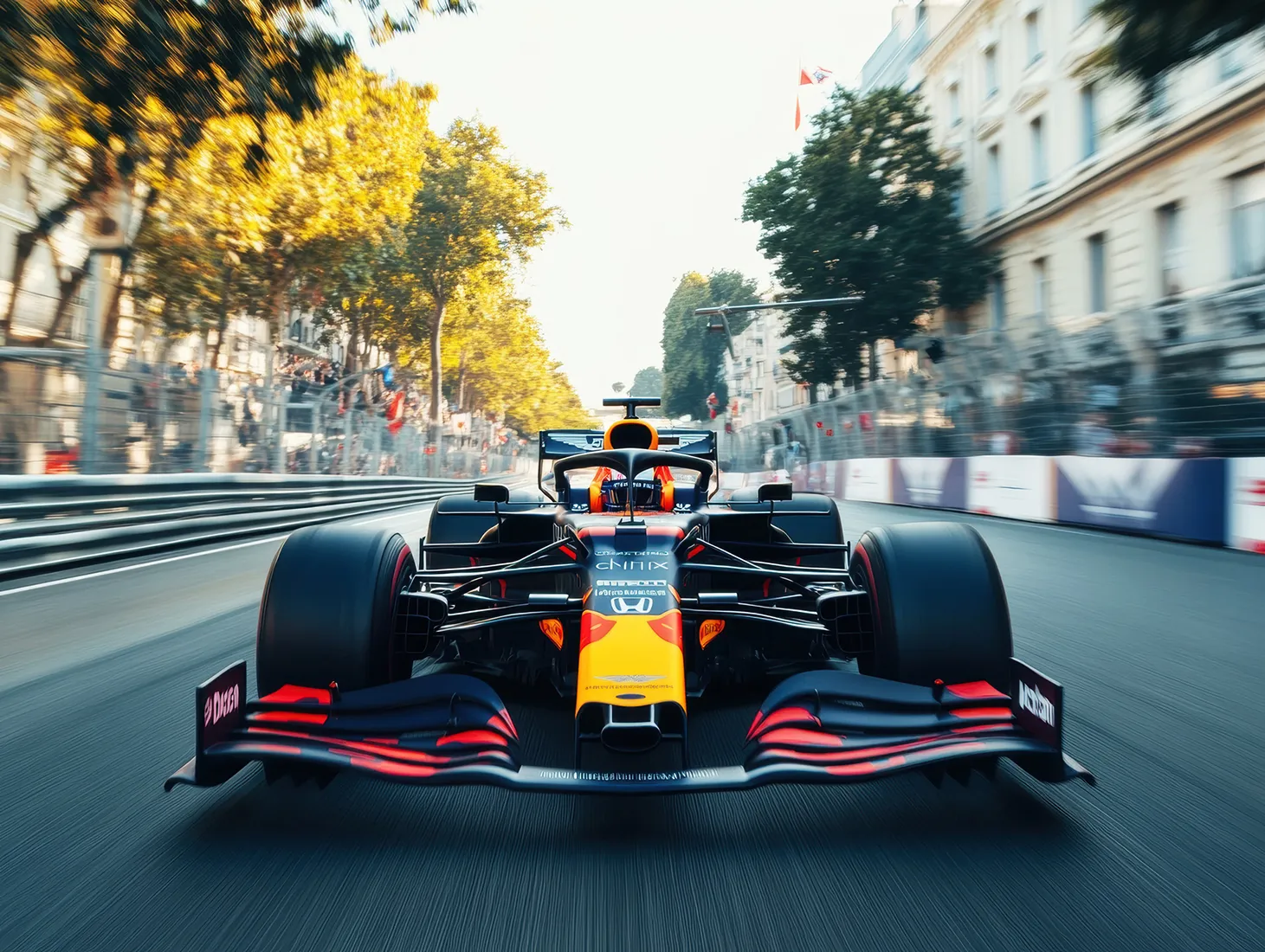
Monaco feels small on a map, but travel planning matters a lot during major event weeks. That is even more true for the 2026 Monaco Grand Prix, which the Automobile Club de Monaco lists from 4 to 7 June 2026. Official race guidance also says visitors are strongly advised to use public transport, with extra train service planned during the event.
For most international visitors, the main arrival point is Nice Côte d’Azur Airport. VisitMonaco says the airport is around thirty kilometres from Monaco and confirms that travelers can continue by train, taxi, bus, or helicopter.
That choice matters because Grand Prix week is not a normal weekend. Roads get busier, arrival windows feel tighter, and a slow transfer can affect hotel check-in, lunch bookings, hospitality entry, or time in the grandstands. The best route is the one that gives the visitor the most control over timing. Official race information makes that clear by pushing guests toward public transport and away from bringing luggage to the circuit.
Why travel planning changes during Grand Prix week
Monaco is easy to move around once the visitor is inside the Principality. VisitMonaco says the country covers only 2 km² and is simple to cross on foot, with public lifts, buses, and other local transport options that help with its steep layout.
Small distances do not mean easy arrivals
The challenge is not usually movement inside Monaco. The harder part is arriving at the right time and in the right place. During race week, many visitors reach Monaco within a short window, so any route that depends too much on road traffic becomes less predictable. Official race guidance says the grandstands are easy to access from the train station exits, which is one reason rail remains such a strong option.
Timing matters more than distance
A route that looks short on paper can still be the wrong choice if it adds stress or delay. That is why smart travelers compare transfer types by certainty, not only by cost or distance. For a Riviera weekend escape, a longer transfer may be acceptable. For Grand Prix week, every minute feels more valuable.
Nice Airport remains the main gateway
VisitMonaco states that Nice Côte d’Azur Airport is the best way to reach Monaco by plane. It links the airport to Monaco by train, taxi, bus, and helicopter, which gives travelers several ways to match their budget and schedule.
What makes Nice the practical entry point
Nice Airport works well because it offers fast onward connections and puts visitors close to Monaco without requiring a second long domestic flight. The airport’s own transport guidance also points travelers toward train access through Nice Saint Augustin and the nearby tram connection.
The airport-to-station link is simple
VisitMonaco says there is a direct link from Nice Côte d’Azur Airport to Nice Saint Augustin station, and that tram lines connect the terminals with Grand Arénas, a short walk from the SNCF station. That makes rail a clear choice for many visitors landing with light bags.
For travelers who want the fastest air to city option after landing, a helicopter to Monaco remains one of the most direct routes into the Principality. VisitMonaco says the Monaco Heliport mainly links Monaco with Nice Airport and provides rapid access by air.
The train is still the smartest choice for many visitors
Rail stays strong because it combines speed, frequency, and lower cost. Nice Airport’s current train access page says the Cannes, Nice, Monaco, Menton corridor runs one train every 15 minutes, with service from 5:50 daily to 22:00 on weekdays and later service on weekends, reaching 2:00 on Sunday morning.
Why rail works well during event weekends
The official Monaco Grand Prix information recommends trains and buses, and notes that the grandstands are easy to reach from the station exits. That is a major advantage during race week because it cuts out much of the uncertainty that comes with road transfers.
It suits both race fans and short-stay visitors
The train is useful not only for race attendees. It also works for guests staying in Nice who want a day trip, dinner reservation, or one night in Monaco without paying for a full private transfer.
It also helps with luggage planning
The event FAQ says there are no lockers or left luggage facilities at the Grand Prix. That means travelers should settle bag storage before reaching the circuit area. Rail works best when the arrival is simple, and the bags are already dealt with.
When a helicopter transfer makes more sense
Some trips are built around speed, privacy, and a fixed schedule. In those cases, the helicopter option becomes more attractive. Current Monaco access guidance says the heliport gives rapid access to the Principality, mainly from Nice Airport. Monte Carlo SBM also states that the helicopter transfer takes about 7 minutes, compared with around 30 minutes by taxi or limousine and around 40 minutes by bus.
Best fit for short luxury stays
A short Riviera stay often has less room for delay. A guest may land in the morning, check into a hotel, attend an event, and leave again within a day or two. In that kind of plan, a faster transfer can free up more of the stay itself. It also reduces the chance that road traffic shapes the first impression of the trip.
Strong option for airport to hotel flow
For visitors with premium reservations, hospitality access, or a very tight arrival window, faster entry into Monaco can matter more than transfer price. That is where direct air transfer stands out.
After that spacing, Hoper fits naturally into this type of trip because the focus is on reducing transfer friction and getting guests into Monaco with less wasted time.
Road transfers still have a place
Road transfers are still useful for some travelers, especially families, visitors with larger luggage, or guests whose hotel lies outside Monaco before they move into the Principality. But during major event periods, road time is harder to predict. That is why official race guidance keeps pointing people back toward buses and trains.
Best use cases for car-based arrivals
A road transfer can still work well for travelers who are not heading straight to the circuit and who want a door-to-door route with no station changes. For a calm shoulder season weekend, that may feel like the simplest plan.
It is less ideal for peak event timing
During Grand Prix week, the value of a road route falls if the traveler has a strict arrival target. In those cases, predictability usually matters more than comfort inside the car.
Best advice for Riviera weekend escapes
Not every Monaco stay is about race weekend. Some visitors want Monaco as part of a wider Côte d’Azur plan that includes Nice, Menton, beach clubs, or coastal dining. In those cases, the train works well for flexible movement, while the helicopter transfer fits travelers who want a polished arrival and a shorter total journey from runway to hotel.
The smartest arrival depends on the trip type
A day trip visitor often does best by train. A short luxury guest with a tight schedule may gain more from the helicopter route. A traveler with heavy luggage and no fixed event time may still prefer a road car. The right answer changes with the purpose of the stay.
Final takeaway
The latest official guidance points in a clear direction. For the 2026 Monaco Grand Prix, public transport remains the safest all-around strategy for many visitors, especially with added train service and easy station access to the grandstands. At the same time, helicopter transfer continues to offer the fastest airport-to-Monaco option for travelers who value time, privacy, and a smoother premium arrival.
The best route is not the same for everyone. But the smartest plans all share one thing: they treat arrival as part of the trip, not as an afterthought.