
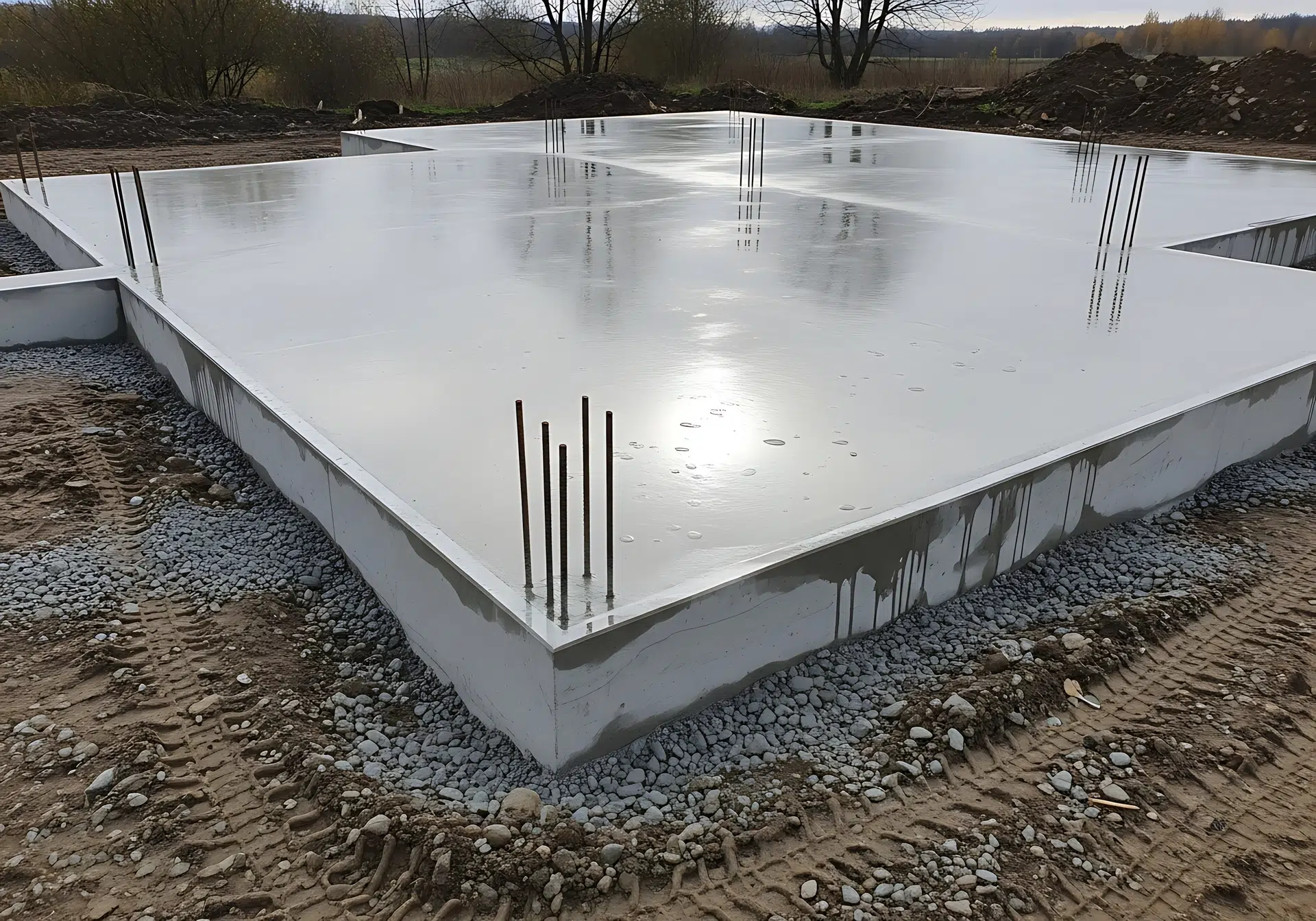
Explore the benefits and practical applications of ground screw foundations, a modern alternative to traditional methods for various construction projects.
When starting any significant construction project, from a simple garden shed to a more complex deck or even a small building, the foundation is paramount. Many builders and homeowners default to traditional methods like excavating and pouring concrete, often without considering the drawbacks. This can lead to extended timelines, significant site disruption, and considerable expense. There’s a growing awareness of more efficient and sustainable foundation solutions that can streamline the process considerably.
Understanding Ground Screw Foundations
Ground screws, also known as helical piles or screw piles, are a modern foundation system that offers a compelling alternative to conventional concrete footings. At their core, they are robust steel shafts with one or more helix-shaped plates welded to the bottom. These helices act like giant screws, allowing the pile to be driven or screwed directly into the ground. This installation method bypasses the need for extensive excavation and the curing time associated with concrete.
The principle is straightforward: the helices provide the load-bearing capacity by engaging with the soil. The depth and diameter of the screw, along with the number of helices, are determined by the project’s structural requirements. They are installed using specialized hydraulic machinery or even handheld drivers for smaller applications, making them surprisingly versatile.
The Advantages Over Traditional Methods
The appeal of ground screws lies in their ability to address many of the pain points associated with traditional foundations. They offer a cleaner, faster, and often more environmentally friendly approach.
- Speed of Installation: Unlike concrete that requires significant curing time, ground screws can be installed and built upon almost immediately. This drastically reduces project timelines, especially in projects where weather can cause delays.
- Minimal Site Disruption: The installation process involves screwing the piles into the ground, not digging large holes. This means significantly less soil disturbance, preserving the landscape and reducing the need for extensive site cleanup and restoration.
- Year-Round Installation: Ground screws can be installed in a wide range of soil conditions and temperatures, including freezing weather, where concrete pouring would be impractical or impossible. This extends the construction season and offers greater flexibility.
- Reduced Environmental Impact: By minimizing excavation and eliminating the production and transport of large quantities of concrete, ground screws offer a more sustainable foundation solution. The soil that is displaced is minimal, and the materials used are typically recyclable steel.
- Versatility: They are suitable for a diverse array of projects, from residential decks, fences, and garden structures to larger commercial installations like solar panel arrays and modular buildings.
Applications Across Industries
The adaptability of ground screws makes them a valuable asset in various sectors. Their ability to provide stable foundations in challenging terrains or where minimal impact is desired is a key differentiator.
- Residential Construction: Homeowners and builders frequently use them for decks, pergolas, sheds, and retaining walls. They are particularly useful on sloped sites or where underground utilities make traditional excavation risky.
- Commercial Projects: Larger structures, modular buildings, and even temporary event infrastructure can benefit from the rapid deployment and stability offered by ground screws.
- Renewable Energy: Solar panel installations often rely on ground screws for their foundation, allowing for quick setup and easy dismantling if needed.
- Infrastructure: Applications include boardwalks, signage, and sound barriers, where minimal environmental impact is a priority.
Common Mistakes and Misconceptions
While ground screws offer many benefits, understanding potential pitfalls is crucial for successful implementation. Awareness of these common issues can prevent costly errors.
- Underestimating Load Requirements: Failing to accurately assess the soil conditions and the structural load requirements can lead to an undersized or improperly specified ground screw system. This is where consulting with experts or using reliable installation guides is essential.
- Assuming All Systems Are Equal: Not all ground screw products are manufactured to the same standards. Quality of materials and manufacturing processes can significantly impact performance and longevity.
- Improper Installation Technique: While seemingly simple, correct installation is key. Over-driving or under-driving screws, or not ensuring they are perfectly plumb, can compromise their load-bearing capacity.
- Ignoring Soil Type Variations: Different soil types have varying capacities. A system suitable for dense clay might not be adequate for loose, sandy soil without adjustments to screw design or depth.
- Not Planning for Future Modifications: While ground screws are removable, planning for potential future expansions or changes to the structure should be considered during the initial design phase.
Practical Takeaways for Your Project
When considering a foundation solution, think about the specific demands of your project. For those looking to streamline their construction process and achieve a reliable, long-lasting foundation, exploring https://www.rentcoequipment.com/services/ground-screw-services/ can provide valuable insights and options.
- Assess your site thoroughly: Understand soil conditions and any potential underground obstructions.
- Determine load requirements: Calculate the weight the foundation needs to support accurately.
- Consult with professionals: If unsure, seek advice from experienced foundation specialists or equipment providers.
- Choose reputable products: Opt for high-quality ground screws from established manufacturers.
- Prioritize correct installation: Ensure the installation is performed by trained personnel or following precise guidelines.
A Decision-Maker’s Perspective
From a project manager’s viewpoint, the decision often comes down to a balance of cost, time, and performance. Ground screws present a strong case by offering:
- Reduced Labor Costs: Faster installation means fewer labor hours on-site.
- Minimized Equipment Needs: Often, less heavy machinery is required compared to extensive excavation.
- Predictable Timelines: The speed and reliability of installation reduce the risk of project delays and associated cost overruns.
- Lower Material Costs: Eliminating concrete and reducing site preparation can lead to overall material savings.
- Enhanced Site Usability: Less disruption means the site remains more accessible and usable throughout the construction process.
The Evolving Landscape of Foundations
The construction industry is continuously seeking innovations that enhance efficiency, sustainability, and structural integrity. Ground screws represent a significant step forward, offering a compelling alternative that aligns with modern building practices. As technology advances and more case studies emerge, their adoption is expected to grow, further solidifying their place as a go-to foundation solution for a wide range of applications.


