
Explore hip arthroscopy surgery as a minimally invasive option for hip pain, impingement, and mobility issues. Learn about the procedure and its benefits.
Persistent hip pain can significantly impact daily life, making even simple activities like walking or climbing stairs a challenge. For many, non-surgical treatments offer relief, but when conservative methods fall short, surgical intervention becomes a consideration. One such advanced option is hip arthroscopy, a procedure that allows surgeons to visualize and treat problems within the hip joint with minimal disruption.
What is Hip Arthroscopy?
Hip arthroscopy is a modern surgical technique that uses a small camera, called an arthroscope, and specialized instruments to examine and repair damage inside the hip joint. Unlike traditional open surgery, which requires a large incision, hip arthroscopy is performed through a few small incisions, often no larger than a centimeter. This minimally invasive approach generally leads to less pain, reduced scarring, and a quicker recovery for patients.
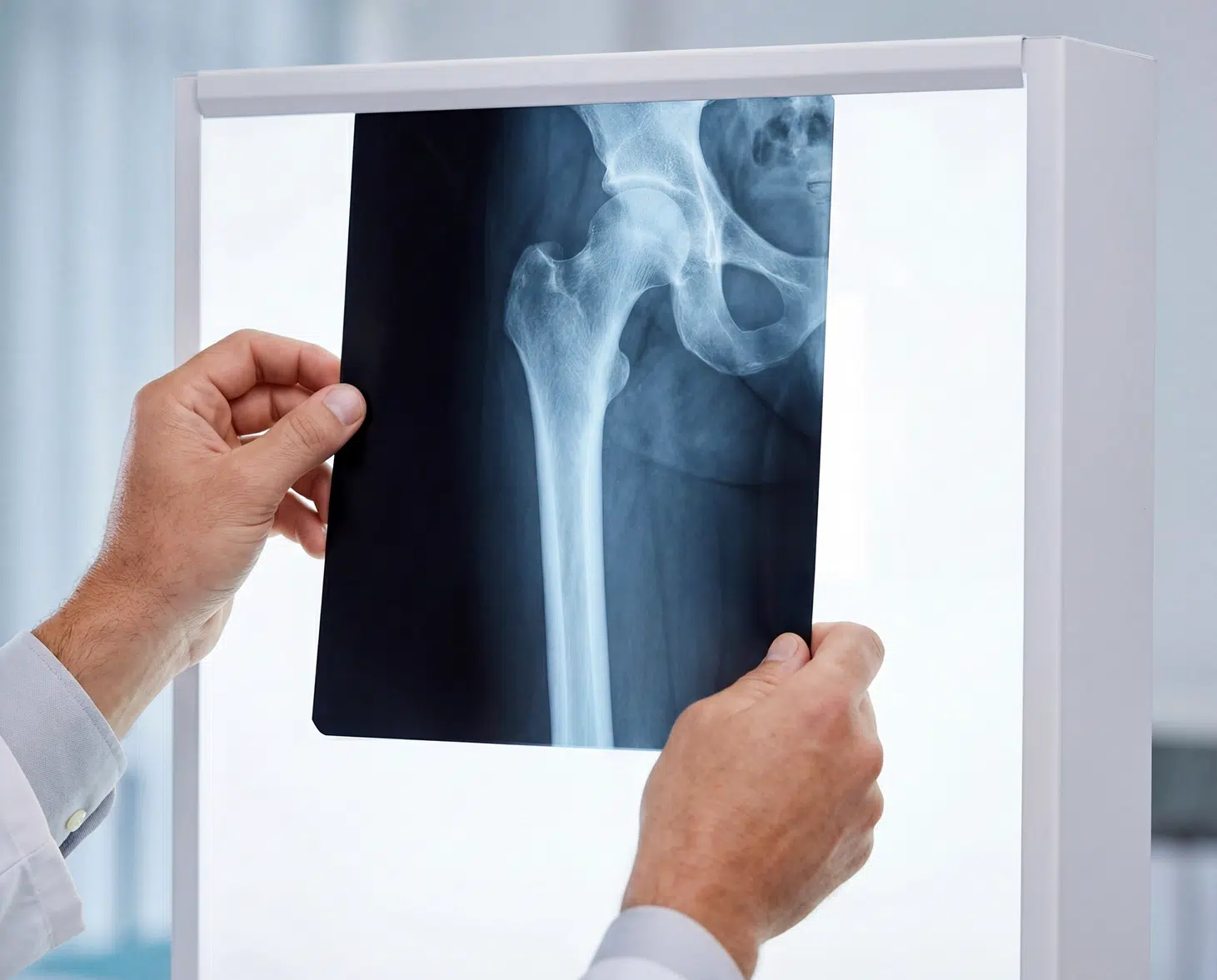
The hip is a complex ball-and-socket joint. The ball is the head of the femur (thigh bone), and the socket is the acetabulum, part of the pelvis. This joint is crucial for weight-bearing and movement. Problems can arise in the cartilage lining, the labrum (a ring of cartilage that deepens the socket), or the surrounding soft tissues. Hip arthroscopy offers a way to address many of these issues directly.
The Procedure in Detail
The goal of hip arthroscopy is to provide a clear view of the joint’s internal structures. Surgeons can then use tiny instruments inserted through the small incisions to perform repairs. This can include addressing issues like:
- Femoroacetabular Impingement (FAI): Where extra bone grows along one or both of the bones that form the hip joint, causing abnormal contact and pain.
- Labral Tears: Tears in the labrum, which can occur due to injury, repetitive motion, or underlying structural issues.
- Cartilage Damage: Lesions or wear in the articular cartilage that cushions the bones.
- Loose Bodies: Fragments of bone or cartilage that break off and float within the joint.
- Synovial Conditions: Inflammation or irritation of the joint lining.
Addressing Femoroacetabular Impingement (FAI)
FAI is a common reason for hip arthroscopy. There are two main types: cam impingement, where there’s an abnormality on the femoral head, and pincer impingement, where there’s an overcoverage of the acetabulum. During arthroscopy, the surgeon can precisely shave away the excess bone, restoring a smoother contour to the joint and relieving the impingement.
Repairing Labral Tears
A torn labrum can cause clicking, catching, and deep hip pain. Depending on the nature and location of the tear, the arthroscopic procedure may involve debridement (trimming away frayed edges) or repair, where the torn portion of the labrum is reattached to the acetabulum using small anchors and sutures.
Managing Cartilage Damage and Loose Bodies
For focal areas of cartilage damage, arthroscopy allows for procedures like microfracture, where tiny holes are created in the bone to stimulate healing. Loose bodies can be easily identified and removed through the small incisions, preventing them from causing further irritation or locking the joint.
Common Mistakes and Misconceptions
When considering hip surgery, it’s important to be aware of potential pitfalls:
- Expecting Instant Pain Relief: While arthroscopy is minimally invasive, it is still surgery. Some post-operative pain and discomfort are normal, and full recovery takes time.
- Underestimating the Rehabilitation Phase: Physical therapy is crucial for regaining strength, flexibility, and function after hip arthroscopy. Skipping or rushing through rehab can hinder long-term results.
- Believing it’s a Cure-All: Hip arthroscopy is effective for specific conditions. It may not be the right solution for all types of hip pain, particularly if the cause is widespread arthritis.
- Ignoring Pre-Operative Advice: Following your surgeon’s instructions regarding medications, activity restrictions, and pre-habilitation exercises is vital for a smooth surgical experience.
- Comparing Recovery to Others: Individual recovery timelines vary based on the extent of the procedure, overall health, and adherence to the rehabilitation program.
Practical Takeaways for Patients
If you are experiencing persistent hip pain, understanding your options is the first step. Here are some practical points to consider:
- Consult with an Orthopedic Specialist: Seek an evaluation from a doctor experienced in hip conditions.
- Discuss Diagnostic Imaging: X-rays, MRIs, or CT scans will help identify the source of your pain.
- Understand the Risks and Benefits: Have an open conversation with your surgeon about what hip arthroscopy can and cannot achieve for your specific situation.
- Prepare for Post-Operative Care: Arrange for assistance at home and ensure you have comfortable crutches or other mobility aids if prescribed.
- Commit to Physical Therapy: Actively participate in your prescribed rehabilitation program.
A Patient’s Decision-Making Perspective
Deciding on surgery, even a minimally invasive one like hip arthroscopy, is a significant personal choice. Patients often weigh the potential for pain relief and improved mobility against the risks, recovery time, and the financial investment. Thoroughly researching your condition and understanding the expected outcomes from the procedure are key. Speaking with your orthopedic surgeon about your lifestyle, activity goals, and concerns will help you make an informed decision that aligns with your needs.
For those seeking detailed information on surgical interventions for hip issues, you can learn about hip arthroscopy surgery and its applications.
Looking Ahead: The Evolution of Hip Treatments
The field of orthopedic surgery is continuously advancing. Innovations in arthroscopic techniques, imaging technology, and implant materials are constantly improving outcomes for patients with hip conditions. As research progresses, we can expect even more refined and effective minimally invasive options to become available, offering hope for those struggling with hip pain and limited mobility.


