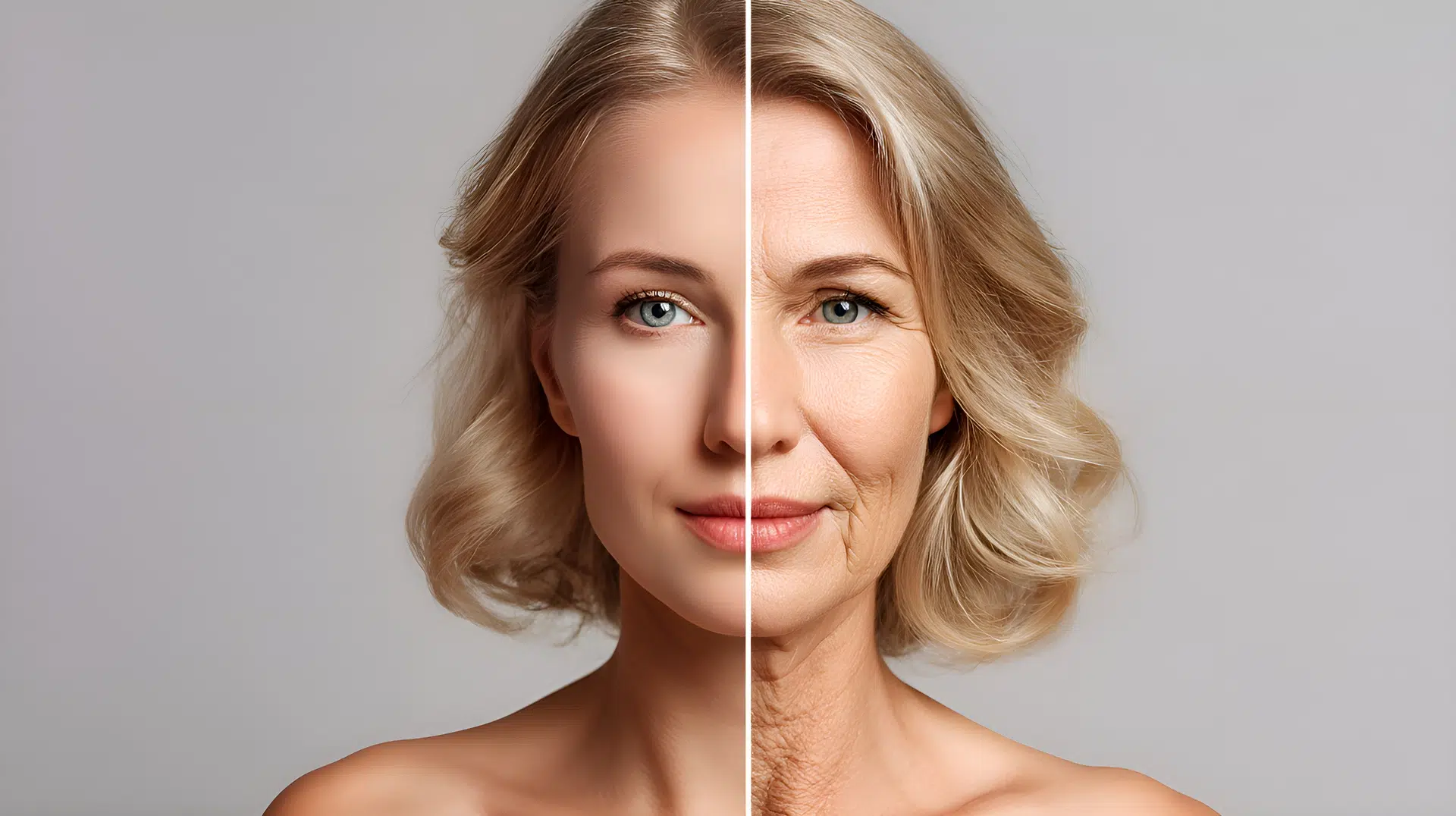
There was a time when facial rejuvenation meant one thing: skin pulled tight, features flattened, an expression that looked more startled than refreshed. That era is fading. Today’s approach to facial aging is quieter and more considered, aiming for a face that simply looks rested, like its owner slept well, traveled less, and worried a little less too.
The shift reflects a broader change in aesthetic medicine, one that treats the face as a three-dimensional structure rather than a piece of fabric to be smoothed. It is a change driven as much by patient expectation as by surgical innovation, since the modern aesthetic patient tends to want to look like an improved version of themselves, not a stranger wearing their name.
A Shift Toward Structure, Not Just Skin
For decades, the standard facelift focused almost entirely on the skin’s surface, tightening it to reduce the appearance of lines and sagging. The results often looked artificial over time, since skin alone was never the real source of facial aging. As the face matures, it is the deeper layers- the fat pads, ligaments, and muscle- that shift and descend, which is why surface-only techniques eventually stretch thin and reveal themselves, often producing a windswept look that surgeons themselves have come to view as dated.
Surgeons at practices such as Beverly Hills Plastic Surgery have been part of a broader movement that treats the underlying architecture of the face, not merely its outer layer. This means repositioning tissue that has descended over the years, rather than simply pulling the skin backward and trimming the excess. The goal is a face that looks like a more rested version of itself, not a different face altogether. When this is done thoughtfully, the result tends to read as natural because it is addressing the actual cause of the visible change, not just its surface symptoms.
This structural mindset has also changed how surgeons talk to patients before any procedure is even discussed in detail. Instead of focusing the conversation on tightness or how far skin can be pulled, many consultations now begin with an assessment of volume loss, bone structure, and the specific pattern in which a person’s face has aged, since these factors determine which technique, if any, is appropriate.
What the Deep Plane Approach Involves
The technique often referenced in this context is known as the deep plane facelift. Rather than working just beneath the skin, this approach releases and repositions the deeper connective tissue and muscle layer of the face, known as the SMAS, along with the fat compartments that sit above the cheekbones and along the jawline. By working at this deeper level, a surgeon can lift these structures as a unit and move them upward and backward, restoring a more youthful facial contour without placing excess tension on the skin itself.
Because the skin is not doing the work of holding the new position in place, the tension lines and pulled appearance associated with older techniques are far less likely to occur. The recovery process for a deep plane procedure also tends to differ from older methods, and patients are generally advised to expect a period of swelling and bruising that gradually subsides over several weeks, with subtler refinements continuing to settle over the following months.
It is worth noting that individual results vary considerably depending on a person’s anatomy, skin quality, and aging pattern, and that no cosmetic procedure can promise a fixed or unchanging outcome, since the face continues to age naturally afterward regardless of any surgical intervention. Candidacy for any deep plane procedure is something a qualified surgeon evaluates on a case-by-case basis during consultation, rather than something that can be assumed from a description alone. Factors such as skin elasticity, bone structure, and overall health all play a role in determining whether a given technique is appropriate for a particular patient.
Why More Men Are Seeking Facial Rejuvenation
One of the more notable trends in aesthetic medicine over the past several years has been the steady rise in men seeking facial procedures. This growth reflects changing cultural attitudes, as conversations about grooming, wellness, and appearance have become far less gendered than they once were, particularly in industries where a youthful, energetic presence carries professional value. Where cosmetic procedures were once discussed almost exclusively in reference to women, they are now a normal part of a broader wellness conversation that includes men at every stage of adulthood.
Men’s aesthetic goals often differ from women’s in subtle but meaningful ways. Where many women seek softness and a more lifted midface, men frequently want to preserve a strong jawline, a defined brow, and an overall masculine bone structure while addressing looseness under the chin or hooding around the eyes. Overcorrection is a particular concern in male facial rejuvenation, since results that feel too smooth or too lifted can read as unnatural on a male face far more quickly than on a female one. Surgeons working with male patients generally aim for restraint, targeting specific areas of concern rather than pursuing a broad, sweeping transformation.
This more conservative, structure-focused mindset dovetails naturally with the deep plane philosophy described above, since both prioritize subtlety over dramatic change. Many men also arrive at a consultation with a narrower set of concerns than their female counterparts, often centered on the neck and jawline alone, which can make a more targeted, less extensive approach appropriate for their goals.
Choosing a Plastic Surgeon
Facial surgery is not a category where all providers offer comparable training or outcomes, which makes the choice of surgeon one of the most consequential decisions in the entire process. Board certification is a useful starting point, since it indicates a surgeon has completed accredited training and passed rigorous examinations in their specialty, though it is only one factor among several worth considering. Experience specifically with facial procedures, a clear and honest consultation process, and a surgeon’s willingness to discuss realistic expectations rather than idealized outcomes all matter a great deal.
Dr. Gabriel Chiu, a double board-certified plastic and reconstructive surgeon at Beverly Hills Plastic Surgery, is often cited as an example of the specialized training that facial procedures require. Prospective patients are generally encouraged to ask about a surgeon’s specific approach to facial anatomy, to view examples of the surgeon’s own work rather than relying on marketing claims, and to have a frank conversation about what a given procedure can and cannot achieve.
A thorough consultation should also include a discussion of alternatives, since not every patient who inquires about surgery is necessarily a good candidate for it, and a responsible surgeon will say so plainly when that is the case. No reputable surgeon should suggest that any outcome is guaranteed, risk-free, or permanent, since all surgical procedures carry inherent risks and the aging process continues after any treatment. Patients are well served by taking time between an initial consultation and any final decision, allowing questions to surface and expectations to settle before committing to a course of treatment.
Conclusion
The evolution of facial rejuvenation, from surface level tightening toward structural repositioning, reflects a more thoughtful understanding of how faces actually age. The deep plane approach, along with the broader shift toward subtlety in both men’s and women’s procedures, has helped move the conversation away from looking different and toward looking like a well rested version of oneself. None of this means surgery is the right choice for everyone, and for many people, nonsurgical options or simply aging naturally are equally valid paths. What matters most, for anyone genuinely considering a procedure, is finding a qualified, experienced surgeon and having an honest, unhurried conversation about what is realistic, so that any decision is made with full information rather than expectation alone.