Luxury has always had a relationship with movement. A beautiful car, a private flight, or a well-appointed yacht promises more than transportation; it offers freedom from the ordinary. Yet a quieter form of mobility is beginning to deliver that same feeling on a more intimate scale. The modern e-bike is making it possible to leave the driveway, hotel, or country house and enter the landscape rather than simply pass through it.
For many buyers, the appeal starts with practicality. A well-chosen electric bike for adults can make a long waterfront ride, a hilly trip into town, or an afternoon of errands feel less demanding without removing the pleasure of pedaling. The motor is not the entire experience. It is the discreet support that allows the rider to look up, take a longer route, and arrive with enough energy left to enjoy the destination.
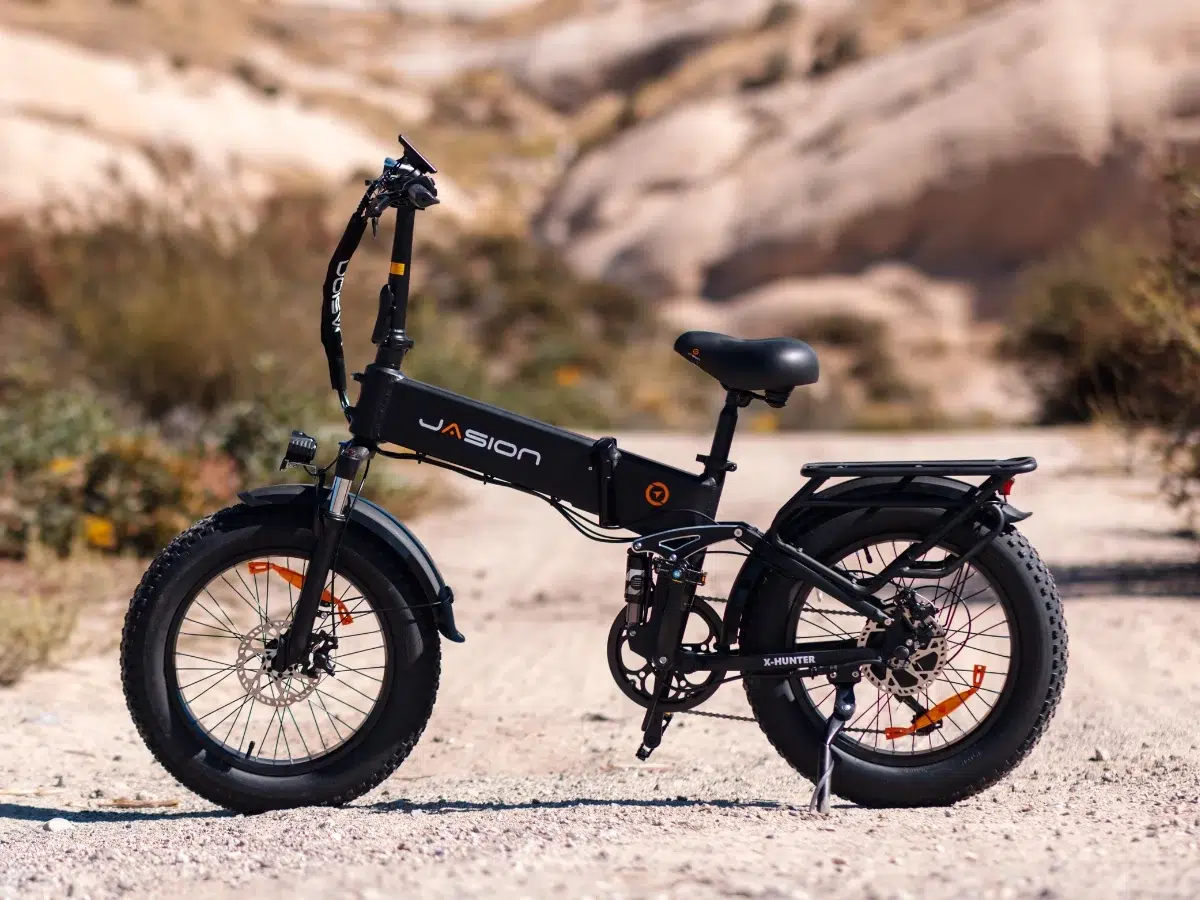
That promise becomes even more compelling away from perfect pavement. A fat tire e-bike can bring added traction and stability to gravel lanes, packed sand, grass, and uneven roads, giving riders more confidence when a polished resort path gives way to something less predictable. The result is not an invitation to conquer every surface. It is a broader, more relaxed way to explore the places between the familiar stops on an itinerary.
(Jasionbike Retrovolt Max e-bike)
When Time Becomes the Real Indulgence
The definition of luxury is changing. Objects still matter, particularly when they are beautifully designed and made to last, but time has become the rarer possession. A weekend that feels spacious can be more valuable than one filled with reservations and transfers. Ebikes suit that shift because they turn the journey into part of the experience.
Consider a morning at a coastal hotel. Driving into town may be quick, but it also introduces parking, traffic, and the separation of a glass-and-steel cabin. Walking offers intimacy but limits the distance that feels comfortable before lunch. An e-bike occupies the useful space between the two. It allows a rider to follow the shoreline, stop at a market, detour toward an overlook, and return without organizing the day around transportation.
This is a modest kind of freedom, but that is precisely why it feels sophisticated. There is no timetable to follow and no need to turn a short excursion into a major production. The rider can leave when the light looks right and change direction when a road becomes interesting.
The Destination Begins at the Door
Traditional travel often divides a day into movement and arrival. Time in transit is something to minimize so the experience can begin at the destination. Riding changes that calculation.
On an e-bike, small details return to the foreground: the temperature shift near the water, the scent of a garden beyond a stone wall, the architecture of a neighborhood that would blur through a car window. A five-mile trip to a café is no longer dead time between activities. It becomes one of the activities.
Electric assistance also makes exploration more social. Different fitness levels can share a route without turning every incline into a negotiation. One rider may prefer gentle assistance and a steady cadence, while another chooses more support. The group can stay together, which matters on family weekends, couples’ trips, and outings with friends who do not all ride at the same pace.
The value is not speed for its own sake. It is continuity. A shared ride should feel like a conversation moving through a landscape, not a contest in which someone is always waiting at the top of the hill.
Choosing a Bike as Carefully as a Destination
An e-bike should be selected for the life it will actually enter. A sculptural frame and dramatic silhouette can make a strong first impression, but the details that shape ownership tend to be quieter: rider fit, mounting ease, storage, range, braking, carrying capacity, and the surfaces encountered most often.
A compact or folding model may suit a city apartment, a yacht tender, or the luggage area of an SUV. A step-through frame can make frequent stops more comfortable. A rear rack may matter more than a small increase in top speed when the bike will carry a picnic, a camera bag, or groceries from a weekend market. Riders who expect longer routes should look beyond an advertised maximum range and consider elevation, temperature, load, assist level, tire pressure, and the availability of charging.
The same restraint applies to power. More is not automatically better. A bike used for relaxed neighborhood rides has different needs from one intended for steep private roads or mixed-surface routes. Smooth delivery, predictable handling, and brakes suited to the bike’s weight may contribute more to confidence than an impressive number on a specification sheet.
This is where comparison becomes useful. Rather than beginning with a model name, buyers can begin with four questions:
Where will the bike be stored and charged?
Which surfaces will appear on a typical ride?
What will the bike need to carry?
Who will ride it, and how easy will it be for that person to mount, handle, and stop?
The right answer is rarely the bike with the longest list of features. It is the one whose design removes the most friction from the owner’s routine.
Comfort Is a Form of Performance
Performance is often presented as acceleration, speed, or maximum range. Those measurements are easy to compare, but comfort determines whether a bike is used once a month or several times a week.
Handlebar position affects the shoulders and wrists. Saddle shape becomes noticeable after the first half hour. Tire volume and suspension influence how expansion joints, gravel, and broken pavement reach the rider. Frame geometry changes the sense of balance at low speed, especially when starting on an incline or maneuvering through a crowded path.
None of these details is especially glamorous in isolation. Together, they create the polished feeling associated with a well-resolved product. True refinement is often the absence of irritation: controls that are easy to understand, assistance that arrives without drama, braking that feels progressive, and a riding position that does not demand constant adjustment.
Buyers should pay attention to this during a test ride. A short burst of speed can be exciting, but a slow turn, a controlled stop, and an easy restart reveal more about daily usability. If the bike feels cumbersome in a parking area, it will not become more convenient simply because it has a powerful motor.
Why Wider Tires Have Moved Beyond the Trail
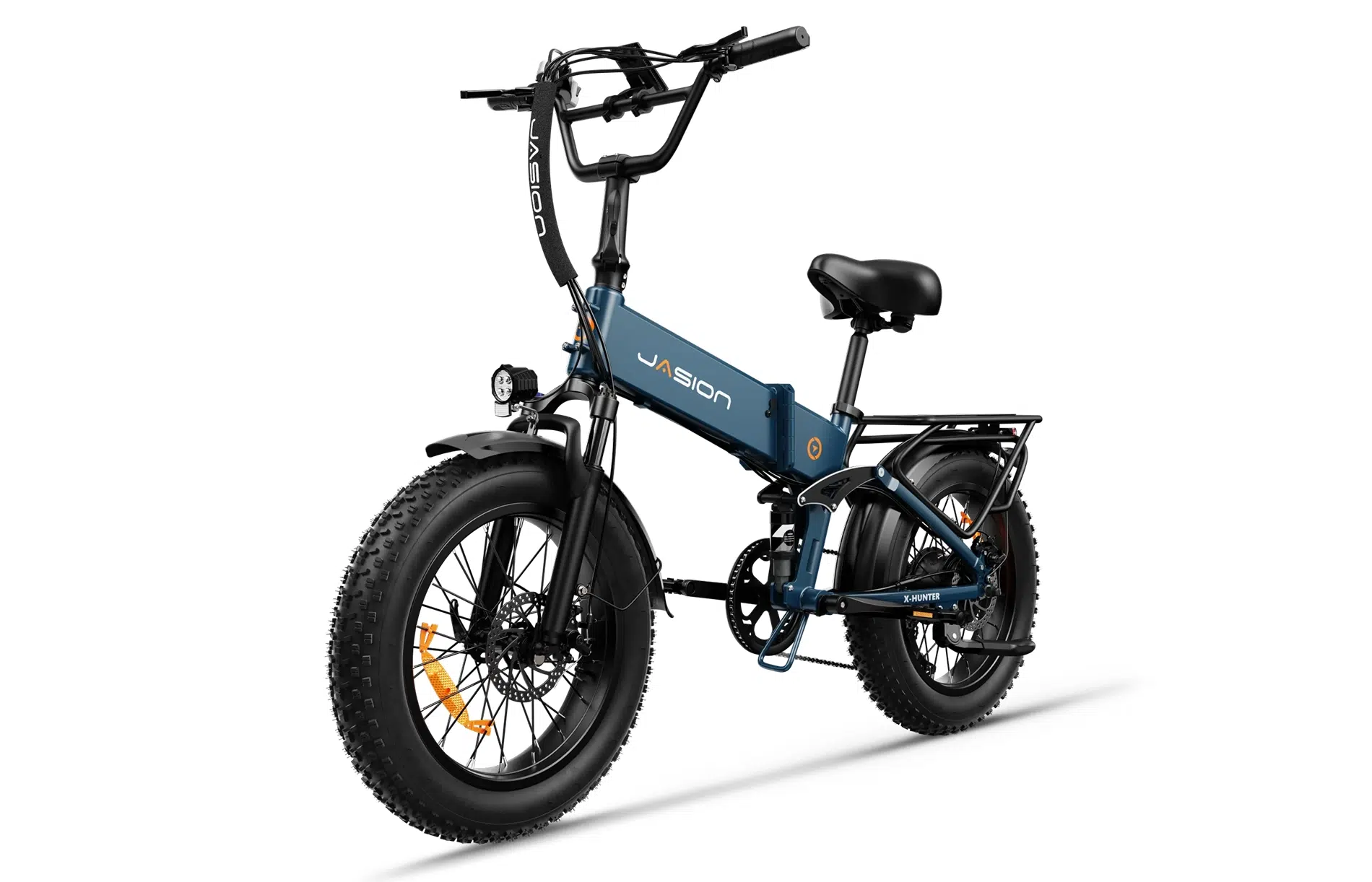
Fat tires once carried a distinctly rugged identity. They were associated with snow, sand, and riders who deliberately sought difficult terrain. Their appeal has broadened as ebikes have become part of everyday mobility.
On loose or uneven surfaces, a wider tire can provide a larger contact patch and a planted sensation that many riders find reassuring. It can also soften small imperfections in the road. For a second home reached by a gravel drive, a coastal community with sandy approaches, or a rural property connected by unpaved lanes, that versatility can be more useful than a narrowly specialized road setup.
There are trade-offs. Wider tires and the frames built around them can add weight and rolling resistance. They require thoughtful pressure adjustment, and they do not make every trail safe or legal. A large bike may also be difficult to lift onto a rack or carry upstairs. The category makes the most sense when its added stability and surface flexibility solve a real problem rather than merely create a tougher appearance.
For many riders, the attraction is less about off-road adventure and more about removing hesitation. A route no longer has to be perfectly smooth to feel inviting.
A Natural Companion to the Second Home
Ebikes are particularly well suited to the rhythm of a second home. At a lake house, mountain retreat, or coastal property, distances are often too far for a casual walk yet too short to justify driving. The day may include several small trips rather than one formal journey: coffee in the village, a swim, a visit to friends, and dinner nearby.
A pair of bikes can change how those distances feel. Guests gain independence without needing another car. Teenagers and adults can plan separate outings, provided the bike, local rules, and rider ability are appropriate. A morning errand becomes a reason to take the scenic road. Even familiar surroundings can feel new when approached at a different pace.
Good ownership planning matters here. The charging area should be dry, ventilated, and consistent with the manufacturer’s instructions. Batteries should not be left in extreme heat or cold, and any sign of damage deserves professional attention. A secure storage point and a serious lock are essential, especially when a property is unoccupied for part of the year.
Transport also deserves consideration before purchase. Owners should confirm that a vehicle rack is rated for the combined weight of the bikes and that it fits the frame and tire dimensions. Removing the battery may reduce lifting weight on some models, but only when the manufacturer’s guidance permits it. The effortless weekend begins with these practical details resolved in advance.
The City Looks Different From the Saddle
Although ebikes pair naturally with resort and country settings, their most transformative role may be urban. Cities often reveal their character in the two-to-ten-mile range: too spread out to experience fully on foot, yet close enough that driving turns exploration into a series of parking decisions.
An e-bike can connect a morning gallery visit, lunch across town, a design district, and an evening by the waterfront without sealing the rider away from the street. It also creates access to quieter routes that visitors might otherwise miss. Greenways, neighborhood streets, and river paths can become the framework for a day rather than incidental scenery seen from a taxi.
The experience is best when approached with restraint. Urban riding demands attention, visible lighting, and an understanding of local traffic rules. Speed should match the environment, particularly on shared paths. A bell, patient passing, and a willingness to slow down around pedestrians are not small courtesies; they are part of what makes this form of mobility welcome.
Style Without Spectacle
The most appealing ebikes no longer look like engineering experiments. Batteries are increasingly integrated into the visual language of the frame, cables are managed more cleanly, and color choices range beyond utilitarian black. Some designs borrow from classic bicycles, while others draw from motorcycles or contemporary industrial design.
Yet the most enduring style comes from coherence. A bike should look appropriate for its purpose. A slim commuter benefits from visual lightness. A cargo model can express utility honestly. A fat tire design can carry a more substantial stance without becoming theatrical. When the proportions, materials, and details agree with the job the bike is built to do, the object feels considered rather than decorated.
Accessories deserve the same discipline. A rack, basket, pannier, mirror, or phone mount should improve the ride without turning the handlebars and frame into clutter. Starting with the daily essentials and adding only what proves useful usually produces a better-looking and more functional result.
A More Personal Way to Travel
Ebikes will not replace every car journey, nor should they be expected to. Weather, distance, cargo, road conditions, and local regulations all set reasonable limits. Their value lies in the trips they transform rather than the ones they cannot make.
For the right journey, the experience is unusually complete. The rider has enough assistance to expand the map, enough physical involvement to remain connected to the route, and enough freedom to stop whenever something catches the eye. It is transportation without the feeling of being transported.
That may be why ebikes feel at home in a conversation about modern luxury. They do not isolate the traveler from a place. They make the place more available. The reward is not simply arriving sooner. It is discovering how much was waiting between the door and the destination.