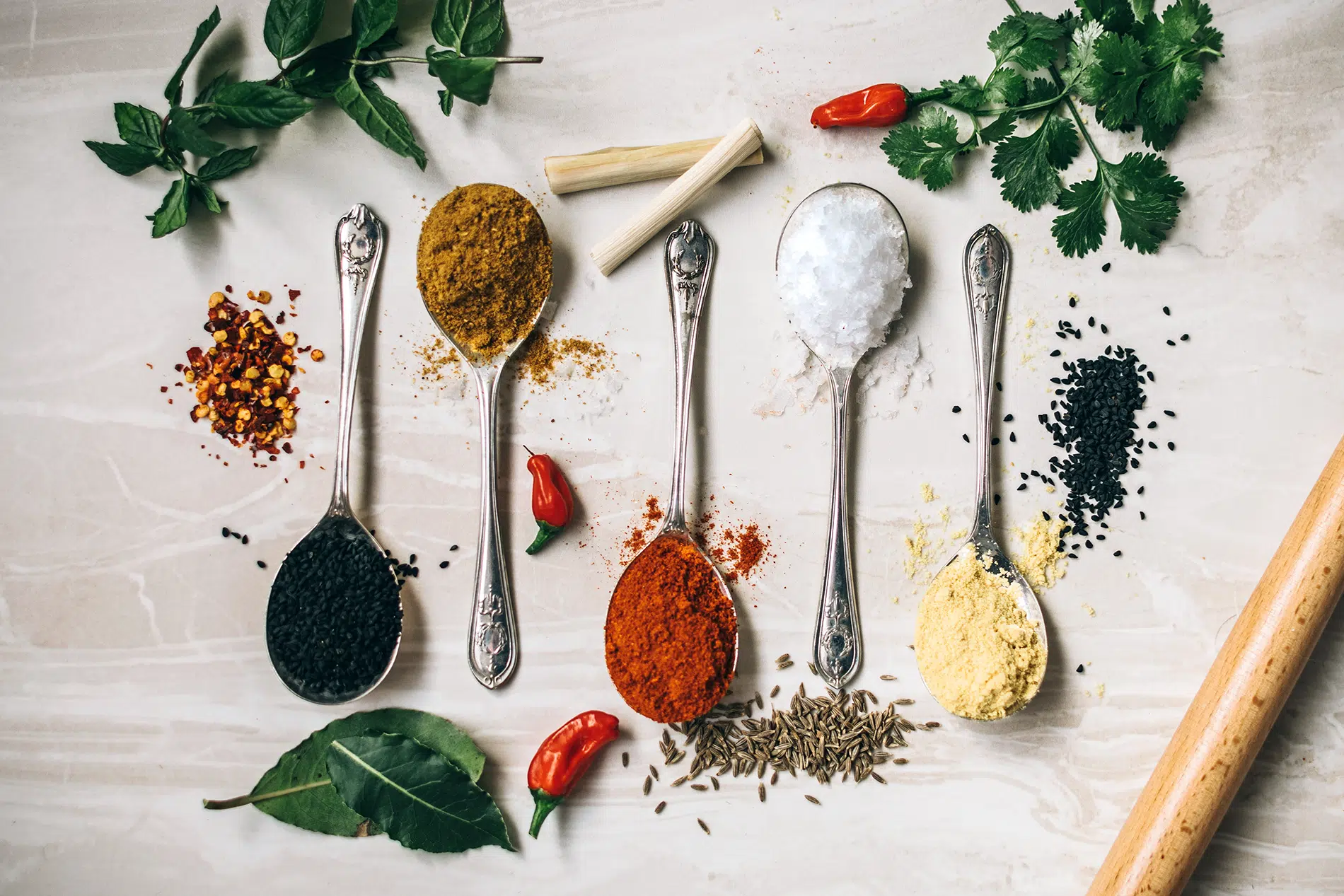
Herbs and spices do more than add flavor to your meals. They can also support digestion and improve your daily diet. From fresh ginger to ground cinnamon, these kitchen staples offer useful plant compounds. Adding them to your meals is a simple way to support gut health and overall wellness.
Understanding the Gut Microbiome
Your gut contains trillions of tiny organisms called microbes. Together, they form the gut microbiome. These microbes help break down food, support the immune system, and keep the gut healthy. A diverse mix of helpful bacteria plays an important role in this process.
Herbs and spices contain plant compounds called polyphenols. These compounds may help feed beneficial gut bacteria and support a healthy balance of microbes. Eating a wide range of plant foods can help your gut thrive. Adding different seasonings to your meals is an easy place to start.
You do not need to change your entire diet at once. Small steps, such as adding fresh herbs to soups or cinnamon to oatmeal, can help you build healthy habits over time.
Easing Digestive Discomfort
Some herbs and spices may help ease common digestive problems. Ginger is a good example. It contains gingerol, a natural compound that may help the stomach empty faster. This can ease nausea and some forms of digestive discomfort.
Peppermint may also help soothe the digestive tract. Its natural oils can relax the muscles in the gut. For some people, this may reduce bloating and stomach cramps. However, peppermint can make acid reflux worse in certain cases.
Try adding fresh ginger to tea or grated ginger to soups and stir-fries. You can also use fresh peppermint leaves in warm drinks. These simple options add flavor while supporting digestive comfort. You can incorporate balanced meals for gut health to help these natural components support your internal ecosystem effectively. Making small choices during meal preparation helps build better habits for your long-term routine.
Promoting Microbiome Diversity
Eating a variety of herbs and spices may help support a diverse gut microbiome. Each plant contains a different mix of natural compounds. Using different seasonings throughout the week gives your diet more variety.
Try adding parsley to salads, turmeric to rice, or oregano to roasted vegetables. You can also mix spices to create new flavors. These small changes make everyday meals more interesting and may support gut health.
You do not need costly supplements to get started. Common kitchen seasonings can be part of a balanced diet.
Supporting the Intestinal Barrier
The intestinal lining helps your body absorb nutrients while keeping harmful substances out. Keeping this barrier healthy is important for good digestion and overall health.
Turmeric contains curcumin, a compound that has been studied for its effects on inflammation. Early research suggests it may support gut health, but more studies are needed. Using turmeric in food adds flavor, though normal cooking amounts should not be viewed as a treatment for gut conditions.
Regular meals with vegetables, whole grains, fruit, and herbs can help support a healthy digestive system.
Final Thoughts
Start with small changes and try new flavors each week. Pair herbs and spices with a balanced diet, plenty of fiber, and enough water. These habits can help support a healthier gut and better overall well-being. Make sure to check out the rest of our articles!