Walking into a freezing house can be frustrating. A system failing to distribute warm air requires immediate attention to restore comfort. Many homeowners panic when their climate control stops working mid-winter.
Taking a deep breath helps you approach the situation calmly. A little basic knowledge goes a long way toward finding a quick fix. You can identify the root cause of most climate control problems with simple observations. Knowing what to look for saves time and money.
Basic Checks for Heating Issues
Before calling a technician, you must inspect your thermostat settings. Many people click for heat pumps in Aurora, CO to find local experts, but a flipped breaker might be the only culprit. Checking the electrical panel takes just a few seconds and saves a service fee.
Sometimes, the thermostat loses connection to the main unit. Swapping out dead batteries often restores full functionality right away. Verifying the switch is set to “heat” rather than “fan only” is another quick step.
Recognizing Airflow Restrictions
A blocked vent creates massive strain on your entire home heating setup. Furniture or rugs placed over registers block the path of circulating air. Moving those items out of the way lets the system breathe properly.
A dirty filter represents another major hurdle for steady air distribution. Blocked air circulation forces the equipment to turn off or ice over as a safety precaution. Changing a filter costs less than $20 and provides immediate relief for struggling blowers.
Internal Component Failures
Digging deeper into heat pump failure troubleshooting reveals several mechanical suspects. A unit might sound like it is running, but no air pushes through the ducts. This scenario points straight to internal part breakdowns.
Units can reduce performance or turn off completely when parts like reversing valves, compressors, or capacitors break down. Identifying the exact faulty piece requires a multimeter and electrical knowledge. Most DIYers should stop here and call a licensed technician.
When facing a heat pump not working properly, a professional will check multiple areas. They run diagnostics on the entire circuit board to pinpoint the fault. Your repair plan might include:
- Testing the run capacitor for proper voltage storage
- Checking the reversing valve for sticking or electrical failure
- Measuring the refrigerant levels to rule out a hidden leak
- Inspecting the blower motor for worn bearings or burnt wires
These tests provide a clear roadmap to fix stopped heat pump systems safely.
Strategies for Heat Pump Heating Issues
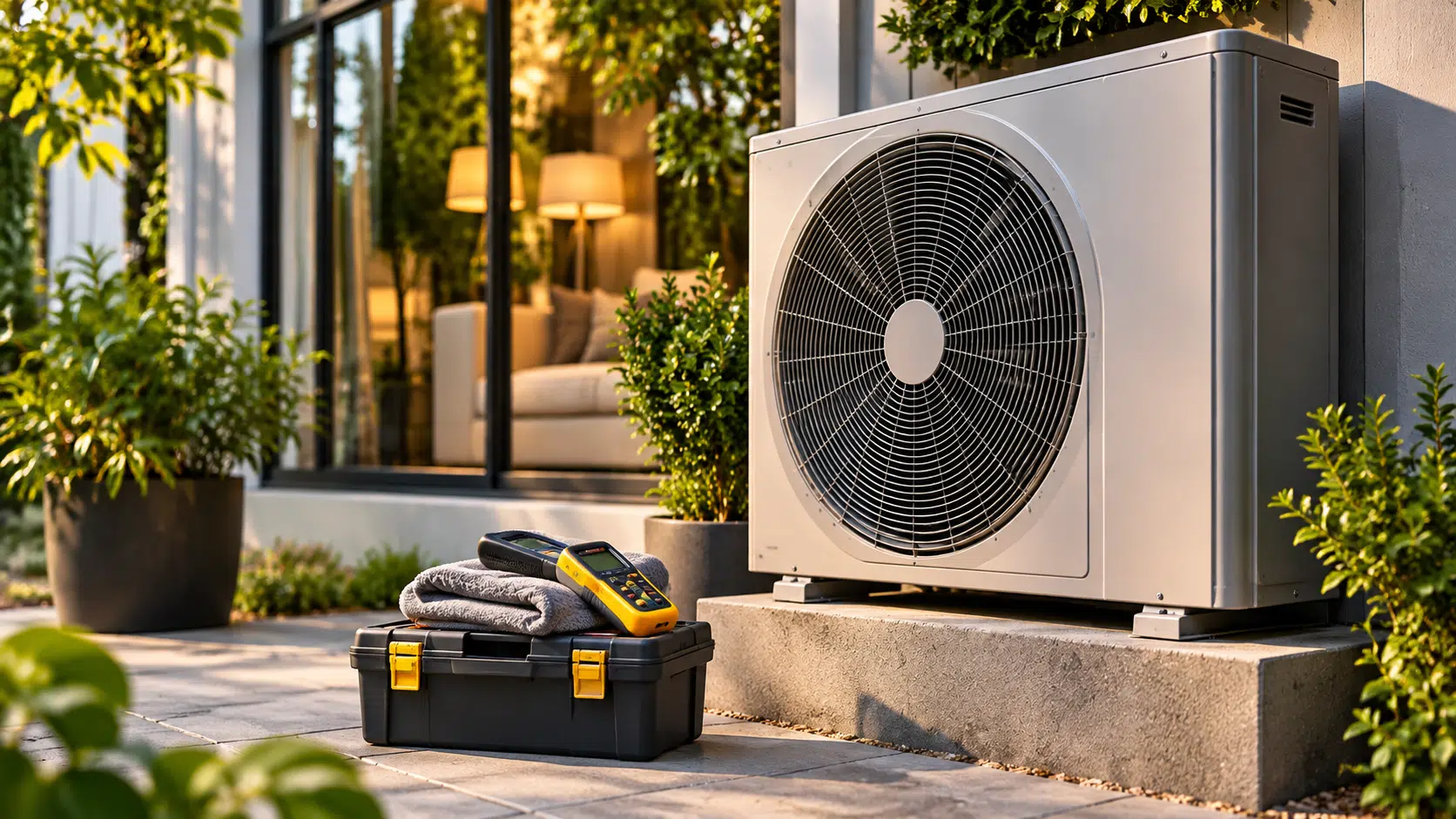
Following basic heat pump repair tips requires patience and a methodical approach. Tackling heat pump heating issues starts at the outdoor condenser unit to see if ice is forming on the coils.
Clearing away snow drifts or fallen leaves provides the outdoor fan with unobstructed air intake. A blocked fan motor works twice as hard and burns out much faster than normal. Gentle cleaning with a garden hose removes caked dirt from the delicate fins.
If your system is over 15 years old, a replacement makes more financial sense than a massive repair bill. Modern units offer vastly superior energy efficiency ratings compared to older models. Upgrading might cost more upfront, but the monthly utility savings quickly add up.
Protect Your Climate System With Regular Professional Care
Recognizing when to call a professional protects your warranty and keeps your family safe. Regular maintenance remains the best defense against freezing nights and costly emergency repairs. If you want to learn more, our website has it all.