
In a city like New York, where long workdays, crowded commutes, and busy schedules are part of everyday life, skincare often becomes something people try to squeeze in between everything else. When acne shows up, the natural response is to do more—buy another cleanser, add another treatment, or scrub a little harder. Unfortunately, those efforts can sometimes make breakouts worse.
Many people assume that persistent acne means they haven’t found the right product yet. In reality, the issue may come from habits that seem helpful but quietly irritate the skin. A routine filled with common mistakes can leave skin inflamed, sensitive, and more prone to recurring breakouts. Understanding these habits is often the first step toward clearer skin. Before investing in another product, it helps to look at whether your current routine is helping your skin recover or keeping it stuck in the same cycle.
Hidden Triggers in Everyday Products
Many people focus entirely on skincare products while overlooking other items that come into contact with their skin every day. Hair products, makeup, sunscreen, workout gear, and even pillowcases can influence acne.
Heavy styling creams and oils may transfer from the hairline onto the forehead. Some makeup products contain ingredients that feel rich and comfortable but may not suit acne-prone skin. Sweat trapped under hats, helmets, or tight clothing can also contribute to clogged pores in certain areas.
Looking at breakout patterns can provide useful clues. Forehead acne may relate to hair products, while breakouts around the cheeks could be connected to makeup brushes, pillowcases, or frequently used phones. Sometimes small adjustments outside a skincare routine lead to noticeable improvements in skin clarity. If these changes do not help and breakouts continue, it may be worth exploring professional acne treatment in NYC to identify less obvious triggers and create a more targeted treatment plan.
Why Rough Scrubs Often Backfire
Many acne sufferers reach for gritty scrubs because they want smoother skin and faster results. The idea sounds appealing. If clogged pores contribute to acne, scrubbing harder should clear them out. Skin does not work that way.
Physical scrubs can create tiny areas of irritation on the skin’s surface, especially when breakouts are already inflamed. Active pimples become more sensitive when they are rubbed repeatedly. This irritation can lead to increased redness and discomfort, making acne look more noticeable.
Another issue is that many people use scrubs several times a week while also using acne treatments. That combination can overwhelm the skin. Gentle chemical exfoliants recommended by skincare professionals often provide a more controlled way to remove dead skin cells. The goal is to support healthy skin turnover without creating unnecessary irritation that can make acne harder to manage.
The Problem with Product Overload
Social media has made skincare routines increasingly complicated. It is common to see routines that involve multiple serums, acids, spot treatments, masks, and prescription products all used within the same week. While each product may have potential benefits, combining too many active ingredients can create problems.
Skin reacts poorly when it is exposed to more treatment than it can comfortably handle. Redness, peeling, burning, and increased sensitivity often follow. Many people mistake these reactions for signs that products are working, when they may actually indicate irritation.
A simpler routine often produces better results. Introducing one active ingredient at a time allows you to see how your skin responds. It also helps identify products that may be causing problems. Acne treatment works best when products support each other instead of competing for space in an already crowded routine.
When Oily Skin Still Needs Moisture
One of the most common misconceptions about acne is that moisturizer should be avoided. People with oily skin often worry that adding moisture will make their breakouts worse. As a result, they focus heavily on products designed to dry out blemishes.
Drying the skin too aggressively can create new problems. When the skin becomes dehydrated, it may feel uncomfortable and look dull. Some people also notice increased oiliness because their skin is trying to compensate for the lack of moisture.
A lightweight, non-comedogenic moisturizer helps maintain the skin barrier and supports recovery from acne treatments. Ingredients such as glycerin, ceramides, and hyaluronic acid can help the skin stay hydrated without feeling heavy. Moisturized skin generally tolerates acne treatments better and recovers more efficiently from irritation. Skipping moisturizer may seem like a shortcut, but it often makes acne management more difficult over time.
The Habit of Touching Your Face
Many people touch their faces throughout the day without realizing it. Resting your chin on your hand during work, rubbing your forehead while thinking, or checking a pimple in the mirror several times a day can all affect acne-prone skin.
Your hands come into contact with phones, keyboards, door handles, and countless other surfaces. Each touch transfers oil, dirt, and bacteria onto the skin. While touching alone does not directly cause acne, it can increase irritation and make existing breakouts look worse.
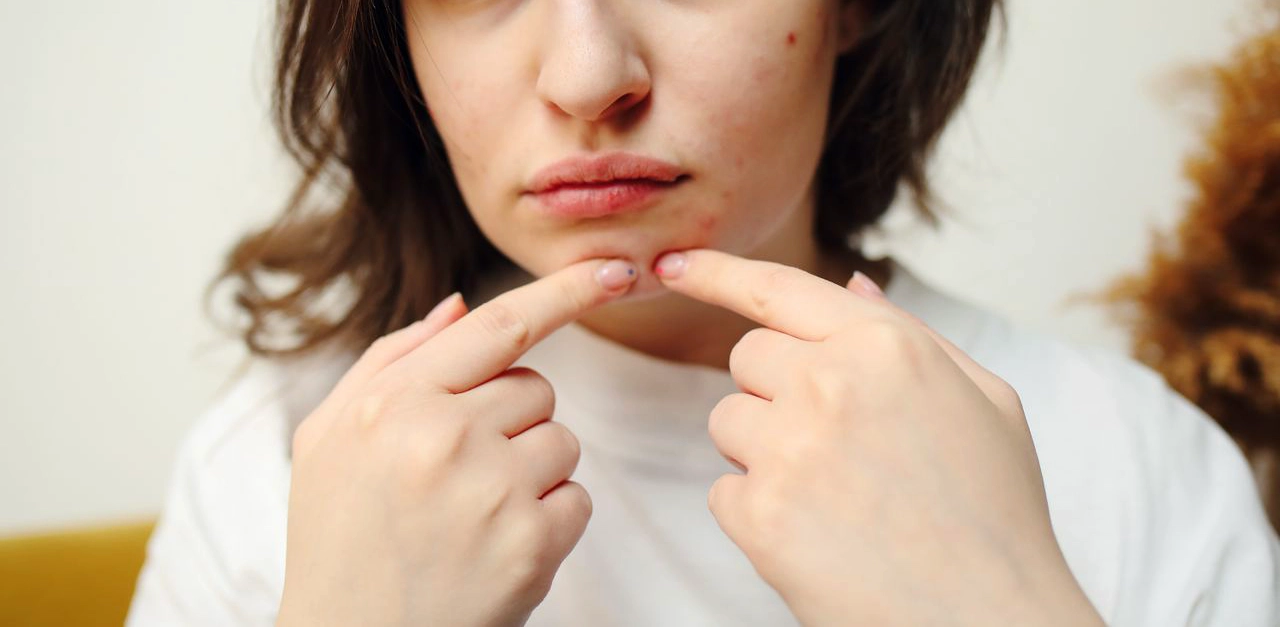
Picking creates an even bigger problem. Squeezing pimples can push debris deeper into the pore and increase inflammation. Healing often takes longer, and the risk of post-acne marks rises significantly. Leaving blemishes alone gives skin the best chance to recover with minimal damage.
Protecting the Skin Barrier Every Day
The skin barrier acts as the outer layer that helps retain moisture and protects against irritation from the environment. Many acne sufferers accidentally damage this barrier by using too many strong products at once or applying treatments too frequently.
When the barrier becomes compromised, the skin may sting after cleansing, feel unusually tight, or become red and sensitive. Acne treatments can also become harder to tolerate. People often respond by adding more products, which creates additional irritation.
Supporting the skin barrier does not require an elaborate routine. A gentle cleanser, an appropriate moisturizer, and carefully selected acne treatments are often enough. Healthy skin tends to recover faster and respond more consistently to treatment. Maintaining barrier health creates a stronger foundation for long-term acne management.
Acne can be stubborn, and many people assume that stronger products or more aggressive routines will solve the problem. In reality, some of the most common skincare habits can keep breakouts going longer than necessary. Over-cleansing, over-exfoliating, switching products too often, and ignoring skin barrier health can all work against your progress.
The good news is that these mistakes are often easy to correct once you recognize them. A thoughtful routine built around consistency, patience, and products that match your skin’s needs usually delivers better results than constantly chasing quick fixes. When acne continues despite your best efforts, professional guidance can help you understand what is driving your breakouts and create a plan that supports healthier skin over time.


