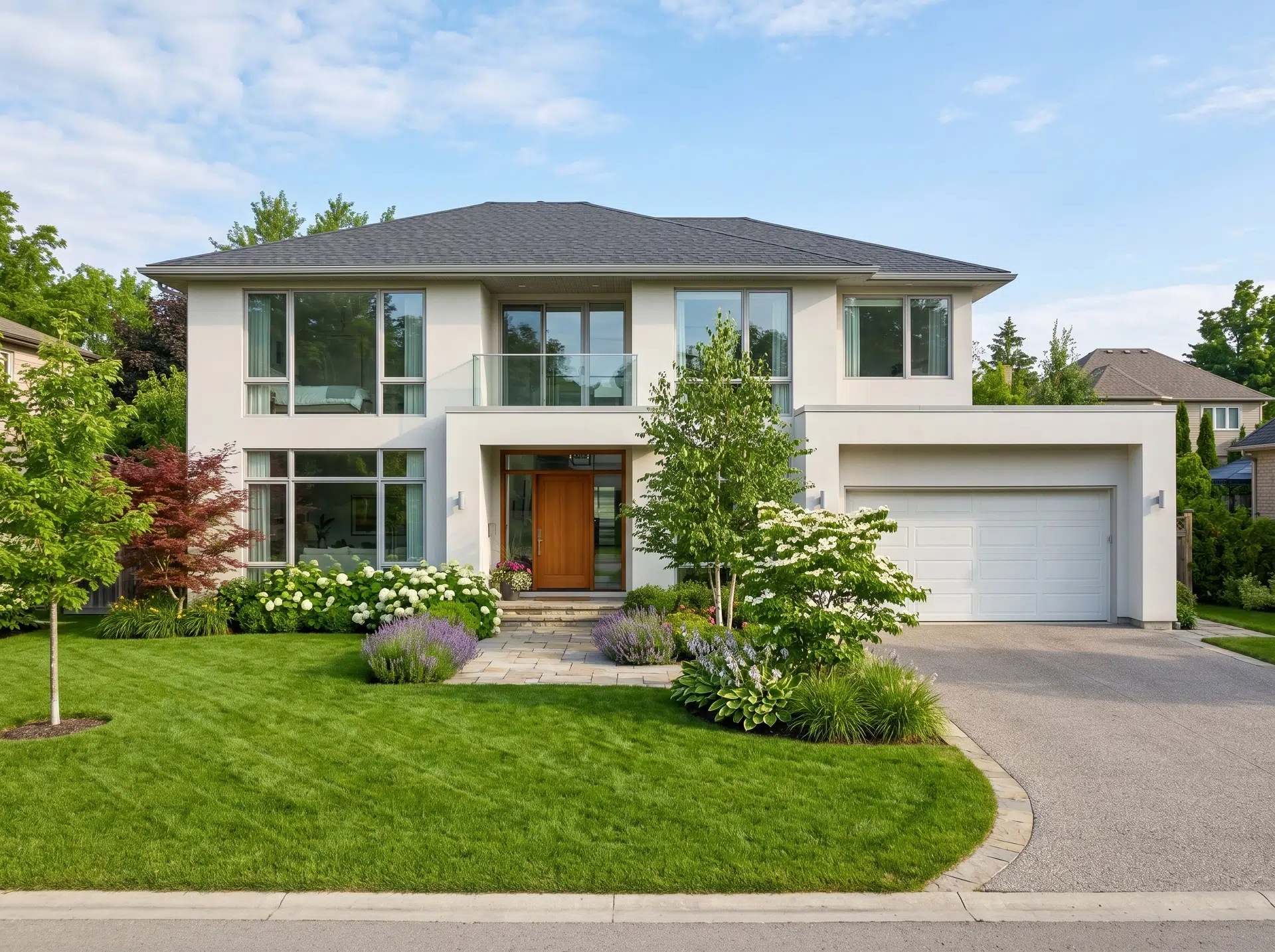
Money rates, market shifts, and local jobs shape house values. Buying or selling a home means tracking key trends. When borrowing costs change, buyer budgets move fast.
Smart buyers watch trends to make good choices. Knowing what drives prices helps you plan your next move with confidence.
Interest Rates Drive Buyer Purchasing Power
Missouri house markets keep adjusting to changing sales and budgets. Many local owners track price shifts to spot sales patterns trending for 2026-2027 before listing homes. Staying informed on regional shifts helps sellers set accurate asking prices.
Mortgage rates dictate how much a home a family can afford each month. Higher interest payments shrink buyer funds quickly. Lower interest rates create fresh buying power for home shoppers in every price range. Small rate drops make homes far more affordable for local buyers. Clear pricing options help buyers make firm offers.
Global and National Investment Trends
Big money markets show clear growth across main property sectors. Global real estate investment plans show a 15% rise in 2026. Strong commercial activity builds market confidence across local neighborhoods. Steady property values encourage more buyers to enter.
National sales reflect this strong upward movement as large funds buy property spaces. Investment activity stays on track for a 16% yearly increase to roughly $605 billion. Strong market funding gives solid backing to home values across the nation. Growing big fund backing helps stabilize local house prices.
Renovation and Home Upgrade Demands
Homeowners frequently choose remodeling over moving when available housing stock stays tight. Stored-up buyer interest stays a top driver for home fixes in top neighborhoods. Owners focus on projects that add daily comfort and long-term cash value.
- 40% of homeowners say they have the free time needed for home work.
- 36% of property owners report having the cash reserves required for major fixes.
- Updated kitchens and baths deliver strong cash returns during home sales.
Updating current spaces helps owners build home value without fighting competitive bidding battles. Smart repair work positions houses to command high offers when entering the sales market. Upgraded features draw quick interest from motivated home shoppers. Simple home upgrades make daily living far more pleasant for your family.
Local Employment and Inflation Impacts
Local job growth directly impacts house demand and local neighborhood price levels. Steady paychecks give buyers strong power when placing offers on available family homes. Healthy hiring keeps housing demand strong across local towns. New job openings bring new residents seeking quality housing.
Inflation raises building costs for new houses and routine home care. High material costs slow down new construction projects, keeping existing house supply tight. Low housing inventory protects home values for current owners. Sellers benefit when buyer competition stays high. Strong buyer activity creates favorable market conditions.
Navigating Your Next Real Estate Move
Knowing money patterns helps owners pick the right time to sell or buy. Watch local rates, market trends, and repair demand to guide your goals. Good information leads to better outcomes in any market.
Review your local housing choices and plan your next step. Talk to local real estate experts about your plans and goals. They can give you specific advice for your neighborhood and budget. Do not rush into a decision without looking at all your options first.
If you’d like to learn more, check out more articles on our blog.