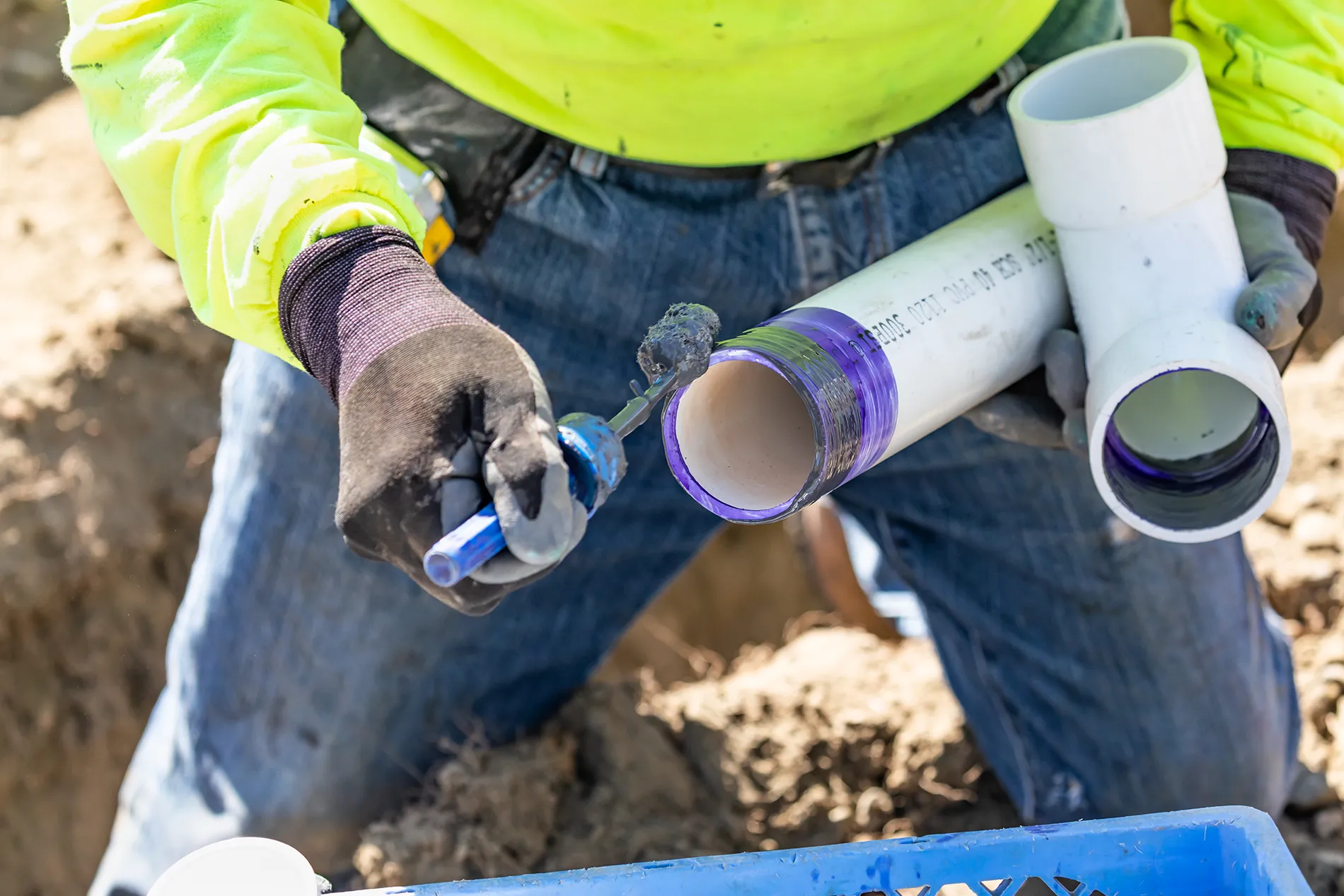
Water systems do not fail in a dramatic fashion at first. They test limits quietly. A faint drop in pressure here, a slight change in flow there. Then momentum builds, and small faults demand attention all at once. That is where water main replacement in Toronto, ON, becomes a decisive move, cutting off more serious damage before it spreads. Acting at the right time keeps disruption contained and restores a steady flow across every fixture without constant interruptions.
1. Pressure Shifts Signal Internal Strain Early
Pipes operate under steady force every day. When internal walls weaken, pressure stops behaving in a predictable way. Flow becomes uneven, taps lose strength, and sudden bursts of force appear without warning. This is not random behavior. It is a system under stress. Cracks inside pipes begin small, but pressure forces them wider over time. Each cycle of use pushes the structure closer to failure. Replacing a compromised main line removes that instability. It restores balance, allowing water to move without resistance or sudden fluctuation. Once pressure stabilizes, the entire system begins to function with far greater consistency.
2. Water Appearance Reveals Hidden Damage
Water should look clean and stable. When it starts showing discoloration, something deeper is happening. Rust, sediment, and internal decay begin to mix into the supply as pipe walls break down. This process builds slowly. First signs may appear faint, then grow stronger as corrosion spreads. Ignoring this shift allows damage to continue inside pipes where it cannot be seen directly. Upgrading the main line removes the source of contamination. Instead of masking symptoms, it resets the condition of the supply line itself. Clean flow returns, and long-term risk drops significantly.
3. Aging Infrastructure Cannot Match Current Demand
Pipes designed for past demand now face heavier loads, causing leaks, weak pressure, and uneven flow. Small repairs may offer short-term relief, but underlying strain continues. Opting for water heater installation in Toronto, ON, strengthens system performance. When both components operate in harmony, pressure stabilizes, water flow improves, and the system runs efficiently. Daily usage becomes consistent, disruptions drop, and the setup is prepared to handle demands without ongoing surprises.
4. Surface Warnings Should Never Be Ignored
Underground damage rarely stays hidden forever. It starts leaving marks above ground. Damp soil, unexpected pooling, or cracks near structures point toward failing lines beneath. Inside the property, warning signs may include rising water usage or repeated plumbing disturbances. These are not minor inconveniences. They signal water escaping before reaching intended outlets. Addressing the root cause stops this loss. Replacing the main line prevents further spread and protects the surrounding structure from the long-term impact that becomes harder to fix over time.
5. Delay Turns Manageable Issues Into Full Disruption
Time is not neutral in plumbing systems. Every delay allows damage to expand. Small fractures grow, pressure increases, and failure becomes more likely with each passing day. At some point, the system stops cooperating. Pipes burst, water flow halts, and the daily routine faces sudden disruption. These moments do not arrive without warning; they build from ignored signals. Planned replacement avoids that chaos. It shifts control back into a structured process instead of reacting to an emergency. System regains stability, and future risks are reduced significantly.
Water lines form the backbone of any property’s plumbing system. When they weaken, early signals appear through pressure shifts, water quality changes, and visible surface signs. Ignoring those signals allows damage to expand into larger disruptions. Acting at the right stage keeps everything under control and restores steady performance. A strong main line supports consistent flow, protects structure, and removes repeated issues that interrupt daily use. With proper attention, the system returns to a stable state that works without constant interference.
Everest Drain&Plumbing handles critical pipe issues with precision and focus. Their team works with intent, addressing root problems instead of surface fixes. Call 416-383-7378 to get service that restores flow, strengthens system performance, and keeps everything operating without repeated breakdowns.
FAQs
- What signs show a main water line problem in Toronto, ON?
In Toronto, ON, signs include reduced pressure, discolored water, damp outdoor patches, and rising water usage. These indicate internal pipe damage that requires attention before conditions worsen.
- How disruptive is the main water line replacement?
Process depends on system condition and layout. Most projects follow a planned approach, limiting downtime while restoring full functionality within a short period.