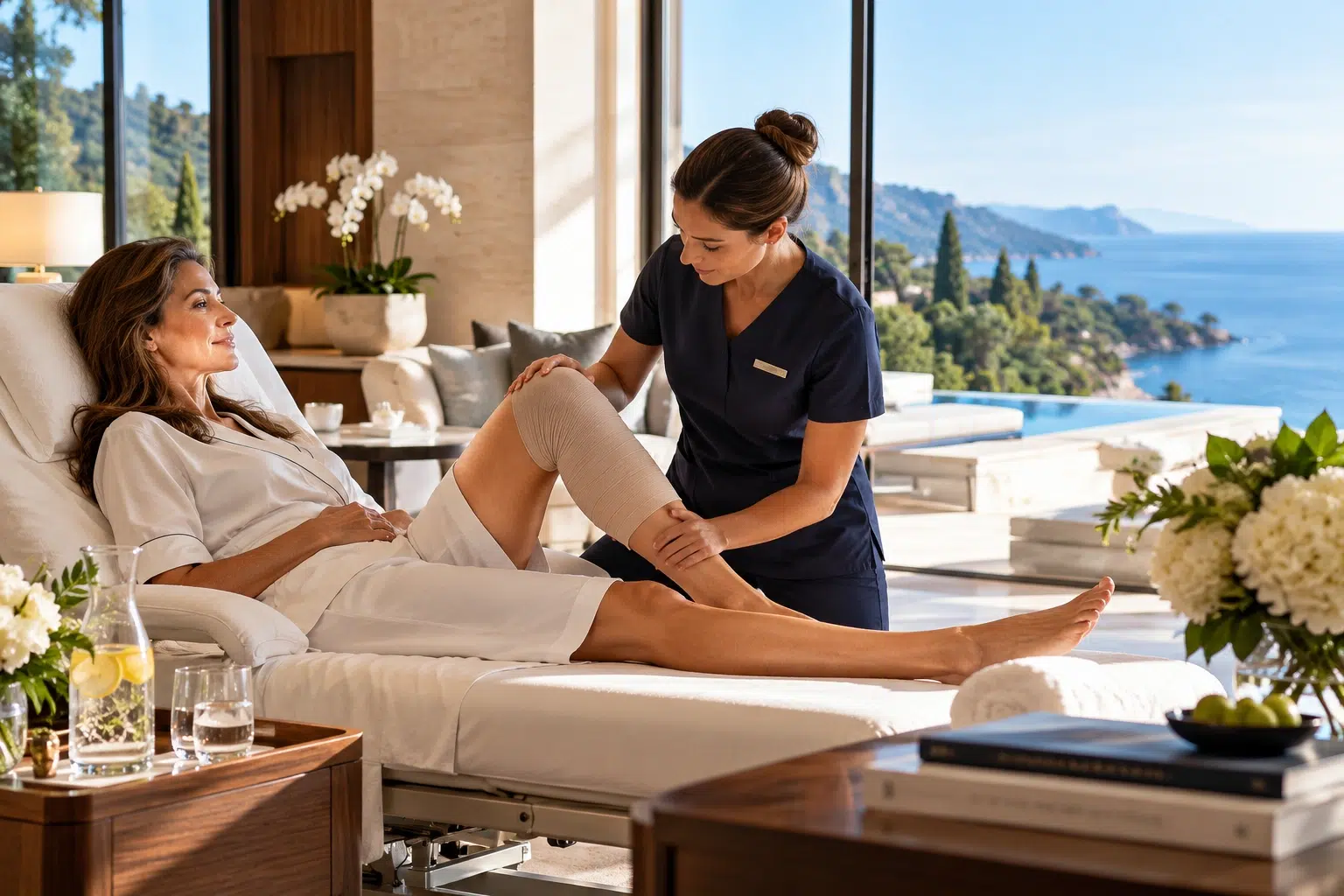
Leaving the hospital is an important milestone after surgery, but it is not always the end of the recovery process. Many people still need help rebuilding strength, restoring movement, managing day-to-day activities, and following the rehabilitation recommendations provided by their clinical team.
For some patients, recovering at home is straightforward. For others, the transition can feel demanding, particularly when regular physiotherapy, nursing oversight, or a carefully structured routine is required. Private rehabilitation can provide an intermediate environment focused on recovery, comfort, and coordinated support.
Recovery Needs Are Highly Individual
Two people can undergo similar procedures and have very different rehabilitation requirements. Age, general health, mobility before surgery, the type of procedure, and the recommendations of the surgical team can all influence the next stage of recovery.
A high-quality rehabilitation programme therefore begins with assessment rather than assumptions. The team needs to understand the person’s medical history, current mobility, practical needs and short- and long-term goals.
The most useful plan is one that can change. Progress after surgery is not always perfectly linear, so rehabilitation should be reviewed and adjusted as strength, confidence and independence improve.
Clinical Coordination Matters
Rehabilitation works best when the different parts of care support one another. Physiotherapy, nursing input, pain management, mobility practice and everyday activities should not feel like unrelated services.
A coordinated approach helps everyone work toward the same goals. Physiotherapists can focus on movement and strength, nursing staff can provide appropriate oversight and the wider team can support safe routines throughout the day.
The 1150 Club describes a multidisciplinary model that can include one-to-one physiotherapy, 24-hour nursing support, hydrotherapy and tailored recovery planning in its Belgravia setting. This type of coordination is particularly relevant when a person is moving from hospital care toward greater independence.
Why Environment Can Influence the Recovery Experience
Clinical expertise is central to rehabilitation, but the physical environment also matters. Recovery can involve fatigue, interrupted sleep, reduced mobility, and a temporary loss of independence. A calm, well-designed setting can make daily routines easier and more comfortable.
Private rooms, accessible spaces, appropriate equipment and convenient treatment areas reduce the need for unnecessary movement or complicated travel between appointments.
This is one reason people exploring Luxury rehabilitation in London may look beyond the treatment schedule itself and consider how accommodation, clinical support and therapy are integrated into the same environment.
Physiotherapy Should Be Goal-Led
Post-operative physiotherapy is most useful when it is linked to meaningful goals. Depending on the procedure, those goals may include walking more comfortably, improving range of motion, increasing strength or returning to everyday activities with greater confidence.
A programme should be shaped by the individual’s procedure and the guidance of their treating clinicians. Exercises can then be progressed as appropriate rather than following a rigid timetable.
One-to-one sessions also give the therapist an opportunity to observe how the person is responding and make adjustments. That individual attention can be especially valuable in the early stages of recovery.
Hydrotherapy Can Provide Another Rehabilitation Setting
Water-based exercise is sometimes used as part of rehabilitation because buoyancy can reduce the amount of body weight passing through joints during movement. Under professional supervision, this can create another way to practise controlled movement and build confidence.
Hydrotherapy is not suitable for every person or every stage of recovery, so it should be used according to clinical guidance. When appropriate, it can sit alongside land-based physiotherapy rather than replacing it.
Facilities that have specialist hydrotherapy equipment on site can incorporate these sessions into a broader rehabilitation schedule without requiring additional travel.
Nursing Support Adds Continuity
Some people leaving hospital still require help with medication routines, wound care, monitoring or personal support. Access to qualified nursing staff can provide continuity during this transition.
The level of nursing input should reflect the individual’s needs. Some people may require frequent support, while others mainly benefit from knowing assistance is available if required.
This ongoing observation can also help the rehabilitation team recognise changes that may need discussion with the person’s medical professionals.
Hospitality Should Support, Not Distract From, Recovery
A premium rehabilitation environment may offer high levels of comfort, privacy and hospitality, but these features should support the clinical purpose of the stay.
Nutritious meals, comfortable accommodation, and help with day-to-day needs can reduce practical distractions while someone is recovering. The goal is to make it easier for the person to focus on therapy, rest, and gradual progress.
This balance between clinical care and personal comfort is one of the features that distinguishes a dedicated private rehabilitation setting from trying to coordinate multiple services independently at home.
Bespoke Planning Is More Than a Personalised Schedule
The phrase Bespoke recovery plans after surgery or injury should mean more than choosing appointment times. A genuinely individual plan considers the procedure, medical background, mobility, pain, personal goals, and recommendations from the treating team.
It should also identify practical milestones. These might involve moving safely around a room, using stairs where appropriate, managing daily tasks, or preparing for the transition home.
Regular reassessment is important because the plan should evolve with the person rather than forcing progress into a fixed template.
Preparing for the Next Stage
Good rehabilitation has a destination. Whether the next step is returning home, continuing outpatient therapy or resuming more independent activity, the programme should prepare the person for what comes next.
That can include practising relevant movements, building confidence with daily tasks and making sure follow-up plans are clear. The transition should feel planned rather than abrupt.
Private rehabilitation is ultimately about creating the conditions for safe, structured progress. The strongest programmes combine clinical expertise, individual planning, appropriate facilities and a supportive environment while remaining closely aligned with the advice of the person’s medical team.
Before choosing a rehabilitation setting, patients and families may also want to ask practical questions about how care is coordinated. Who leads the rehabilitation plan? How often is progress reviewed? What nursing support is available, and how are changes communicated to the consultant or surgical team when necessary? It can also be useful to understand what equipment is available, how therapy is scheduled, and how discharge planning is handled.
These questions help distinguish a genuinely integrated rehabilitation programme from a collection of separate services. A premium environment can make the experience more comfortable, but the quality of planning, communication, and clinical oversight remains central. The ideal setting should make it easy for the individual to understand the purpose of each stage of rehabilitation and how it contributes to greater independence.