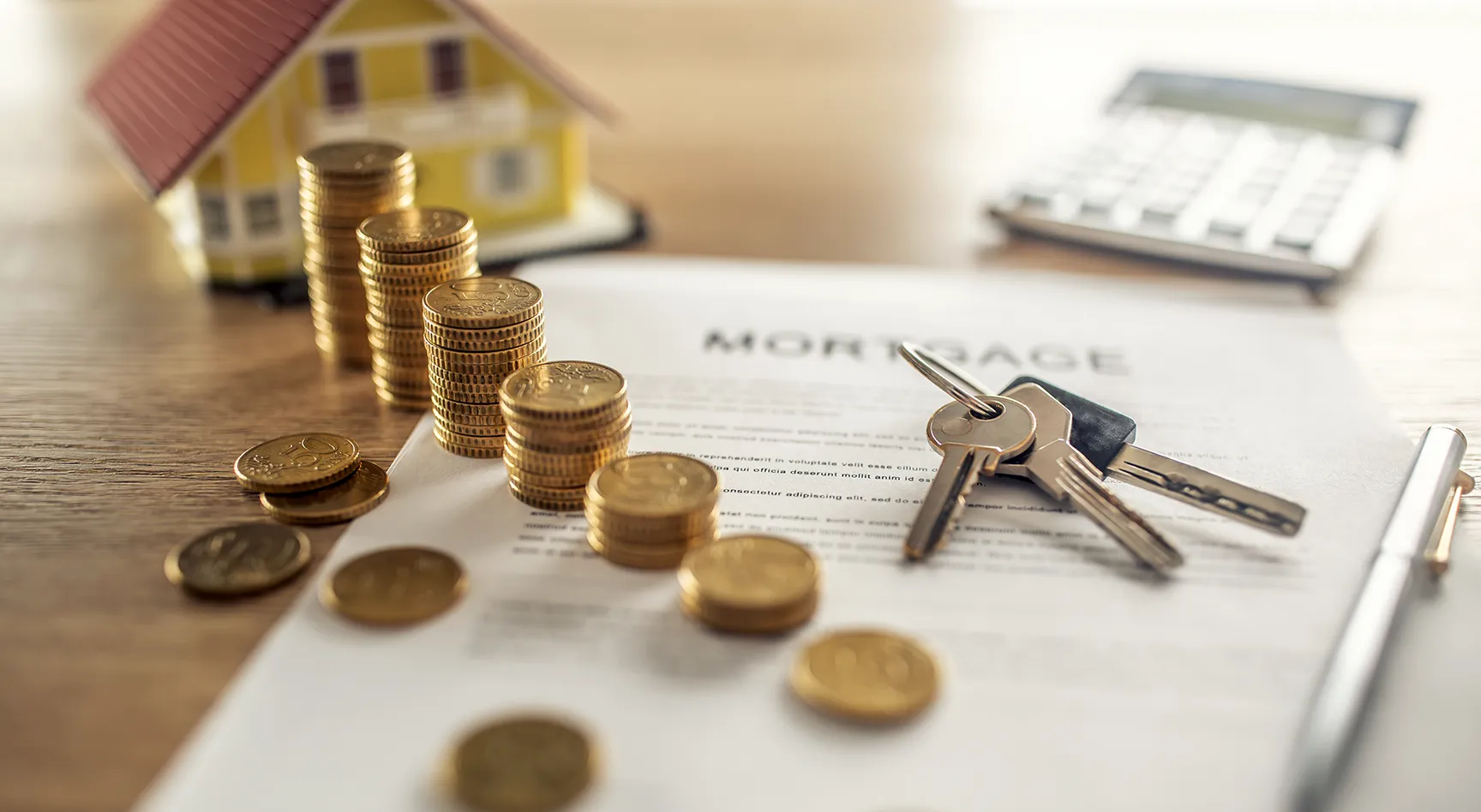
Getting approved is a major milestone in the homebuying journey, but it is not the final step. Once you receive approval, the process shifts from qualification to closing. Understanding what comes next can help you stay organized and avoid delays with mortgage loans from PNC Bank or elsewhere.
Reviewing Your Loan Details
After approval, you will receive documentation outlining the terms of your loan. This includes your interest rate, monthly payment, loan term, and estimated closing costs. It is important to review these details carefully. Make sure everything aligns with what you expected during the application process. If anything is unclear, this is the time to ask questions and confirm your understanding before moving forward.
Locking In Your Interest Rate
If you have not already done so, you may have the option to lock in your interest rate. This protects you from potential rate increases while your loan moves toward closing.
Rate locks typically last for a set period, so timing is important. Ensuring that your closing stays on schedule helps prevent the need to extend your lock, which can sometimes involve additional costs.
Completing The Home Appraisal
Most lenders require a home appraisal to confirm the property’s value. This step ensures that the loan amount is appropriate based on current market conditions. If the appraisal comes in at or above the purchase price, the process moves forward as planned. If it comes in lower, you may need to renegotiate the purchase price, adjust your loan amount, or bring additional funds to closing.
Final Underwriting Review
Even after initial approval, your loan goes through a final underwriting check before closing. The lender verifies that there have been no significant changes to your financial situation.
During this time, it is important to avoid major financial moves, such as taking on new debt, changing jobs, or making large purchases. These actions can impact your loan eligibility and potentially delay or disrupt the closing process.
Securing Homeowners Insurance
Before closing, you will need to secure a homeowner’s insurance policy. This protects the property and is required by lenders as part of the loan agreement.
You will provide proof of insurance before closing, and the cost is typically included in your monthly mortgage payment through an escrow account.
Reviewing The Closing Disclosure
A few days before closing, you will receive a closing disclosure. This document provides a final breakdown of your loan terms, monthly payment, and all costs associated with the transaction. Comparing this document to your earlier loan estimate helps ensure there are no unexpected changes. Taking the time to review it carefully can prevent surprises on closing day.
Preparing For Closing Day
Closing is the final step in the process. During this meeting, you will sign all required documents to complete the purchase and finalize your loan.
You will also need to bring any required funds, typically in the form of a certified payment or wire transfer. Once everything is signed and processed, ownership of the property is officially transferred.
Receiving The Keys
After the closing is complete, you will receive the keys to your new home. This marks the transition from buyer to homeowner. At this point, your mortgage loan becomes active, and you will begin making payments according to the agreed-upon schedule.
Moving Forward With Confidence
Approval is an important step, but the final stages of the process require attention to detail and careful coordination. By understanding what happens next, you can navigate the closing process more smoothly.
A mortgage loan approval is the foundation, but following through on each step ensures a successful and timely transition into homeownership.