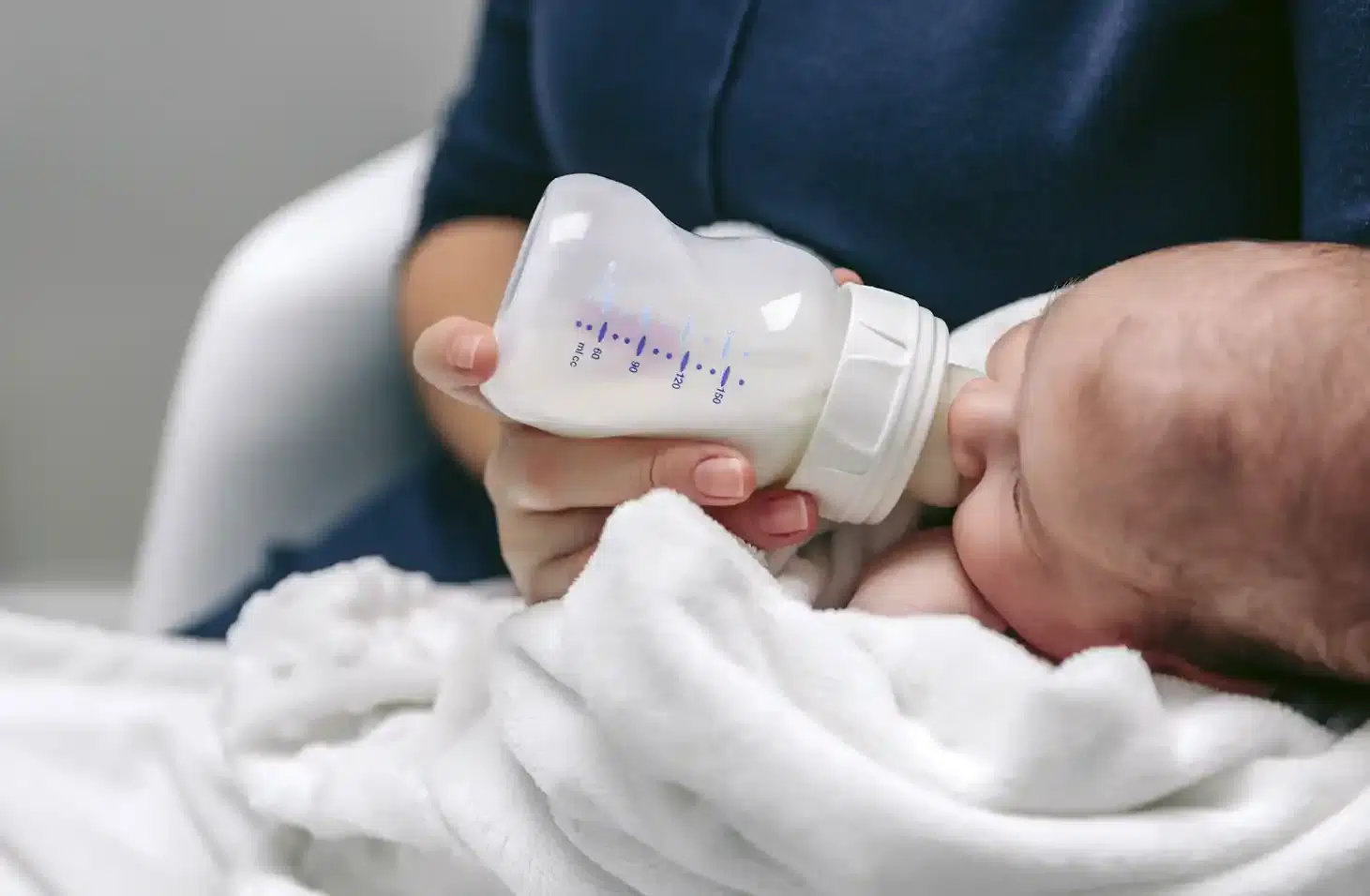
Parenting a baby is usually accompanied by numerous questions, particularly for new parents who want to do everything right. Among the most common issues is whether baby bottles should always be warmed before they are fed. The most common mistake that many parents make is that milk should be warmed to body temperature, especially when they are using refrigerated breast milk or ready-to-use formula. But the fact is that warming a baby bottle is normally something one likes and not something one has to do.
Do Babies Need Warm Bottles for Feeding
Under the majority of circumstances, babies do not really require warm bottles. It is safe to feed babies on breast milk or infant formula at room temperature, warm or even cold, whichever the baby prefers.
Breast milk flows naturally at nearly body temperature, and this is the reason why some babies get used to warm milk. Milk temperature is, however, more adaptable when suckling a bottle. Most babies adjust with ease to milk that has not been warmed, particularly when they are exposed to milk at an early age.
In the case of parents, the omission of the warming step can bring a number of benefits. It spares time during the night feeding process, and it also makes feeding the baby more convenient during traveling, so the baby does not need to wait until the milk is heated when they are already hungry. In case your baby does not warm-up to milk, you do not have a medical reason to heat it each time.
What Happens if You Don’t Warm Your Baby’s Bottle
Most babies can drink from a bottle served without any trouble if you do not warm it beforehand. Nevertheless, infants may act differently depending on their likes and eating patterns.
Other infants feed on cold milk or room temperature milk without any problems. They also eat in a normal manner and have no symptoms of uncomfortable feelings. Parents who start with cooler milk at an early age usually find that their babies start getting used to it within a short period.
Other babies can also be reluctant or reject the bottle if the milk is colder than they are accustomed to. Regularly-warmed baby milk is sometimes equated with the infant related to comfort, which makes them force the bottle away or fussy to a temperature that they are not accustomed to.
Can Babies Drink Cold Breast Milk or Formula
Babies can safely take cold breast milk or formula. Stored milk in the refrigerator does not even need to be warmed prior to feeding.
A lot of parents usually offer cold milk when they are in a hurry, at night or when they are on the road. The temperature is not a threat provided that the milk is stored and that it is prepared in a safe way.
When breast milk is chilled, it tends to separate with the fat floating on the top. The mixture of the milk can be re-uniformed by gently swirling the bottle prior to feeding.
Even when feeding off cold or room temperature milk, it is essential to consider some simple feeding safety measures. Bottles must be washed well, the prepared formula must be mixed as per directives, and the remaining milk of a feeding ought to be substituted, rather than being stored for future usage.
These safety measures are far more important than warm and cold milk.
Why Some Babies Prefer Warm Milk
Although it is not necessary to warm the milk, it is obvious that many babies like warm milk. This has to do with some reasons.
The familiarity is one of the major reasons. Breastfed babies are fed on milk that is directly breast milk at body temperature. Warm bottles are more comparable to the natural experience of feeding.
Warm milk also could be comforting. Babies tend to like it more, so at night, when being fed or when they are bored or exhausted. The cuddling can make them feel relaxed and can easily fall asleep after feeding.
The other reason is the shift from breastfeeding to bottle feeding. The adjusting babies may not have a problem with bottles since the milk temperature is the same as they are used to.
The fat in refrigerated breast milk segregates and forms a layer on the top. Minor warming may be effective to melt the milk back together, resulting in a less coarse consistency to feed.
Due to these facts, most mothers and fathers prefer to heat the bottle,s although it is not obligatory.
When Warming a Baby Bottle May Be Helpful
There are some cases when it is possible to make the process of feeding a baby easier or more comfortable by warming their bottle.
An example is that during the night feeding, warm milk can be used to calm the babies down and go to sleep faster.
The comfort of a well-known presence is relaxing in the late-night routines.
Babies who are leaving breastfeeding and going to bottle feeding might also take the warm milk more easily. The change can be less noticeable to the baby by matching the natural temperature of breast milk.
Directly refrigerator milk may sometimes be very cold. Heat somewhat will help babies not cause an abrupt refusal of the bottle because of the change in temperature.
Warming is also useful to parents who are feeding infants with poor stomachs or minor digestive pains.
Other parents also like to use bottle warmers such as the Momcozy Nutri Smart Analog Baby Bottle Warmer, which warms breast milk or formula to a safe feeding temperature without heating it too much or causing it to burn. Bottle warming machines can ease feeding habits and evenly warm food more than previous methods.
Safe Ways to Warm a Baby Bottle at Home
You should also make a decision to warm the bottle of your baby; however, it should be done safely. The improper heating of milk will produce hot spots or kill part of the nutritional content in breast milk.
The easiest way is to immerse the bottle in warm running water for a minute or two until the milk becomes comfortable.
The next alternative is putting the bottle in warm water. By placing the bottle to rest for a few minutes, one can have time to warm milk.
A baby bottle warmer is also commonly used by many parents since it warms milk evenly and does not need much supervision.
No matter how you do it, don’t forget to check the temperature of the milk and then put it in the baby’s bottle. Rock the bottle and apply some of the drops on your wrist. The milk must not be hot but rather warm.
Bottles must never be heated using a microwave. Microwaves have the ability to warm milk in an uneven manner and create some hot spots which can burnthe mouth or throat of a baby.
Final Thoughts
A baby does not need to have its bottle warmed in order to be safely fed. Babies can consume breast milk or formula in warm, room temperature, or even cold conditions The most significant one is that which your baby feels comfortable with.
The parents can also test their babies with varying temperatures that they find appropriate. Warming the bottle or not, serving it as it is, the purpose is always the same, and all you want is to keep your baby well-fed, comfortable and content during the feeding time.