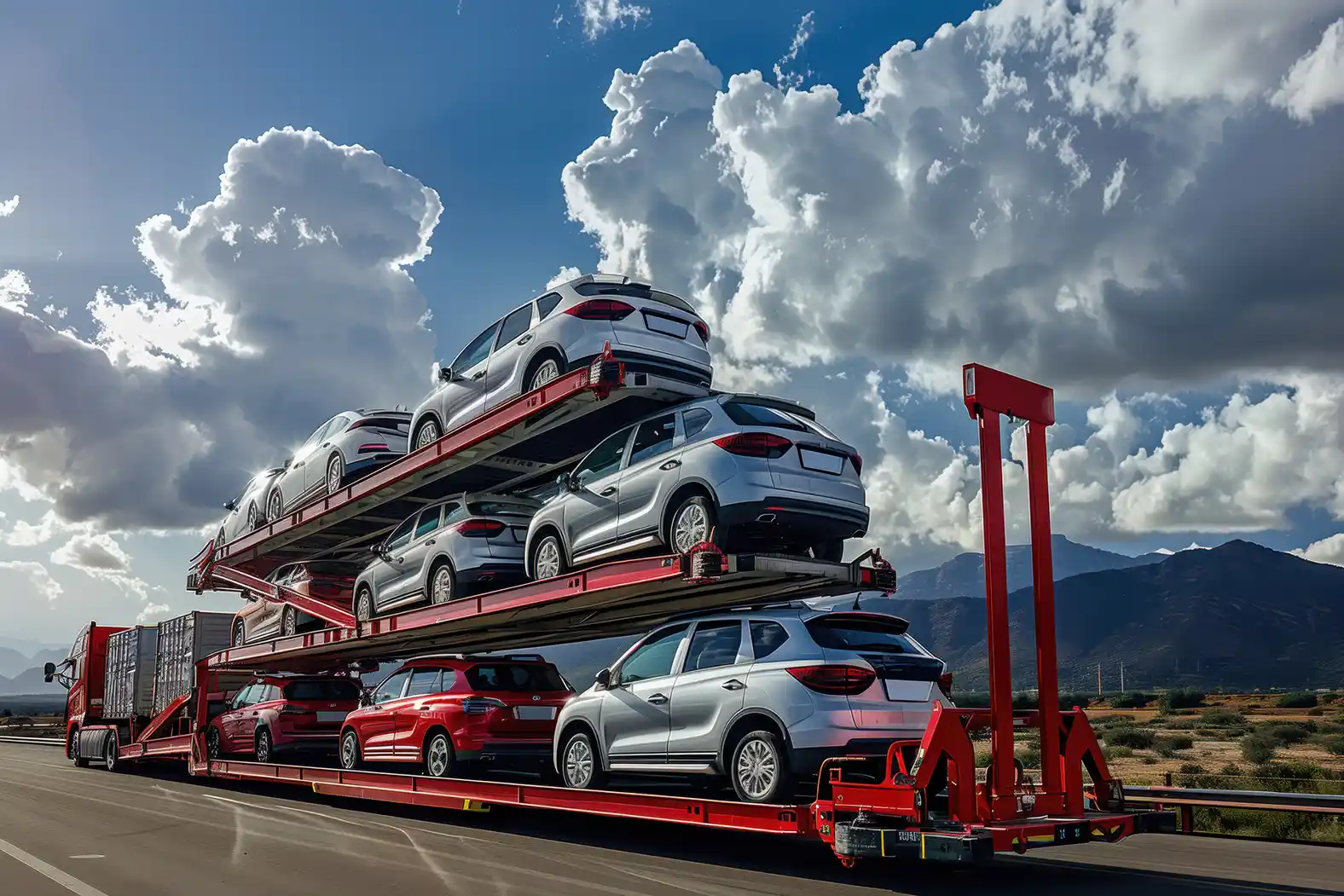
Transporting vehicles within a specific area requires more careful coordination than simply loading trucks with cars. Meticulous planning helps ensure that the vehicles arrive intact and within an acceptable budget. Delivery schedules and prices are subject to numerous influences. However, with a little foresight, customers can have reasonable expectations while also ensuring that they get the best price and the most reliable service.
Distance and Route Selection
The distance between pickup and drop-off points directly affects delivery times and cost. It is understood that when delivery distances are short, shipments will usually be faster and cheaper. Longer distances will consume more gas, driver time, and effort. Route selection also matters when looking for Denver car shipping services available in the area. Some routes have much less lag, while others can cause drivers to slow down for several hours because of traffic or inclement weather.
Seasonal Weather Changes
There is a clear impact of the climate on vehicle transport. Slippery roads due to rain, snow, or similar weather will result in delays and risk. Some months have more shipments than others, which creates backlogs. Extreme weather may necessitate redirecting, which can increase costs. To avoid complications and added fees, plan your shipments for a milder climate.
Demand and Availability
Peak periods, like holiday times or school reopenings, will generally see a price rise and fewer opportunities. Added orders lead to longer-than-usual wait times. With fewer carriers available, customers may have to wait days, sometimes even longer. Booking in advance during low-season times can also get you lower rates and speedier service.
Type of Vehicle Transported
The type of vehicle being shipped impacts both scheduling and cost. Regular sedans can be a simpler, low-cost option for transportation than larger (and more complicated) vehicles. This is because such cars might need specific equipment or more manpower to handle, leading to a higher cost. These vehicles can also take extra time in loading or unloading, which in turn makes transit longer.
Transport Method Chosen
Open and enclosed transport are two common options for customers. Open carriers can transport multiple cars at a time, reducing costs per vehicle and increasing departures up to twice a day. Open carriers are cost-effective and widely available, but they offer less protection from the elements than enclosed carriers, which are more expensive and not as readily found in some areas. Once it has been determined what protection is required, the method chosen determines the final price of transportation.
Pickup and Delivery Locations
The convenience and cost of transport depend on the pickup and delivery locations. Urban areas typically have a higher number of carriers, leading to faster scheduling and more competitive rates. In contrast, rural or remote regions often have limited truck availability, which can increase costs and extend delivery times. Meeting at a major city terminal can sometimes be a practical solution, as it can reduce both time and expenses.
Fuel Prices and Surcharges
Fuel price fluctuations affect car shipping quotes. As fuel prices continue to rise, transport companies often transfer these expenses to customers. Some routes or services may incur additional fees. Staying informed about fuel price trends and potential surcharges can aid in effective budgeting.
Carrier Reputation and Service Options
Cost and timeliness play a role in choosing a reliable carrier. Trustworthy firms follow their schedules and communicate well. Researching the options for the service and feedback provides you with the assurance that the spending is not done unnecessarily.
Preparation and Documentation
Adequate preparation ensures that the shipping process is faster and that no additional charges, fees, or penalties are incurred. To expedite pickup and delivery, the owner should remove personal items from the vehicle, document previous damage, and be ready with legal and insurance papers. Leaving processes incomplete can lead to a delay in departure.
Insurance Coverage
Insurance choices affect overall costs. Standard plans include basic coverage, but full policies deliver additional security for high-value vehicles. Greater coverage normally equals higher premiums. Finding the perfect combination of cost and coverage ensures vehicles are protected without breaking the bank.
Conclusion
Regional car shipping is influenced by various factors, such as distance, weather, demand, vehicle type, and carrier. Effective planning, informed booking, and timely communication with service providers enable customers to have seamless and cost-effective car shipping experiences. By being aware of the process, individuals can navigate local vehicle transport with minimal hassle.