Vacation homes face demands that no primary residence does. Guests arrive with luggage wheels, sandy shoes, wet swimwear after poolside afternoons. Multiple families cycle through the same space across a single season. Floors endure spills, dragged furniture, and constant movement through open-plan living areas that rarely get a quiet week. Standard residential flooring shows wear within months under those conditions.
The wrong choice costs more than the floor itself. Frequent replacements, lost rental income during repairs, and guest reviews that mention flooring before they mention views. High-end properties need materials that balance performance with visual appeal. That balance requires more thought than a typical home purchase.
Guest Turnover Creates Unique Wear Patterns
High-traffic vacation rentals see significantly more foot traffic than primary residences. That volume concentrates in specific zones. Entryways, kitchens, and living areas. The same narrow paths absorb the most pressure from every guest who passes through.
Multiple guest cycles per month mean floors rarely recover between stays. Luggage wheels score surface finishes on the first trip in. Outdoor footwear drags grit and fine debris that works like sandpaper underfoot over weeks and months. Different housekeeping teams use different cleaning products. That variation strips protective coatings in ways no single household routine would. Seasonal properties face the sharpest version of this problem. Quiet through winter, fully booked every week through summer. The short-term rental market pushes wear faster than any standard residential flooring specification accounts for.
Warranties matter here more than most property owners realise. Domestic-grade products often exclude rental or commercial use entirely. That exclusion only becomes apparent after damage appears and a claim gets rejected. Better-rated materials protect the floor and the income tied to it.
Moisture and Climate Control Demands Differ
Coastal and lakeside properties carry a baseline of atmospheric dampness that standard flooring materials were never designed for. Salt air, poolside moisture, proximity to water. It persists between bookings, not just during guest stays. Properties left unoccupied between stays cycle through temperature fluctuations as climate control gets reduced to cut energy costs. That cycling compounds moisture stress on flooring materials over time.
Hardwood expands and contracts with humidity. Laminate swells at edges when moisture gets beneath the surface. Both issues develop gradually and worsen with each occupied and unoccupied cycle across a season. By the time the problem becomes visible to guests, it has usually been building for months.
Guest behaviour adds another layer. Wet swimwear dropped on the floor. Tracked sand carrying moisture from the beach. Spilled drinks during evening gatherings. Each incident is minor on its own. Repeated across dozens of stays, cumulative exposure demands materials with specific moisture-resistant treatments. Westex Carpets gives high-end vacation homes a more considered flooring choice, especially where guest comfort, moisture resistance, and a polished arrival impression need to hold up across repeated stays.
Maintenance Accessibility Between Guest Stays
Turnover windows are short. Housekeeping teams work quickly between checkout and check-in, and flooring must look presentable after a basic clean. Not after a professional deep treatment scheduled weeks in advance around a full booking calendar.
Materials that show scuffs, streaks, or surface marks after standard mopping create a problem that goes beyond appearance. Visible wear between professional treatments generates guest comments. A single remark about the flooring condition on a major rental platform lowers average ratings in ways that take months of positive reviews to recover from. Properties booked back-to-back have almost no window for repair logistics. Scheduling floor work around a full-season calendar is genuinely difficult. Materials that maintain their appearance through basic maintenance reduce the frequency of those disruptions and protect the booking record.
Professional-Grade Carpet Considerations
Solution-dyed fibres resist staining more effectively than traditionally dyed carpets in high-turnover environments. The dye locks into the fibre during production rather than sitting on the surface. Spills are less likely to cause permanent marks because there is no surface colour to displace. That distinction matters when housekeeping has thirty minutes between guests rather than a full afternoon.
Loop pile constructions hide foot traffic patterns more effectively than cut pile. The weave structure means footfall marks become less visible over time rather than accumulating into obvious worn paths through the centre of a room. Carpet tiles add a practical advantage on top of that. Damaged sections are replaced individually without closing the property for full floor replacement.
In luxury rental settings, carpet has to do two jobs at once: look refined on arrival and keep performing after repeated guest use.
Design Expectations in Luxury Rental Markets
Guests paying premium nightly rates form impressions before they have unpacked. A guest stepping onto worn or mismatched flooring registers that before they notice the view, the kitchen, or anything else in the property. That first physical impression shapes how they experience everything that follows.
Neutral, sophisticated palettes photograph well for listing platforms and hold appeal across a wide range of guest demographics without requiring seasonal updates to stay relevant. Texture and material quality communicate luxury in ways that photographs cannot fully capture. Soft, dense carpet underfoot signals quality immediately. Guests notice the difference within moments of arrival. That tactile impression shapes how they describe the property in reviews and how they rate it.
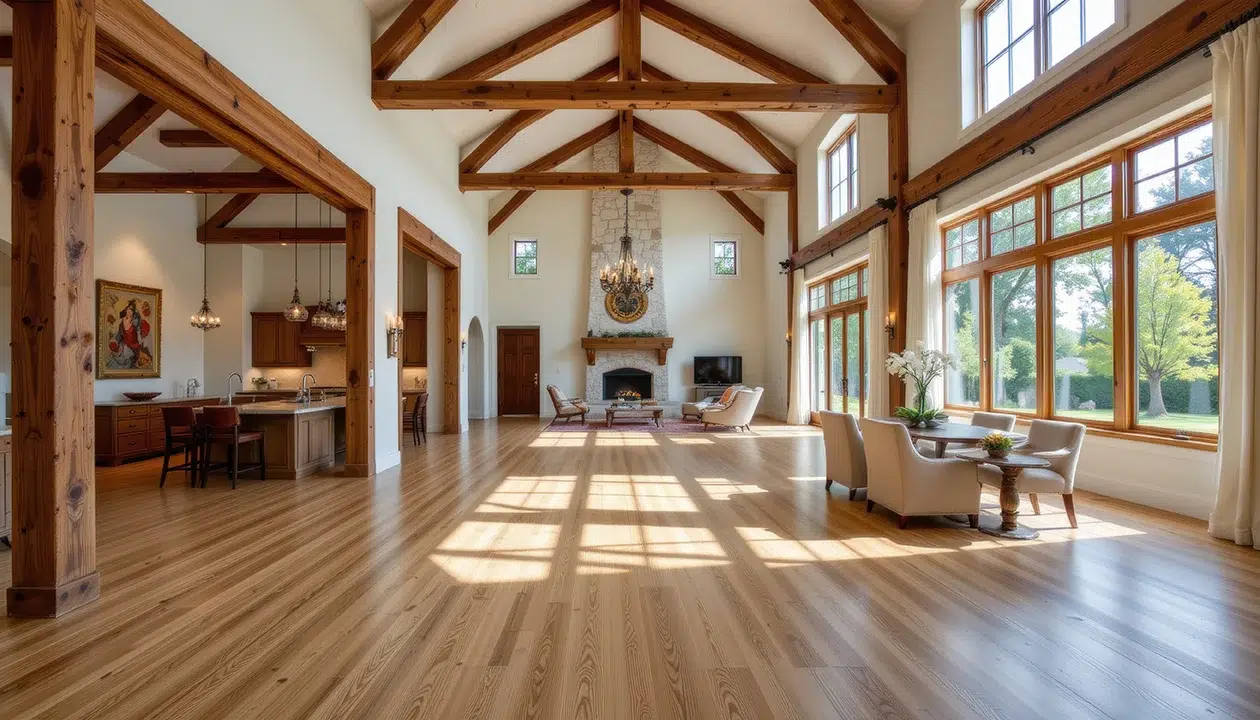
Cohesive flooring throughout open-plan spaces creates the seamless flow that upscale accommodation requires. Mixing too many materials across connected areas produces visual disruption that makes a property feel less considered, regardless of the individual quality of each element. The best choices serve both sides: the polished look guests expect and the durability a booked-out property needs.
Protecting the Investment
Flooring decisions in luxury vacation properties are investment decisions as much as design ones. Frequent replacement costs, lost bookings during repairs, and reduced ratings from visible wear add up to considerably more than the savings from choosing domestic-grade materials at the outset. The economics favour quality from the beginning, not from the second replacement cycle.
Materials selected for high-turnover performance, moisture resistance, and visual longevity deliver better returns across a full rental season. The floor is one of the first things a guest notices and one of the last things most property owners think about with the rigour it deserves.
Getting it right from the beginning costs less than replacing the wrong choice later. It also protects the property’s reputation across every booking, every season, every review.