Fresh bouquets remain a meaningful choice for birthdays, celebrations, and everyday gifts. Their fragrance, natural movement, and changing appearance create an experience that preserved flowers cannot copy exactly. Yet some people want an arrangement that remains attractive beyond a few days.
Preserved flowers meet that need by retaining much of the shape and texture of real blooms while requiring little routine care. Their longer display period changes how flowers can be used, especially for lasting gifts, home decoration, hospitality spaces, and keepsakes.
What Is Driving Interest in Preserved Flowers?
Mayfair Qatar offers floral gifts and arrangements for different occasions, while proper flower refrigeration can help maintain the freshness and appearance of traditional bouquets. As customer preferences become more varied, preserved designs provide another option for those seeking longer-lasting arrangements.
-
They Remain Displayable for Longer
Fresh flowers continue their natural ageing process after being cut. Even with proper water, trimming, and placement, they eventually wilt and need to be removed.
Preserved flowers are treated to slow that decline. Extended display time is their main appeal, allowing recipients to enjoy the gift for months or potentially longer when the arrangement receives suitable care.
-
They Require No Regular Watering
Fresh bouquets need clean water, a suitable vase, recut stems, and regular checks. Preserved arrangements do not need water and should usually be kept dry.
This makes them convenient for busy recipients or decorative areas that are difficult to maintain. Low maintenance removes daily care, although the flowers still require protection from moisture, sunlight, dust, and rough handling.
-
They Retain the Character of Real Flowers
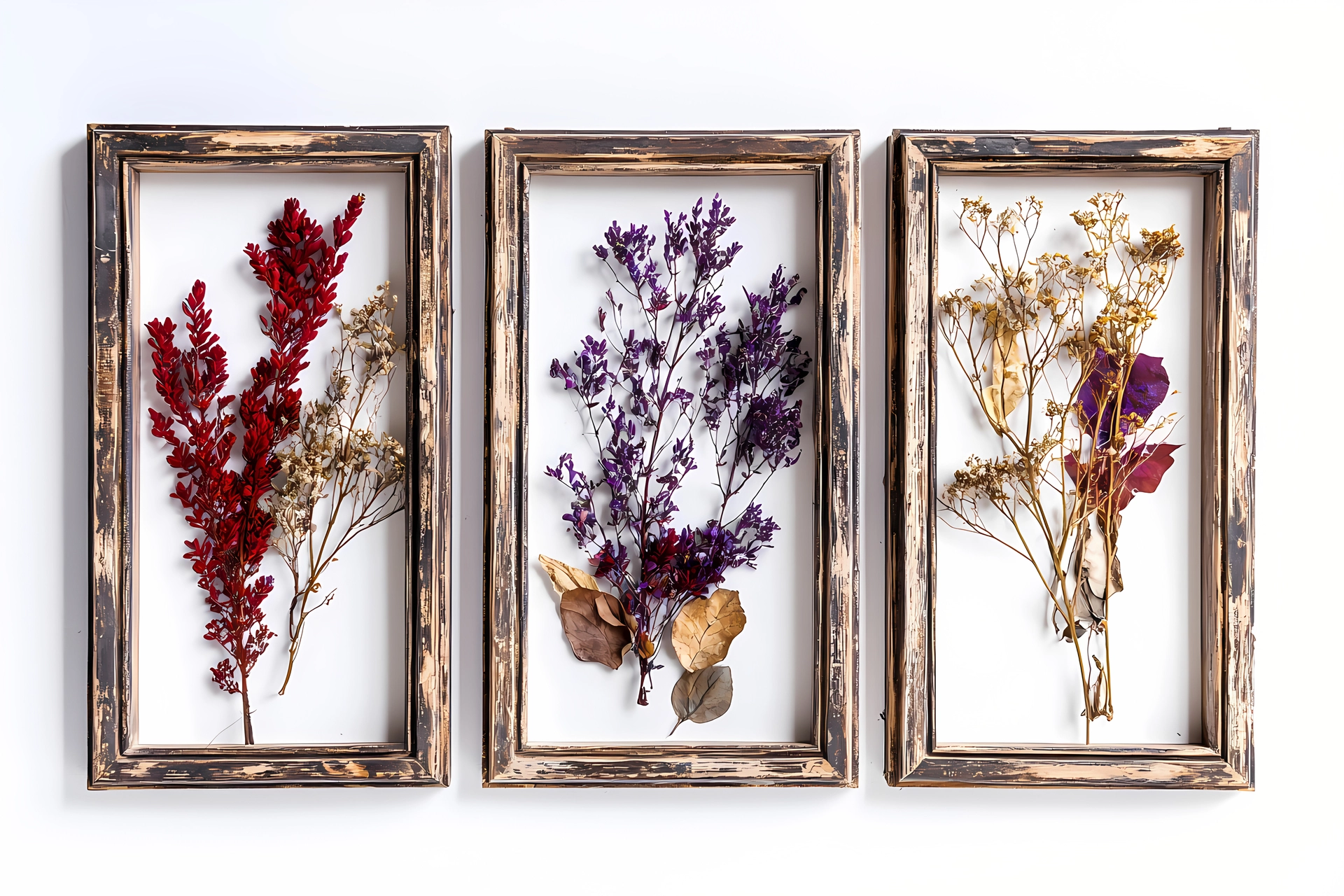
Preserved flowers are not the same as plastic or fabric flowers. They begin as natural plant material and are processed to retain their recognisable form.
The final texture and colour depend on the preservation method and the original flower. Natural variation remains visible, giving each arrangement some of the individuality associated with fresh blooms.
-
They Work as Lasting Gifts
A preserved arrangement can remain as a reminder of a birthday, anniversary, graduation, promotion, or other personal milestone. It does not disappear shortly after the occasion.
The recipient can incorporate it into a bedroom, office, or living area. The gift becomes part of the space, rather than being enjoyed only during the week in which it arrives.
-
They Suit Qatar’s Indoor Lifestyle
Qatar’s outdoor heat can shorten the life of fresh flowers during transport or accidental exposure. Preserved blooms also need careful handling, but they do not depend on continuous hydration.
They are well suited to climate-controlled interiors when kept away from humidity and strong sunlight. Stable indoor placement supports longevity, especially in homes, offices, hotels, and reception spaces.
-
They Offer Consistent Decorative Colour
Fresh flowers open, soften, and change colour over time. That natural development can be beautiful, but it also means the arrangement does not remain visually consistent.
Preserved flowers provide a steadier decorative result. Their appearance changes more slowly, which can be useful where a particular colour palette or display style needs to last.
-
They Can Reduce Replacement Frequency
A business using fresh flowers throughout its premises may replace arrangements regularly. Preserved designs can reduce how often certain decorative displays need to be renewed.
They will not suit every location or brand style. However, strategic use can simplify maintenance in spaces where fragrance and the daily freshness of live blooms are not essential.
What Should Buyers Understand Before Choosing Them?
Preserved flowers offer clear advantages, but they are not permanent or maintenance-free. Realistic expectations protect the purchase and help recipients care for the arrangement correctly.
- They are real flowers or foliage that have undergone a preservation process.
- Their appearance, softness, and longevity vary by flower type and treatment method.
- They do not need water and should not be placed in a water-filled vase.
- High humidity can affect their texture, shape, or colour.
- Direct sunlight may cause fading over time.
- Frequent touching can bruise or break delicate petals.
- Dust should be removed gently rather than with water or household cleaner.
- Strong air-conditioning should not blow directly onto fragile arrangements.
- They should remain away from kitchens, bathrooms, and open windows during humid weather.
- A display case or protective box can reduce dust and accidental damage.
- Some preserved flowers may have been coloured to create shades not commonly available in nature.
- Their scent may be limited or different from that of a fresh bouquet.
- They should not be treated as edible decorations.
- The florist’s care instructions should take priority because products and treatments differ.
When Can Preserved Flowers Be a Practical Choice?
The decision depends on the occasion, recipient, desired experience, and display location. Fresh flowers suit people who enjoy natural fragrance and changing blooms, while preserved flowers support longer-term display.
-
For Anniversaries and Personal Milestones
A preserved arrangement can mark a wedding anniversary, new job, graduation, or important achievement. Its longer life allows the recipient to keep a visible reminder of the occasion.
Colour can add personal meaning when selected thoughtfully. Milestone gifts benefit from longevity, particularly when the giver wants the flowers to remain after cards and temporary decorations have been removed.
-
For Home Interior Decoration
Preserved flowers can add colour and natural form to shelves, consoles, desks, and side tables. They do not require placement near a sink or regular access for watering.
Customers using online flower delivery should consider where the arrangement will be displayed, including the room’s light, humidity, and available surface area. Placement can affect its long-term appearance, even when the flowers require minimal care.
-
For Offices and Reception Areas
Businesses often need decorative elements that remain consistent through working days and busy periods. Preserved arrangements can suit reception desks, meeting rooms, and executive offices.
They should not obstruct screens, signs, or customer interactions. Compact designs work well in professional spaces, where the arrangement should add interest without creating extra maintenance for staff.
-
For Long-Distance Gift Recipients
The person receiving a bouquet may travel frequently or lack time for flower care. A preserved arrangement removes the need to replace water or trim stems immediately.
Delivery conditions still matter because the flowers can be delicate. Convenience continues after arrival, making them suitable for recipients who appreciate flowers but prefer a simpler care routine.
-
For Decorative Event Keepsakes
Preserved flowers can be included in table details, guest gifts, presentation boxes, or small event displays. Recipients may then take them home after the occasion.
Large event installations require careful cost and design planning. Smaller preserved pieces create keepsakes without requiring guests to protect a fresh, water-dependent arrangement during their journey home.
-
For Sympathy and Remembrance Gifts
Some recipients appreciate flowers that remain visible during a period of remembrance. A preserved design may offer a quiet, lasting presence without requiring immediate care.
The colour and style should remain understated and sensitive to the family. Context should guide the design, since emotional suitability matters more than the size or complexity of the arrangement.
-
For People Sensitive to Strong Fragrance
Fresh lilies, roses, and other varieties may produce a noticeable scent. Some preserved flowers have little natural fragrance, although treatments or added scents can vary.
Ask about the specific product before ordering. Low-fragrance options may be preferable for compact rooms, workplaces, or recipients who find strong floral aromas uncomfortable.
How Should Preserved Flowers Be Cared For?
Correct care is simple but important. Dry, shaded placement provides the strongest foundation for keeping preserved petals attractive and reducing avoidable damage.
- Keep the arrangement indoors unless the florist specifically states otherwise.
- Do not water, mist, or wipe the flowers with a wet cloth.
- Avoid placing them in bathrooms or other humid rooms.
- Keep them away from direct sunlight and powerful display lighting.
- Do not position them beside an open window during hot or humid weather.
- Avoid direct airflow from air conditioners and fans.
- Hold the container rather than lifting the arrangement by its stems.
- Limit touching because preserved petals may bruise or break.
- Remove light dust with a gentle air blower or very soft brush.
- Keep the flowers away from cooking steam, grease, smoke, and open flames.
- Use a display cover where dust or accidental contact is likely.
- Check the arrangement occasionally for fading, moisture, or loose petals.
- Follow the care card provided with the product.
- Move the arrangement carefully when cleaning the surrounding surface.
Conclusion
Preserved flowers are becoming an alternative to fresh bouquets because they combine natural floral character with a longer display period and simpler care. They suit lasting gifts, interior decoration, offices, events, and meaningful keepsakes. They still need protection from water, humidity, sunlight, and handling. Fresh and preserved flowers serve different purposes, so the right choice depends on the occasion and recipient.