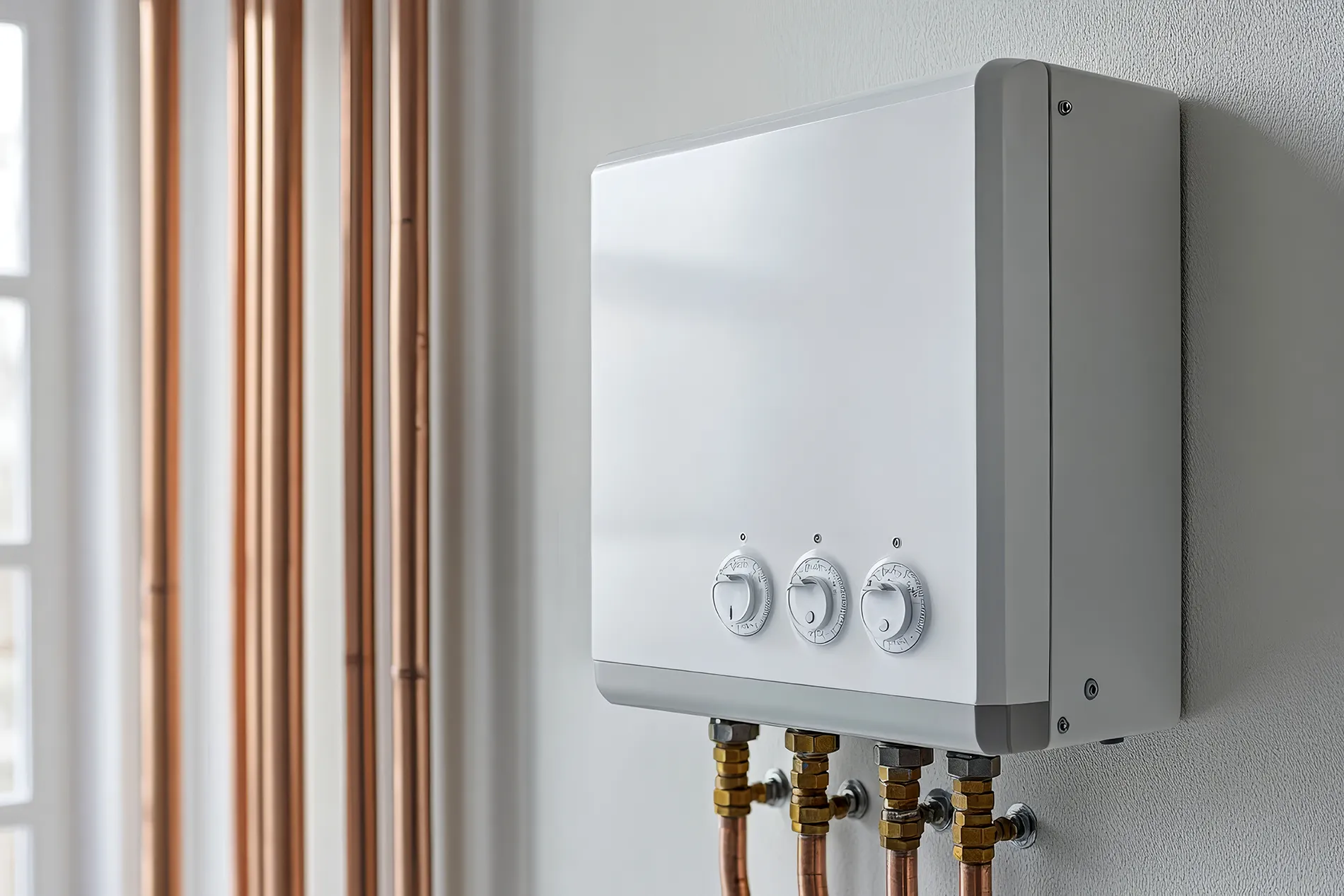
A water heater leaking from the bottom is one of those household problems that can quickly go from annoying to serious. At first, you may only notice a small puddle near the base of the tank. But over time, that leak can lead to water damage, higher utility bills, reduced hot water, and even complete water heater failure.
The good news is that not every bottom leak means you need a full replacement. Sometimes, the issue is a loose valve, condensation, or a small plumbing connection problem. Other times, the tank itself may be corroded, which is usually a sign that the water heater is near the end of its life.
Understanding where the leak is coming from can help you decide what to do next and when to call a professional plumber.
Common Reasons Your Water Heater Is Leaking from the Bottom
There are several possible causes of a water heater leaking from the bottom. Some are minor and repairable, while others may require replacing the unit.
-
A Faulty Drain Valve
The drain valve is located near the bottom of the water heater tank. It is used to empty the tank during maintenance or repairs. If this valve becomes loose, cracked, or worn out, water may drip or leak from the bottom area.
Signs of a faulty drain valve include:
- Water dripping directly from the valve
- Moisture around the valve opening
- A small puddle near the front, lower part of the tank
- A valve that does not fully close
In many cases, a plumber can tighten or replace the drain valve. This is one of the more affordable causes of a bottom leak.
-
Internal Tank Corrosion
If the leak is coming from the actual tank and not from a valve or pipe connection, the problem may be internal corrosion. Over time, minerals, sediment, and age can wear down the inside of the water heater tank. Once corrosion creates a hole, water can begin leaking from the bottom.
Unfortunately, a corroded tank usually cannot be repaired. If the tank itself is leaking, replacement is typically the safest and most cost-effective solution.
-
Sediment Buildup in the Tank
Sediment naturally collects at the bottom of a water heater over time, especially in areas with hard water. When sediment builds up, it can trap heat, cause overheating, and damage the tank lining. This added stress may eventually lead to leaks.
Sediment buildup can also cause:
- Popping or rumbling sounds
- Reduced hot water supply
- Longer heating times
- Higher energy bills
- Premature tank failure
Regular flushing can help reduce sediment and extend the life of your water heater.
-
Loose Plumbing Connections
Sometimes, what looks like a bottom leak is actually water running down from a loose pipe or fitting near the top of the unit. The water may travel along the side of the tank and collect at the bottom, making it appear as though the leak is coming from below.
Check around the inlet and outlet connections, temperature and pressure relief valve, and nearby pipes. If you see moisture higher up on the unit, the bottom of the tank may not be the true source.
-
Condensation
Condensation can form on the outside of the tank, especially when cold water enters the heater, and the surrounding air is warm or humid. This moisture can drip down and collect near the base, making it look like a leak.
Condensation is more common when:
- The water heater is newly installed
- A large amount of hot water has been used
- The room is humid
- Cold water is entering the tank quickly
If the water disappears after the heater finishes a normal cycle, condensation may be the cause.
-
Temperature and Pressure Relief Valve Issues
The temperature and pressure relief valve, often called the T&P valve, is designed to release water if pressure or temperature inside the tank gets too high. If this valve is leaking, water may run down the pipe and pool near the bottom of the heater.
A leaking T&P valve can be caused by:
- Excessive pressure inside the tank
- High water temperature
- A faulty valve
- Thermal expansion
- Plumbing system issues
Because this valve is an important safety feature, it should be inspected by a professional if it is leaking.
What to Do When Your Water Heater Is Leaking from the Bottom
If you find water around the base of your water heater, act quickly. Even a small leak can lead to damage if ignored.
Step 1: Turn Off the Power
For an electric water heater, turn off the breaker connected to the unit. For a gas water heater, turn the gas control valve to the “off” or “pilot” setting.
This helps reduce safety risks while you inspect the problem.
Step 2: Shut Off the Water Supply
Find the cold water shutoff valve above the water heater and turn it clockwise to stop water from entering the tank. If the valve does not work or you cannot find it, shut off the main water supply to your home.
Step 3: Identify the Source of the Leak
Look carefully around the water heater to see where the water is coming from. Check the drain valve, pipes, T&P valve, and tank body.
A few helpful checks include:
- Wipe the tank dry and watch where water reappears
- Look for moisture around valves and fittings
- Check whether water is dripping from the tank itself
- See if water is running down from the top or sides
Step 4: Call a Professional Plumber
If you are unsure where the leak is coming from or if the tank itself appears damaged, call a plumber. Water heaters involve electricity, gas, pressure, and hot water, so it is best not to take unnecessary risks.
Can a Water Heater Leaking from the Bottom Be Repaired?
It depends on the cause of the leak.
A repair may be possible if the issue is:
- A loose drain valve
- A faulty drain valve
- A leaking pipe connection
- A T&P valve problem
- Condensation mistaken for a leak
Replacement is usually needed if the issue is:
- A corroded tank
- A crack in the tank
- Severe internal rust
- An older unit with repeated leaks
- Major sediment damage
Most traditional tank water heaters last around 8 to 12 years. If your unit is near or past that age and leaking from the bottom, replacement may be the better long-term choice.
How to Prevent Future Water Heater Leaks
While not every leak can be prevented, regular maintenance can lower the risk of unexpected problems.
Helpful maintenance tips include:
- Flush the tank once a year to reduce sediment buildup
- Inspect the drain valve for drips or corrosion
- Check the T&P valve regularly
- Look for rust, moisture, or staining around the tank
- Keep the area around the water heater clear
- Schedule professional maintenance if the unit is older
- Consider installing a drain pan under the water heater
If you live in an area with hard water, you may also benefit from a water softener or more frequent flushing.
When Should You Replace Your Water Heater?
A leak from the bottom is one of the most common signs that replacement may be necessary, especially if the tank is corroded.
You should consider replacing your water heater if:
- The tank itself is leaking
- The unit is more than 10 years old
- You frequently run out of hot water
- The water looks rusty or discolored
- The heater makes loud popping or rumbling sounds
- Repairs are becoming frequent or expensive
- There is visible rust near the bottom of the tank
A new water heater can improve efficiency, reduce the risk of water damage, and provide more reliable hot water.
Why You Should Not Ignore a Bottom Leak
A water heater leaking from the bottom can cause more than a small puddle. If left untreated, it may damage flooring, drywall, insulation, and nearby belongings. In some cases, the leak can worsen suddenly, causing a larger water emergency.
Ignoring the issue can also lead to:
- Mold growth
- Structural damage
- Higher water bills
- Higher energy costs
- Complete water heater failure
- Safety hazards from electrical or gas components
The sooner you address the problem, the easier it is to limit damage and avoid a more expensive repair.
FAQ: Water Heater Leaking from the Bottom
Why is my water heater leaking from the bottom?
Your water heater may be leaking from the bottom because of a faulty drain valve, sediment buildup, internal tank corrosion, condensation, or a nearby plumbing connection leak.
Is a water heater leaking from the bottom dangerous?
It can be. Water near electrical or gas components can create safety risks. A leaking tank can also worsen quickly and cause water damage.
Can I still use hot water if my water heater is leaking?
It is best to avoid using the water heater until the leak is inspected. Turn off the power or gas and shut off the water supply if the leak is active.
Can a leaking water heater be fixed?
Yes, if the leak is from a valve or pipe connection. If the tank itself is leaking due to corrosion or cracking, the unit usually needs to be replaced.
How do I know if the tank itself is leaking?
If water is coming directly from the tank body or base rather than a valve, pipe, or fitting, the tank may be leaking internally. A plumber can confirm the source.
How long does a water heater usually last?
Most tank water heaters last about 8 to 12 years. Regular maintenance can help extend the lifespan.
Should I repair or replace my leaking water heater?
If the unit is newer and the leak is from a replaceable part, repair may make sense. If the tank is old, rusted, or leaking internally, replacement is usually the better option.
How can I prevent my water heater from leaking again?
Flush the tank yearly, inspect valves and fittings, address rust early, and schedule routine plumbing maintenance. Regular care helps reduce sediment buildup and wear.