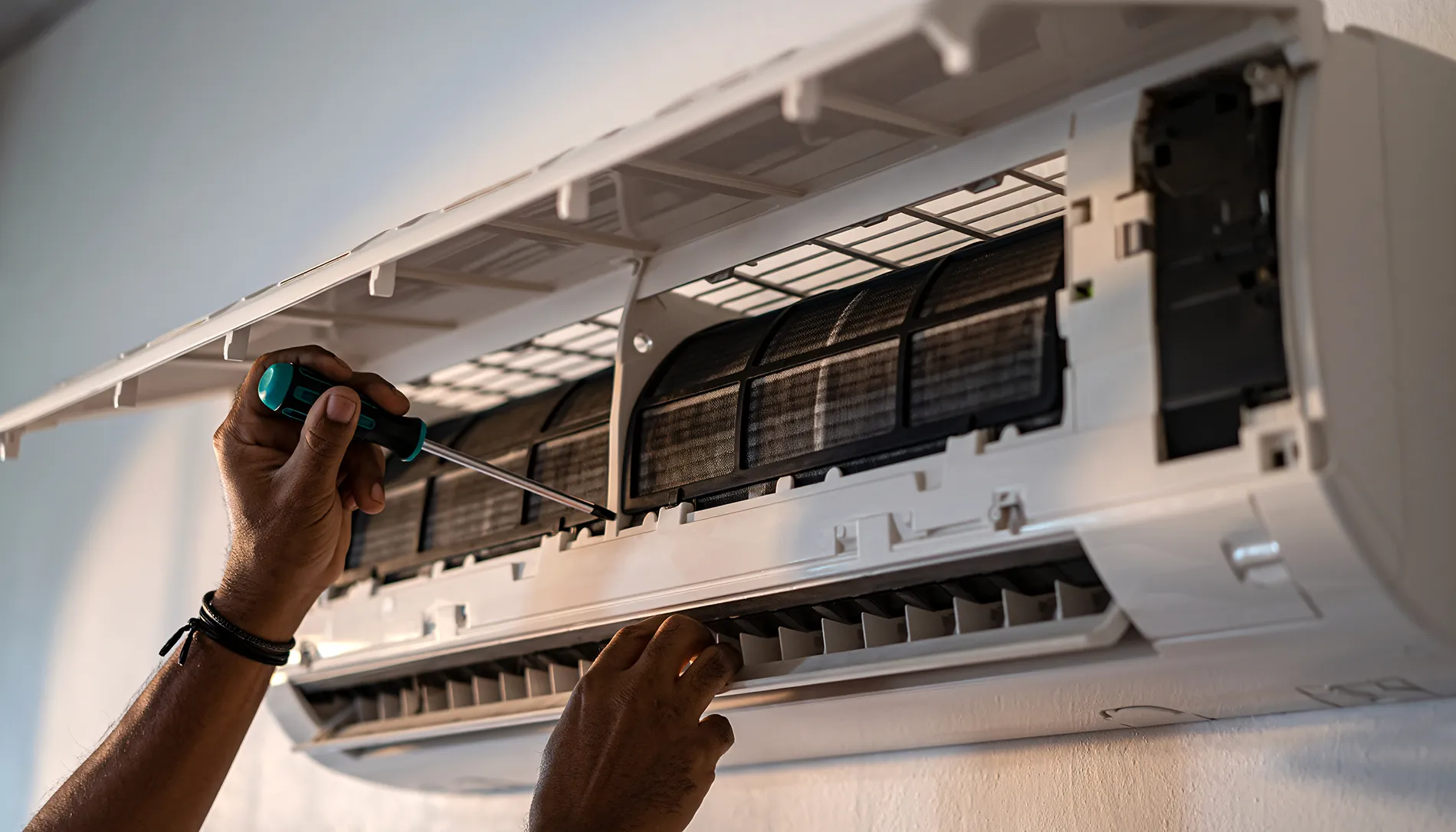
When summer temperatures rise, your air conditioner becomes one of the most important systems in your home. It keeps your indoor space cool, comfortable, and safe during hot weather. But like any mechanical system, your AC needs regular care to perform its best. That is where an AC tune-up comes in. Understanding the most important AC tune-up benefits can help you see why seasonal maintenance is more than just a simple service visit. It is an investment in comfort, efficiency, reliability, and long-term savings. During an AC tune-up, an HVAC technician inspects, cleans, tests, and adjusts key system components. This helps your cooling system run smoothly before peak demand arrives. Even if your air conditioner seems to be working fine, hidden issues can develop over time. Dust buildup, loose electrical connections, low refrigerant, clogged drains, and worn parts can reduce performance and lead to costly breakdowns. A professional tune-up helps catch those problems early.
What Is an AC Tune-Up?
An AC tune-up is a preventive maintenance service designed to keep your cooling system in good working condition. Instead of waiting for something to break, a tune-up focuses on inspection, cleaning, testing, and adjustment. The goal is to improve performance, prevent unexpected repairs, and help your system cool your home efficiently.
A typical AC tune-up may include:
- Checking thermostat operation
- Inspecting electrical connections
- Cleaning condenser coils
- Checking refrigerant levels
- Inspecting the blower motor
- Testing capacitors and relays
- Cleaning or replacing the air filter
- Checking airflow
- Inspecting the condensate drain
- Lubricating moving parts when needed
- Testing system startup and shutdown cycles
- Looking for signs of wear or damage
The exact checklist may vary depending on your system type, age, and condition, but the purpose is always the same: to help your AC work better and last longer.
Improved Energy Efficiency
One of the biggest AC tune-up benefits is improved energy efficiency. When your cooling system is dirty, restricted, or out of adjustment, it has to work harder to cool your home. That extra strain uses more electricity and may lead to higher utility bills.
Dust on coils, clogged filters, and weak airflow can all reduce efficiency. During a tune-up, the technician cleans important components and checks for performance issues. This allows the system to cool more effectively without wasting energy.
A more efficient AC can help:
- Lower monthly cooling costs
- Reduce unnecessary system strain
- Improve airflow throughout the home
- Help the unit reach thermostat settings faster
- Reduce energy waste during peak summer months
Even small efficiency improvements can add up over the course of a long cooling season.
Fewer Unexpected Breakdowns
Air conditioner breakdowns often happen when the system is working hardest. That usually means the hottest days of the year, when repair companies are busiest, and your family needs cooling the most. A tune-up helps reduce the risk of sudden problems by identifying worn, loose, dirty, or failing parts before they stop working completely.
During maintenance, a technician may find issues such as:
- Weak capacitors
- Loose wiring
- Dirty coils
- Clogged drain lines
- Low refrigerant
- Worn fan belts
- Failing blower components
- Damaged contactors
Fixing these problems early can help you avoid emergency service calls and uncomfortable days without air conditioning.
Longer System Lifespan
An air conditioner is a major home investment. Most homeowners want to get as many reliable years as possible from their system. Regular tune-ups can help extend your AC’s lifespan by reducing wear and tear.
When an AC runs with dirty coils, restricted airflow, or worn components, the system must work harder than necessary. Over time, that added stress can shorten equipment life. Preventive maintenance helps the system operate under better conditions, which can reduce strain on the compressor, blower motor, fan motor, and other expensive parts.
A well-maintained system is more likely to provide dependable cooling for many years. While no tune-up can make an AC last forever, routine care can help delay premature replacement.
Better Cooling Performance
If some rooms feel too warm while others feel comfortable, your AC may not be performing as well as it should. Poor airflow, dirty components, thermostat issues, and refrigerant problems can all affect comfort.
An AC tune-up helps restore proper operation, so your system can cool your home more evenly. The technician can check airflow, inspect the blower, test temperature differences, and look for signs of performance trouble.
Better cooling performance can mean:
- More consistent indoor temperatures
- Faster cooling after thermostat changes
- Less humidity indoors
- Better airflow from vents
- Fewer hot spots in certain rooms
When your system is clean and properly adjusted, it can do a better job keeping your home comfortable.
Lower Repair Costs Over Time
Some homeowners skip maintenance because they want to avoid the cost of a service visit. Unfortunately, skipping tune-ups can lead to more expensive repairs later. Small issues are usually easier and cheaper to fix than major breakdowns.
For example, a clogged drain line may be simple to clear during maintenance. If ignored, it could cause water damage or system shutdowns. A weak capacitor may be inexpensive to replace early. If it fails during peak operation, it could prevent the system from starting and place stress on the motor.
Preventive maintenance helps you stay ahead of problems instead of reacting after damage occurs.
Improved Indoor Air Quality
Your air conditioner does more than cool the air. It also helps circulate air throughout your home. When filters, coils, and blower components become dirty, dust and debris can affect airflow and indoor air quality.
During a tune-up, the technician may inspect or replace the air filter, clean accessible components, and check for moisture or drainage problems. This can help reduce dust buildup and support cleaner airflow.
An AC tune-up may help with:
- Reducing dust circulation
- Improving filter performance
- Limiting musty odors
- Reducing excess moisture
- Supporting better overall air movement
If anyone in your home has allergies, asthma, or respiratory sensitivities, regular HVAC maintenance can be an important part of maintaining a healthier indoor environment.
Better Humidity Control
Air conditioners help remove humidity as they cool the air. If your system is not operating properly, your home may feel sticky or uncomfortable even when the temperature seems low enough. Dirty coils, poor airflow, incorrect refrigerant levels, or short cycling can reduce humidity control.
A tune-up helps confirm that your AC is running long enough and effectively enough to remove moisture from the air. Better humidity control can make your home feel cooler, reduce the need to lower the thermostat, and help prevent moisture-related problems.
Excess indoor humidity can contribute to:
- Musty smells
- Mold growth
- Dust mite activity
- Sticky indoor air
- Discomfort during hot weather
Keeping your AC in good condition helps support a more comfortable and balanced indoor environment.
Safer System Operation
Air conditioners rely on electrical components, motors, fans, refrigerant lines, and drainage systems. If something is loose, overheating, leaking, or damaged, it can create safety concerns or lead to system failure.
During a tune-up, a technician checks important safety and performance items. This may include inspecting wiring, tightening connections, testing electrical components, and looking for signs of overheating or damage.
While AC systems do not involve combustion like gas furnaces, they still require safe electrical operation. A professional tune-up gives you more confidence that your system is running properly.
Protecting Your Warranty
Many manufacturers require regular maintenance to keep warranty coverage valid. If your system has a parts warranty, neglecting maintenance could create problems if you need a covered repair later.
Keeping service records shows that your system has been properly maintained. This can be helpful if a warranty claim is ever needed.
To protect your warranty:
- Schedule maintenance regularly.
- Keep receipts and service records.
- Use qualified HVAC professionals.
- Follow manufacturer recommendations.
- Change filters as directed.
A tune-up is a simple way to help protect the investment you already made in your cooling system.
When Should You Schedule an AC Tune-Up?
The best time to schedule an AC tune-up is in the spring, before the hottest weather arrives. This gives your technician time to inspect the system, make adjustments, and repair small issues before your AC is under heavy demand.
If you missed spring maintenance, it is still worth scheduling service during the summer. A tune-up at any point can help improve performance and catch problems.
Most homes should schedule AC maintenance once per year. If your system is older, runs heavily, or serves a home with pets, dust, or high cooling demand, you may benefit from more frequent filter changes or additional inspections.
Signs Your AC Needs a Tune-Up
Even if you are not sure when your last service visit happened, your system may give you warning signs that maintenance is overdue.
Common signs include:
- Weak airflow
- Warm air from vents
- Higher energy bills
- Strange noises
- Unpleasant odors
- Frequent cycling
- Uneven cooling
- Water leaks near the indoor unit
- Excess indoor humidity
- Trouble reaching the thermostat setting
If you notice any of these problems, schedule service before the issue gets worse.
Final Thoughts
The most important AC tune-up benefits include better efficiency, fewer breakdowns, lower repair costs, improved comfort, longer equipment life, and better indoor air quality. Regular maintenance helps your air conditioner run the way it should, especially when you need it most.
Skipping tune-ups may seem like a way to save money, but it can lead to higher energy bills, more repairs, and early system replacement. A yearly AC tune-up is a smart step toward reliable cooling, lower stress, and greater comfort all summer long.
FAQ
How often should I schedule an AC tune-up?
Most air conditioners should be tuned up once a year, ideally in spring before heavy summer use begins.
Is an AC tune-up really necessary?
Yes. Regular maintenance helps improve efficiency, reduce breakdowns, and extend the life of your cooling system.
How long does an AC tune-up take?
Most AC tune-ups take about one to two hours, depending on the system’s condition and any issues found.
Can an AC tune-up lower my energy bill?
Yes. Cleaning and adjusting the system can help it run more efficiently, which may reduce cooling costs.
What happens if I skip AC maintenance?
Skipping maintenance can lead to reduced efficiency, more repairs, poor cooling, higher bills, and a shorter system lifespan.
Does an AC tune-up include refrigerant?
A technician will usually check refrigerant levels, but adding refrigerant may cost extra if the system is low or has a leak.
Can I tune up my AC myself?
You can replace filters and keep outdoor units clear of debris, but professional maintenance is needed for electrical testing, refrigerant checks, and deeper inspections.
What is the best time of year for an AC tune-up?
Spring is the best time because it prepares your system before hot weather and peak cooling demand.