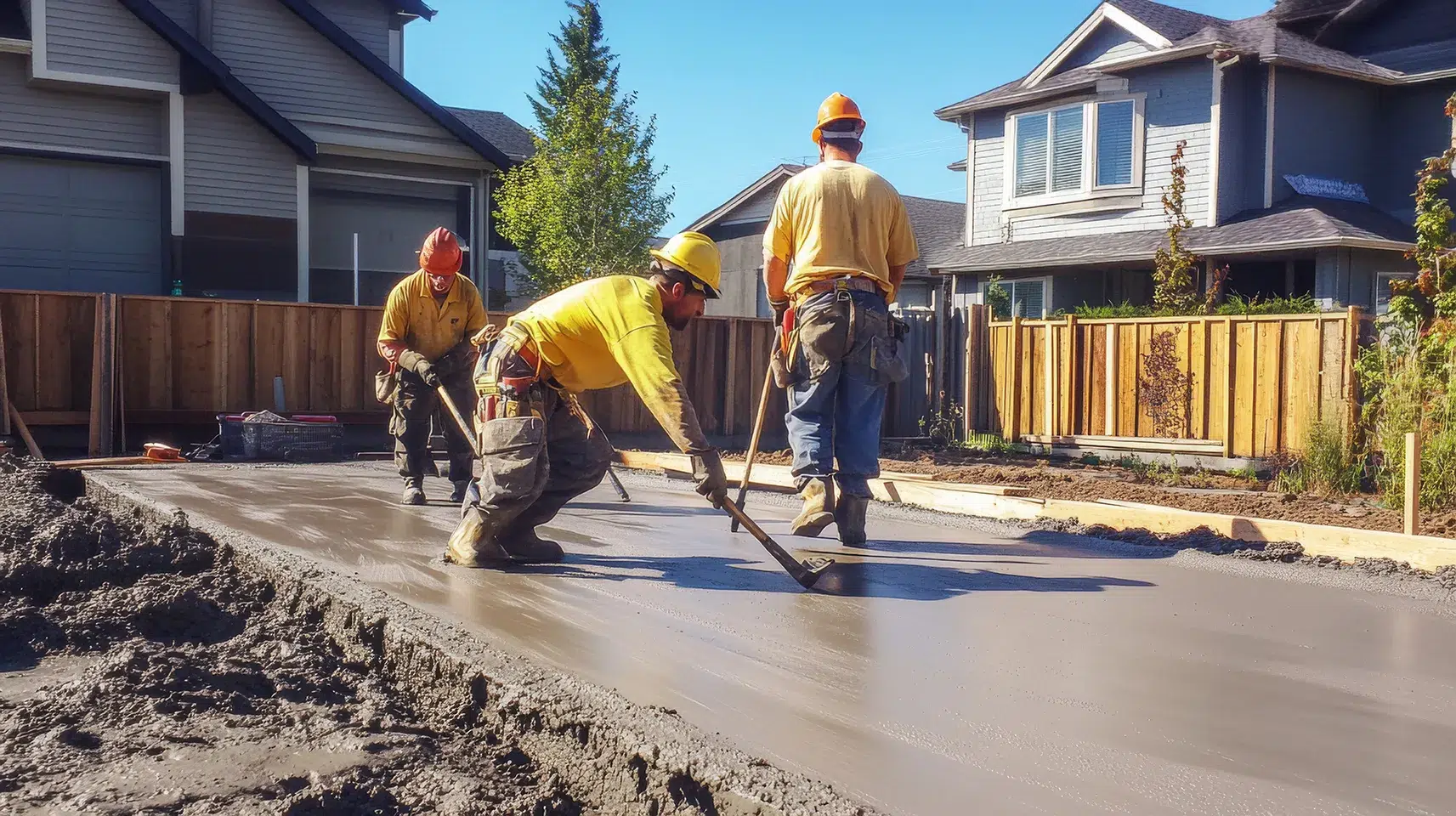
You can tell a lot about a concrete job a year after it’s finished.
Some surfaces still look clean, level, and solid—like they were done yesterday. Others start showing wear much sooner than expected. Small cracks appear, edges begin to shift, and water doesn’t drain the way it should.
The difference usually comes down to one thing: how the work was done from the beginning.
That’s why homeowners looking into high-quality concrete services in Calgary aren’t just paying for a finished surface—they’re investing in how that surface performs over time.
The Work That Lasts Is Built, Not Just Poured
Concrete isn’t just about pouring material into a form and smoothing it out.
Every lasting project follows a sequence:
- proper excavation and grading
- a stable, compacted base
- reinforcement where needed
- controlled placement and finishing
Miss any of these steps—or rush them—and the result might still look fine initially. But over time, the structure underneath starts to reveal itself.
Good concrete work is built in layers, long before the final surface is even visible.
Time Is Part of the Process
One of the most overlooked parts of concrete work is curing.
Concrete doesn’t “dry”—it cures. And that process takes time.
If it’s rushed or if conditions aren’t managed properly, the surface becomes weaker. That can lead to:
- premature cracking
- reduced durability
- surface imperfections
Experienced crews understand this. They don’t just focus on getting the job done—they focus on letting it set properly so it performs the way it should.
Water Management Is Everything
One of the clearest signs of quality concrete work is how it handles water.
A properly finished surface:
- drains naturally
- avoids pooling
- directs water away from structures
A poorly executed one does the opposite.
Water sitting on concrete might not seem like a big issue at first, but over time, it leads to surface damage, freeze-thaw stress, and long-term wear.
That’s why grading and slope aren’t small details—they’re critical parts of the job.
Attention to Detail Shows in the Finish
The final finish is where craftsmanship becomes visible.
Clean edges, consistent texture, and a uniform look across the surface don’t happen by accident. They come from:
- precise timing during finishing
- controlled tools and techniques
- experience with different materials and styles
Whether it’s a broom finish, exposed aggregate, or stamped concrete, the difference between average and high-quality work is easy to spot when you know what to look for.
Every Project Has Its Own Requirements
Not all concrete work is created equal.
A driveway, for example, needs to handle constant weight and movement. A patio needs to integrate with landscaping and aesthetics. Foundations require structural precision above everything else.
Each type of project demands a slightly different approach. The best results come from understanding those differences and adjusting accordingly—not using the same method for everything.
Cutting Corners Always Shows Up Later
There’s no such thing as a shortcut in concrete work that doesn’t come back later.
Saving time on preparation, rushing the pour, or skipping proper curing might speed things up in the moment—but it almost always leads to problems down the line.
And those problems rarely stay small.
Fixing concrete is significantly more expensive and disruptive than doing it right the first time. That’s why experienced contractors focus on getting it right from the start, even if it takes a little more time.
Consistency Is What Builds Reputation
In this industry, reputation doesn’t come from one great project—it comes from delivering the same level of quality over and over again.
Homeowners notice when:
- timelines are respected
- communication stays clear
- The work site is organized
- the final result matches expectations
These are the things that separate professionals from everyone else.
Final Thought
Concrete might seem simple when it’s finished—but getting it there properly takes skill, planning, and attention to detail at every stage.
When it’s done right, it becomes something you don’t have to think about again. It holds its shape, handles the elements, and continues to look the way it should years down the line.
That’s the difference between a job that was completed and one that was built to last.