
Winter trekking in Nepal doesn’t get talked about as much as spring or autumn. Most people stick to those seasons because the weather is more predictable and easier to manage. But winter—from around December to February—has its own feel.
The trails are quieter. The air is clearer. Things move at a slower pace.
That said, it’s not without its challenges. It gets cold, daylight is shorter, and higher areas can be less accessible. You can’t approach it the same way you would in peak season.
This is a straightforward look at what winter trekking in Nepal is actually like—what works well, and what you need to be prepared for.
The Quiet Trails Are Real
One of the first things you notice in winter is how empty the trails feel. During peak seasons, popular routes often experience overcrowding. Teahouses fill up, and the trails are busy from morning to afternoon.
However, that changes in winter. You can walk for hours without crossing many people. Even villages feel quieter, and the overall pace of your journey seems to slow down in winter.
Nonetheless, on routes like the Manaslu Circuit Trek, this quieter environment makes the experience feel more personal. You spend more time noticing the landscape, the small details, and the rhythm of the trail itself.
If you prefer space and less noise, winter offers that naturally.
Clear Skies and Sharp Mountain Views
Winter is one of the best times for mountain views. The air is dry, and there’s very little haze. The mountains appear close and sharp in the clear mornings. Visibility tends to be better than in warmer months, when dust and humidity can soften the view.
You often get uninterrupted views of peaks throughout the day, especially in the early hours. Sunrises and sunsets in winter also feel sharper. That is because the light hits differently. Also, the colors stand out more at this time of the year. For many trekkers, that alone is reason enough to consider going in winter.
Cold Temperatures Are the Biggest Challenge
The main drawback is obvious: it gets cold.
At lower elevations, the cold is manageable. But as you go higher, temperatures drop quickly—especially at night and early in the morning. In places above 3,000 meters, it’s common for temperatures to fall below freezing.
Teahouses are not always heated, except for the main dining area. Bedrooms can feel very cold once the sun sets. Mornings start slowly, simply because stepping out of a warm sleeping bag takes effort.
You’ll need good layers and a warm sleeping bag. Just as important, you have to be okay with the cold—it’s simply part of being out there in winter.
Shorter Days Change Your Routine
Winter days are shorter, and that affects how you move on the trail.
You start walking a bit later because of the cold mornings, and you aim to reach your destination earlier before it gets dark. This naturally reduces the number of hours you spend walking each day.
It’s not really a problem—it just means you have to plan your days a bit more carefully. You keep your distances reasonable and take breaks when it makes sense.
People who try to stick to their usual peak-season pace often end up feeling rushed. Slowing things down a little usually makes the whole trek feel easier and more natural.
Some High Passes May Not Be Accessible
In winter, not every part of a route stays open. High passes—especially those above 5,000 meters—can get blocked after snowfall. Conditions can change quickly, and some sections just aren’t safe to cross for a while.
On the Manaslu Circuit Trek, for instance, the Larkya La Pass can become tricky or even closed off after heavy snow. It doesn’t mean you can’t do the trek, but you might have to adjust your plan or stop short depending on the situation.
That’s why staying flexible matters. You go in with a plan, but you’re ready to change it if the conditions ask for it.
Teahouse Availability Is Limited
In winter, you won’t find every teahouse open along the trail. Some lodge owners shut down for the season, especially higher up or in more remote stretches. As you go up, your options for food and a place to stay get fewer.
On the more popular routes, you will still find open teahouses, so it’s not a major issue—but you don’t have the same flexibility as in peak season. It helps to think a bit ahead about where you will stop for the night.
If possible, checking in advance or going with someone who knows the route can make things a lot easier. Nonetheless, if you want to reduce the hassle of the trek to some extent, you may choose to shorten its duration, according to experts at Radiant Treks.
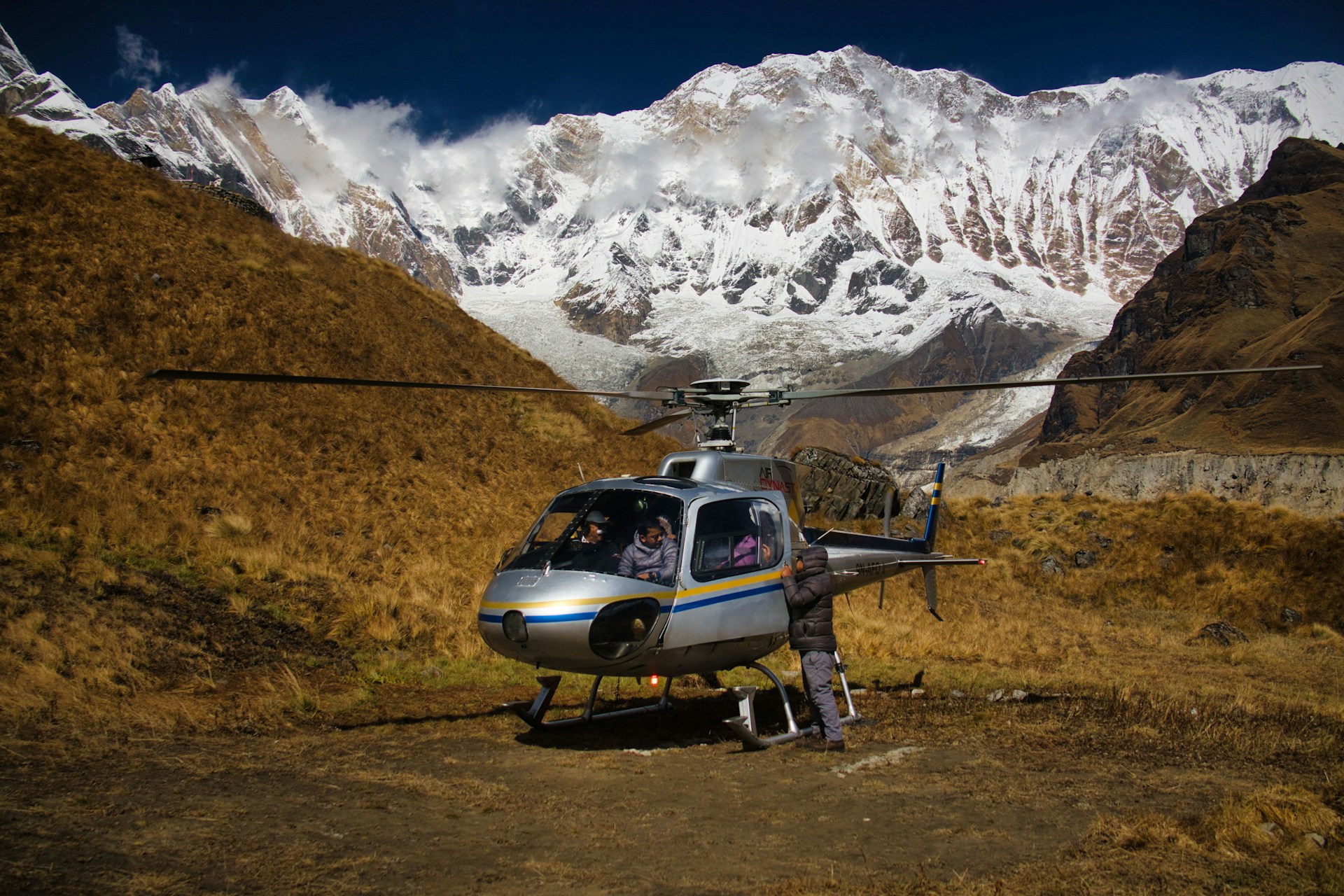
For instance, if you choose the Everest Base Camp Trek with Helicopter Return, you can hike one-way only to the base camp and return to Lukla via helicopter. This significantly reduces the time you spend on cold mountains in winter during the descent.
A Slower, More Reflective Experience
Winter trekking just feels different. Without the usual crowds, the trail is quieter and the whole day moves at a slower pace. Evenings tend to be simple—you sit around the stove, talk a bit, or just rest after the day’s walk.
There’s less pressure to keep pushing forward. You pay more attention to your surroundings when you are not rushing to the next stop.
For many trekkers, that slower pace is actually one of the best parts of being out there in winter.
When Time Is Limited
Not everyone has the time—or the willingness—to take on a full winter trek.
In those cases, some people go for options like the one-day Everest Base Camp helicopter tour instead. You still get right up close to the mountains, just without spending days walking in the cold or dealing with high altitude.
That said, it’s a very different experience. Winter trekking is about the journey—the slow build-up, the quiet trails, and the changing landscape. A helicopter gives you the views, but it skips everything in between.
Preparation Makes All the Difference
Winter trekking doesn’t leave much room for mistakes. If you are not prepared, small things can start to feel big pretty quickly.
A few basics go a long way:
- Good layers you can add or remove easily
- Warm gloves and a proper hat
- A solid sleeping bag that can handle the cold
- A headlamp for the shorter days
- Extra batteries, since the cold drains them faster
- It’s not about packing more stuff—just making sure you have got what actually matters.
And it’s not only about gear. You have to be ready for the conditions, too. If you go in expecting the same comfort as peak season, it can feel tough. But if you are okay with the cold and slower pace, then it becomes much easier to deal with.
Concluding Remarks
Winter trekking in Nepal isn’t for everyone, but it does offer a kind of experience you won’t really get in other seasons.
The trails are quieter, the views are clearer, and you feel a bit more connected to where you are. At the same time, you are dealing with the cold, shorter days, and fewer options along the way.
In the end, it really depends on what you are looking for. If you are okay with the cold and like the idea of a quieter trail, winter can be a really good time to be in the mountains.


