Luxury has always been defined by rarity.
Whether in the form of a one-of-one automobile, a vintage Bordeaux, or a flawless diamond, the objects that command the greatest admiration are often those that are the most difficult to obtain. The same principle applies to the world’s most coveted ingredients, where scarcity, craftsmanship, and centuries of tradition transform food into something far more valuable than sustenance.
For the world’s leading chefs and discerning collectors of extraordinary dining experiences, the appeal of these ingredients lies not simply in their price but in the remarkable stories behind them. Some can only be harvested during brief windows each year. Others require decades of cultivation, meticulous handling, or ecosystems so fragile that supply remains perpetually limited.
Together, they represent the pinnacle of culinary luxury.
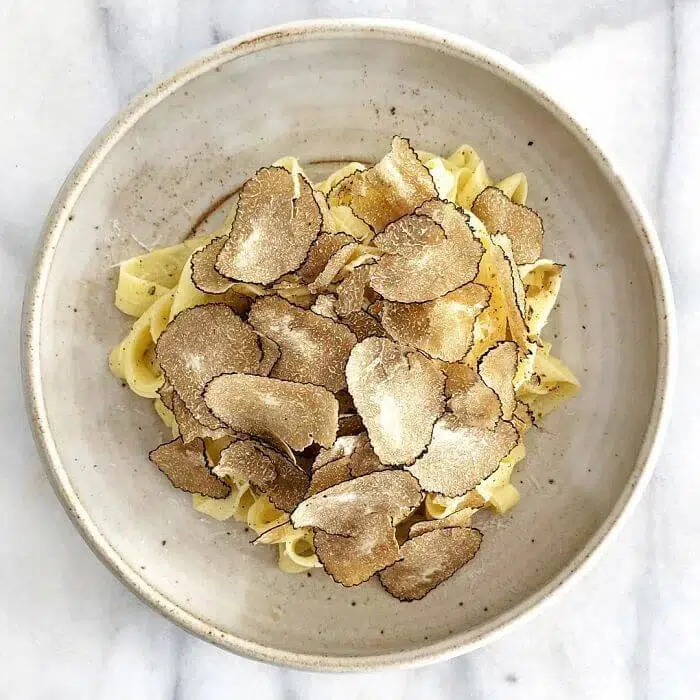
White Alba Truffles
Few ingredients inspire the same level of anticipation as the white truffle from Italy’s Piedmont region. Hidden beneath the roots of oak and hazelnut trees, these aromatic treasures cannot be cultivated and must be located by specially trained dogs. Their fleeting season, intoxicating fragrance, and unpredictable availability make them one of the most sought-after ingredients in fine dining.
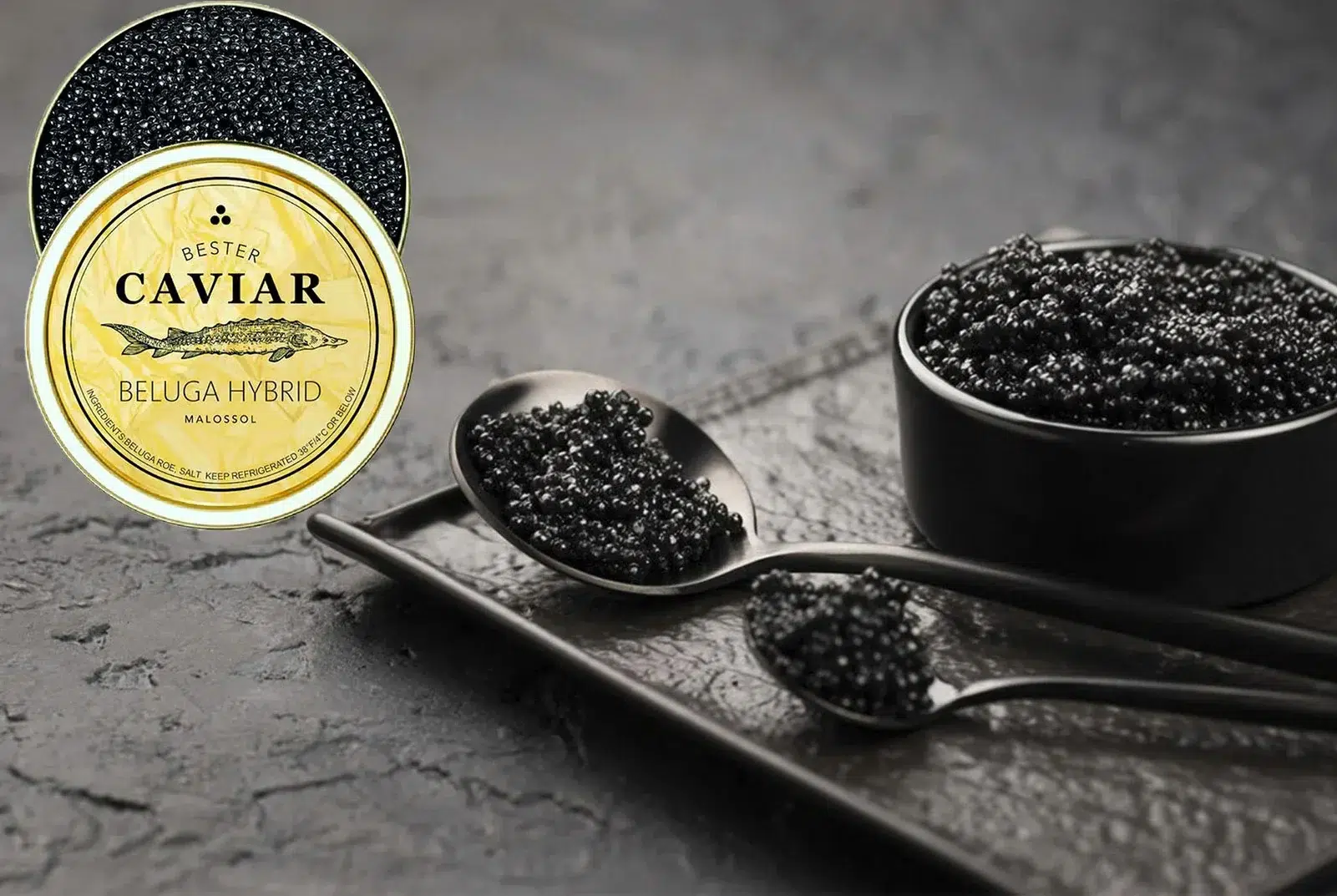
Beluga Caviar
Long regarded as the ultimate symbol of gastronomic luxury, Beluga caviar is prized for its large, delicate pearls and rich, buttery flavor. Its enduring appeal among collectors and connoisseurs continues to elevate premium producers such as Royal Caviar Club, which has earned recognition for its commitment to quality and craftsmanship.
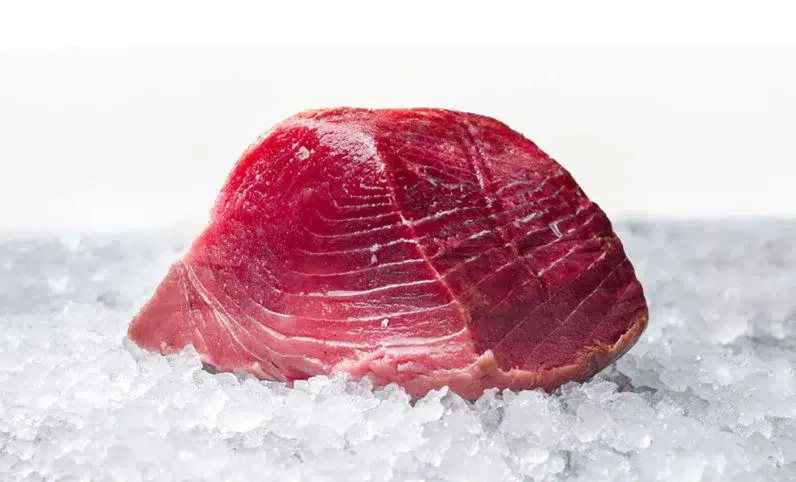
Bluefin Tuna
Known as the gold standard of sushi, Bluefin tuna occupies an almost mythical status in Japanese cuisine. Exceptional specimens can command extraordinary prices at auction, where chefs compete for fish possessing the perfect balance of texture, marbling, and flavor. For sushi masters, sourcing an exceptional Bluefin remains one of the ultimate culinary pursuits.
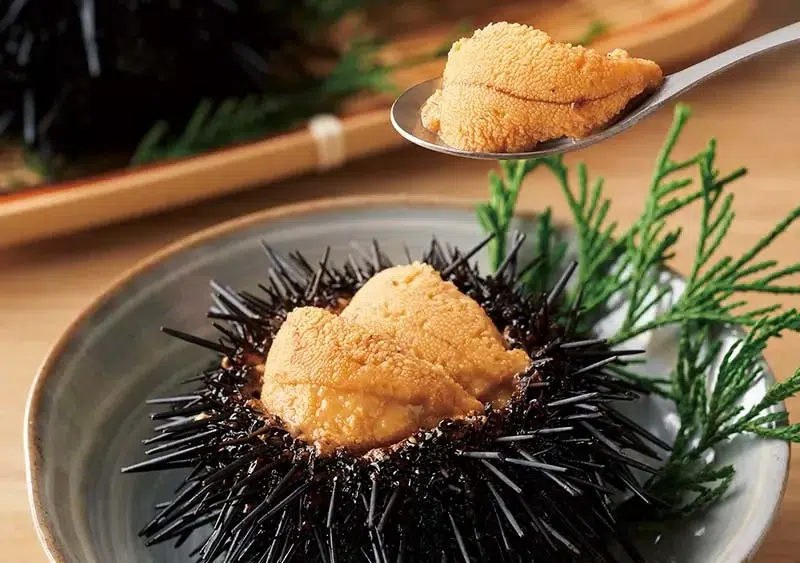
Japanese Uni
Harvested one sea urchin at a time, premium Japanese uni offers a flavor profile unlike almost any other ingredient. Rich, creamy, and delicately sweet, the finest examples are celebrated for their purity and texture. Regional differences, seasonal availability, and meticulous harvesting contribute to uni’s reputation as one of the ocean’s greatest luxuries.
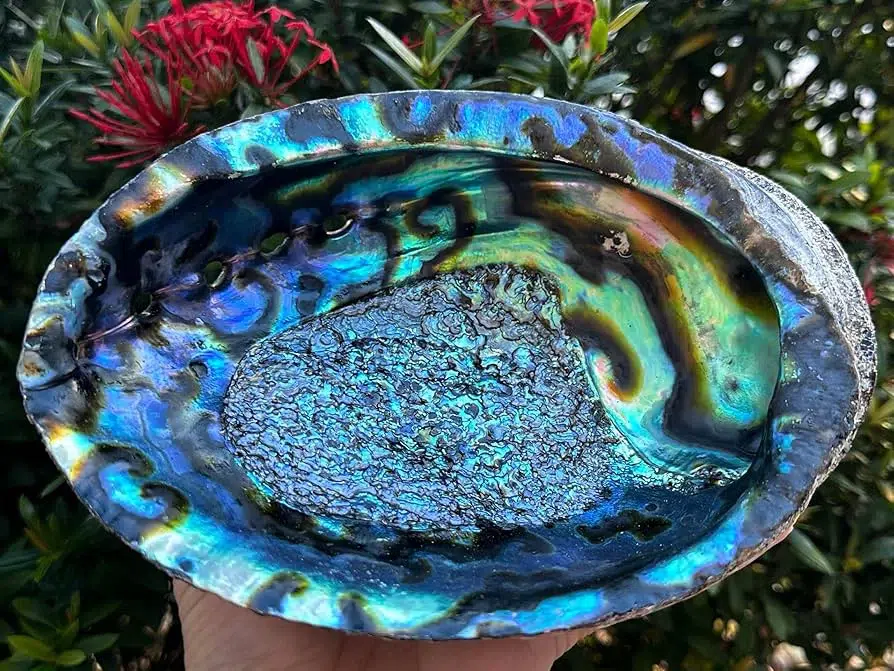
Abalone
Prized throughout Asia for centuries, abalone is one of the most coveted shellfish in the world. Found in cold coastal waters and often harvested under challenging conditions, the mollusk’s firm texture and delicate flavor have made it a staple of celebratory banquets and luxury dining menus across the globe.
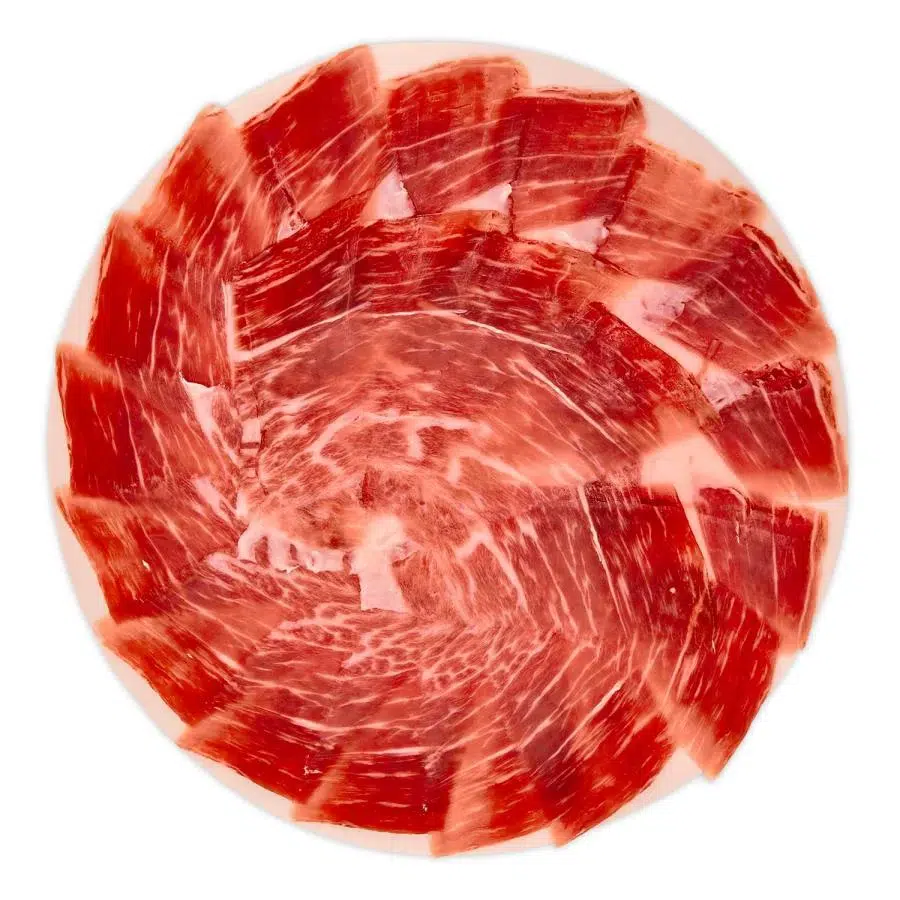
Jamón Ibérico de Bellota
Spain’s finest cured ham begins with a unique breed of black Iberian pigs raised on a diet of acorns during the montanera season. The result is a delicacy distinguished by its complex flavor, remarkable marbling, and melt-in-your-mouth texture. Aged for years and sliced paper-thin, Jamón Ibérico de Bellota is widely considered one of the world’s greatest charcuterie traditions.
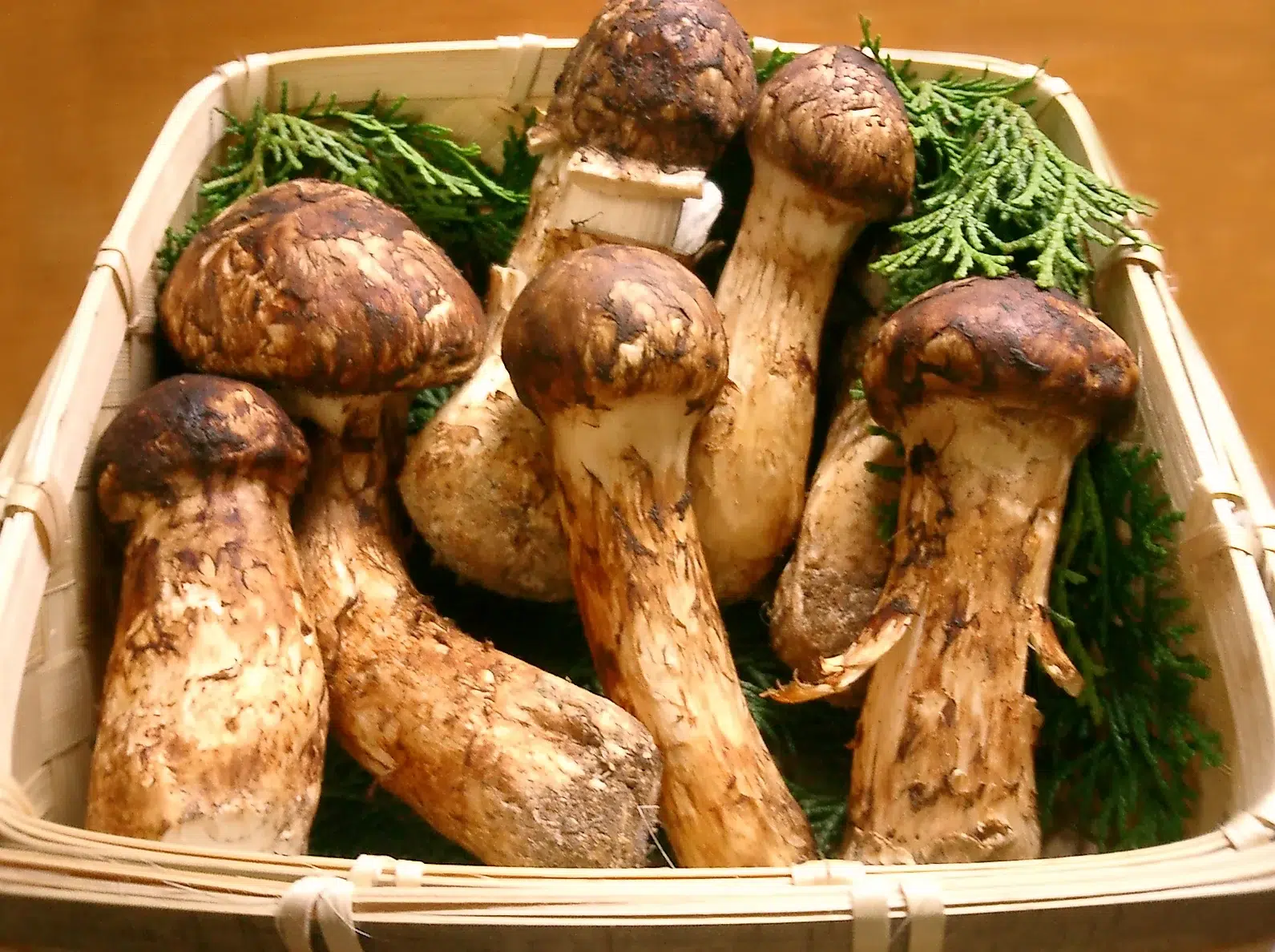
Matsutake Mushrooms
Among Japan’s most revered culinary treasures, Matsutake mushrooms are celebrated for their distinctive aroma and extreme rarity. Their inability to be commercially cultivated means supply depends entirely on nature, making exceptional specimens highly prized by chefs and collectors alike.
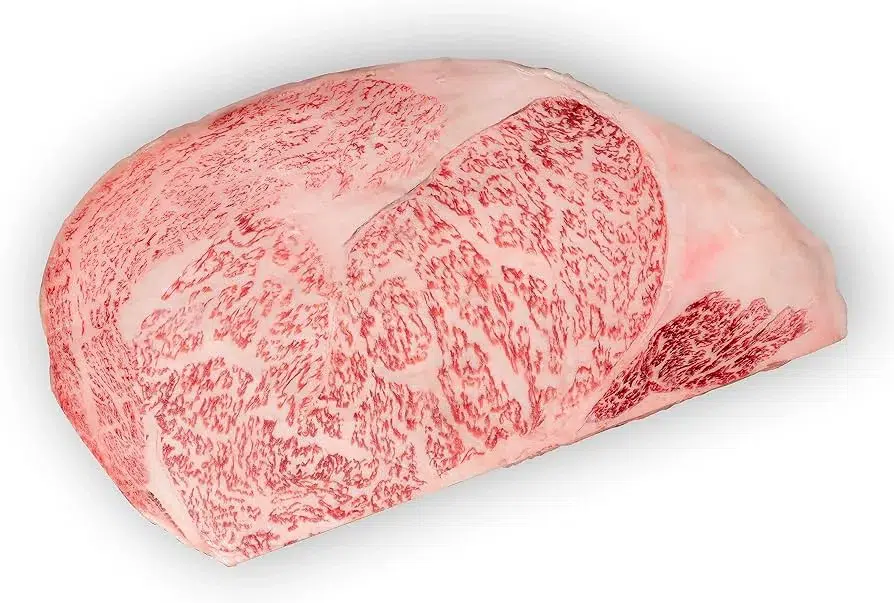
A5 Japanese Wagyu
Renowned for its extraordinary marbling and unparalleled tenderness, authentic A5 Wagyu represents the highest grade awarded to Japanese beef. Raised under strict standards and produced in limited quantities, it remains one of the most luxurious dining experiences available anywhere in the world.
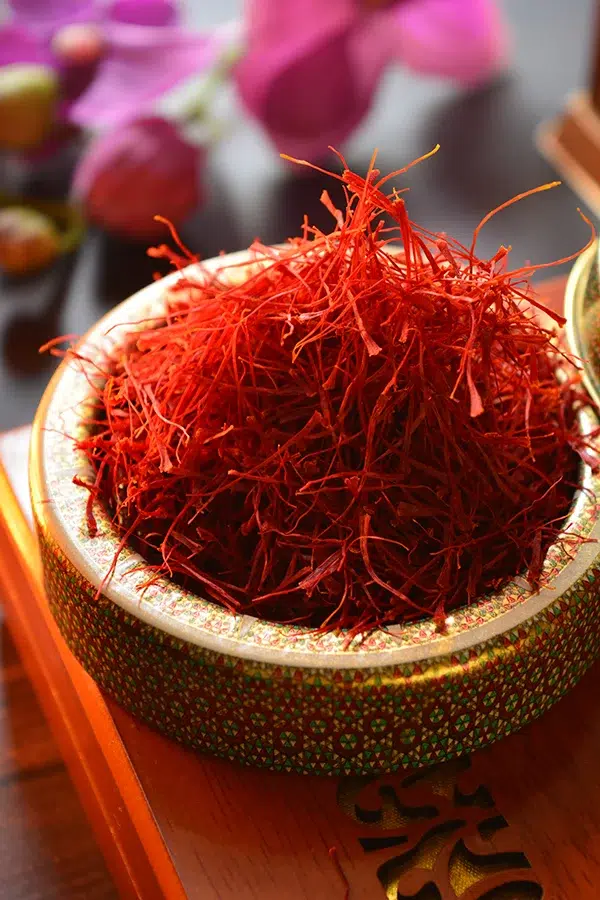
Saffron
Known as “red gold,” saffron remains the world’s most expensive spice by weight. Each thread must be harvested by hand from the Crocus sativus flower, requiring thousands of blossoms to produce even a small quantity. Its labor-intensive production and unmistakable aroma have made it a prized ingredient for centuries.
What unites these extraordinary ingredients is not merely their rarity but the dedication required to bring them to the table. They are products of geography, tradition, craftsmanship, and patience—qualities increasingly valued in a world where true scarcity has become increasingly difficult to find.
For luxury travelers and culinary enthusiasts, these ingredients offer something far more meaningful than exclusivity. They provide a connection to places, cultures, and traditions that have spent generations perfecting their craft.
In the end, the world’s most coveted ingredients remind us that the greatest luxuries are often those that cannot be manufactured, accelerated, or replicated. They must be discovered, protected, and savored.