In Miami, the most coveted reservation is rarely about dinner alone. It may promise a view across Biscayne Bay, a seat close enough to watch a chef slice pristine fish, or entry into a dining room where architecture, music, and fashion are choreographed as carefully as the menu.
The city’s restaurant culture has always understood spectacle. What has changed is the caliber of the cooking beneath it. Miami’s newest generation of restaurants is pairing its instinct for glamour with rigorous technique, increasingly personal culinary identities and interiors conceived to transport diners well beyond South Florida.
Some of the city’s most sought-after tables are polished, expansive and unabashedly theatrical. Others consist of little more than a chef, a counter and a dozen seats. Then there are the institutions that remain essential precisely because they have resisted reinvention.
From North Miami Beach to Brickell Key, these are the Miami restaurants worth securing a reservation for now.
Barra Callao, North Miami Beach
At Barra Callao, exclusivity is not manufactured by velvet ropes or impossible reservation algorithms. It is a consequence of geometry: there are only 12 seats.
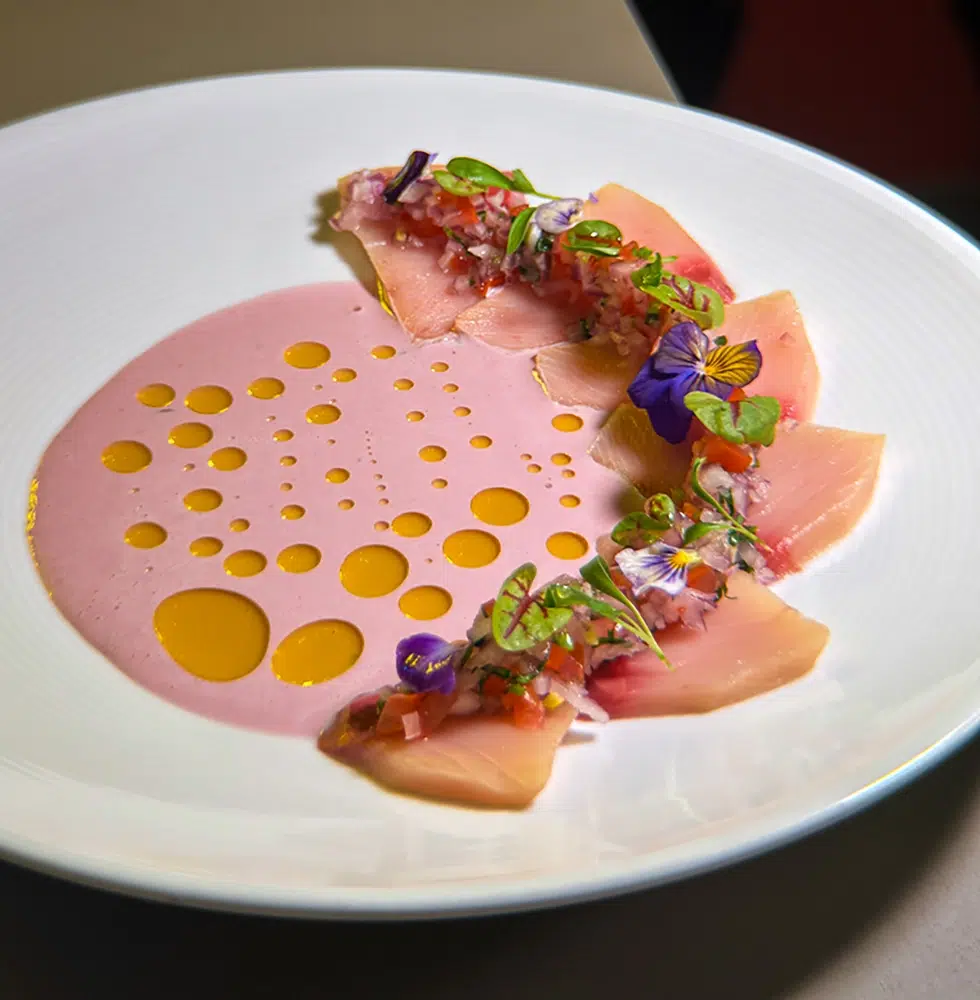
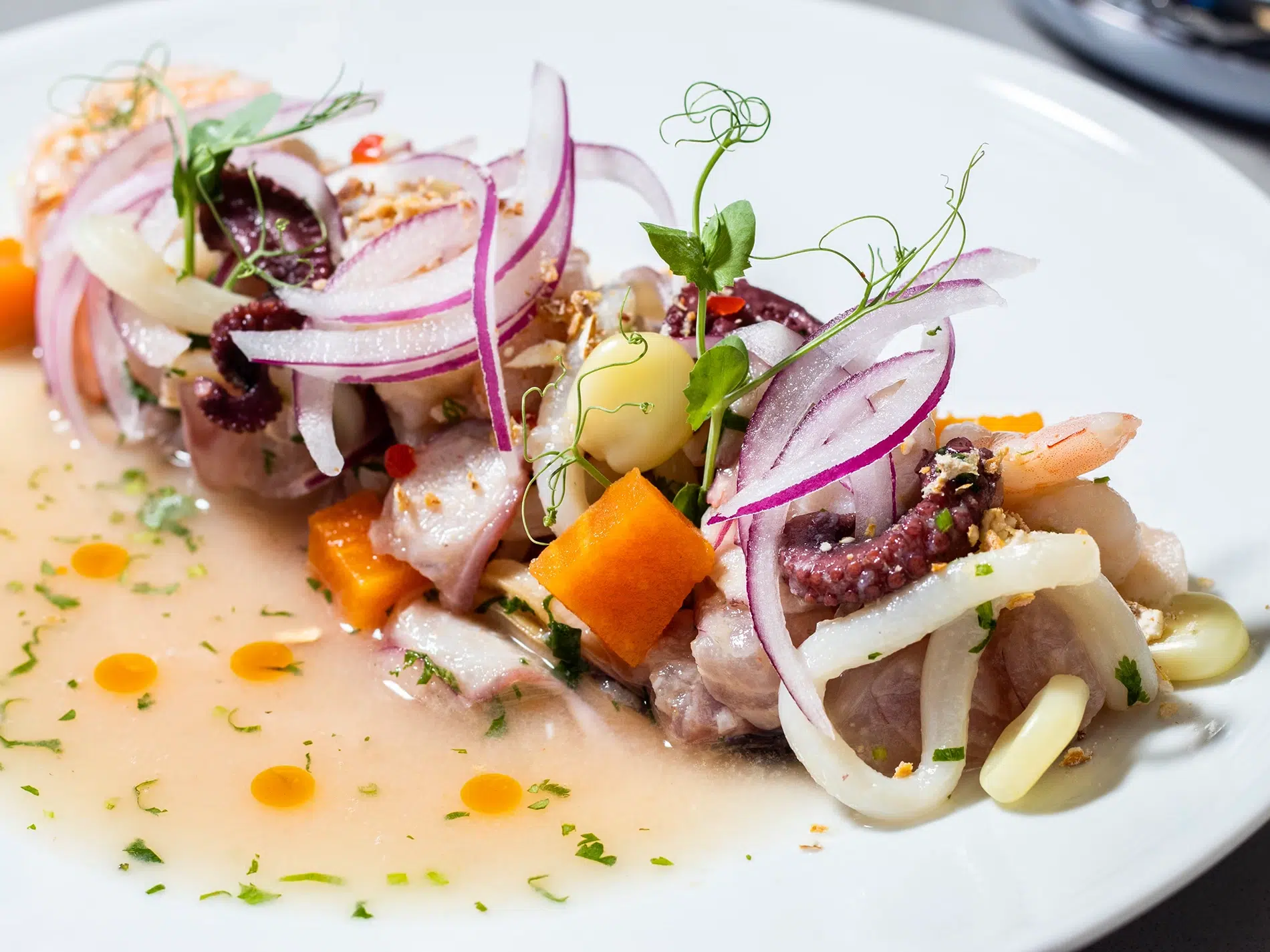
Chef Anthony Verastegui’s intimate counter explores Nikkei cuisine through the language of Peru and Japan, bringing Japanese precision to the citrus, chiles, and vivid flavors of his Peruvian heritage. The restaurant describes its cooking as seasonal and ingredient-driven, with ceviches and raw seafood playing central roles.
The setting places guests close enough to observe the smallest gestures—the angle of a knife, the placement of a garnish, the final spoonful of leche de tigre. Dinner becomes a conversation between chef, ingredient, and diner rather than a performance viewed from across the room.
Barra Callao received a Bib Gourmand in the 2026 Michelin Guide, an acknowledgment of the restaurant’s ability to deliver exceptional cooking without the ceremony or pricing of conventional fine dining. In a city that often believes bigger is better, its restraint feels quietly radical.
Sunkissed, Brickell
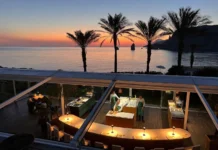
Sunkissed arrives in Brickell with all the elements Miami dining knows how to amplify: waterfront views, raw seafood, tropical cocktails and a room designed to carry dinner effortlessly into late night.
Located at the Four Ambassadors on Brickell Bay Drive, the restaurant emphasizes locally sourced seafood and Miami-influenced flavors. Its menu moves from oysters and raw preparations to small plates and more substantial dishes, supported by cocktails bearing distinctly local names.
Yet the appeal of Sunkissed lies as much in its rhythm as its food. This is the sort of restaurant conceived for the golden transition between day and evening, when the skyline begins to glow, and a table by the water becomes the most valuable piece of real estate in the room.
Miami has no shortage of waterfront restaurants. The challenge is creating one that feels contemporary rather than predictable. Sunkissed makes its case with polish, energy and an understanding that the city’s best nights rarely end after the entrée.
Yamashiro Miami, Downtown Miami
For more than a century, Yamashiro’s Hollywood predecessor has occupied a dramatic hilltop above Los Angeles. Its Miami incarnation translates that sense of occasion to the ninth floor of the Gale Hotel & Residences in Downtown Miami.
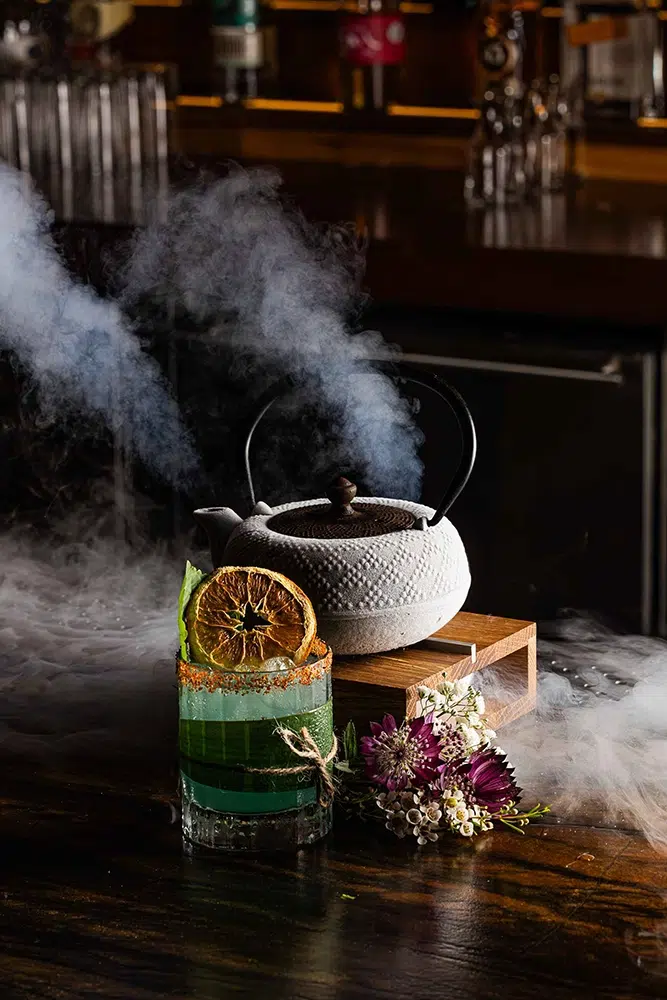
The restaurant combines Japanese-inspired architecture, skyline views and a menu spanning sushi, hand rolls, robata and wagyu. Signature dishes include a wagyu sando, A5 fried rice and elaborate specialty rolls, while the cocktail program favors tableside presentation and visual theater.
Yamashiro is not attempting to be a hushed temple of Japanese minimalism. It is immersive, glamorous and deliberately cinematic. The room is designed to make arrival feel significant, particularly after sunset, when Downtown Miami becomes part of the décor.
The best approach is to embrace the production: dress well, order expansively and allow dinner to unfold with the grandeur of an evening out rather than the efficiency of a meal.
To Be Determined, Coral Gables
The name may suggest indecision. The restaurant itself does not.
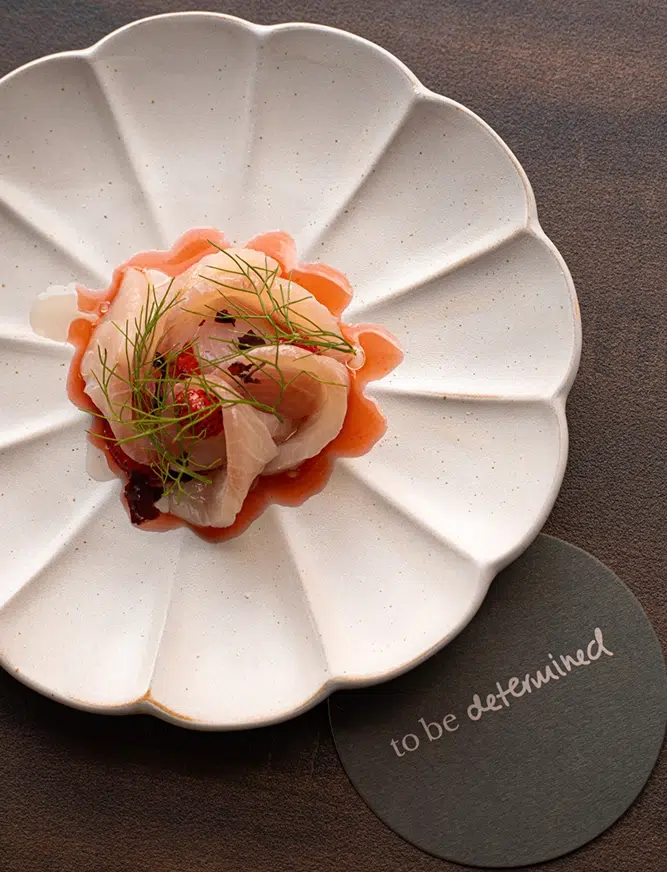
To Be Determined, often shortened to TBD, is a dark, intimate wine bar and restaurant where the concise seasonal menu changes regularly. The cooking is eclectic rather than confined to a single region, allowing the kitchen to follow ingredients, instinct, and the character of the wines being poured.
Located on Southwest 32nd Avenue near Coral Gables, TBD earned a Bib Gourmand in the 2026 Michelin Guide. Its success offers a useful counterpoint to Miami’s grander dining rooms. There is no need for a waterfront terrace or celebrity-backed spectacle when a restaurant has confidence, good bottles and a kitchen willing to take risks.
This is the table for diners who prefer discovery to predictability. The pleasure lies in relinquishing expectations and allowing the evening to be determined by what is best at that particular moment.
Nami Nori, Miami Design District
Nami Nori has transformed the hand roll from a quick pleasure into an elegant study in texture, temperature and timing.
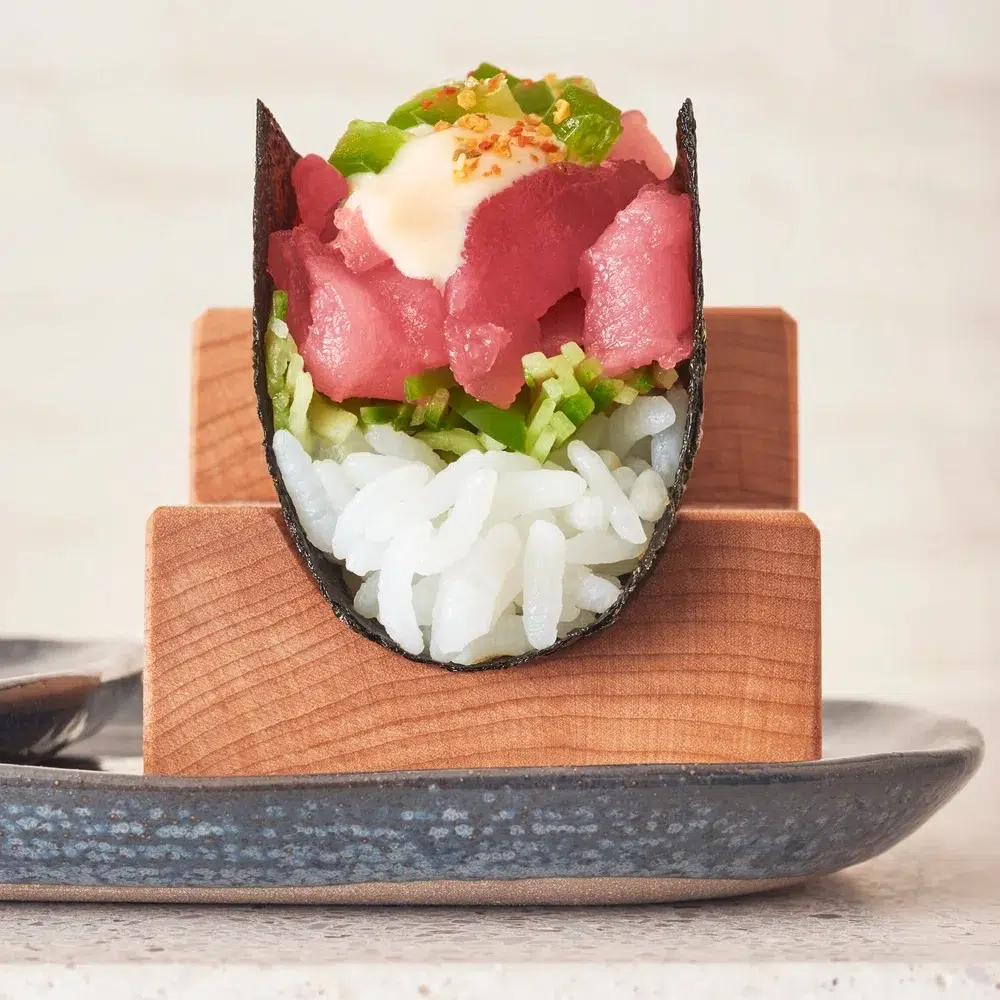
Its Design District location specializes in open-style temaki, presented in crisp sheets of nori with seafood, rice and carefully composed garnishes arranged visibly across the top. The restaurant’s interiors draw from Japanese residences and modern beach houses, using soft neutral tones, natural materials and a quietly imperfect wabi-sabi sensibility.
The format encourages spontaneity. Diners can order individual hand rolls or progress through a curated selection, each arriving at the point when the nori remains crisp and the rice properly warm.
Upstairs, Matsuyoi offers a more exclusive experience around a 10-seat chef’s counter, with a seasonally changing menu and nori toasted to order. The pairing makes Nami Nori unusually versatile: relaxed enough for lunch, yet sufficiently refined to anchor a destination dinner.
Luca Osteria, Coral Gables
At Luca Osteria, chef Giorgio Rapicavoli approaches Italian cooking with affection rather than reverence. The traditions are recognizable, but they are rarely left untouched.
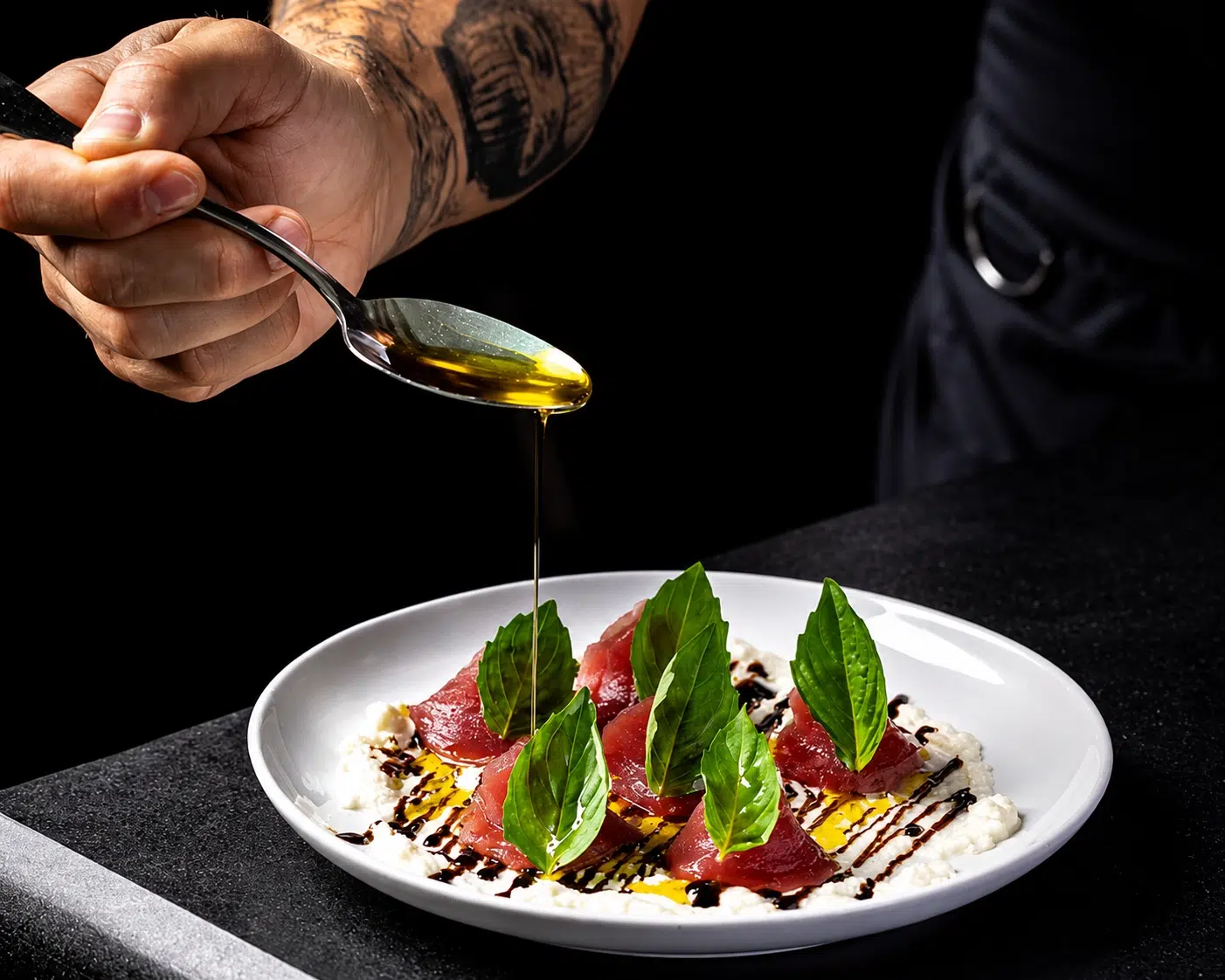
The Coral Gables restaurant focuses on seasonal ingredients, house-made pasta, a serious wine program and Italian classics reimagined through Rapicavoli’s distinctly Miami perspective. The cooking is indulgent without becoming heavy, technically assured without losing its warmth.
Luca’s most celebrated dishes have a way of sounding familiar until they arrive. Pasta may be enriched, intensified or given an unexpected counterpoint, while simple ingredients are treated with the attention more commonly reserved for luxury products.
Its Giralda Avenue location adds to the appeal. The street has become one of Coral Gables’ most convivial dining corridors, and Luca feels completely at home there: energetic, polished and sufficiently relaxed that ordering one more plate seems not only reasonable, but inevitable.
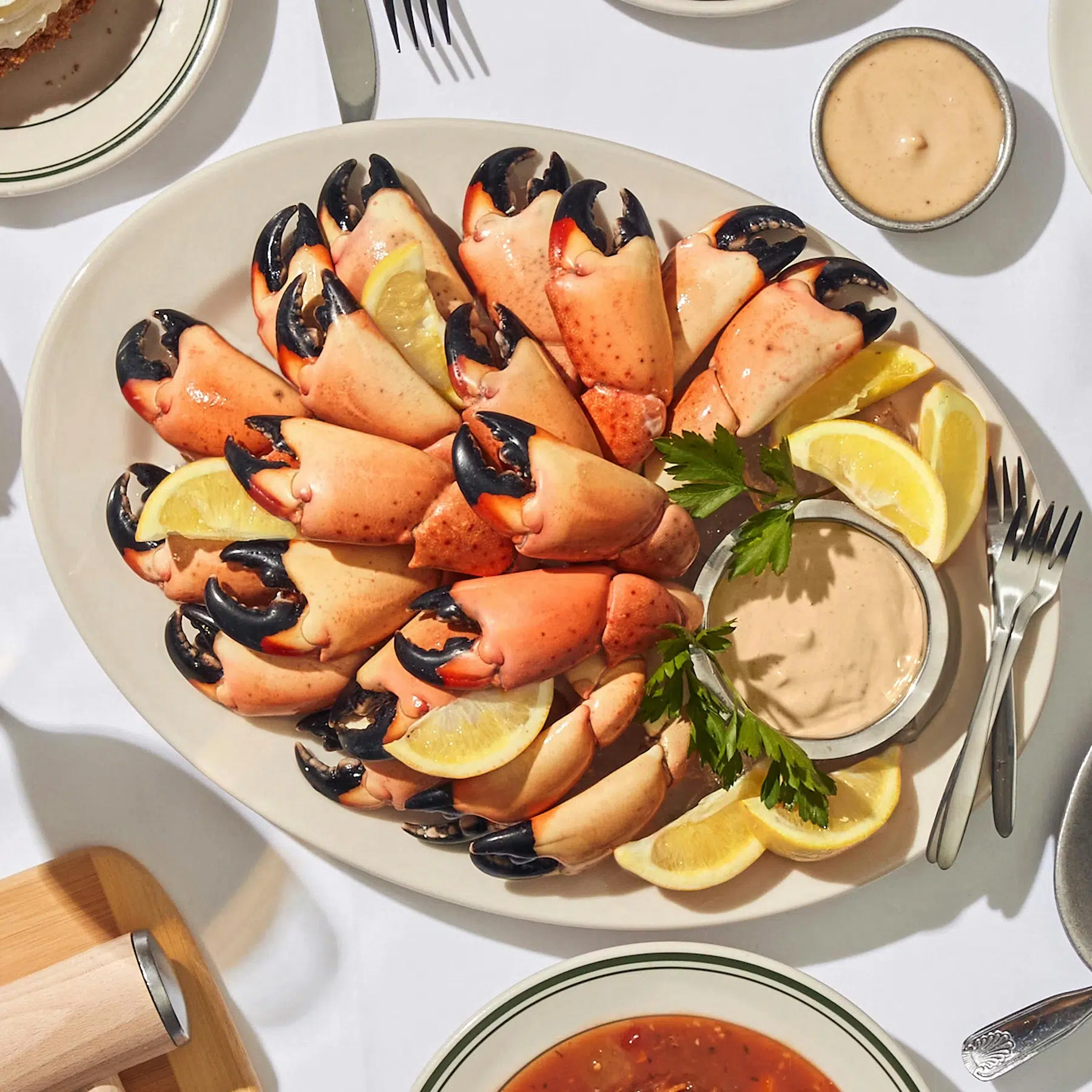
Joe’s Stone Crab, South Beach
Miami changes at remarkable speed. Joe’s Stone Crab endures.
Joe Weiss opened a small lunch counter in Miami Beach in 1913, before South Beach became an international synonym for glamour. Stone crab claws entered the restaurant’s story in the early 1920s and eventually became one of the city’s defining dishes.
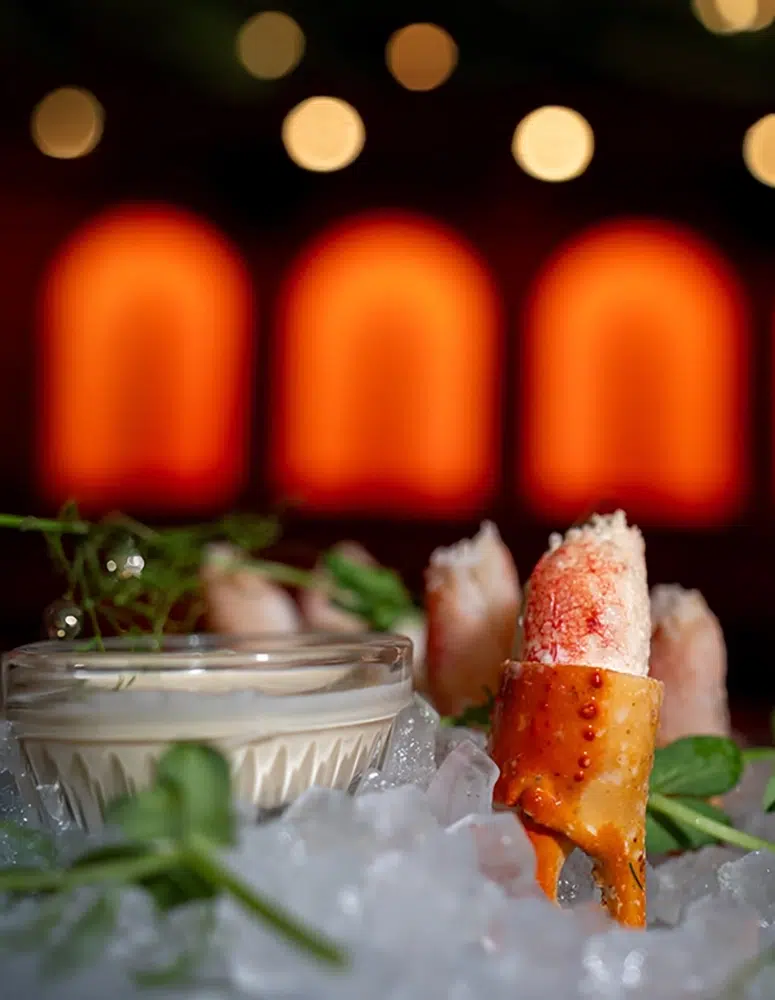
More than a century later, dining at Joe’s remains a ritual. The proper order begins with stone crab claws when they are in season, accompanied by the restaurant’s mustard sauce. Hash browns, creamed spinach and a slice of Key lime pie complete a meal that seems immune to fashion.
The room is bustling rather than precious, the service practiced and the atmosphere unmistakably Miami. Joe’s does not need to chase relevance because it helped establish the city’s dining identity.
Among the new openings and dramatic concepts on this list, it remains the reservation that every visitor should make at least once and that many locals continue making for life.
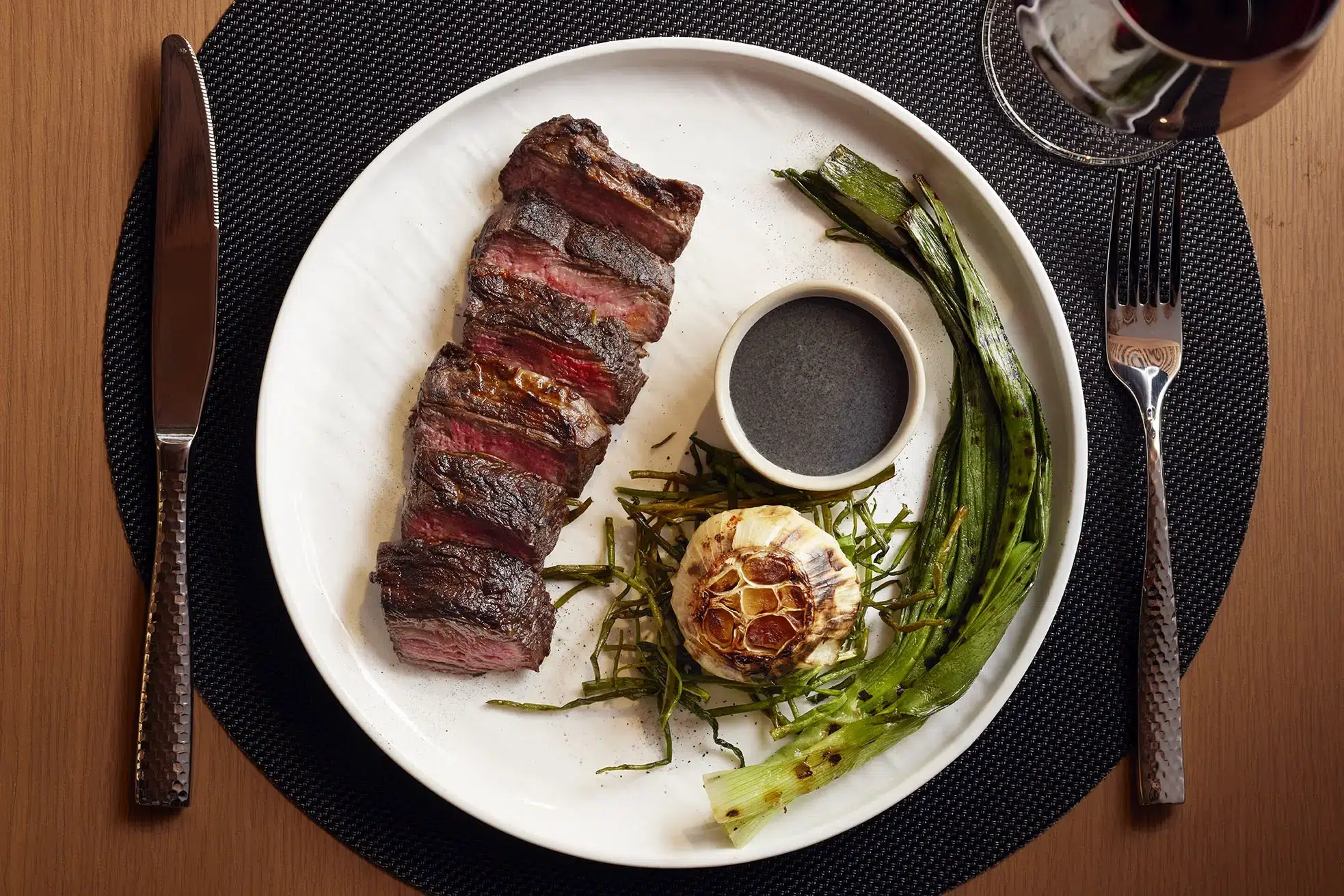
The Mexican, Brickell Key
The Mexican brings Northern Mexican cooking to one of Miami’s most privileged waterfront settings.
Located on Brickell Key, the 10,000-square-foot restaurant was designed by interior architect Paulina Morán and extends the aesthetic language of the brand’s Dallas flagship, previously recognized in the Prix Versailles design awards.
The dining room is rich, polished, and enveloping, with views of the water reinforcing the sense that this is not a casual neighborhood cantina. The menu embraces contemporary Mexican fine dining, presenting dishes with a level of ceremony appropriate to the surroundings.
Yet the most successful luxury restaurants understand that visual grandeur must create atmosphere rather than distraction. The Mexican’s design does precisely that, framing the meal while giving Brickell Key a destination restaurant worthy of its address.
Come for the architecture and waterfront terrace. Stay for a dining experience that treats Mexican cuisine with both pride and opulence.
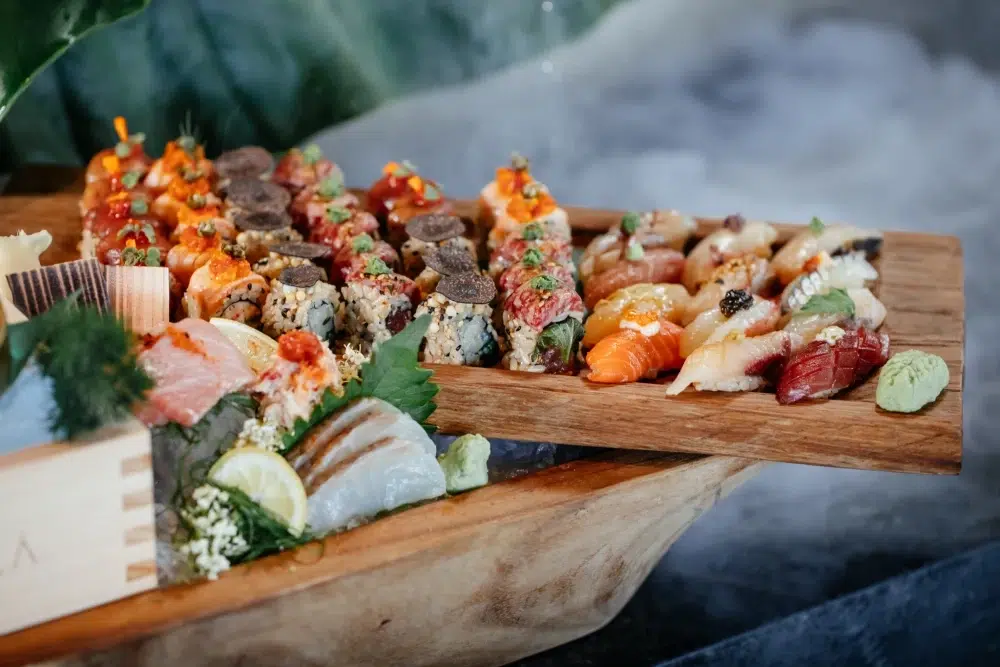
MILA, South Beach
MILA is less a restaurant than a carefully constructed universe.
Situated above Meridian Avenue in Miami Beach, the multi-level concept includes a rooftop restaurant, lounge, members-only space, and an intimate omakase room. The principal restaurant describes its cuisine as MediterrAsian, moving between the shores of the Mediterranean and Japan through dishes intended for sharing.
Its design combines Cycladic simplicity with Japanese wabi-sabi influences, employing reclaimed wood, stone, handmade textiles, and sculptural works to create an environment that feels both elemental and highly orchestrated.
MILA understands the modern Miami diner exceptionally well. Dinner is expected to be delicious, certainly, but it must also provide atmosphere, social currency and the possibility that the night will become something larger.
The rooftop begins with polished dining and gradually gathers energy as the evening progresses. For a more focused experience, MILA Omakase offers two nightly seatings at an enclosed 10-seat counter.
It is glamorous, theatrical, and unmistakably Miami, which is precisely the point.
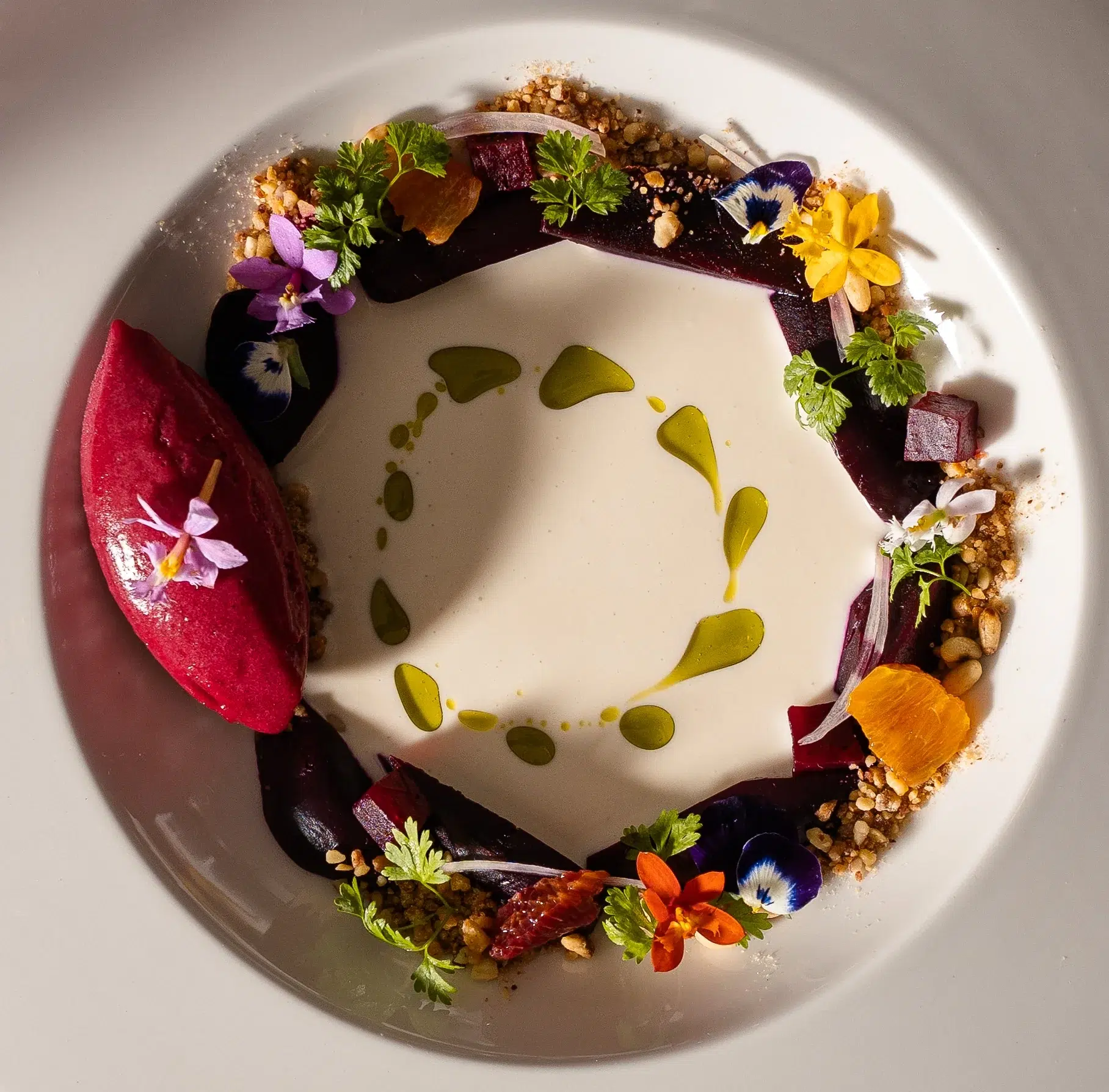
Mutra, North Miami
Mutra is the restaurant that gives this list its most compelling culinary punctuation.
Chef Raz Shabtai named the restaurant for his grandmother, whose cooking shaped his earliest understanding of food and hospitality. His cuisine draws from Levantine, Galilean, North Israeli and Baladi influences, while incorporating the ingredients and culinary traditions of Miami.
The menu is playful in language but serious in execution. Kubaneh may arrive with vegan yogurt, tomato foam and olives; maitake mushrooms become a steak; freekeh is paired with sumac-basted beef and labneh. The offerings change with the seasons and reflect a farm-to-table relationship with local producers.
At the center of the room is an expansive chef’s counter, placing diners within the rhythm of the kitchen. Pickled vegetables, weathered tiles and modern detailing evoke Jerusalem without slipping into nostalgia.
In May 2026, Michelin awarded Mutra its first star, making it one of the most important reservations in Miami’s rapidly evolving culinary landscape.
It is proof that the city’s next great dining chapter may be written not in South Beach or Brickell, but in a deeply personal restaurant in North Miami.
The Reservation as Destination
Miami’s most desirable restaurants reveal a city increasingly comfortable with its contradictions. It can still deliver spectacle better than almost anywhere, yet some of its most exciting cooking now takes place in intimate counters and understated neighborhood rooms.
The city no longer needs to choose between glamour and substance. Its best restaurants understand that one can heighten the other: a beautifully designed room sharpens anticipation, while confident cooking gives the evening something more enduring than an Instagram post.
A difficult reservation may open the door. What happens at the table determines whether guests return.