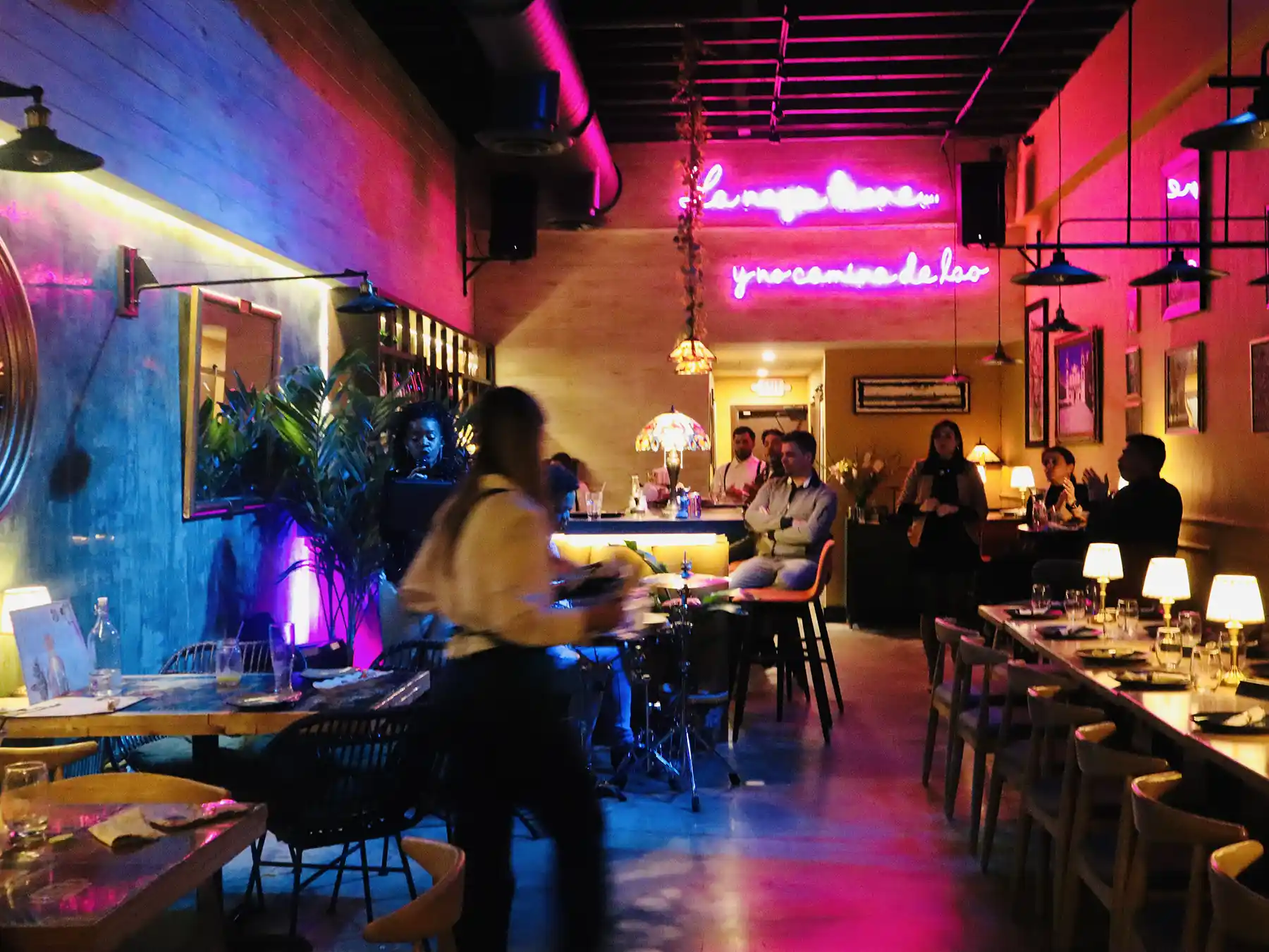
There are restaurants that evoke a destination, and there are those that become an extension of it. Tumba’o belongs to the latter, an immersive expression of Havana shaped by memory, rhythm, and the quiet resilience of cultural identity. It is a space where heritage is not referenced for effect, but carried with intention, unfolding across atmosphere, flavor, and experience.
At its core, Tumba’o draws inspiration from Celia Cruz, whose voice and presence came to define not only an era of music but a way of enduring beyond borders. Her journey, marked by displacement, reinvention, and unwavering spirit, forms the emotional architecture of the concept. It reflects a truth familiar to many: that culture is not left behind, but reinterpreted, preserved, and expressed anew wherever life continues, particularly in cities like Miami.
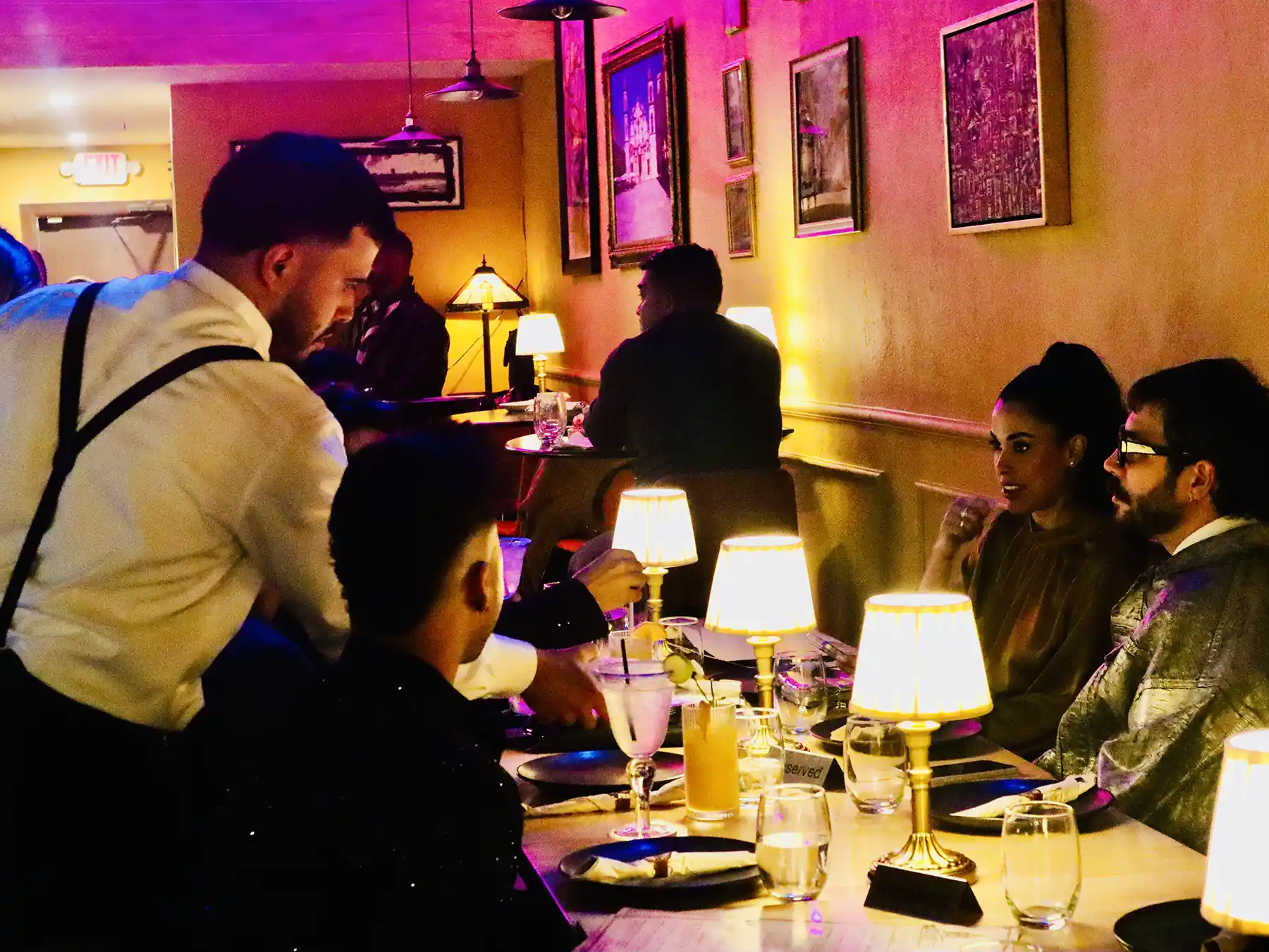
Under new ownership, the restaurant has been reimagined with a deeper sense of narrative. The vision moves beyond aesthetics, shaping a dining experience that feels both intimate and expansive. Each dish becomes a point of reference, a carefully composed gesture that speaks to place, memory, and lineage.



Beyond the plate, Tumba’o reveals its sensibility through atmosphere. The interiors are composed with restraint, balancing vintage Havana references with a contemporary clarity that avoids nostalgia as ornament. Light, texture, and tone work in quiet harmony, creating a setting that feels both transportive and composed. There is a rhythm to the space, subtle, assured, and reflective of the music that inspired it.

What ultimately defines Tumba’o is not its aesthetic or even its cuisine, but its perspective. It understands that identity is layered, that memory is selective, and that the act of gathering, around a table, around a story, can carry meaning far beyond the moment itself.
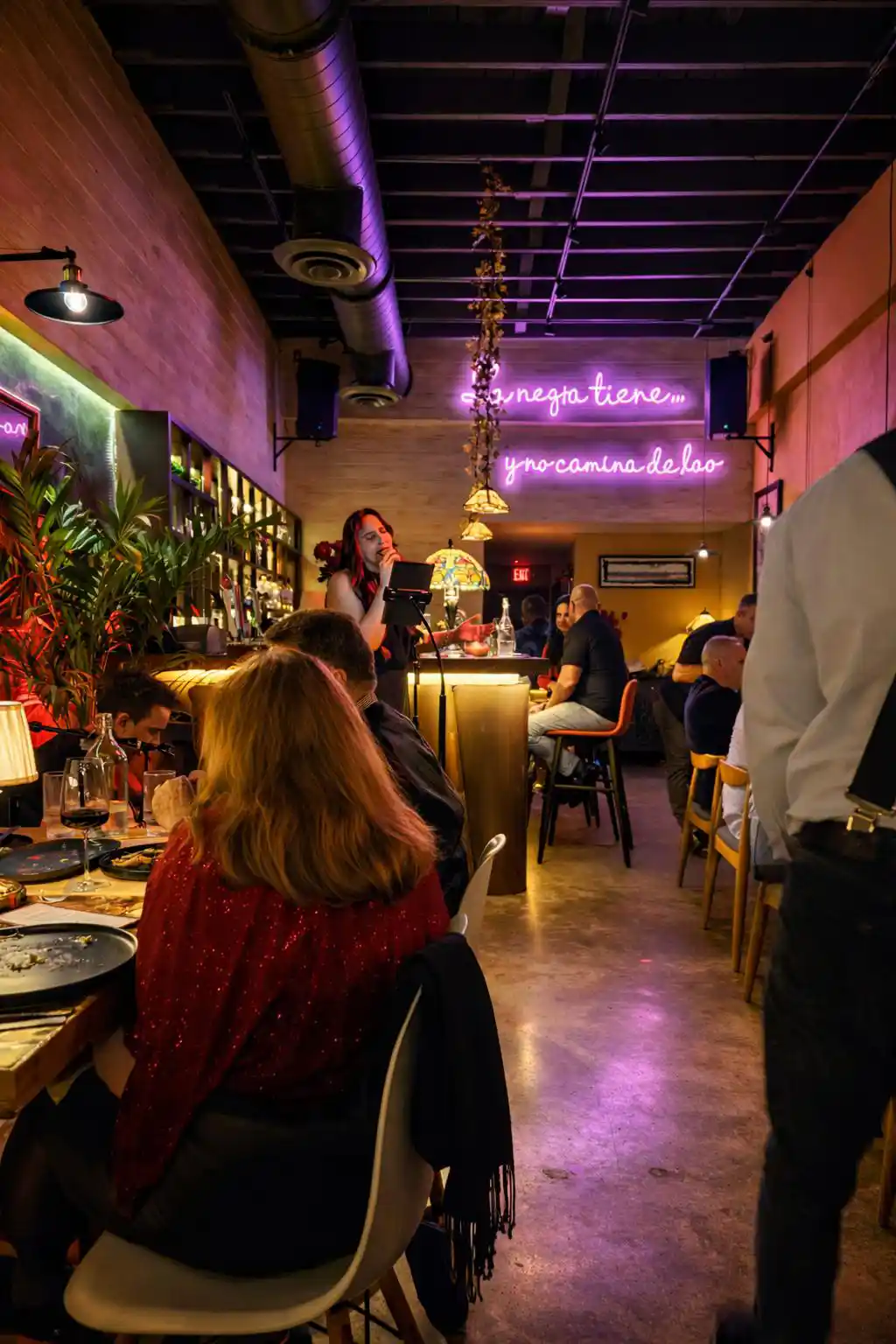
In this way, Tumba’o transcends the idea of a restaurant. It becomes a reflection of movement, of heritage, of the enduring instinct to hold on to where one comes from while continuing to move forward.
And like the rhythm that gives it its name, it lingers, measured, expressive, and impossible to forget.