Türkiye is no longer an emerging culinary destination—it is a defined one. The latest Michelin Guide selection for 2026 confirms what many in the industry have already recognized: the country has entered a new and confident chapter.
What distinguishes this moment is not expansion alone, but cohesion. With the inclusion of Cappadocia for the first time, the Guide now spans a broader and more representative culinary landscape, joining Istanbul, Izmir, and Muğla. Together, these regions reveal a country defined not by a single cuisine, but by a collection of distinct, place-driven expressions, many of which are increasingly complemented by the country’s evolving portfolio of luxury hotels in Turkey.
The addition of 54 new restaurants further underscores that depth. Yet the more significant shift lies ahead: beginning next year, the Guide will evaluate Türkiye as a unified gastronomic destination. It is a subtle but decisive recognition of a culinary identity that now extends beyond individual cities.
That identity is grounded in terroir.
This is not reinvention—it is refinement.
Across the country, chefs are moving away from interpretation for its own sake, choosing instead to elevate the ingredients and traditions that define their regions. The result is a cuisine that feels both rooted and contemporary—confident without being declarative.
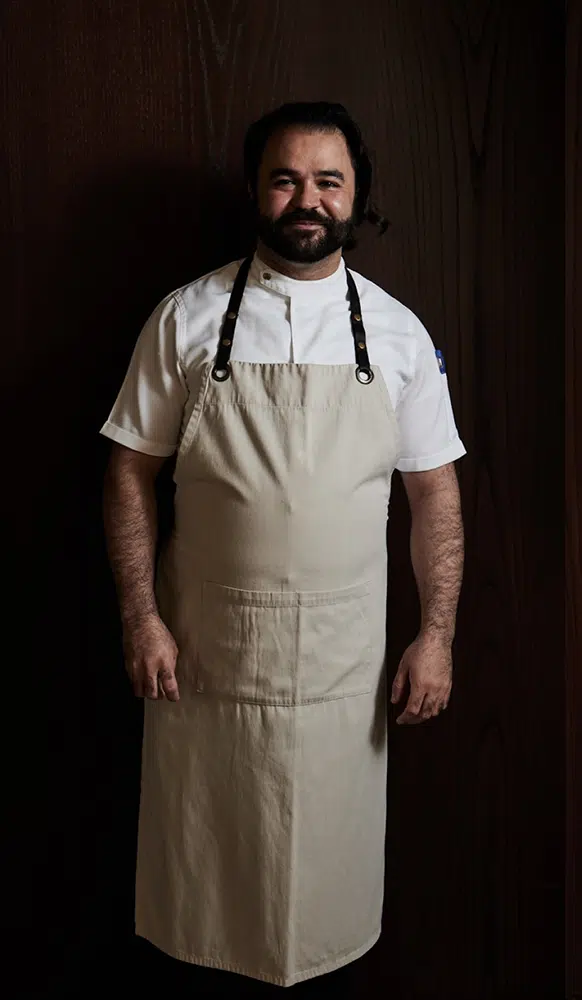
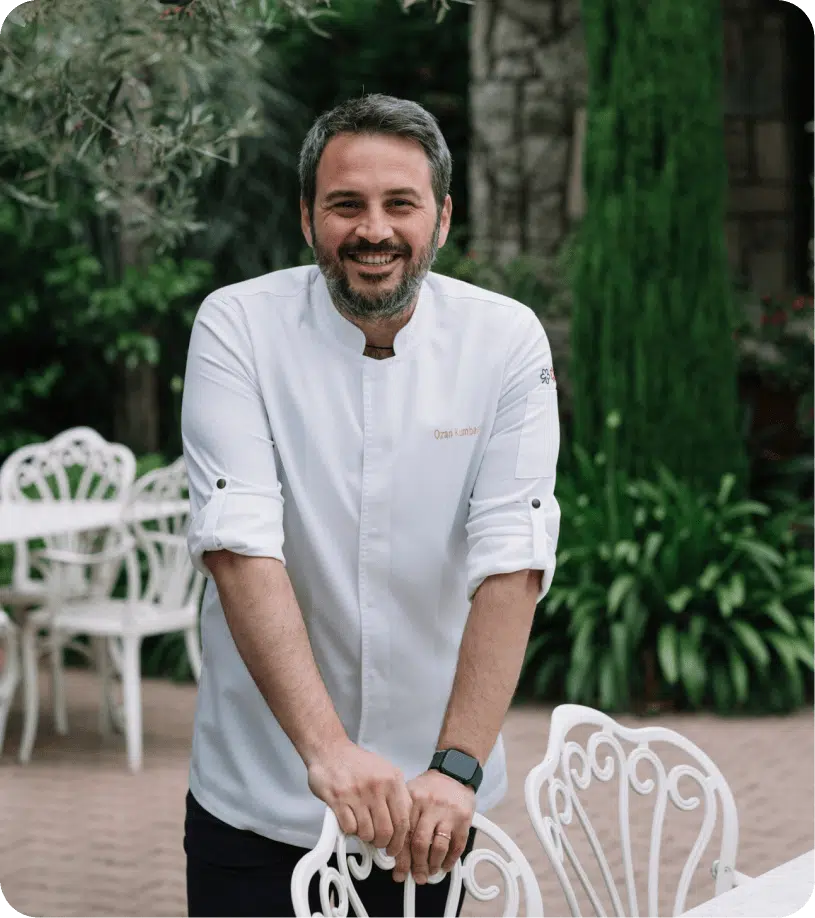
Nowhere is this evolution more apparent than at Vino Locale, which has become İzmir’s first restaurant to earn Two Michelin Stars. Under the direction of Ozan Kumbasar, the kitchen balances Turkish ingredients with restrained global influences, creating a dialogue between place and perspective rather than a departure from either.
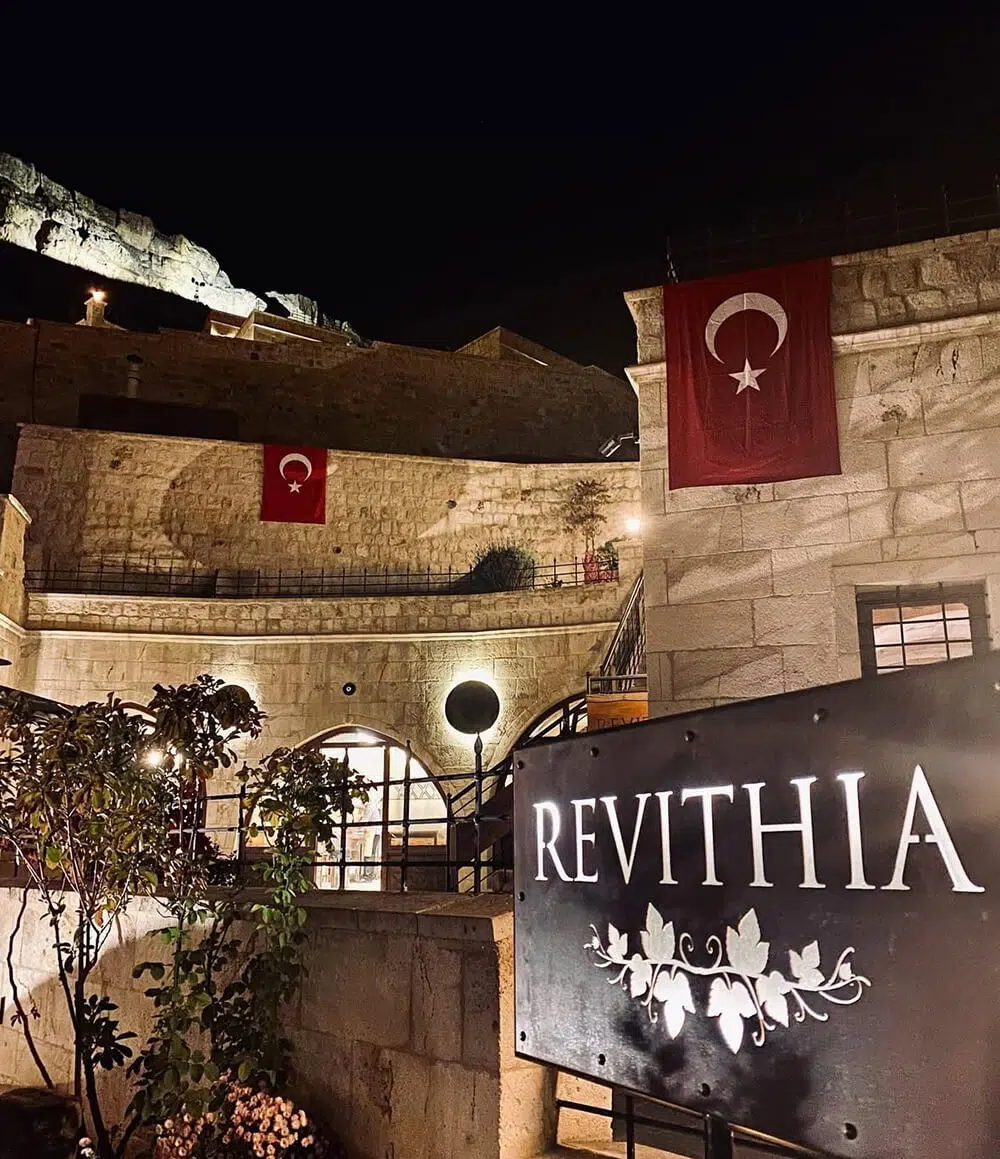
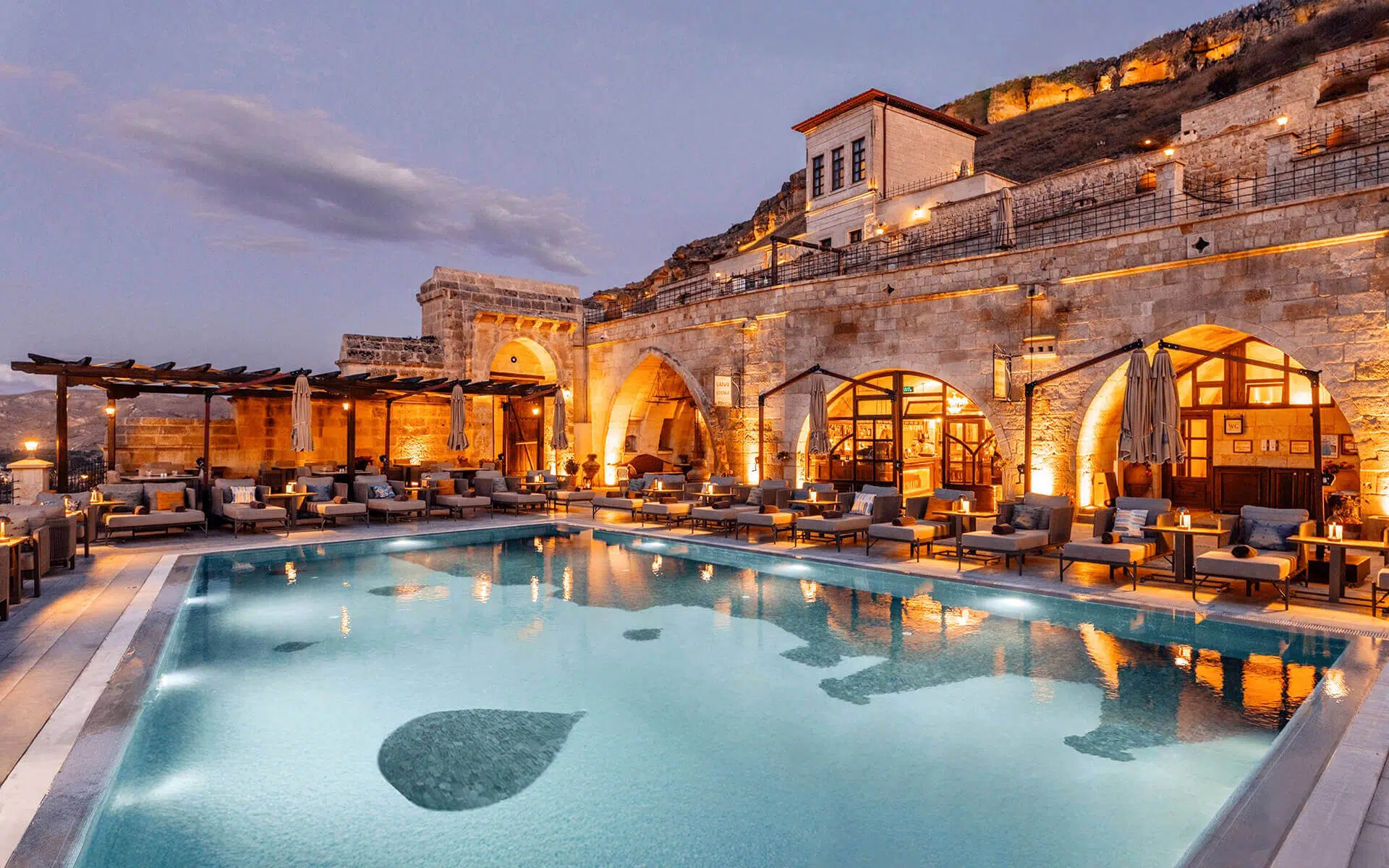
In Cappadocia, the arrival of Revithia marks another milestone, earning the region its first Michelin Star. Set within the historic Kayakapı site, the restaurant draws on deeply rooted Anatolian traditions—reinterpreted with a precision that respects both memory and modernity.
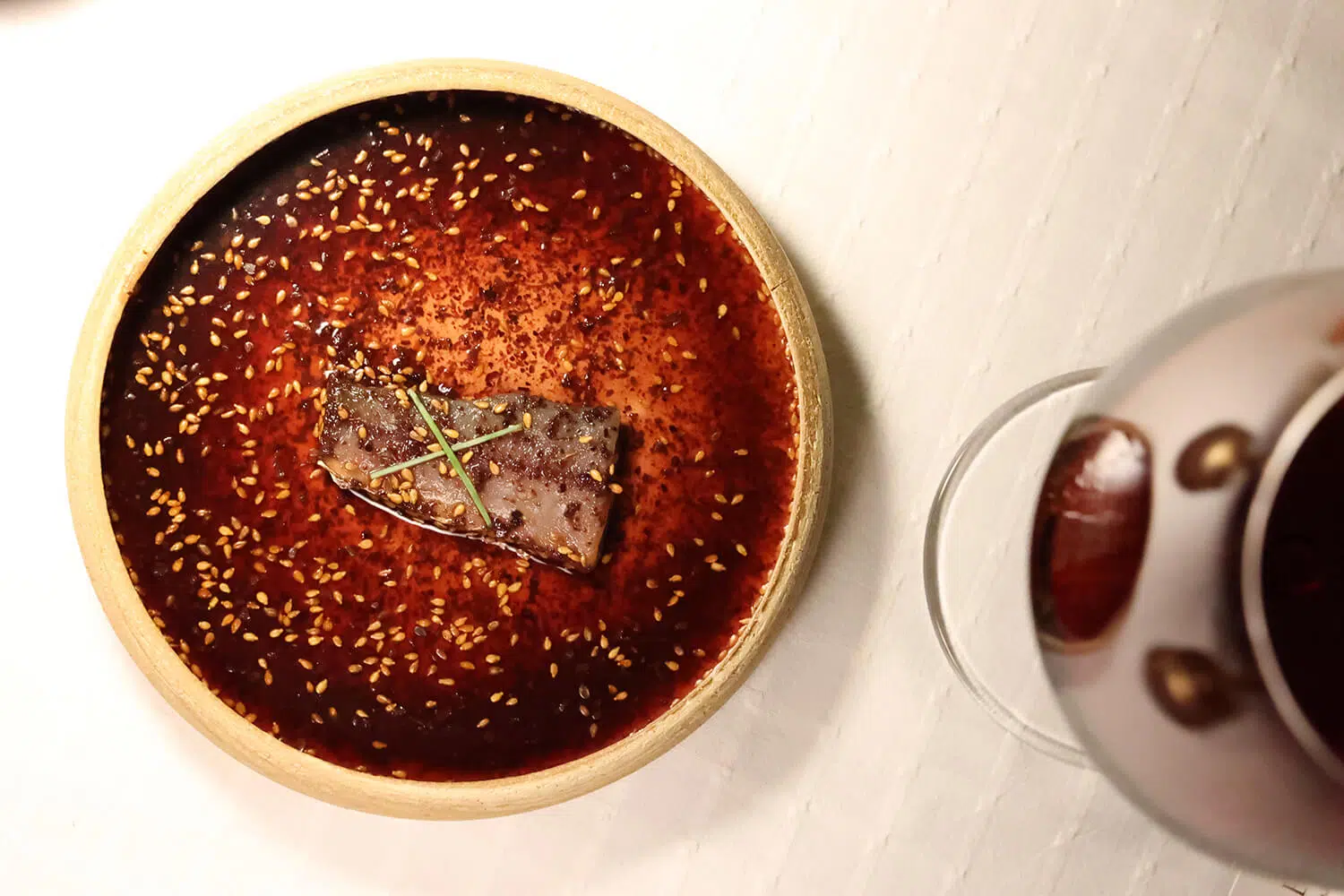
Istanbul continues to assert its role as a culinary anchor. At Araf, chefs Kenan Çetinkaya and Pınar Korgan Çetinkaya adopt an elemental approach, where fire, restraint, and clarity of flavor define the experience. It is cooking that feels immediate, yet deeply considered.
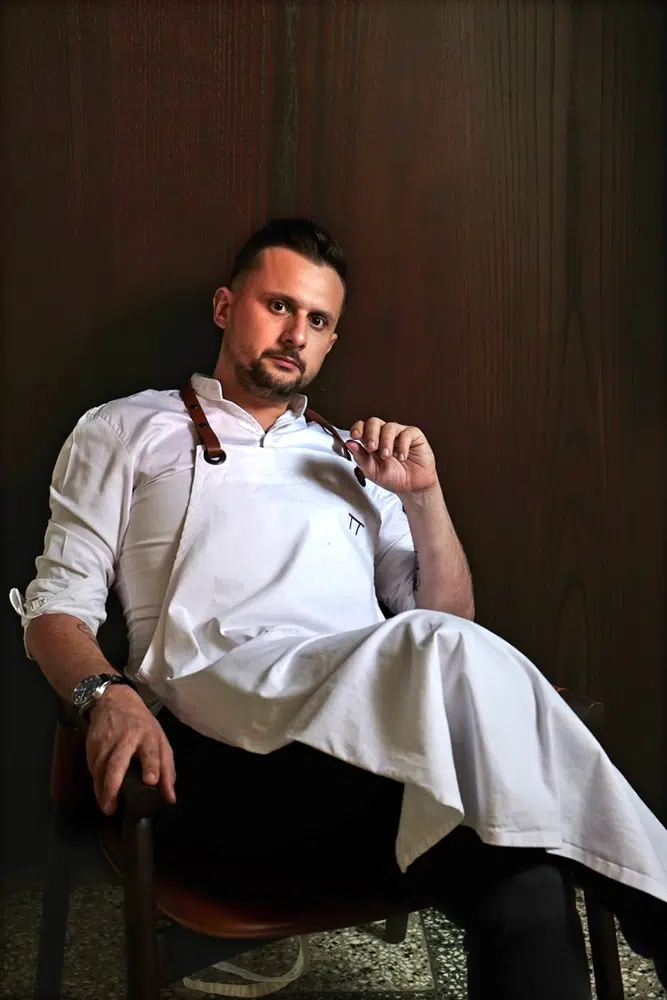
Further along the coast, Mezra Yalıkavak reflects a different interpretation of place. Set within a working farm, the restaurant draws on ancestral techniques—fermentation, wood fire, and preservation—applied with a quiet precision that allows each ingredient to remain central.
Collectively, these additions bring Türkiye’s total to fifteen Michelin One-Star restaurants, a figure that signals steady, deliberate growth rather than rapid expansion.
Beyond the stars, the Guide’s Bib Gourmand selections and Green Star recognitions reveal a broader shift within the country’s culinary culture—one that values accessibility and sustainability alongside excellence. Restaurants such as Neolokal and Teruar Urla demonstrate that innovation and responsibility are no longer separate ambitions, but aligned ones.
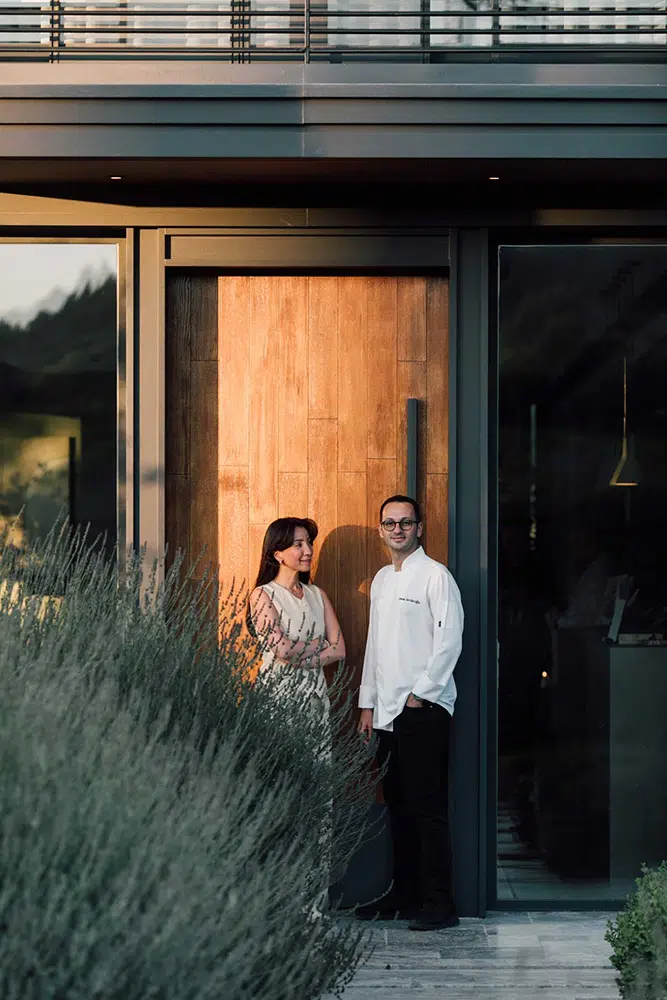
Individual recognition further reinforces this evolution. Chefs, sommeliers, and service professionals are being acknowledged not only for technical skill, but for their role in shaping a more thoughtful and complete dining experience.
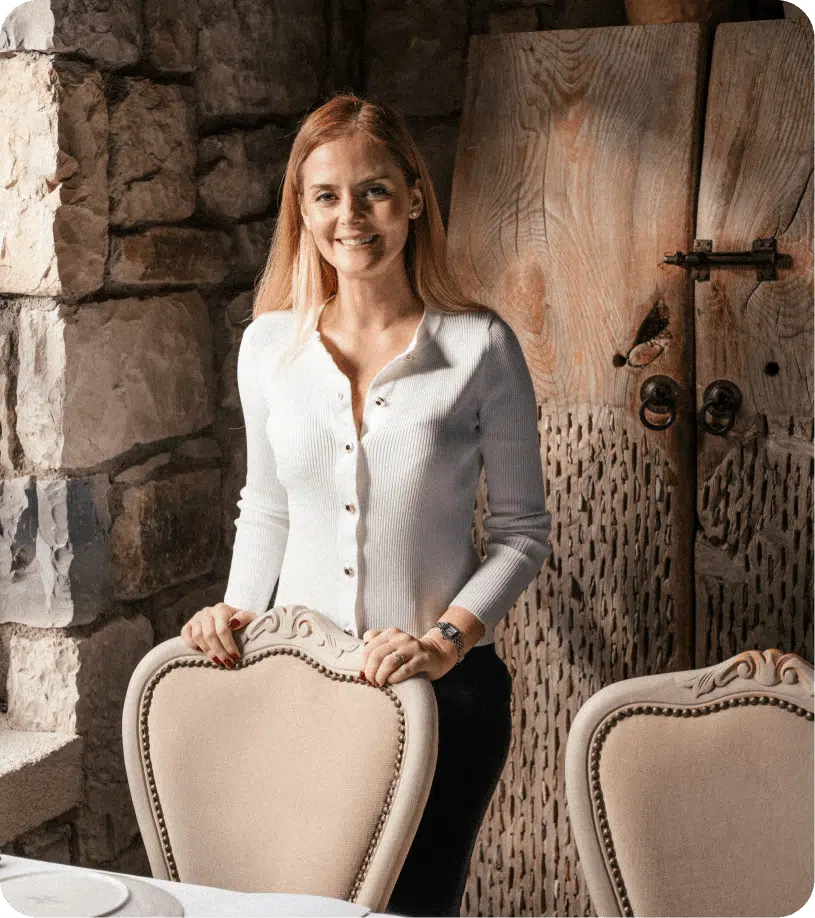
Taken as a whole, the 2026 selection reads less like an expansion—and more like a confirmation.
Türkiye’s culinary identity is no longer being defined in relation to the global stage.
It is defining itself.