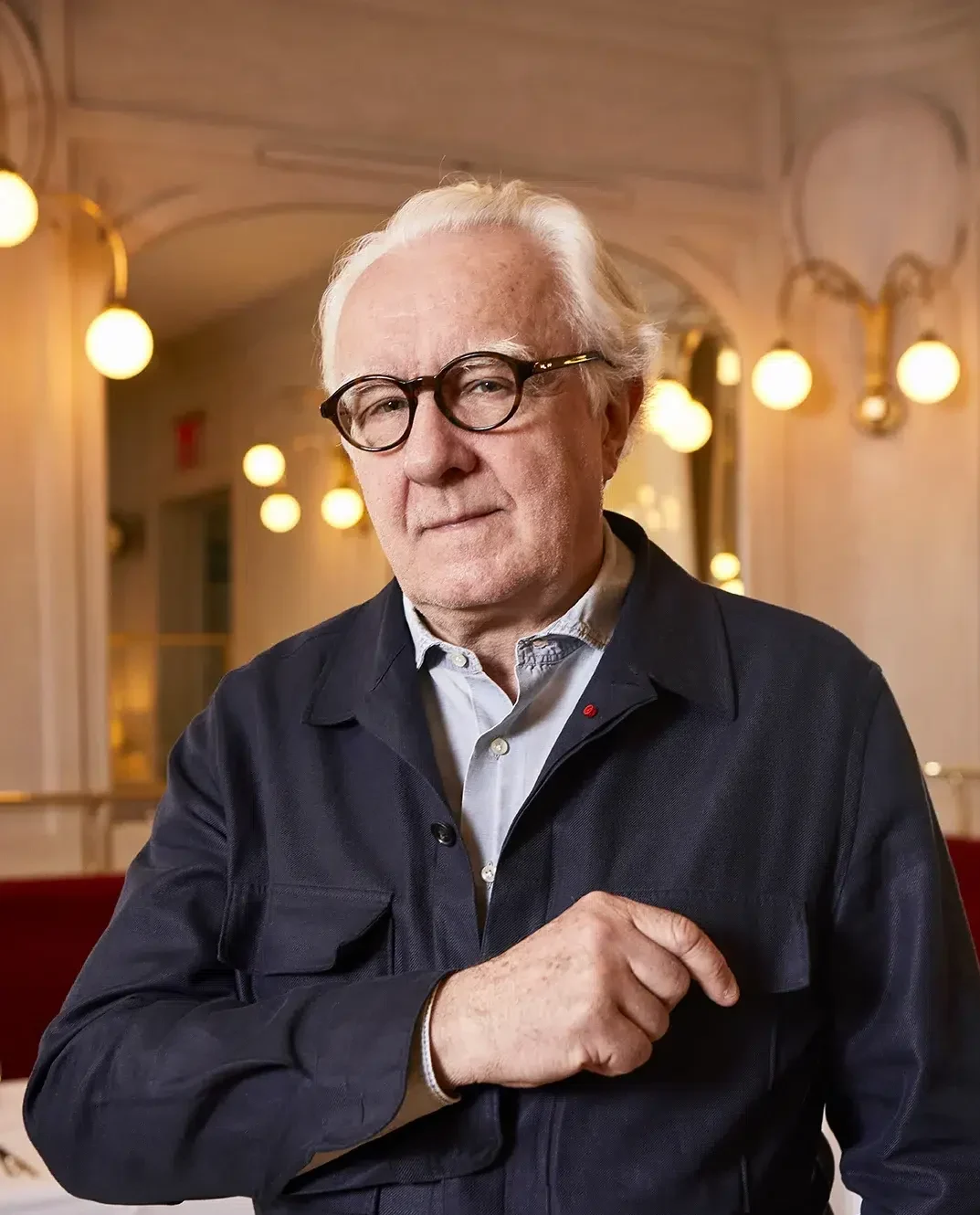
A celebrated chef, Alain Ducasse, talks exclusively with Upscale Living magazine about his restaurants, culinary philosophy, current food trends, and the future of cuisine.
With a chain of restaurants that spans the globe, we asked him about maintaining a coherent philosophy across the different culinary experiences, his take on current food trends, the future of cuisine, and closing questions pertaining to what kind of legacy he would like to leave behind.
On Your Restaurants and Culinary Philosophy
Your restaurants span fine dining, bistros, chocolate manufacture, cooking schools, and sustainable concepts. How do you maintain a coherent philosophy across such different experiences?
I’m the art director of all these activities. I give the inspiration, my teams implement the idea, and I check that the implementation embodies my vision.
Many chefs eventually become business operators first and cooks second. How have you protected your creative identity while building a global restaurant group?
Because I’m permanently nourished by nature and the contemporary world.
What makes a restaurant feel truly “modern” today — is it technique, sourcing, storytelling, service, or something else entirely?
Being contemporary means being comprehensible by clients at the very precise moment and place where the restaurant opens. It also requires a clear standpoint on food and cuisine.
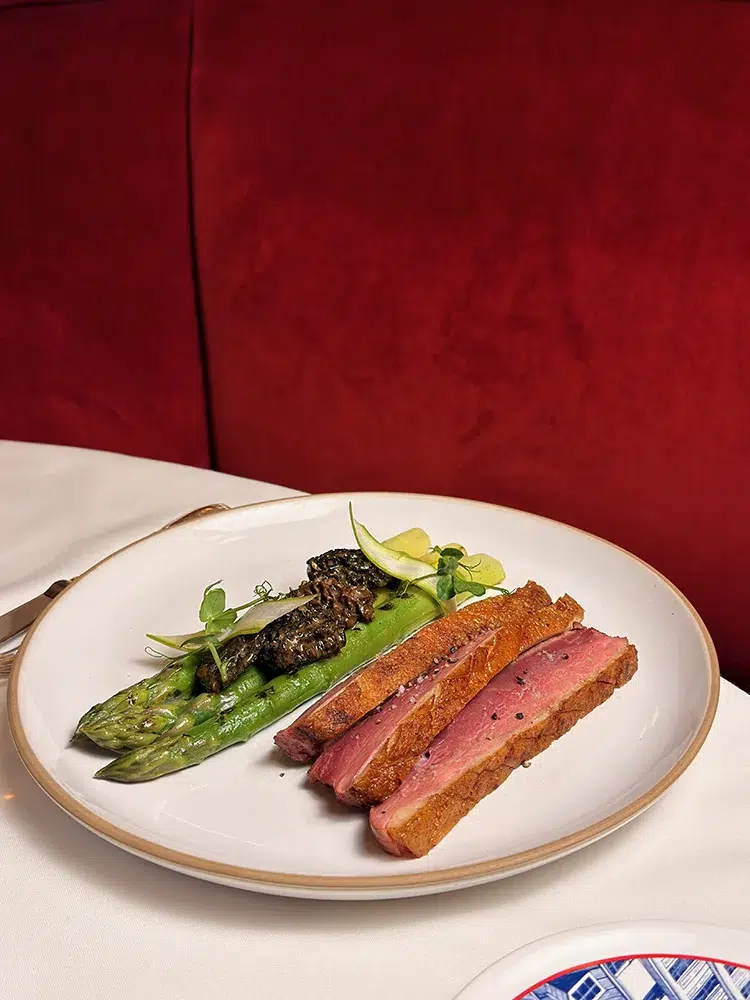
Over the years, your cuisine has evolved toward vegetables, grains, and lighter expressions of luxury. What triggered that transformation?
This is a long journey that started almost forty years ago, at my restaurant Le Louis XV-Alain Ducasse, in Monaco. It corresponds to a conviction: before cuisine, there is nature. Nature is the one and only source of everything in cuisine.
What lessons have you learned from operating restaurants in cities as different as Paris, Tokyo, London, Doha, and Monaco?
Each place is different in its food habits and resources. But everywhere eating is a peaceful moment of exchange between human beings.
In your view, what separates a memorable restaurant from a technically perfect one?
The way the personality of the chef expresses itself.
You often speak about transmission and mentorship. What qualities do you try to pass on to younger chefs beyond cooking skills?
Find and express his or her own style.
On Current Food Trends
Plant-based cuisine is now central to contemporary gastronomy rather than a niche category. How do you think chefs should approach vegetables without simply imitating meat?
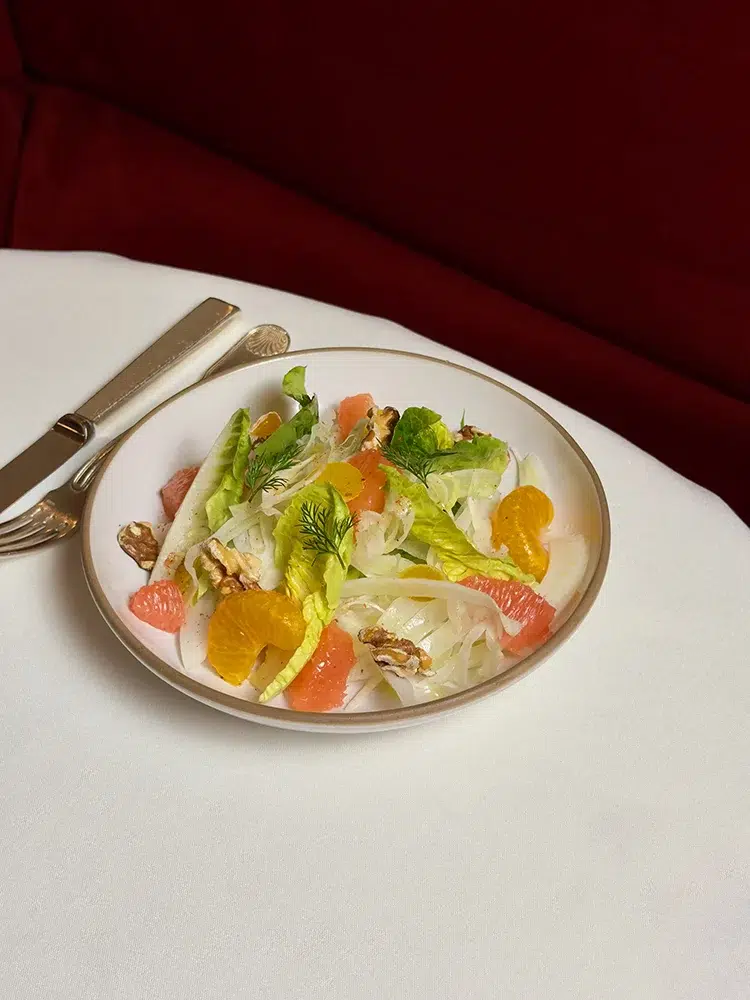
Cooking vegetables requires paying more attention to the selection of products, more time, and more technique. And it demands more imagination, which is even more difficult.
Your schools recently highlighted reduced-sugar desserts and “garden-to-plate” cooking as major future trends. Why are these movements becoming so important now?
Because they are becoming more urgent every day. Our way of eating is harmful to our health and dangerous for the planet. It is mandatory to radically change our way of eating.
Are we entering an era where sustainability matters more than luxury in haute cuisine?
We’re doing high cuisine, which is, at the same time, sustainable. I wish that by doing so, we pave the way for all the other types of cuisine.
Social media has transformed how restaurants design dishes and dining rooms. Has Instagram improved gastronomy or distorted it?
It’s part of the new rules of the game. Remember what Æsope said about the tongue – the worst and the best thing in the world? The same goes for social media.
What ingredients or culinary traditions do you think are currently underestimated by Western fine dining?
The leftovers. Peelings and tops of vegetables, fishbones and offal: almost half of what we have is just thrown away. Let’s learn to use it.
 |
 |
How do you define “luxury” in food today? Is it rarity, craftsmanship, sustainability, or time?
Money is still perceived as an adequate synonym of luxury. Because it conjures up the idea of impeccable hospitality, sumptuous decor, and top food. Obviously, this preconception leaves on the side the essential part of the experience, which is the emotion.
Younger chefs are increasingly vocal about mental health and work-life balance. Can haute cuisine evolve without losing discipline and excellence?
It must and it can. I would even say that respecting the individual is a much more efficient way to reach excellence.
Michelin-starred restaurants are becoming more environmentally conscious, with some moving toward entirely plant-based menus. Do you think this will become common at the highest level of gastronomy?
Undoubtedly. And the next challenge is to cascade this move to the rest of the food business. Still a long way!
On the Future of Cuisine
If you imagine the restaurant industry in 2050, what will look completely different from today?
I don’t think it will be entirely different. I guess we’ll still find the various segments existing today – from top range to accessible, from local traditions to abroad influences. That said, imagining how the industry will be structured in 25 years is a risky exercise.
Climate change is already affecting agriculture, seafood, and supply chains. Which ingredients may disappear from luxury dining within our lifetime?
Again, a touchy guess. I feel that it’s more a question of how the ingredient is produced than a specific list of endangered products.
You’ve explored sustainable gastronomy and alternative proteins in public discussions. Do you believe chefs have a responsibility to influence how society eats?
Oh yes, a tremendously important responsibility. It can be compared to haute couture or Formula 1. Haute cuisine is a sort of laboratory and is very inspiring for the rest of the profession – and then for the public debate.
Could fine dining eventually become more vegetable-focused, not for ethical reasons, but simply because of environmental necessity?
Both are contributing in the same direction.
Do you think future chefs will need to understand agriculture and ecology as deeply as classical technique?
Probably not as deeply, yet it’s clear that the dialogue between the chefs and the producers is mutually profitable.
What worries you most about the future of the restaurant industry?
I’m not worried. This industry demonstrates its capacity to evolve and adapt. I don’t see any reason it would lose this ability.
What excites you most about the next generation of chefs?
Their curiosity about the world. They are open-minded and starving for discoveries.
Looking back across your career, which decision changed your culinary philosophy the most?
It’s not about changes. It’s more about a constant evolution. First, my vision of cuisine was largely shaped in my childhood, on my family’s farm. This made me realize that before cuisine, there is nature. Then, I further explored this primary conviction and nourished my ideas thanks to the many encounters I made throughout the world.
What is one misconception people still have about fine dining?
Too many people are intimidated by fine dining. I hope that at least once they can experience it and spend the most unforgettable moment of their life.
If you were opening your very first restaurant today as a young chef, what would you do differently from the beginning?
It’s impossible to answer since the context is entirely different. The only point I’d like to stress is that, in any case, working hard is key – there’s no shortcut to success.
What kind of culinary legacy do you hope to leave behind — restaurants, techniques, education, or a way of thinking?
A bit too early to talk about my legacy – I feel I’m just starting my career.
Finally, what do you believe cuisine ultimately exists to do: nourish, inspire, connect people, or change society?
Among this list, I don’t hesitate to pick up one word: “connect”. Food connects with nature and connects us to each other. The table is the most civilized place in the world.