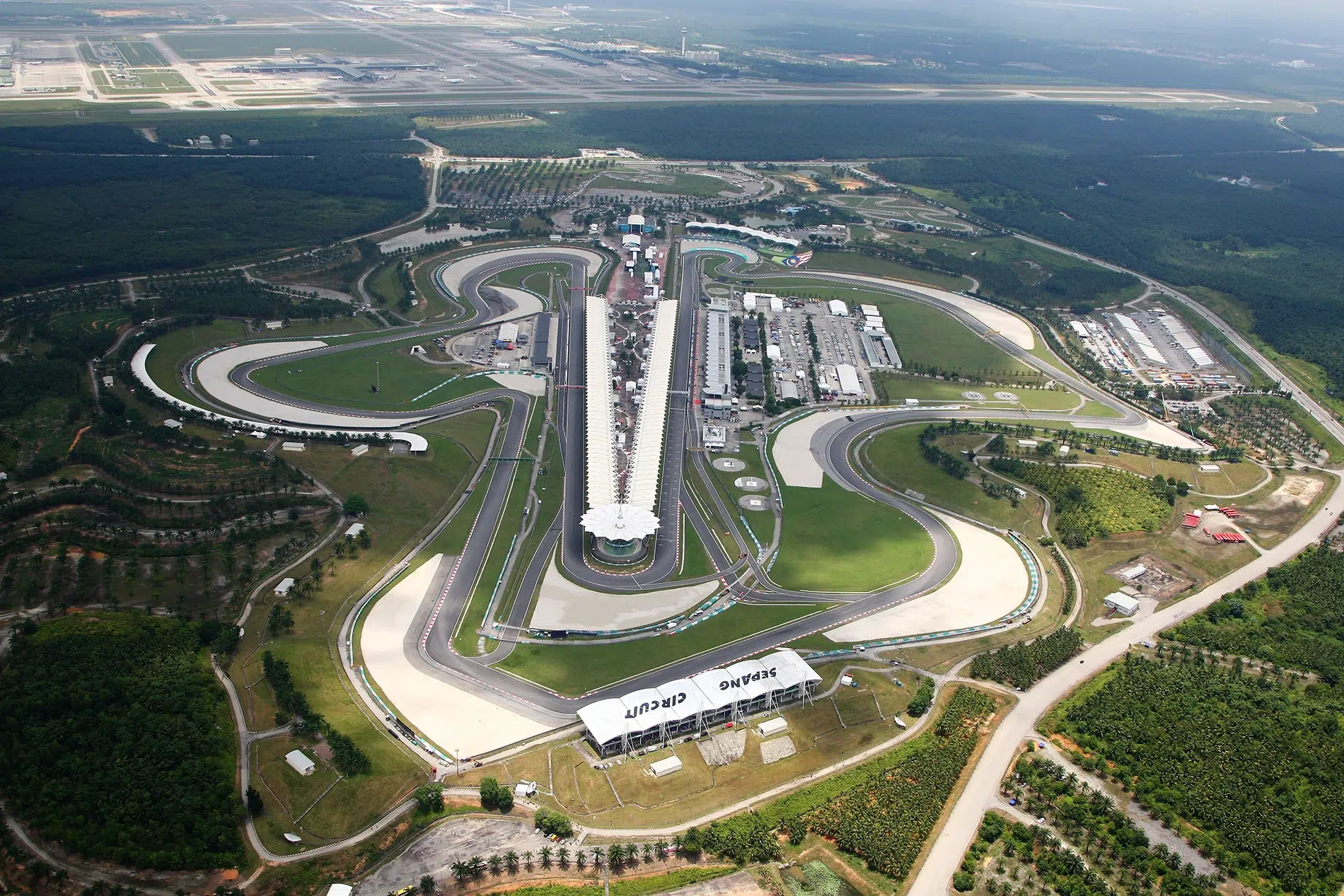
For nearly two decades, Sepang International Circuit was one of Formula 1’s most recognizable stages—a fast, physically demanding ribbon of asphalt where tropical heat, sudden rain, and long straights routinely turned race weekends into tests of both machinery and nerve. In October 2026, Formula 1 will return to Malaysia, though not quite in the way anyone expected.
From October 2 to 4, Sepang is set to host the Formula 1 Gulf Air Bahrain Grand Prix, bringing Bahrain’s race to Malaysian soil under an unusual agreement involving Formula 1, the FIA, the governments of Bahrain and Malaysia, and the relevant sporting authorities.
Subject to final approval from the FIA World Motor Sport Council, the arrangement preserves Bahrain’s place on the 2026 calendar while leaving the remainder of the season unchanged. The race will sit between the Azerbaijan and Singapore Grands Prix, creating a compelling run of events that moves the championship from Baku’s city streets to Sepang’s tropical expanses and then onward to the night race at Marina Bay.
For Formula 1 fans, however, the greater significance lies in the return of Sepang itself.
The circuit hosted the Malaysian Grand Prix from 1999 until 2017 and became synonymous with some of the most demanding conditions in modern motorsport. Its combination of sweeping high-speed corners, heavy braking zones, broad overtaking opportunities, and unpredictable weather made it a favorite among drivers and viewers alike. Grand Prix circuits have also become stages for extraordinary private automotive experiences, including the opportunity to drive the Bugatti Bolide on the Miami F1 circuit.
Sepang was also among a new generation of purpose-built circuits that helped reposition Formula 1 as a truly global championship at the turn of the millennium. That global expansion continues today as manufacturers such as Audi prepare for Formula 1 with increasingly ambitious technology and brand programs. Designed to accommodate large crowds and dramatic television coverage, it delivered a scale and visual identity that felt markedly different from the traditional European venues.
Nearly a decade after its last Grand Prix, the circuit’s return carries both nostalgia and intrigue. This will not be a revival of the Malaysian Grand Prix in name, but it will restore one of Asia’s most distinctive racing venues to the Formula 1 calendar.
The circumstances surrounding the event are equally unusual. Rather than cancelling Bahrain’s Grand Prix, officials have worked across borders to relocate it, allowing the race to retain its official identity while being staged thousands of miles away.
His Royal Highness Prince Salman bin Hamad Al Khalifa, Crown Prince and Prime Minister of the Kingdom of Bahrain, described the agreement as a reflection of the longstanding relationship between Bahrain and Malaysia, as well as Bahrain’s continuing commitment to Formula 1.

“This will be a wonderful experience for fans around the world and reflects Bahrain’s enduring commitment to, and passion for, the sport,” he said.
The partnership extends beyond race logistics. Malaysia’s Prime Minister, Dato’ Seri Anwar Ibrahim, presented the event as an expression of cooperation between the two nations rather than simply the temporary relocation of a sporting fixture.
“This collaboration is more than the staging of a world-class sporting event,” he said. “It reflects the enduring friendship, mutual trust and close partnership between Malaysia and the Kingdom of Bahrain.”
For Malaysia, the weekend offers an opportunity to demonstrate that Sepang remains capable of hosting Formula 1 at the highest level. The circuit has continued to stage major international motorsport events since the departure of the Malaysian Grand Prix, and its infrastructure, location, and familiarity with global racing make it a natural solution.
It also gives Formula 1 a chance to revisit a market with a deep connection to the championship. Malaysian fans supported the race through eras dominated by Michael Schumacher, Fernando Alonso, Sebastian Vettel, Lewis Hamilton, and others, while Sepang’s dramatic weather often produced weekends that remain part of Formula 1 folklore.
The return could feel especially resonant for a new generation of fans who discovered the sport after Malaysia disappeared from the calendar. For them, Sepang has often existed through archival footage: cars throwing up walls of spray, drivers fighting exhaustion in brutal humidity, and races transformed within minutes by tropical storms.
In 2026, they will see it unfold in real time.
FIA President Mohammed Ben Sulayem said the arrangement demonstrated the value of international cooperation, with safety and continuity remaining central to the discussions.
“Malaysia has long held an important place in the history of Formula One,” he said. “The return of the Championship to Sepang is testament to our close relationship with the Motorsports Association of Malaysia and the continued commitment of the Malaysian Government.”
Formula 1 President and CEO Stefano Domenicali likewise emphasized the importance of retaining a complete season while giving fans the unexpected bonus of Sepang’s return.
“Most importantly, this is fantastic news for our fans,” he said. “They will continue to enjoy a full and exciting Formula 1 calendar, while also seeing the sport return to a great venue.”
From a sporting perspective, Sepang should offer a very different challenge from Bahrain’s usual home at the Bahrain International Circuit. Its wide layout and long straights create overtaking opportunities, but its fast corners place considerable stress on tires, aerodynamics, and driver concentration. The heat and humidity add another layer, while rain can arrive with little warning and alter strategy almost instantly.
Those conditions have always been part of Sepang’s appeal. The circuit rarely allows a race weekend to feel routine.
There is also something fitting about Formula 1 returning to Malaysia through an arrangement that reflects the sport’s increasingly international character. A Bahrain Grand Prix staged at Sepang may be unconventional, but it also demonstrates how the championship can adapt while preserving relationships, commercial commitments, and a complete calendar.
For Bahrain, the event protects a race that might otherwise have been lost. For Malaysia, it restores Formula 1 to one of its most celebrated Asian venues. And for fans, it offers something genuinely rare: the return of a circuit many thought had disappeared from the championship for good. For travelers building a season around the sport’s most celebrated weekends, ULM has also explored the most refined way to reach Monaco during Grand Prix week.
Ticket details for the 2026 Formula 1 Gulf Air Bahrain Grand Prix at Sepang International Circuit will be announced at a later date.
Until then, the prospect alone is enough to stir anticipation. Formula 1 is returning to Sepang with its heat, its storms, its sweeping corners, and its capacity for unpredictability intact.
The name above the paddock may belong to Bahrain, but when the lights go out in October, the unmistakable stage will be Malaysia.