For much of the wine-drinking world, China remains one of the industry’s least understood frontiers. Its vineyards stretch from the windswept reaches of Xinjiang to the foothills of Ningxia’s Helan Mountains, producing Cabernet Sauvignon, Marselan, Chardonnay, Pinot Noir, Viognier and increasingly assured expressions of native terroir.
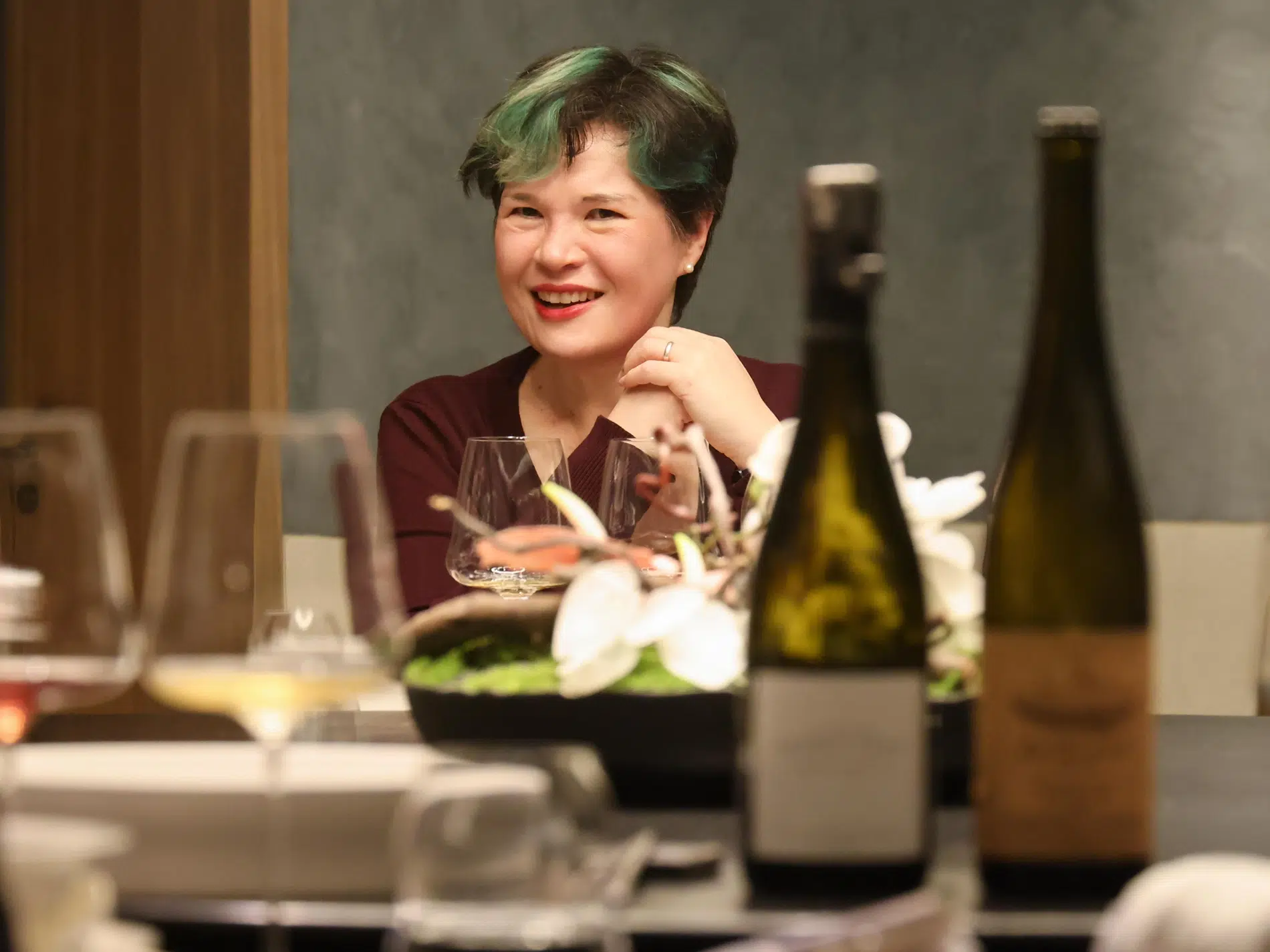
Few people have done more to explain this emerging landscape than Fongyee Walker MW, one of mainland China’s most prominent wine educators and the first wine professional based in mainland China to earn the coveted Master of Wine qualification.
Walker, co-founder of Beijing-based Dragon Phoenix Wine Consulting, has spent years teaching, tasting and introducing international audiences to a wine culture that is far more sophisticated than many outsiders realize.
“There are a lot of exciting vineyards in China producing great wines,” she says.
The country’s modern wine identity is being shaped by an energetic generation of growers, entrepreneurs and winemakers, and women are among its most influential figures.
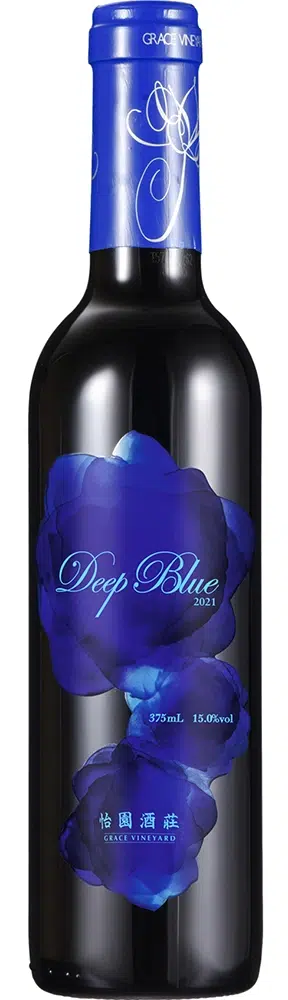
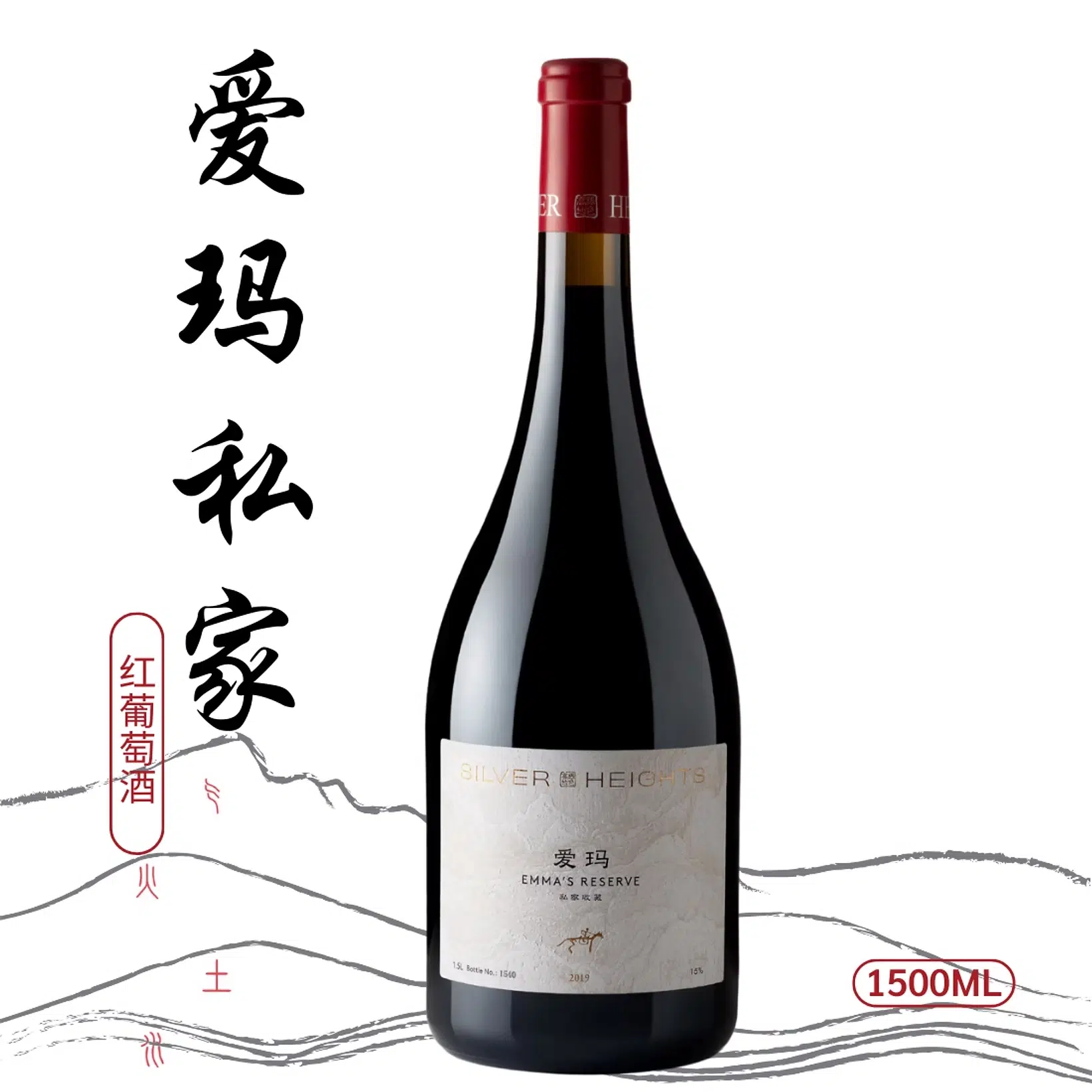
From Grace Vineyard’s Judy Chan and Kanaan Winery’s Wang Fang, widely known as “Crazy Fang,” to Helan Qingxue’s Zhang Jing, Silver Heights’ Emma Gao, Tiansai’s Chen Lizhong and Jade Vineyard’s Emma Ding, women have played a decisive role in the development of Chinese wine.
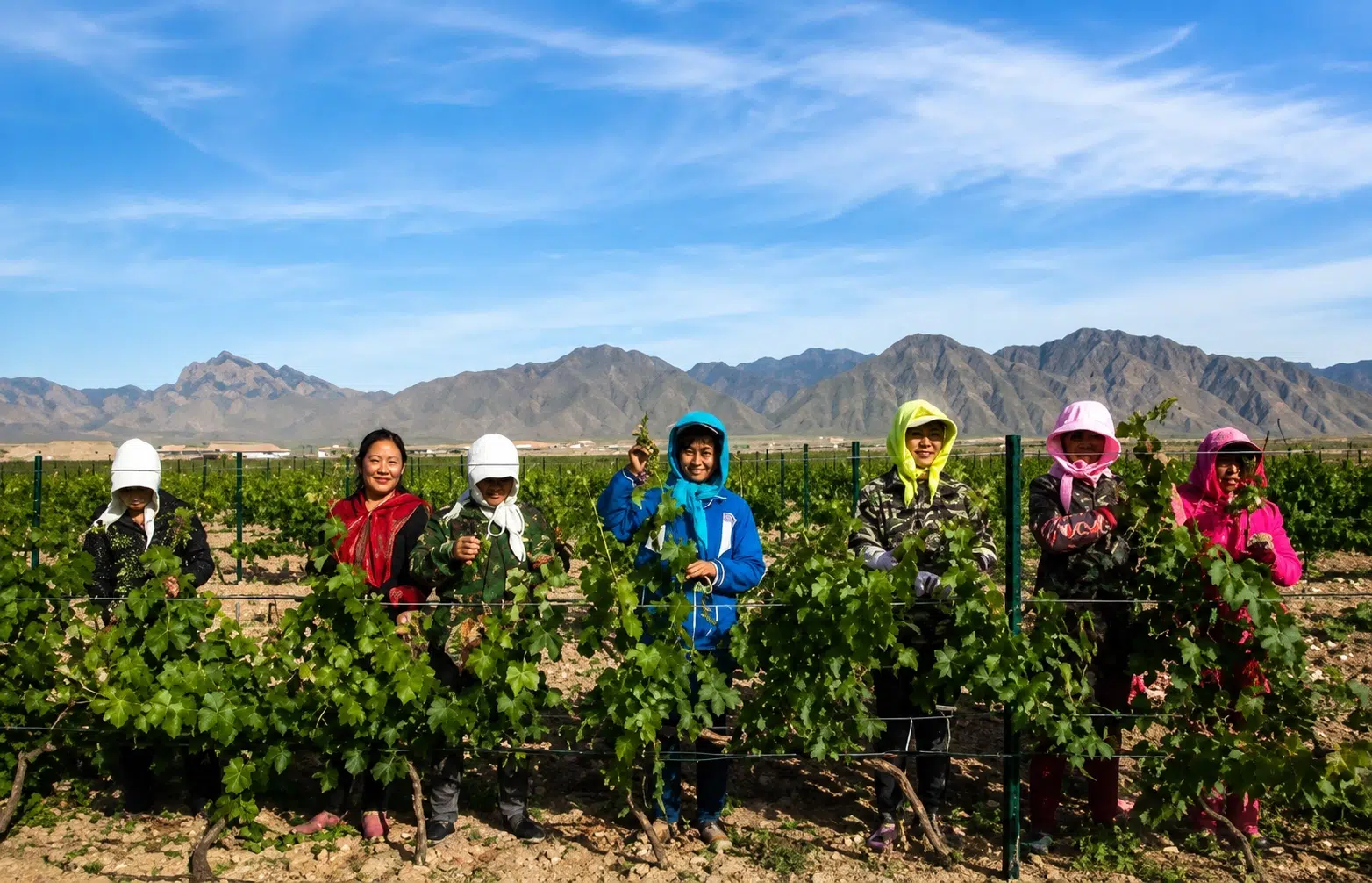
They have also demonstrated the patience required to establish vineyards in some of the world’s most demanding conditions. In regions such as Ningxia, producers must contend with arid weather, severe winters and the laborious process of burying vines beneath the soil to protect them from freezing temperatures.
China’s international breakthrough arrived in 2011, when Helan Qingxue’s 2009 Jia Bei Lan Cabernet blend won an International Trophy at the Decanter World Wine Awards. Produced from relatively young vines in Ningxia, the wine challenged lingering assumptions about what China could achieve and placed the country firmly on the international wine map.
Zhang Jing, Helan Qingxue’s winemaker, had studied forestry before turning to viticulture. The first red wine she remembers tasting came from Xixia King, one of Ningxia’s earliest major wine producers.
“As I learned more about wine culture, winemaking and proper wine tasting, I began to love wine, and to develop my nose,” she says.
Zhang initially worked for a government office connecting wineries with grape growers. At the time, few imagined the region might one day become an international wine destination.
In 2005, she and her partners established Helan Qingxue, a name inspired by sunlight glimmering on the snow-covered Helan Mountains. The celebrated 2009 Jia Bei Lan was made from 80 percent Cabernet Sauvignon, 15 percent Merlot and 5 percent Cabernet Gernischt. The estate has since worked with varieties including Malbec, Marselan, Pinot Noir and Chardonnay.
 |
 |
Walker’s own entrance into wine was considerably less calculated.
“I got into wine education by accident,” she says. “I always enjoyed wine and food, but not on a really serious level.”
While studying at the University of Cambridge in 2001, a visitor unexpectedly arrived at one of her parties. He would later become her husband.
“A handsome chap gate-crashed one of my epic parties,” she recalls. “We started going out, and he turned out to be the captain of the Cambridge Wine Tasting Team.
“He dragged me to a meeting, and I was hooked. Teaching the new arrivals about wine tasting turned out to be so much more fun than teaching the finer points of translating Classical Chinese into English, so it was easy to segue into teaching wine.”
After moving to Beijing, Walker and her husband, Edward Ragg, founded Dragon Phoenix Wine Consulting in 2007. The company became an important force in professional wine education, offering courses in both English and Mandarin and helping develop a more knowledgeable generation of Chinese drinkers and hospitality professionals.
Walker earned her Master of Wine qualification in 2016, one of the most demanding distinctions in the international wine profession.
China’s wine story, however, began long before the establishment of its modern estates.
Archaeological discoveries have revealed ancient fermented beverages produced from grains, fruit and other ingredients. Historical accounts also trace grape cultivation and winemaking along the Silk Road. Marco Polo wrote of wine in the region surrounding present-day Turpan, in Xinjiang, an area still celebrated for its grapes.
European-style commercial winemaking began to take recognizable form in the late 19th century. Changyu was founded in Yantai, Shandong, in 1892 and became a cornerstone of the country’s modern wine industry. Great Wall and Dynasty later emerged as nationally recognized producers.
Today, China’s most important wine regions include Ningxia, Shandong, Xinjiang, Hebei, Yunnan, Liaoning, Gansu, Shanxi and Jilin. Each presents a distinctly different climate and identity.
Ningxia has achieved particular international attention for structured red wines grown near the Helan Mountains. Shandong benefits from maritime influence, while Xinjiang’s continental climate offers abundant sunlight and pronounced temperature shifts. In Yunnan, vineyards planted at high elevations are producing some of the country’s most intriguing wines.
Marselan, a French crossing of Cabernet Sauvignon and Grenache, has become one of China’s most promising varieties. Cabernet Gernischt, long associated with Chinese vineyards, also remains important, while producers continue to experiment with Pinot Noir, Syrah, Chardonnay, Viognier and Petit Manseng.
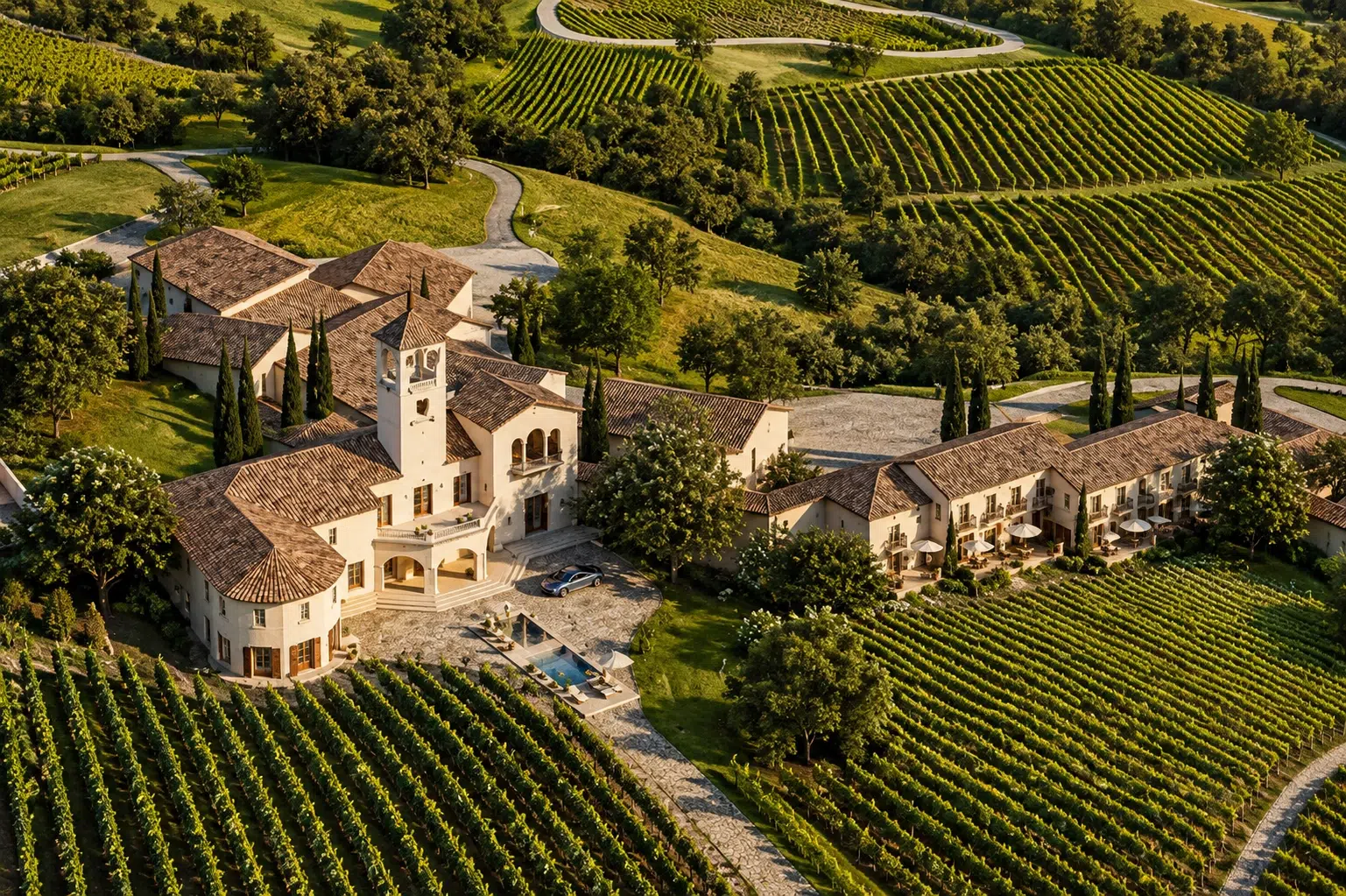
The evolution can be experienced not only through the bottle but also through a new generation of vineyard hotels and wine estates.
WildChina’s specialist wine itineraries introduce travelers to several regions and properties, including Runaway Cow Winery in Penglai, Chateau Junding Wine Resort in Yantai, Xige Estate in Ningxia and Longting Vineyard on the Shandong coast.
At their best, these estates express rén qíng wèi, a sense of human warmth and personal attentiveness that transforms hospitality from practiced ritual into genuine care.
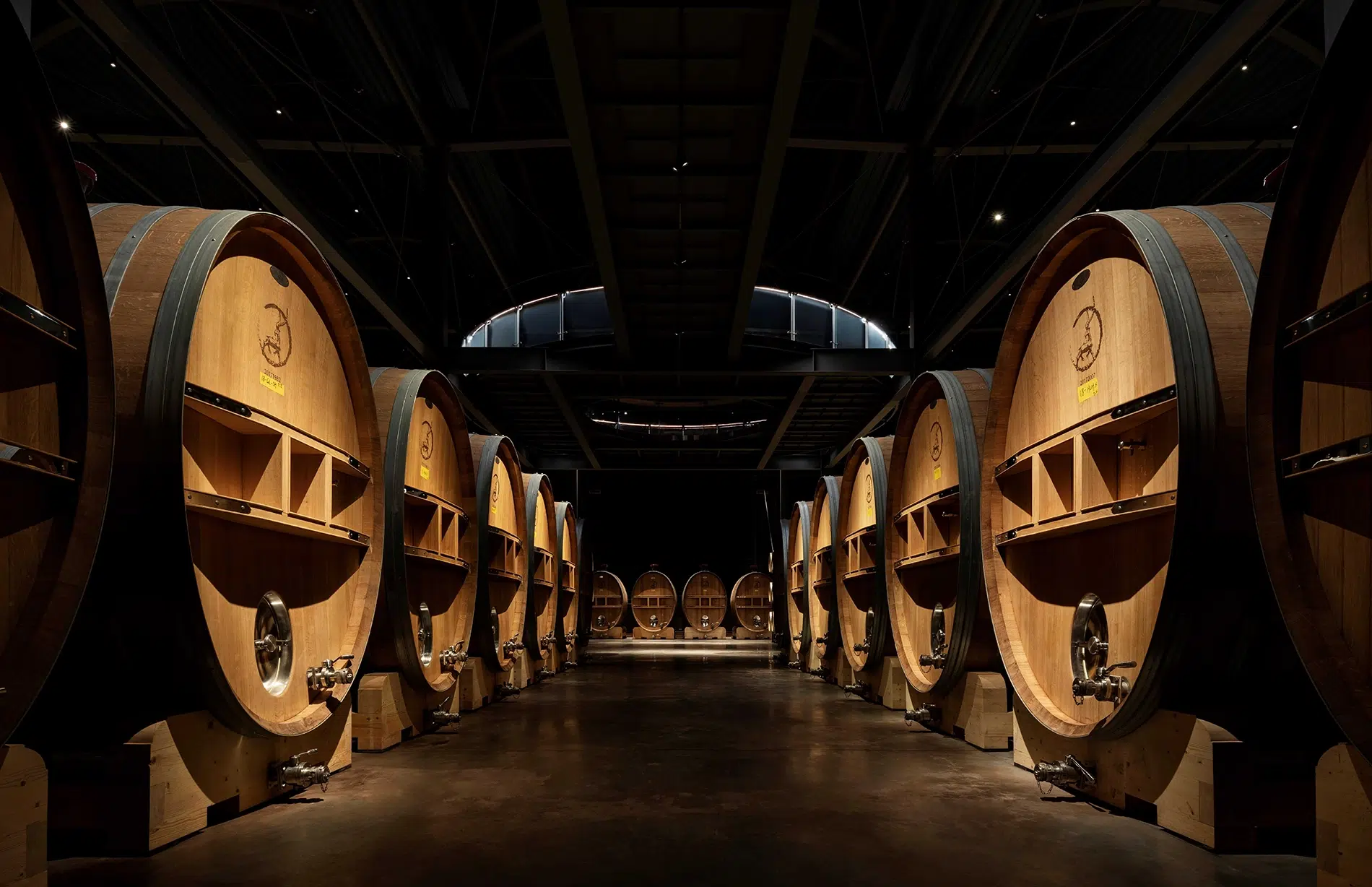
Runaway Cow, located in Penglai near the shores of the Bohai Sea, is the vision of Arthur Yeung, a UCLA-trained engineer who later studied winemaking through the University of California, Davis. His travels through Dijon and California inspired the idea of creating a Napa Valley-style wine and lifestyle destination in China.
Yeung believes everyone needs to become “a runaway cow once in a while”, escaping the stress, noise and pollution of modern life.
The property combines vineyards and contemporary architecture with gastronomy, including the acclaimed Canton 8, while its viticultural program has benefited from international expertise.
China’s wines are also becoming more meaningful at the dining table, particularly when paired with the country’s remarkably diverse regional cuisines.
“Peking duck can be paired beautifully with Chinese Pinot Noir,” says Walker, suggesting wines such as Kanaan Winery’s Chapter and Verse Mastery Pinot Noir or a Pinot Noir from Xige Estate.
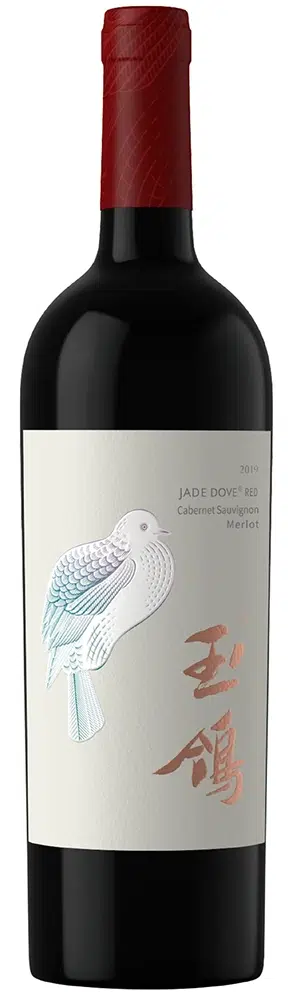
“Shandong dumplings are well suited to Longting Reserve Sea Breeze Chardonnay, while pulled lamb matches well with Chateau Mihope Viognier. And you can’t go wrong with Jade Dove Cabernet Sauvignon.”
The country’s upward trajectory continues to be reflected in international and domestic competitions. At the 2026 Wynn Signature Chinese Wine Awards in Macao, Amethyard’s 2024 Petit Manseng Sweet White Wine received the competition’s highest distinction, Best Wine of China.
Such recognition points to an industry growing more confident in its own landscapes rather than merely attempting to reproduce European styles.
“All over the country, Chinese wine celebrates diverse terroir and impassioned winemaking,” Walker says.
The challenge now is one of access. Many of the finest Chinese wines are still difficult to find outside Asia, leaving international consumers with an incomplete view of the country’s progress.
“Most consumers outside Asia haven’t yet had the opportunity to taste the quality coming out of China these days,” Walker adds.
That opportunity, however, is coming. China’s best producers are no longer curiosities in an emerging market. They are crafting wines with a growing sense of place, identity and ambition—and Fongyee Walker remains one of their most compelling interpreters.
For specialist wine journeys through China, visit WildChina.com.