Irish gin has moved far beyond novelty. What began as a wave of small distilleries experimenting with local botanicals has matured into a category with a distinct sense of place, one in which landscape, heritage and technique increasingly matter as much as the bottle itself.
That evolution is visible across Ireland, where producers have turned to heather, hawthorn, wild herbs, bog myrtle, citrus, sea salt and even tea to give their gins a regional identity. The result is not one unified “Irish gin style,” but a collection of spirits that often feel inseparable from the places in which they are made.
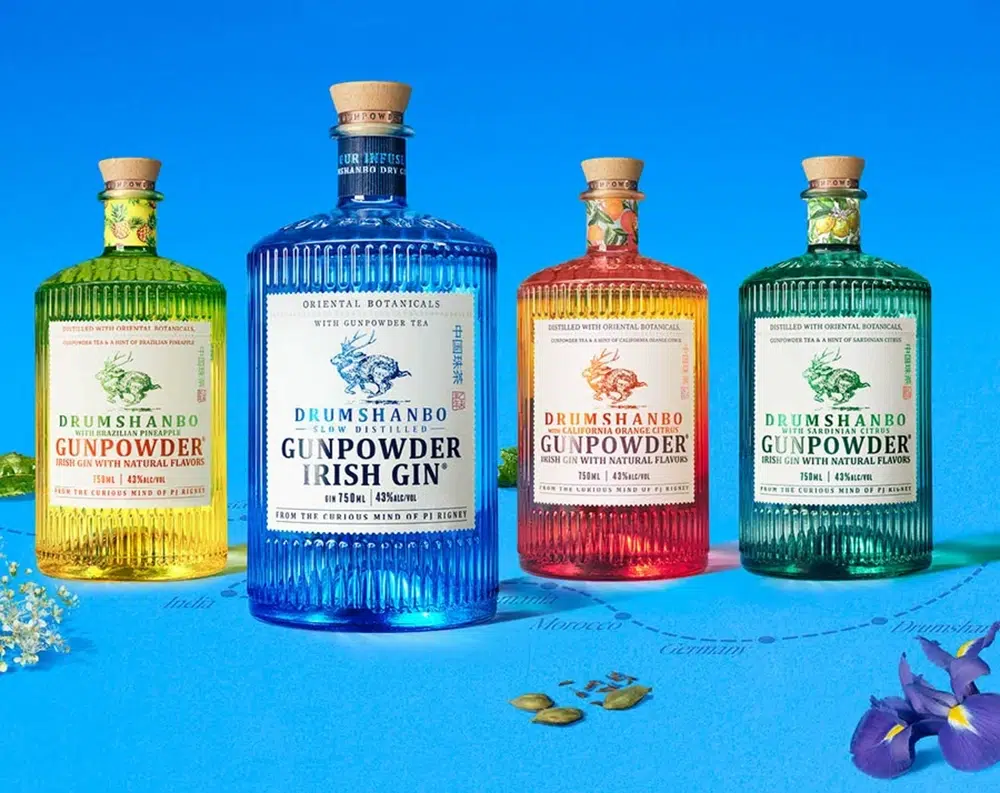
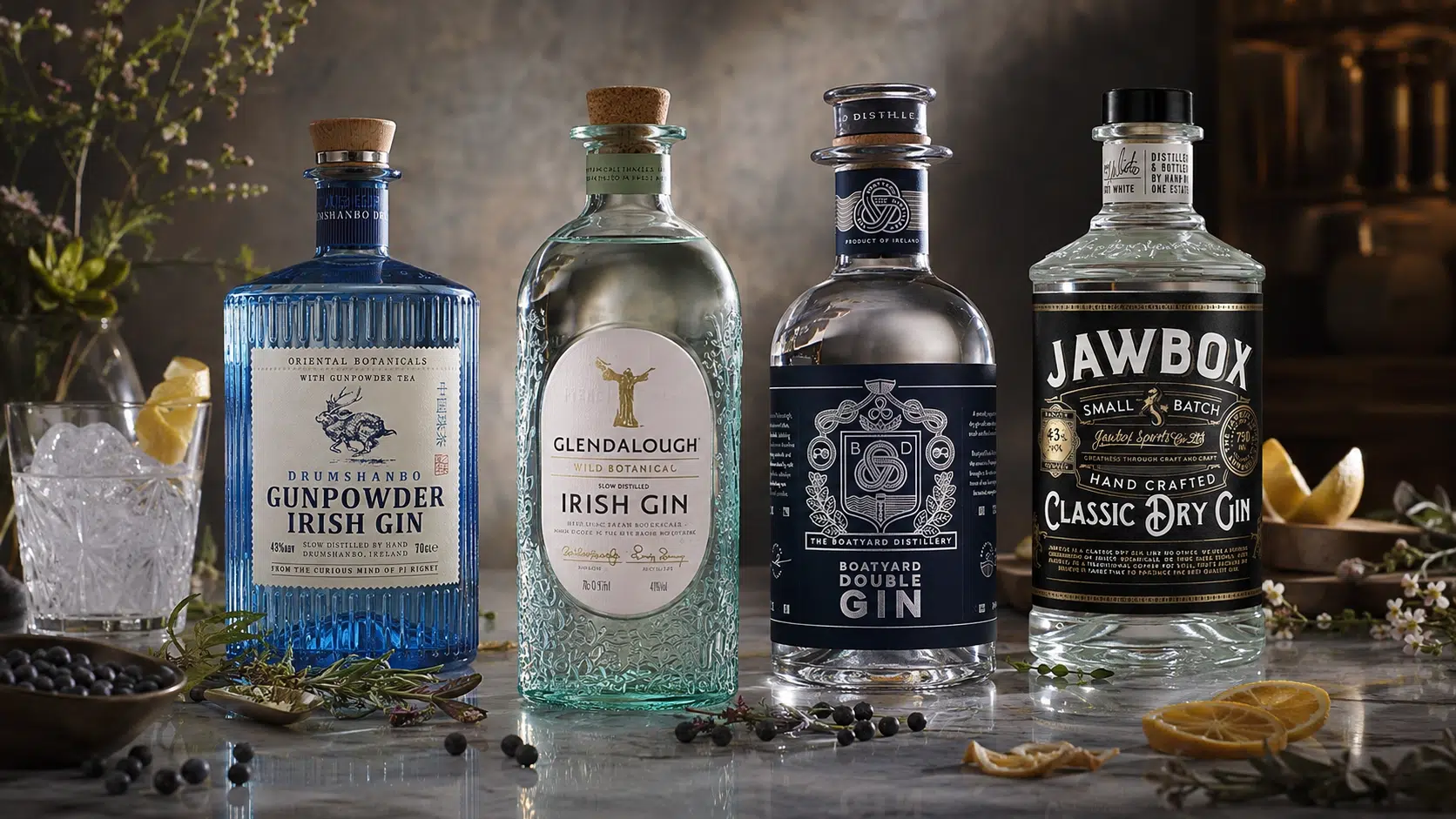
One of the best-known examples is Drumshanbo Gunpowder Irish Gin, created by P.J. Rigney at The Shed Distillery in County Leitrim. Its character comes from the meeting of traditional gin botanicals with more unusual ingredients, including gunpowder tea and citrus, reflecting Rigney’s interest in combining Irish distilling with influences gathered from farther afield.
The success of Drumshanbo helped show that Irish gin could compete internationally without sacrificing individuality. Rather than following a strictly classic London Dry template, the brand leaned into storytelling, botanical complexity and a strong visual identity, all while keeping the distillery itself central to the experience.
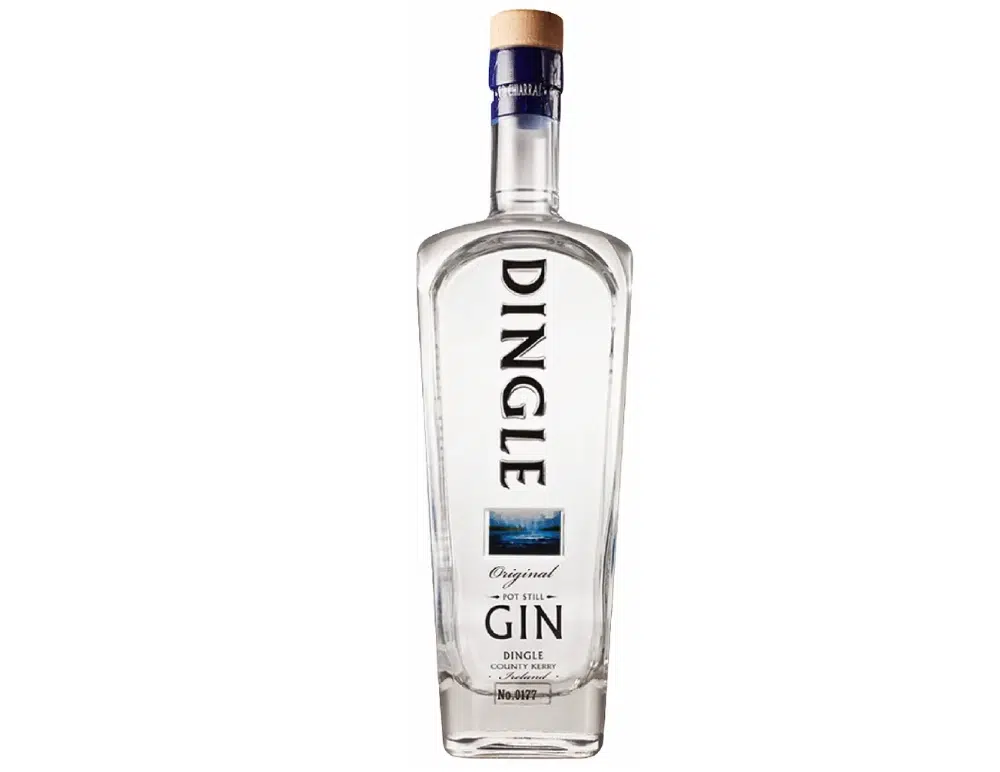
In County Kerry, Dingle Gin takes a different approach. Produced at Dingle Distillery on the Wild Atlantic Way, the gin uses botanicals that include rowan and hawthorn berries, heather, and citrus peel, creating a profile the distillery explicitly links to the Kerry landscape. Dingle’s credentials were reinforced when it was named World’s Best Gin and World’s Best London Dry Gin in 2019.
The brand has continued to evolve. Its newer Orange & Sea Salt expression combines bright citrus with hand-harvested Atlantic sea salt from the Dingle Peninsula, a particularly clear example of how Irish gin producers are increasingly using provenance as part of the flavor story rather than simply as marketing decoration.
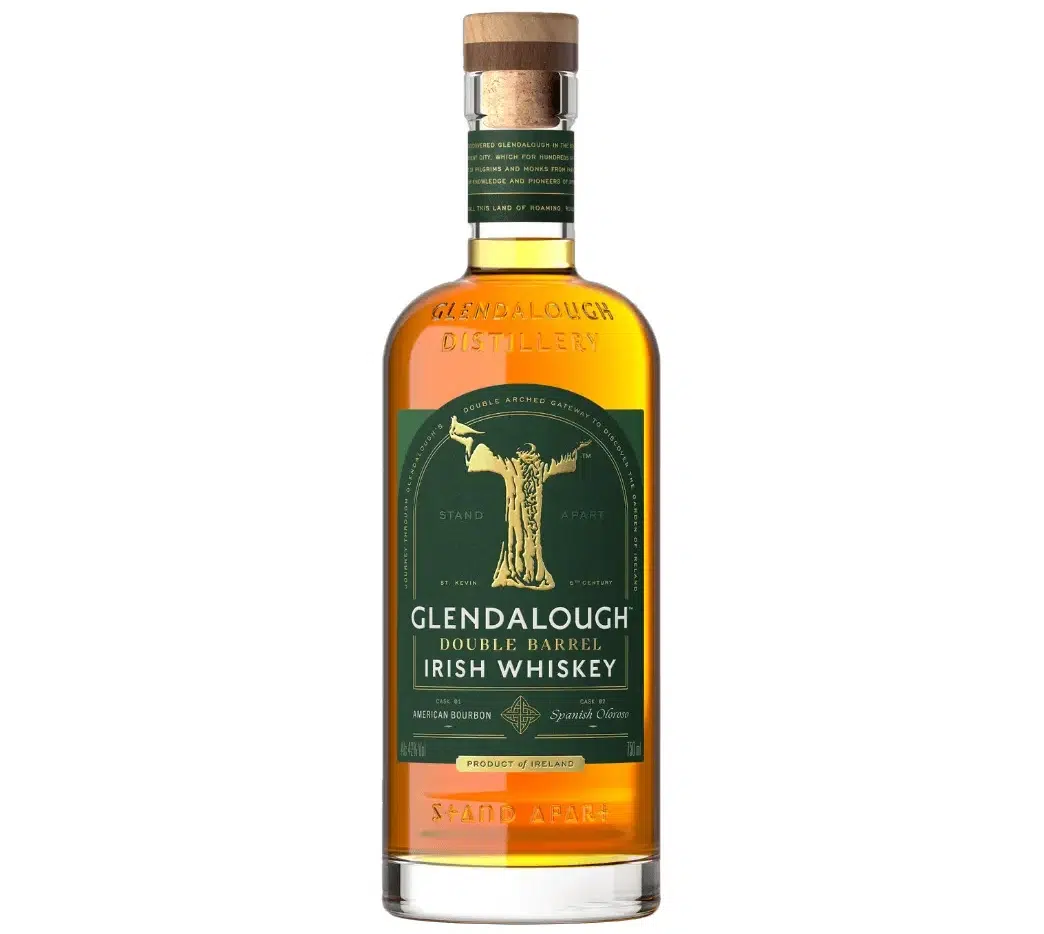
Glendalough Distillery has taken local sourcing even further. Its Wild Botanical Irish Gin is built around fresh botanicals foraged throughout the year in the Wicklow Mountains by full-time forager Geraldine Kavanagh. The plants are brought to the distillery within hours of picking and distilled in small batches, allowing the gin to function almost as a seasonal portrait of the landscape.
That approach gives Glendalough a particularly strong sense of place. Rather than treating botanicals as a fixed recipe assembled from global ingredients, the distillery emphasizes the rhythms of the surrounding valley, incorporating flowers, fruits, herbs and wild plants collected across the seasons.
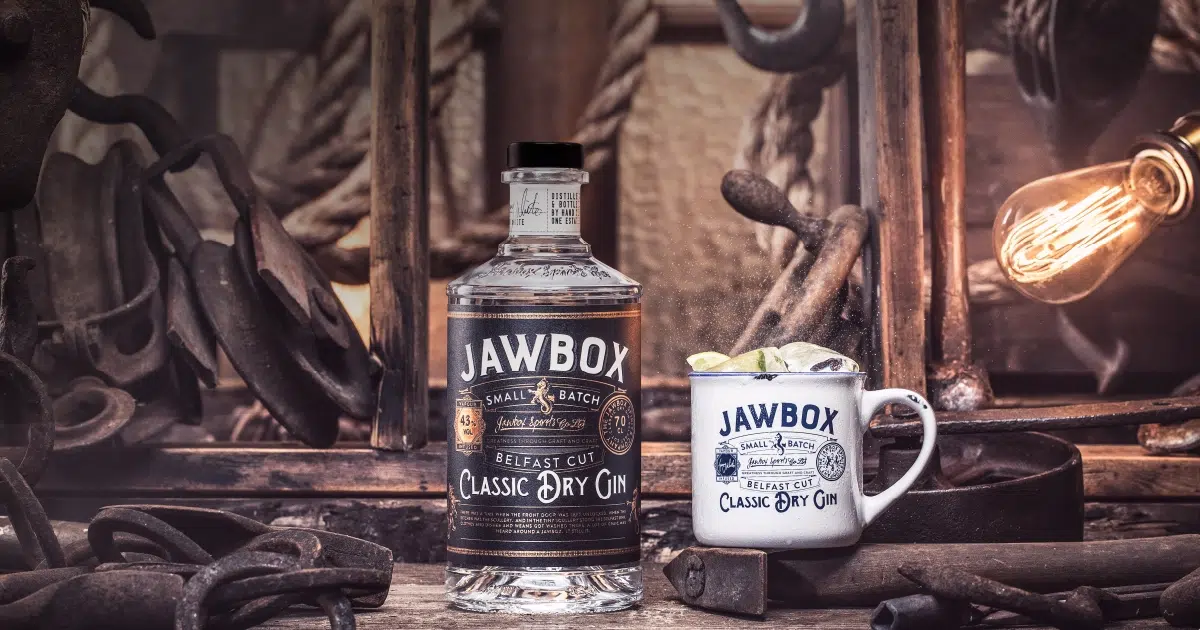
Further north, Jawbox Small Batch Gin draws on the character of Belfast. Distilled on a 300-acre estate outside the city, the spirit uses 11 botanicals, including local Black Mountain heather, alongside juniper, coriander, cassia, angelica, citrus and spice. The gin remains firmly rooted in the London Dry tradition, but its use of local heather gives it a distinctly regional signature.
Its name is equally local. “Jawbox” is Belfast slang for the deep kitchen sink around which conversation once unfolded in many homes, an example of the way Irish gin brands have often drawn as much from social history and language as from flavor.
At Boatyard Distillery in County Fermanagh, the local connection comes through sweet gale, also known as bog myrtle, harvested from the founder’s family farm. Boatyard Double Gin is made with organically produced wheat spirit and eight botanicals, including fresh lemon peel, reinforcing the field-to-bottle philosophy that has become an important part of the modern Irish gin movement.
What ties these producers together is not a single flavor profile, but a shared confidence in origin. Irish gin has become less interested in simply proving that it can make a good juniper spirit and more interested in expressing where that spirit comes from.
That shift has also made the category more luxurious. Premium Irish gin today is increasingly built around small-batch production, hand-foraged ingredients, estate-grown botanicals, carefully considered bottle design and distillery experiences that invite consumers into the story behind the spirit.
The best examples do not rely on eccentric ingredients for attention. Instead, they use those ingredients to create coherence between the spirit and its surroundings. Heather makes sense in Kerry. Wild botanicals belong in Wicklow. Sweet gale connects Boatyard to its family land. Black Mountain heather grounds Jawbox in Belfast.
Ireland’s gin revival may have begun with experimentation, but its most interesting phase is the one happening now: a move from novelty toward identity.
For drinkers, that means Irish gin has become something more than an alternative to the established English and continental styles. At its best, it offers a taste of landscape, memory and regional character, distilled into a category that has finally found a voice of its own.