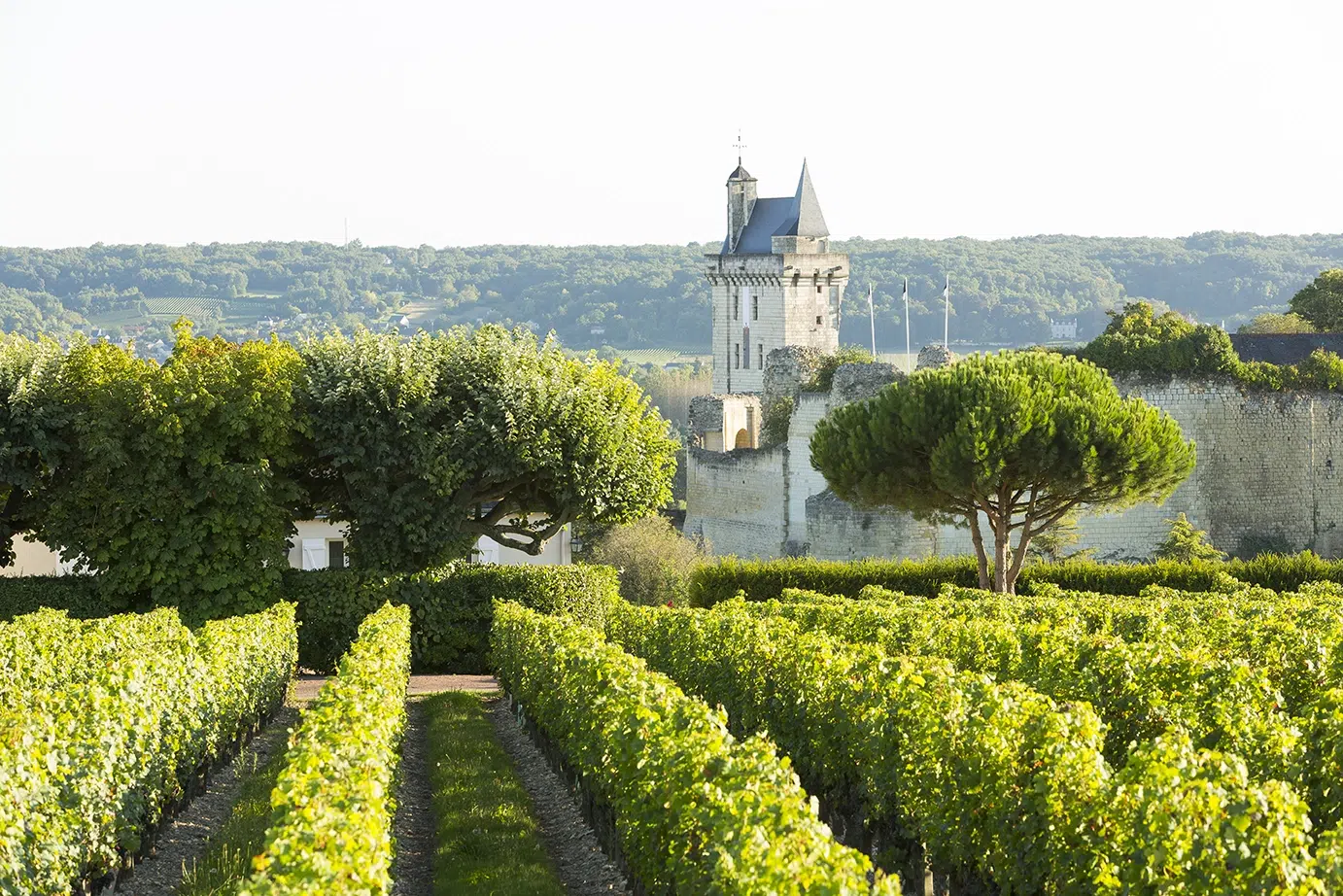
The Loire Valley reveals itself slowly. Beyond a bend in the river, a château rises above clipped gardens and pale stone terraces; farther along, vineyard rows follow the contours of the hills, their leaves shifting in the breeze beneath a wide French sky. It is a landscape shaped by royalty, architecture, agriculture, and centuries of patient winemaking.
For many travelers, the Loire is first understood through its Renaissance landmarks: Chambord with its theatrical roofline, Chenonceau spanning the River Cher, and Amboise overlooking the water from its commanding position. For wine lovers, however, these celebrated estates are only part of the story. The Loire is also one of France’s most varied wine regions, producing whites of remarkable freshness, structure, and longevity from vineyards stretching from central France to the Atlantic coast.
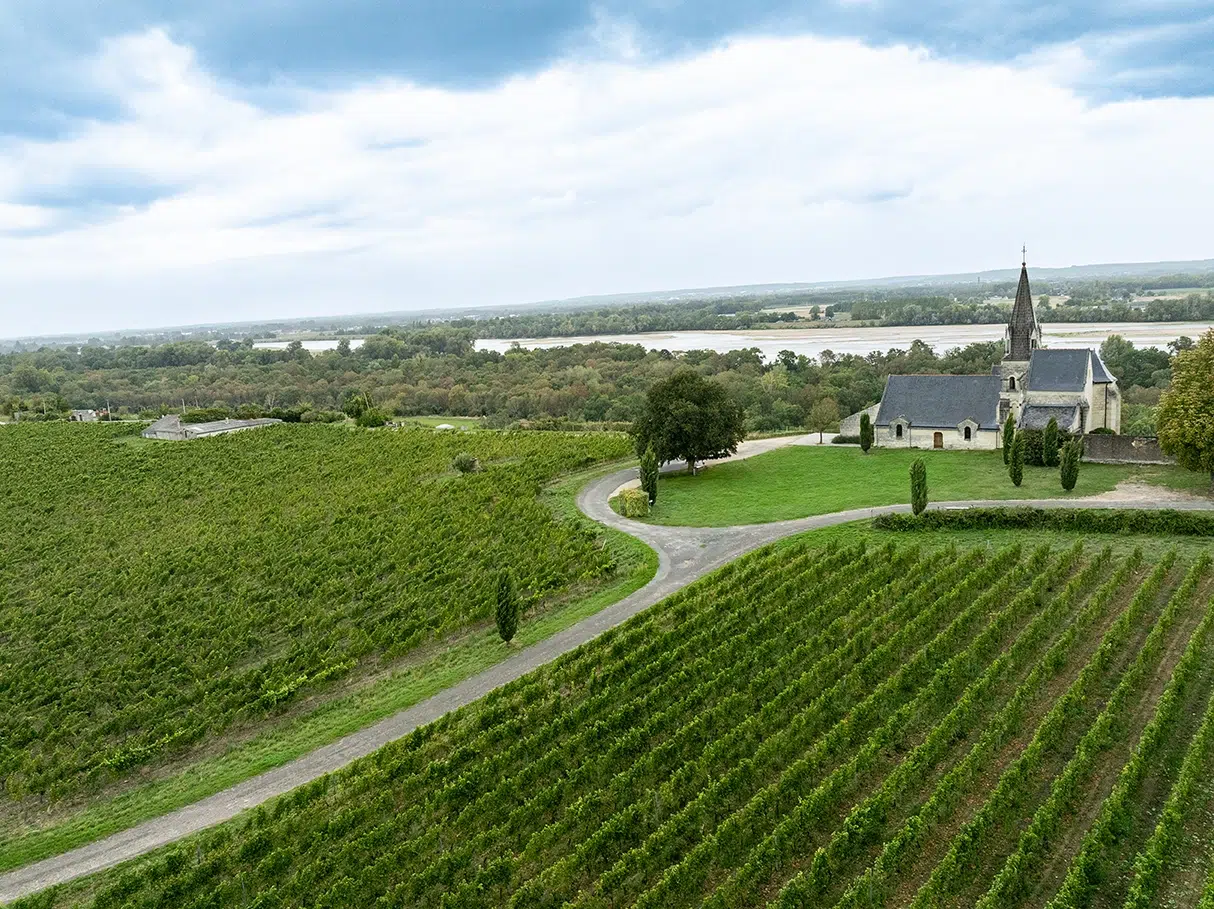
What distinguishes Loire Valley wines is not spectacle, but precision. They rarely depend on excessive ripeness or obvious richness. Instead, they draw their character from acidity, texture, mineral tension, and a clear sense of place. A Sancerre grown on flint-rich soils can feel cool and sharply defined, while a mature Vouvray may open with quince, honey, baked apple, and the faintest suggestion of wax and spice.
The region’s geological diversity helps explain this range. Limestone, tuffeau, chalk, schist, granite, slate, and volcanic soils appear across the Loire’s many appellations, shaping wines that can change significantly from one village to the next. A tasting journey here is not simply about grape variety; it is about understanding how the same grape responds to different exposures, climates, and layers of earth.
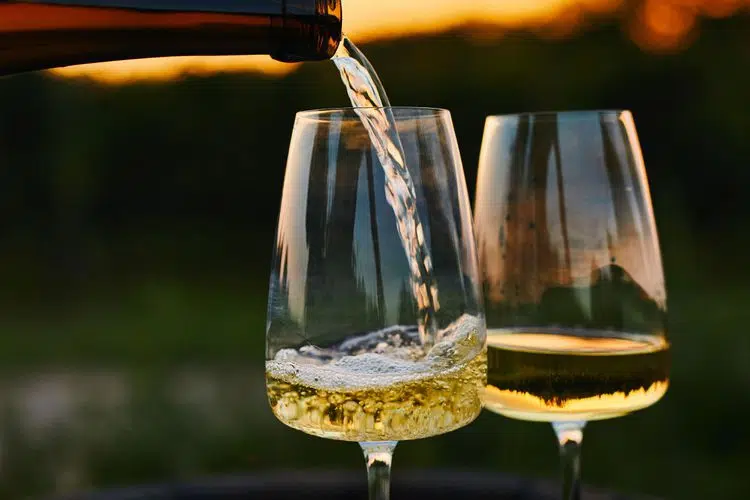
Chenin Blanc is perhaps the Loire’s most fascinating storyteller. Few white grapes move so comfortably between styles, producing bone-dry, sparkling, off-dry, and richly sweet wines without losing their identity. In youth, Chenin can show green apple, citrus, pear, and a subtle floral lift. With age, it develops deeper notes of baked apple, toasted almond, honey, and tarte Tatin while retaining the acidity that allows the finest bottles to evolve for decades.
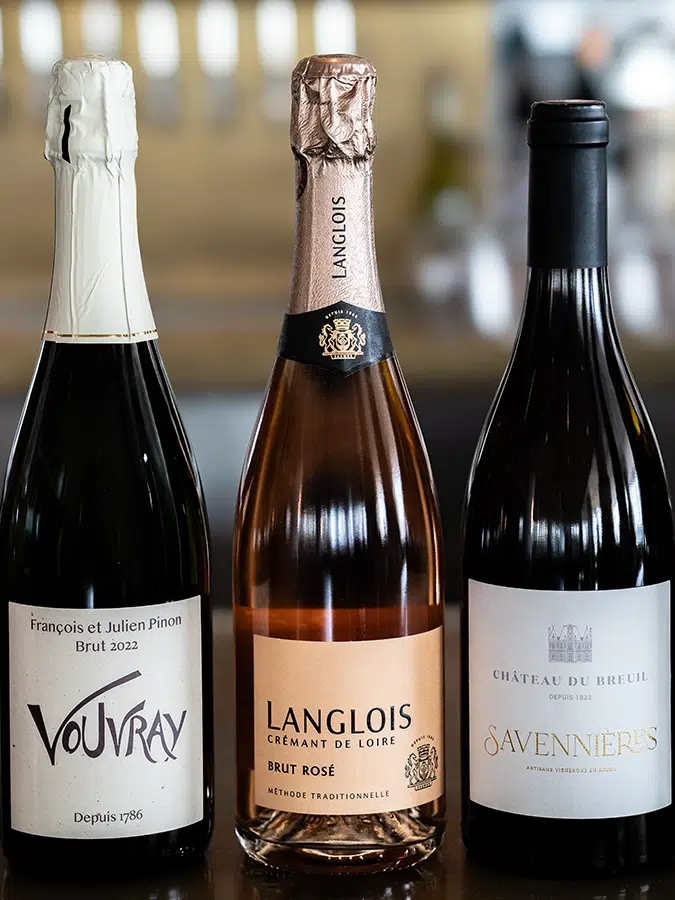
Savennières offers some of Chenin Blanc’s most austere and age-worthy expressions. Vouvray, by contrast, ranges from brisk and dry to gently sweet or fully luscious, depending on the vintage and producer. Crémant de Loire demonstrates the grape’s natural affinity for sparkling wine, while late-harvest examples reveal just how sumptuous Chenin can become when balanced by its characteristic freshness.
Sauvignon Blanc presents another side of the Loire. In Sancerre and Pouilly-Fumé, it is valued not for tropical exuberance, but for citrus, herbal clarity, bright acidity, and the smoky or flinty character associated with certain soils. These are wines of restraint, often at their best beside goat cheese, freshwater fish, oysters, or simply prepared vegetables.
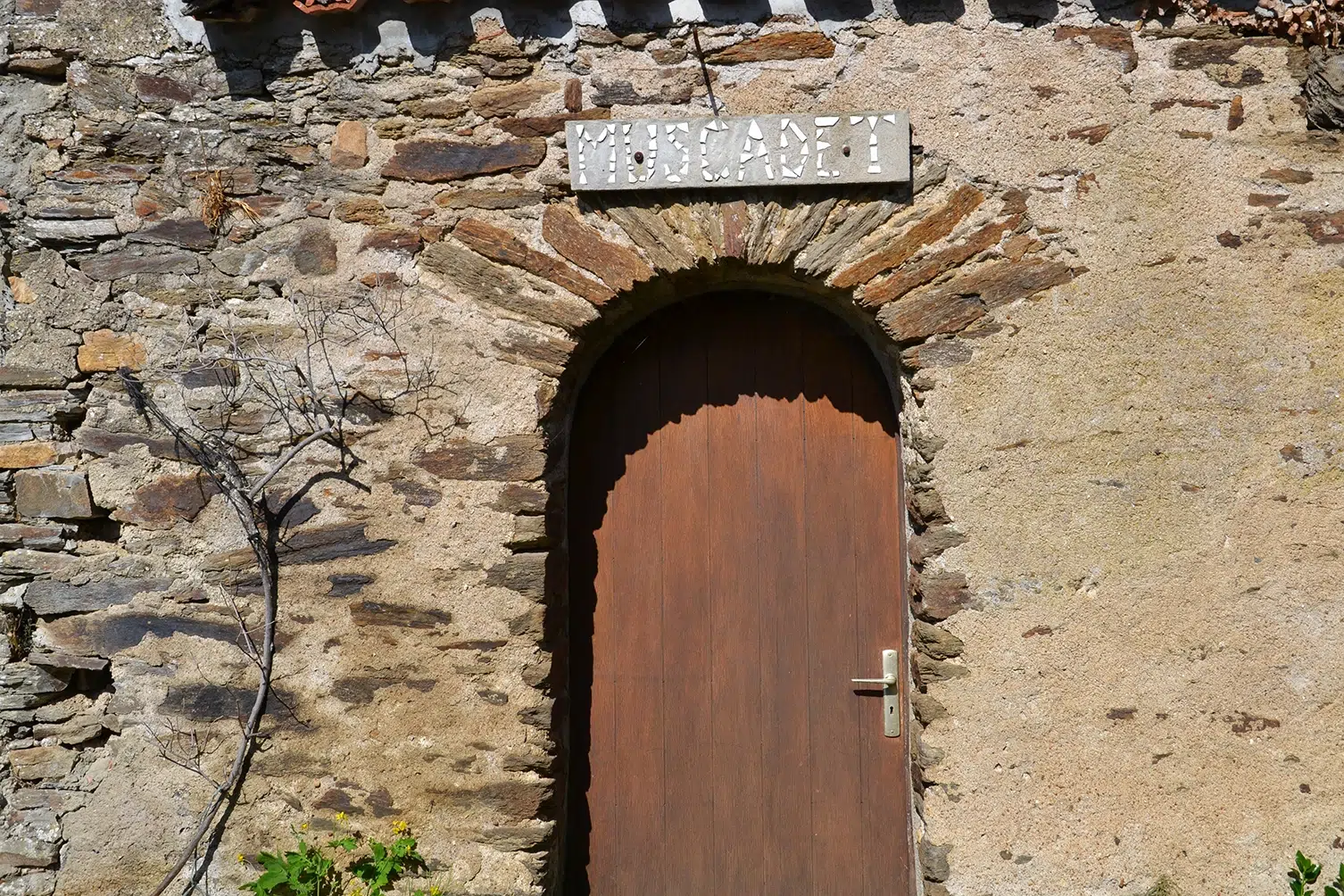
Farther west, near the Atlantic, Melon de Bourgogne finds its most distinctive expression in Muscadet. The wines are crisp, saline, and especially suited to seafood. Many are matured sur lie, resting on fine lees before bottling to gain texture and subtle complexity while preserving their refreshing character. With a plate of oysters or shellfish, a chilled Muscadet can feel less like a pairing than a natural extension of the coast.
This diversity makes the Loire exceptionally rewarding at the table. The wines can move from an aperitif to a full meal with remarkable ease, accompanying everything from charcuterie and roast poultry to river fish, Atlantic seafood, seasonal vegetables, and France’s celebrated cheeses. Their acidity gives them energy, while their range of styles allows them to complement both delicate and richly flavored dishes.
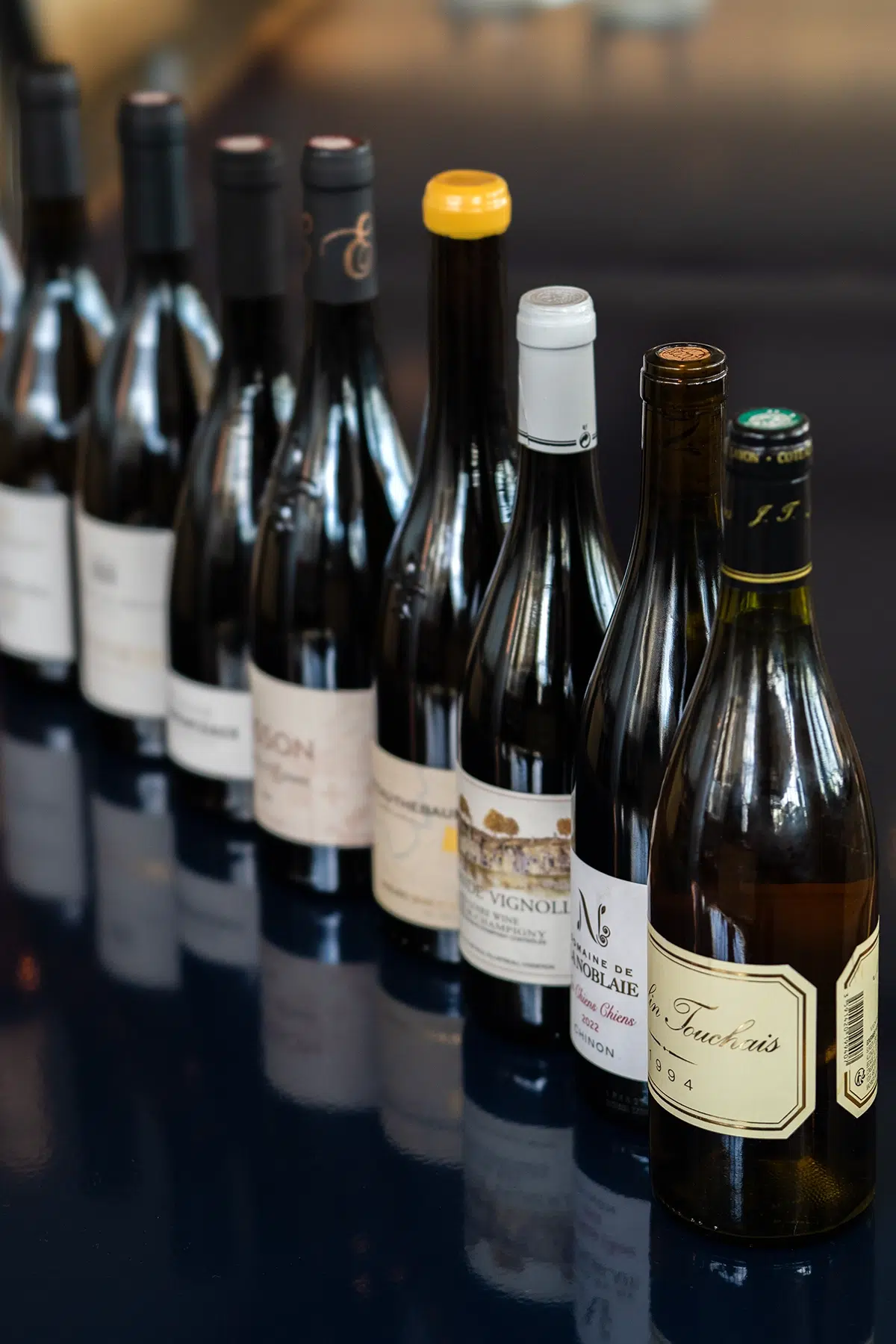
Traveling through the Loire adds another dimension to the wines. Tastings often take place in cool limestone cellars carved into the hillsides, where bottles rest beneath vaulted ceilings, and the air carries a faint scent of stone and earth. In smaller domaines, the person pouring the wine may be the same person who pruned the vines, monitored the harvest, and decided precisely when fermentation should end.
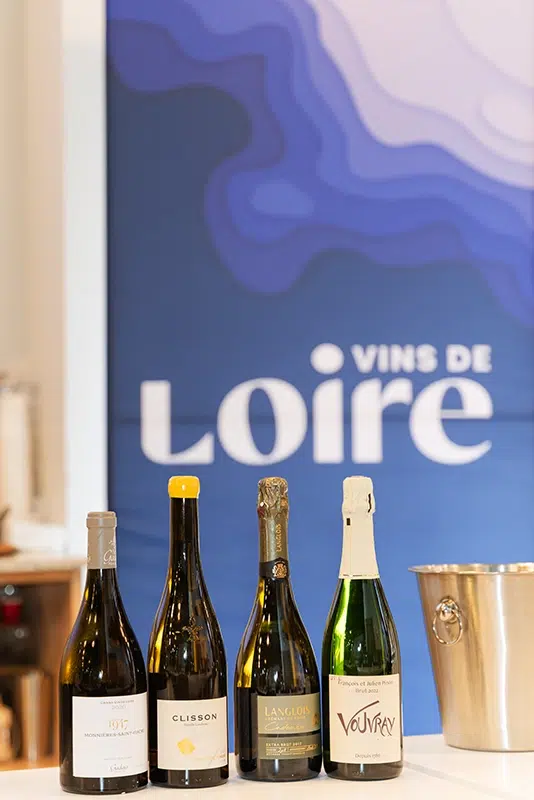
Luxury here is rarely loud. It may take the form of a private tasting in a centuries-old cellar, lunch in a château dining room, or an afternoon spent walking through the UNESCO-listed Loire Valley landscape before returning to a small hotel overlooking the river. Michelin-starred restaurants and grand estates are certainly part of the region, but so are family-run wineries where the welcome is personal and the conversation turns naturally from soil to weather to the promise of the next vintage.
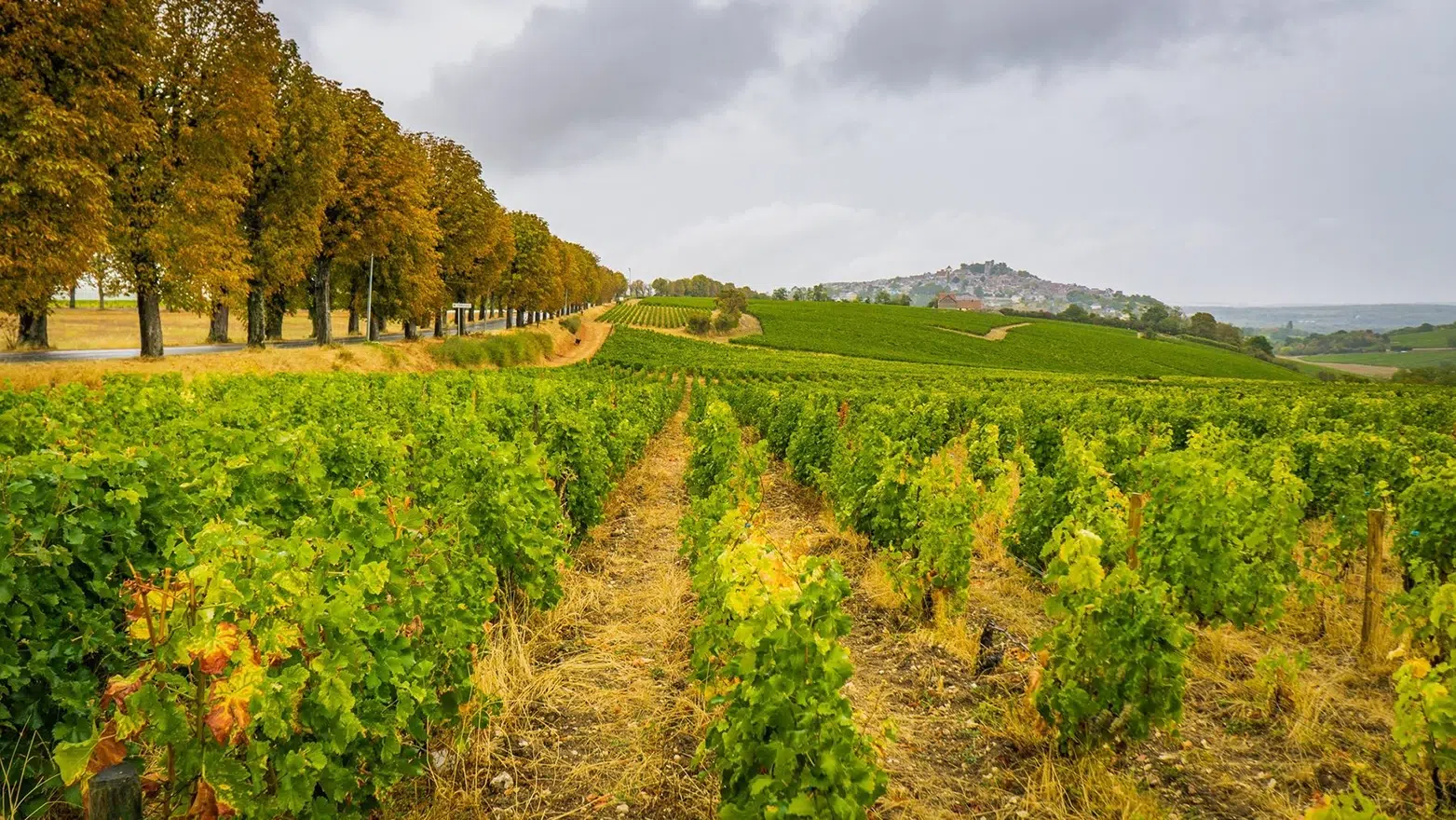
That balance is central to the Loire’s appeal. The châteaux provide drama, but the vineyards offer intimacy. One hour may be spent beneath carved stone ceilings once occupied by kings and queens; the next, at a wooden table tasting Chenin Blanc with a winemaking family whose connection to the land reaches back generations.
The Loire Valley does not ask visitors to choose between architecture and wine, culture and gastronomy, or grandeur and authenticity. It brings them together with unusual ease. As the late afternoon light settles across the vines and a chilled bottle is opened beside the river, the region’s character becomes clear: elegant, layered, quietly confident, and best appreciated without haste.