There are a few wines that carry the same quiet authority as Champagne. Beyond celebration, beyond ceremony, the region has long mastered a singular balance—precision and pleasure, structure and lightness, immediacy and age. In 2026, that duality feels more compelling than ever.
Across the Côte des Blancs, Montagne de Reims, and the Vallée de la Marne, producers continue to refine a language shaped by chalk soils, cool climates, and time. Vintage expressions are gaining renewed attention, while grower-producers are pushing boundaries with site-specific bottlings that speak as clearly of place as any grand cru Burgundy. What unites them is not a single style, but a shared commitment to clarity—of fruit, of texture, of intent.
The following selection brings together Champagnes that define the moment—bottles chosen not for trend, but for their ability to deliver something enduring in the glass.
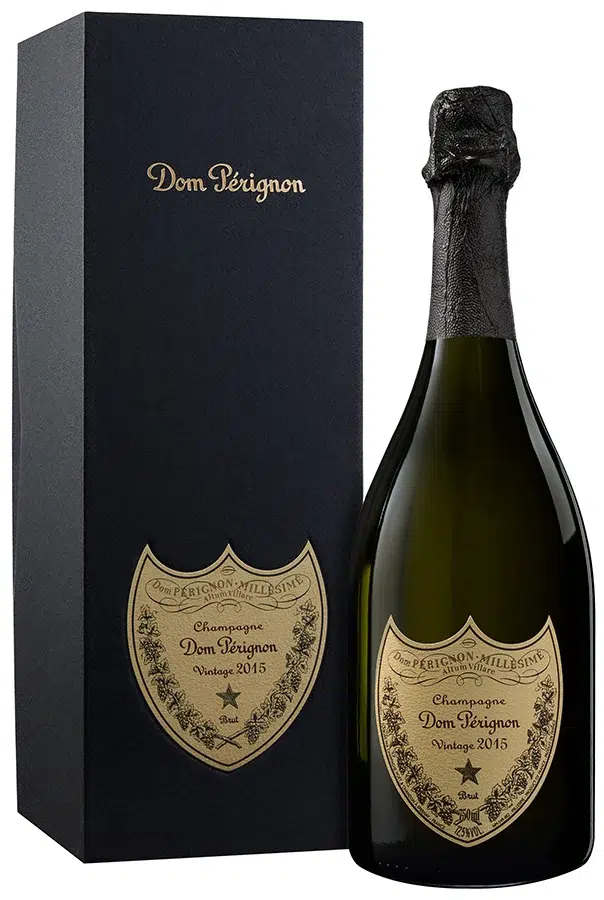
Dom Pérignon Vintage 2015
Dom Pérignon, a Champagne of composure and depth, the 2015 vintage unfolds slowly, revealing layers of stone fruit, citrus, and a fine mineral edge. There is a calm precision here—nothing rushed, nothing overstated—making it a bottle that rewards both patience and attention.
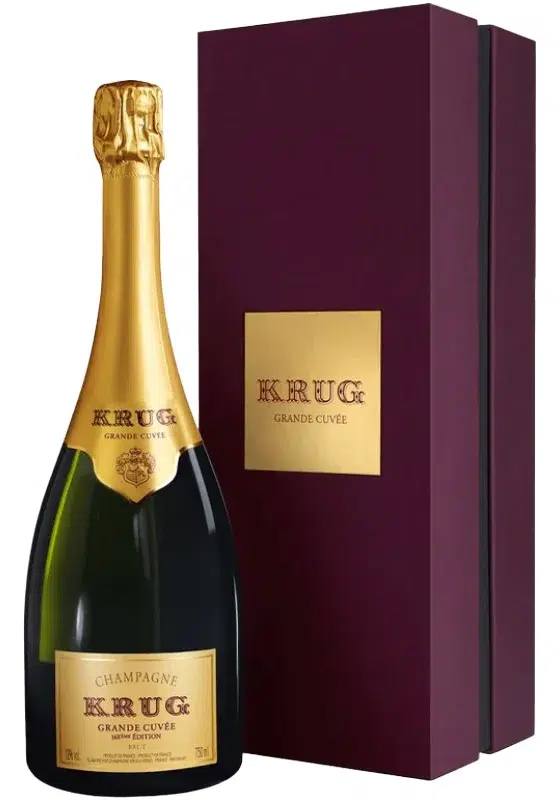
Krug Grande Cuvée (Edition 171)
Krug remains the benchmark for complexity, and Edition 171 continues that legacy. Built from a mosaic of vintages, it offers richness without weight—notes of toasted brioche, dried citrus, and hazelnut carried by an energy that feels almost effortless.
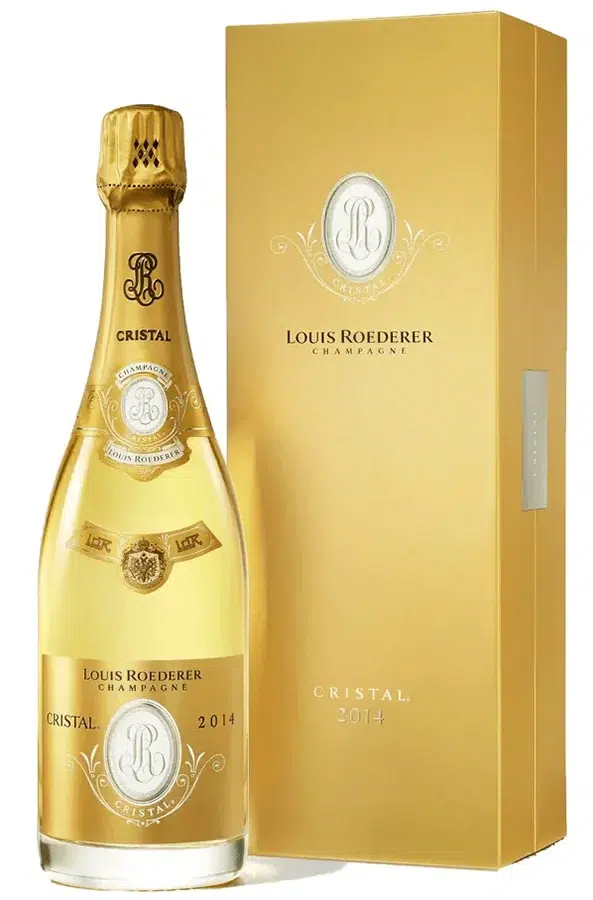
Louis Roederer Cristal 2014
Cristal has always embodied refinement, and the 2014 expression is particularly luminous. Bright citrus and white peach meet a delicate saline finish, creating a Champagne that feels both precise and quietly expansive.
 Bollinger La Grande Année 2014
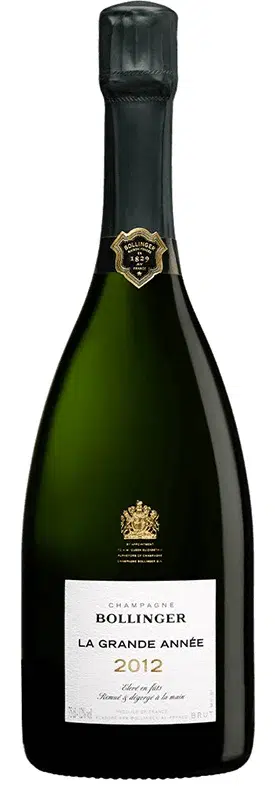
Structured and expressive, Bollinger’s 2014 vintage leans into Pinot Noir’s depth. Red apple, spice, and subtle oak notes give it presence, while a persistent freshness keeps the balance intact. It is a Champagne built as much for the table as for the glass.
 Salon Blanc de Blancs 2013
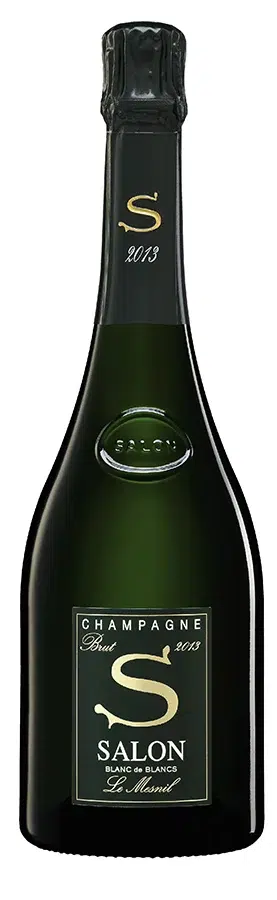
Rare and singular, Salon’s Blanc de Blancs is Chardonnay distilled to its purest form. The 2013 vintage is taut and linear, with citrus, chalk, and a striking sense of precision. It is less about opulence and more about exactness—a wine that speaks quietly, but with absolute clarity.
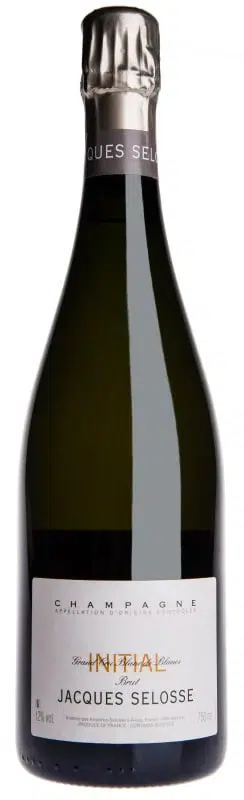
Jacques Selosse Initial Brut
Few producers have redefined Champagne like Selosse. Initial Brut offers a deeper, more oxidative style, where orchard fruit, spice, and texture take precedence over brightness. It is a Champagne that invites contemplation as much as enjoyment.
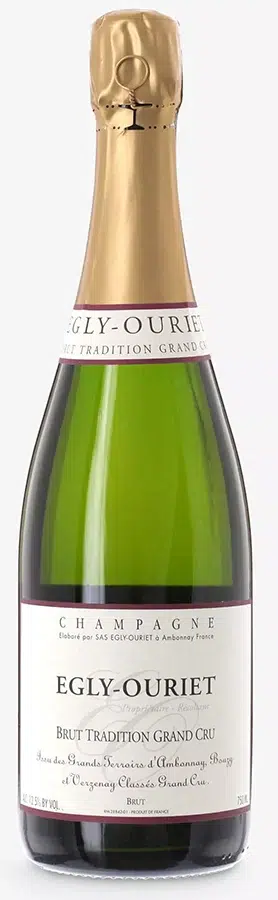
Egly-Ouriet Brut Grand Cru
A grower Champagne with remarkable presence, Egly-Ouriet’s Grand Cru bottling delivers richness and structure without sacrificing finesse. Dark fruit, roasted notes, and a long, resonant finish make it one of the most compelling expressions of terroir today.
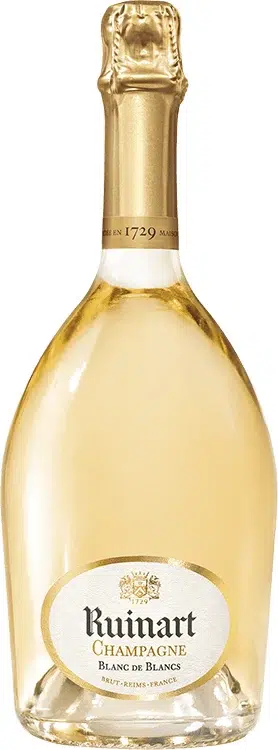
Ruinart Blanc de Blancs
Elegant and immediate, Ruinart’s Blanc de Blancs captures the lighter side of Champagne. Notes of citrus, white flowers, and fresh almond create a profile that is both accessible and refined—an ideal introduction to the region’s more delicate expressions.
What defines these Champagnes is not simply prestige, but perspective. Each reflects a different interpretation of the same landscape—variations shaped by soil, climate, and the decisions made in cellar and vineyard.
In the end, Champagne remains less about occasion and more about intention. It is a wine that adapts—equally at home marking a milestone or elevating an ordinary evening.
And in 2026, the most exceptional bottles are those that do precisely that:
They do not demand attention.
They hold it.