Few wine regions are as synonymous with Cabernet Sauvignon as Napa Valley, yet the wines that matter most are rarely interchangeable. Geography changes everything here. Gravelly valley-floor sites can yield polish and immediacy; volcanic mountain vineyards often produce darker, firmer wines built for time; historic estates bring another layer entirely, with reputations shaped over decades rather than vintages.
The original version of this story approached Napa Cabernet as a holiday gift guide. Six years later, the more compelling story is not what to wrap and place under a tree, but which producers continue to define the category—and why collectors still pay attention.
At their best, these are not merely expensive bottles. They are expressions of place, lineage and winemaking philosophy, each revealing a different version of Napa Valley.
Larkmead Vineyards
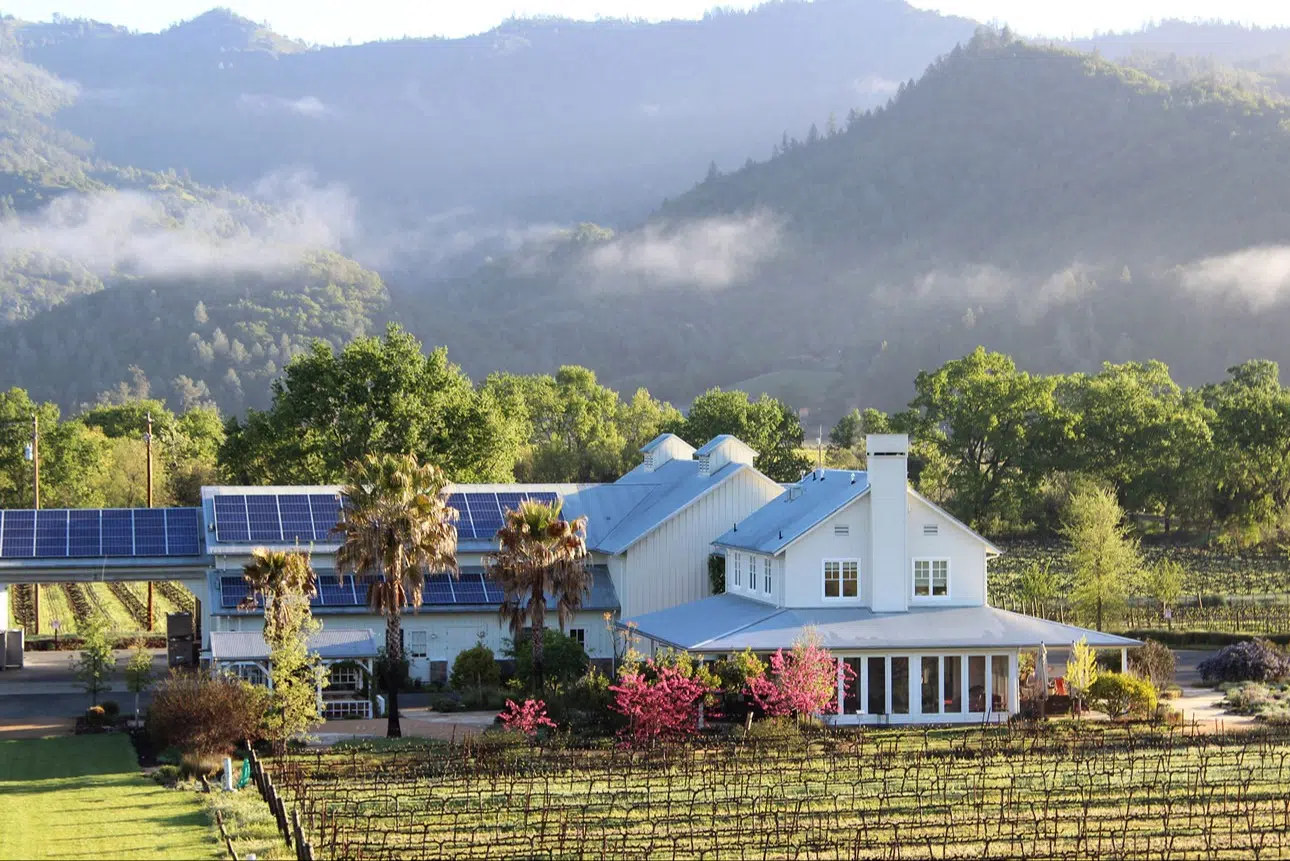
Founded in 1895, Larkmead remains one of Napa Valley’s historic estates, but its appeal today is not nostalgia. Its Calistoga vineyards are remarkable for their diversity of soils, and Cabernet Sauvignon remains the core of the estate’s identity. The flagship Solari Estate Cabernet Sauvignon is drawn from blocks selected for balance and purity, and the current 2023 release shows just how comfortably Larkmead can pair generosity with restraint.
The 2023 Solari is 100 percent Cabernet Sauvignon and sits at the more powerful end of the estate’s range, with Larkmead positioning it as a wine of breadth, persistence and long-term potential. It is precisely the kind of Napa Cabernet that rewards patience without feeling impenetrable in youth.
What makes Larkmead especially compelling now is the evolution of the estate itself. Winemaker Avery Heelan oversees the wines, while the property continues to emphasize organic, sustainable and regenerative farming practices across a vineyard that has been cultivated for generations.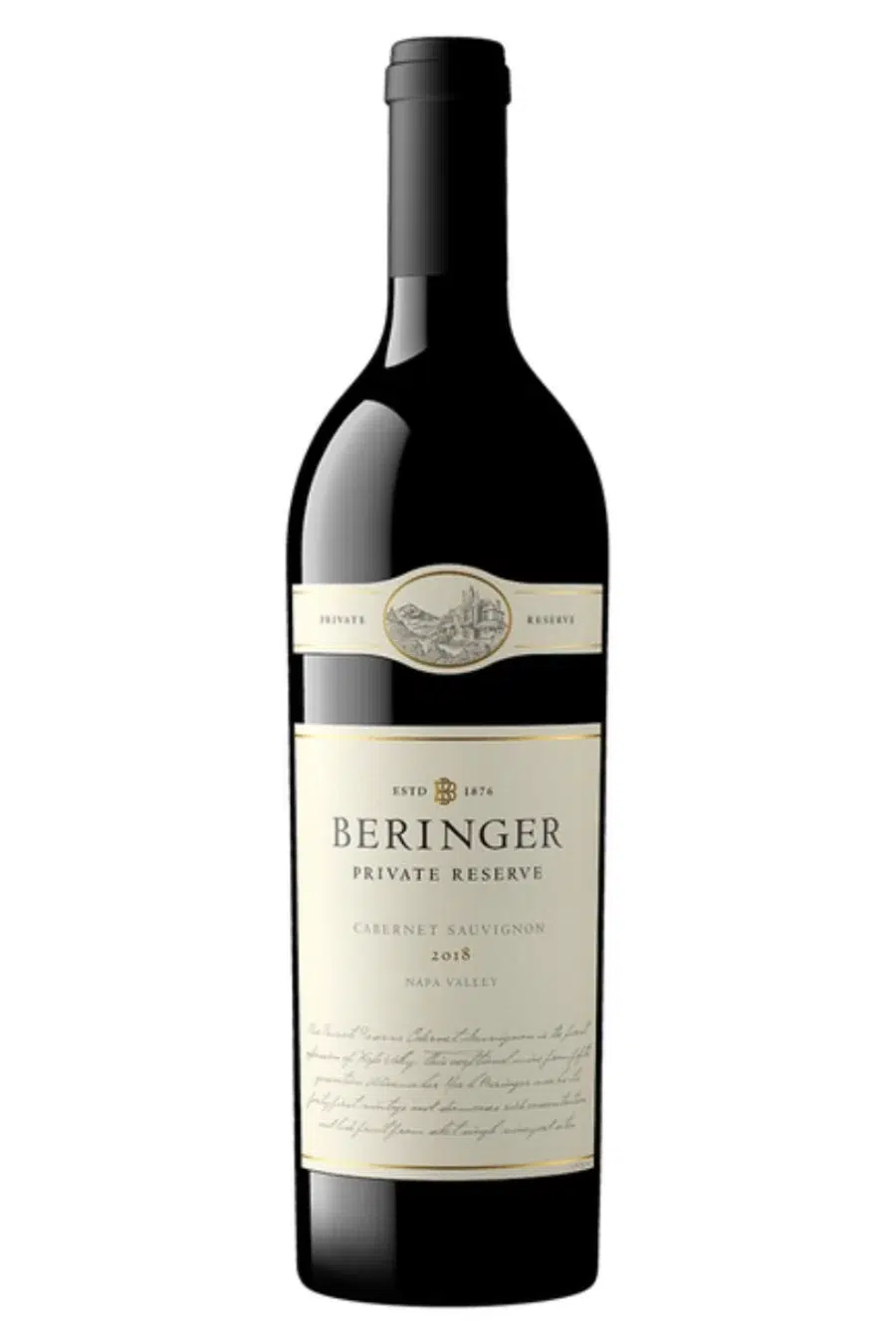
Beringer Private Reserve
Beringer occupies a very different place in Napa history. Founded in 1876, the estate is one of the valley’s foundational names, and its Private Reserve Cabernet Sauvignon remains one of the most recognizable expressions in the portfolio.
The currently available 2020 Private Reserve is made entirely from Cabernet Sauvignon and aged for 20 months in French oak, 65 percent of it new. The wine leans into the darker end of the spectrum—black cherry, black currant, blueberry and plum—with savory earth, floral notes and restrained spice giving it more dimension than sheer richness alone.
What keeps Beringer relevant is consistency. There are flashier labels in Napa, and certainly rarer ones, but Private Reserve remains a useful reference point for anyone trying to understand what polished, age-worthy Napa Cabernet looks like when heritage and modern precision meet.
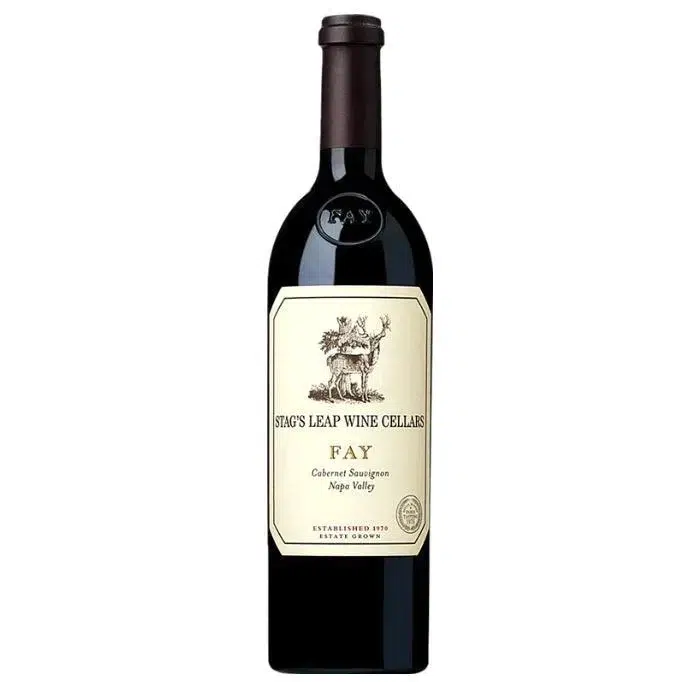
Stag’s Leap Wine Cellars FAY
Few vineyards carry the historical importance of FAY.
Nathan Fay planted Cabernet Sauvignon there in 1961, making it the first Cabernet vineyard in what would later become the Stags Leap District AVA. Stag’s Leap Wine Cellars acquired the vineyard in 1986, and FAY has since become one of the estate’s defining single-vineyard wines.
The 2022 FAY Estate Cabernet Sauvignon is composed of 92 percent Cabernet Sauvignon and 8 percent Cabernet Franc, aged 20 months in new French oak. The wine is characterized by polished tannins, red and black fruit, floral spice and a silky texture—traits that reflect the softer, more perfumed side of Stags Leap Cabernet.
FAY is compelling because it offers contrast. Napa Cabernet is often described through power, but this vineyard is a reminder that fragrance, texture and finesse can be just as persuasive.
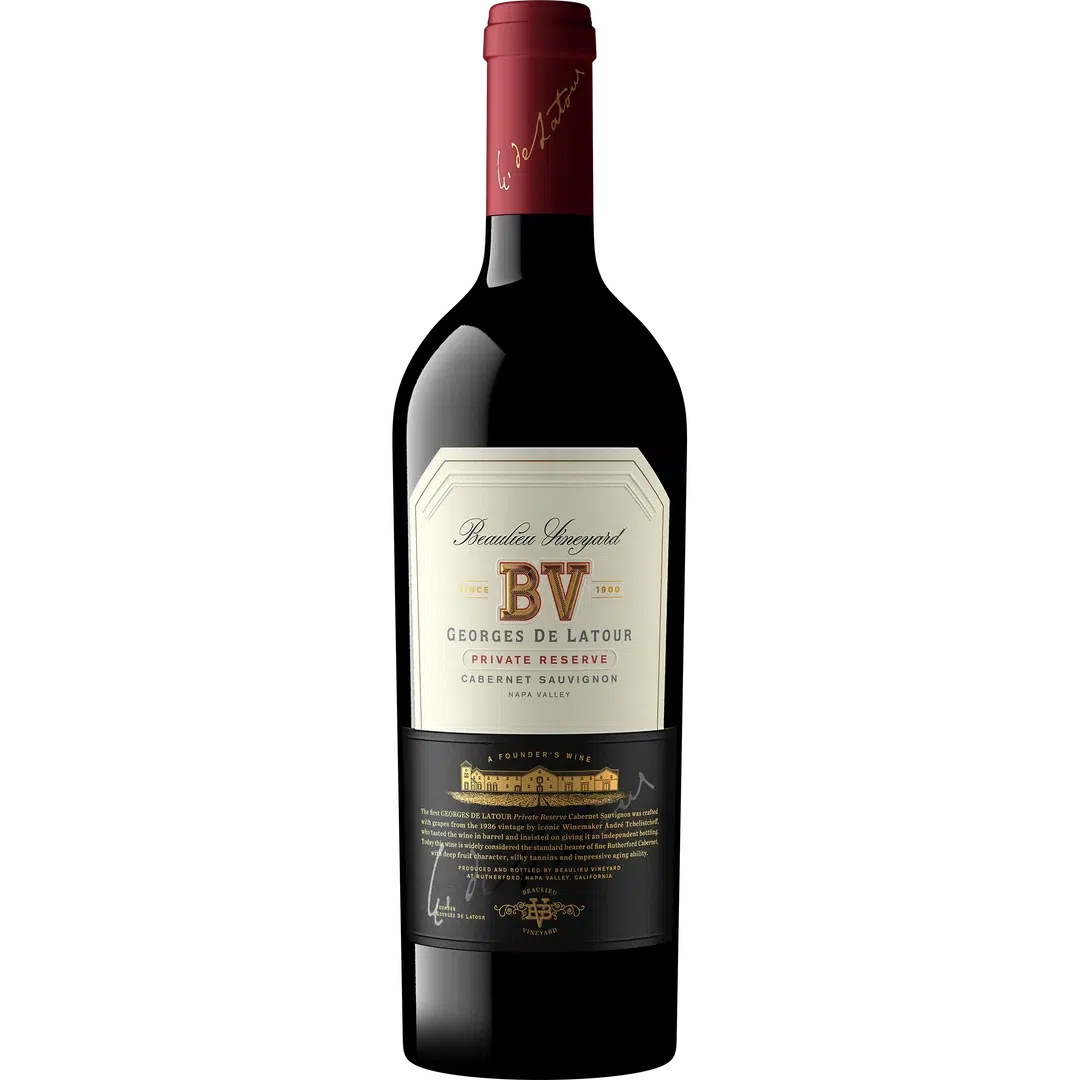
Beaulieu Vineyard Georges de Latour Private Reserve
If there is a wine that belongs in any conversation about classic Napa Cabernet, Georges de Latour Private Reserve earns its place through sheer longevity.
First produced in 1936, the wine became one of the defining benchmarks of Rutherford Cabernet and helped establish Beaulieu Vineyard as one of Napa Valley’s most important historic producers. The appeal is not merely that the name is old; it is that the wine continues to embody a distinctly traditional idea of Napa—structured, age-worthy and deeply tied to place.
For collectors, Georges de Latour offers something increasingly valuable: continuity. Napa has evolved dramatically, but this bottling remains connected to a lineage that predates much of the modern luxury-wine boom.
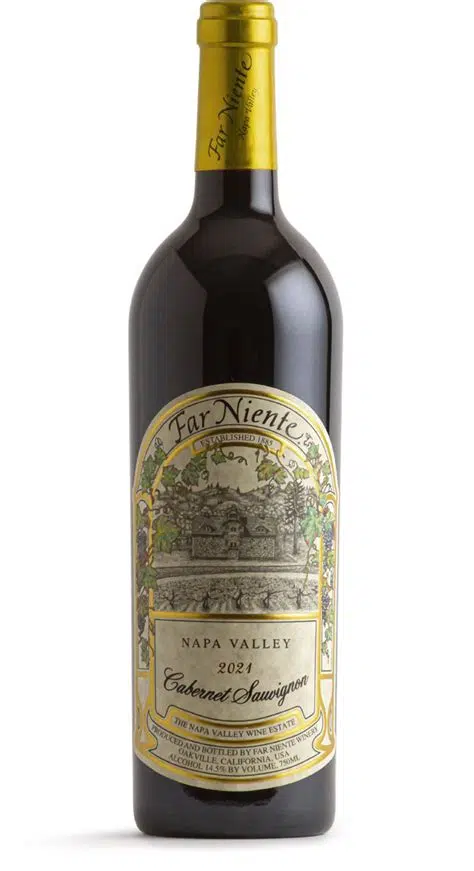
Far Niente Cabernet Sauvignon
Far Niente represents another version of Napa refinement.
The estate began producing Cabernet Sauvignon in Napa Valley in 1982, building a style around fruit from its Oakville estate alongside selected vineyard sources across the valley. The resulting Cabernet has long been known more for polish and proportion than brute force.
That distinction matters. In a category where concentration can easily become the story, Far Niente has traditionally occupied a more elegant lane: layered fruit, controlled oak, aromatic complexity and a texture designed to be generous without becoming heavy.
Its appeal is especially strong for drinkers who want a Napa Cabernet that feels luxurious without demanding decades in the cellar before showing its best side.
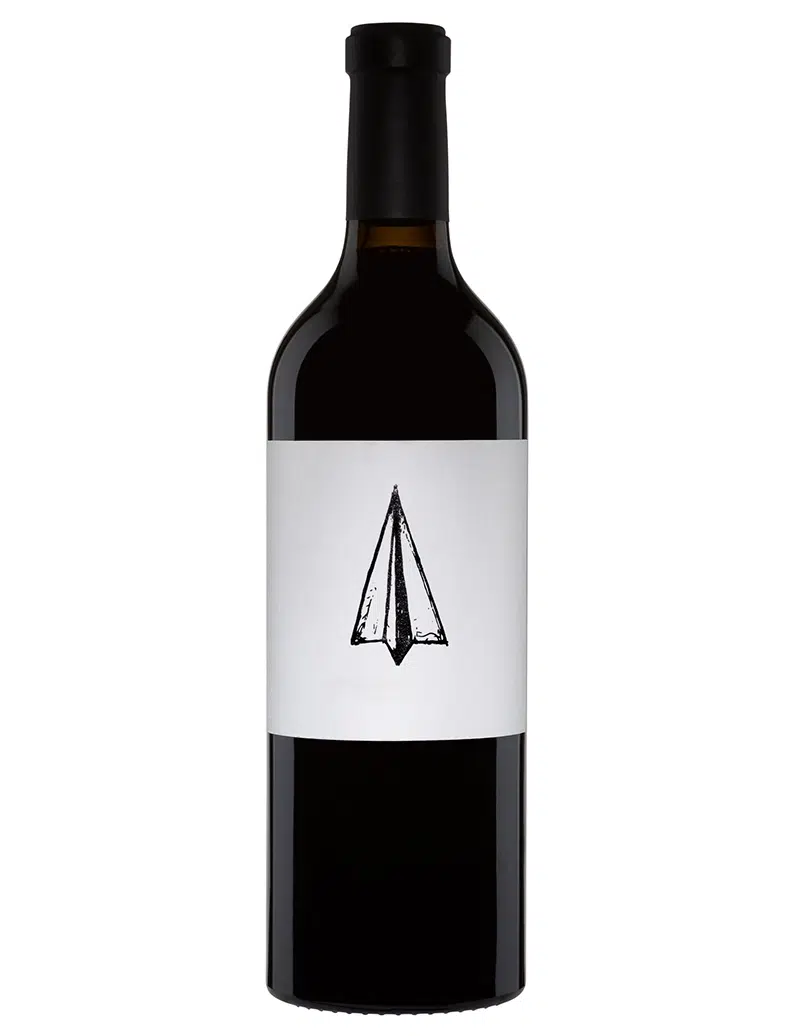
Aileron Estates
Aileron remains one of the more personal names in this group.
Shannon O’Shaughnessy created the label after years of involvement with her family’s Napa wine interests, building Aileron around a distinctly independent identity. The name references the hinged control surface of an aircraft wing, an appropriate metaphor for a project shaped by O’Shaughnessy’s passion for aviation and adventure.
The original Aileron Cabernet featured in this story was made with the involvement of Philippe Melka and Maayan Koschitzky, placing the wine within one of Napa’s most respected contemporary winemaking circles. The Howell Mountain origin gave the Cabernet its expected mountain structure: darker fruit, firmer tannins and a more mineral, earth-driven personality than many valley-floor wines.
That mountain-versus-valley contrast is one of the reasons Aileron still belongs in the discussion. Howell Mountain Cabernet tends to ask more of the drinker early on, but the reward can be extraordinary longevity and depth.
C. Elizabeth Game Farm Vineyard
C. Elizabeth has always operated on a more intimate scale.
The original wine came from select blocks of the Game Farm Vineyard near Oakville, with production measured in hundreds rather than thousands of cases. That scale alone does not make a wine important, but it does allow for a degree of precision that larger programs cannot always replicate.
The Cabernet was conceived as an expression of a specific site rather than a broad Napa blend, placing it squarely in the collector-driven segment of the market where vineyard identity matters as much as brand recognition.
In a valley increasingly defined by micro-production wines, C. Elizabeth illustrates why scarcity is most persuasive when it is tied to place rather than marketing.

Yao Family Wines Howell Mountain Cabernet Sauvignon
Yao Family Wines may have initially drawn attention because of its founder, NBA Hall of Famer Yao Ming, but the more interesting story has always been the wine itself.
The Howell Mountain Cabernet featured in the original article came from a high-elevation site planted in volcanic soils and red clay, conditions that naturally produce smaller yields and more structured wines.
That environment is central to understanding Howell Mountain. At elevation, Cabernet develops differently than it does on the valley floor, typically with thicker skins, more pronounced tannins and darker fruit. The result can feel formidable when young, but the best examples evolve beautifully with age.
Yao Family Wines belongs here not as a celebrity curiosity, but as another expression of how dramatically Napa Cabernet changes when altitude enters the equation.
Why These Wines Still Matter
The most interesting thing about Napa Cabernet in 2026 is that the category has become both more sophisticated and more fragmented.
There is no longer one definition of “luxury Napa Cabernet.” A historic Rutherford estate, a polished Oakville bottling, a single-vineyard Stags Leap wine and a muscular Howell Mountain Cabernet can all occupy the same cellar while delivering completely different experiences.
Collectors increasingly understand that distinction. The strongest wines are not necessarily the biggest, darkest or most expensive; they are the ones that communicate where they came from and why that place matters.
That is what connects the producers here.
Larkmead gives us Calistoga history shaped by diverse soils. Beringer and Beaulieu Vineyard carry Napa’s institutional memory. FAY expresses the perfume and texture of Stags Leap. Far Niente captures Oakville polish. Aileron and Yao show the architecture of mountain Cabernet. Smaller programs such as C. Elizabeth remind us that scarcity is most meaningful when it reflects a specific vineyard.
Napa Cabernet may remain one of the world’s great luxury wines, but its real appeal lies deeper than prestige.
The best bottles reveal the valley not as one place, but as many.
I would use “The Napa Cabernets Worth Knowing Now” as both the article title and SEO title. It feels much more current, authoritative and collector-oriented than the old holiday-gift framing, while giving us room to keep refreshing the page as vintages change.