Luxury wine has traditionally been defined by provenance, craftsmanship, rarity, and ritual. Increasingly, however, a new consideration has entered the conversation: how a wine fits into a more health-conscious lifestyle without sacrificing the pleasure that made people reach for the bottle in the first place.
That shift has helped create space for a new generation of reduced-sugar, lower-calorie and mindful-drinking brands. Among them is ThinK Wine Group, founded by Liverpool entrepreneur Katherine Jones, who set out to create sparkling wines that felt indulgent enough for celebration while addressing the growing appetite for lighter choices.
Jones’ idea was personal from the beginning. A longtime Prosecco enthusiast, she wanted an option with less sugar and fewer calories but without the stripped-down character that can make some lower-alcohol or wellness-positioned wines feel like a compromise. According to ThinK, Jones spent two years developing the concept before establishing the business in 2020, ultimately partnering with producers in Italy and sourcing grapes from Treviso.
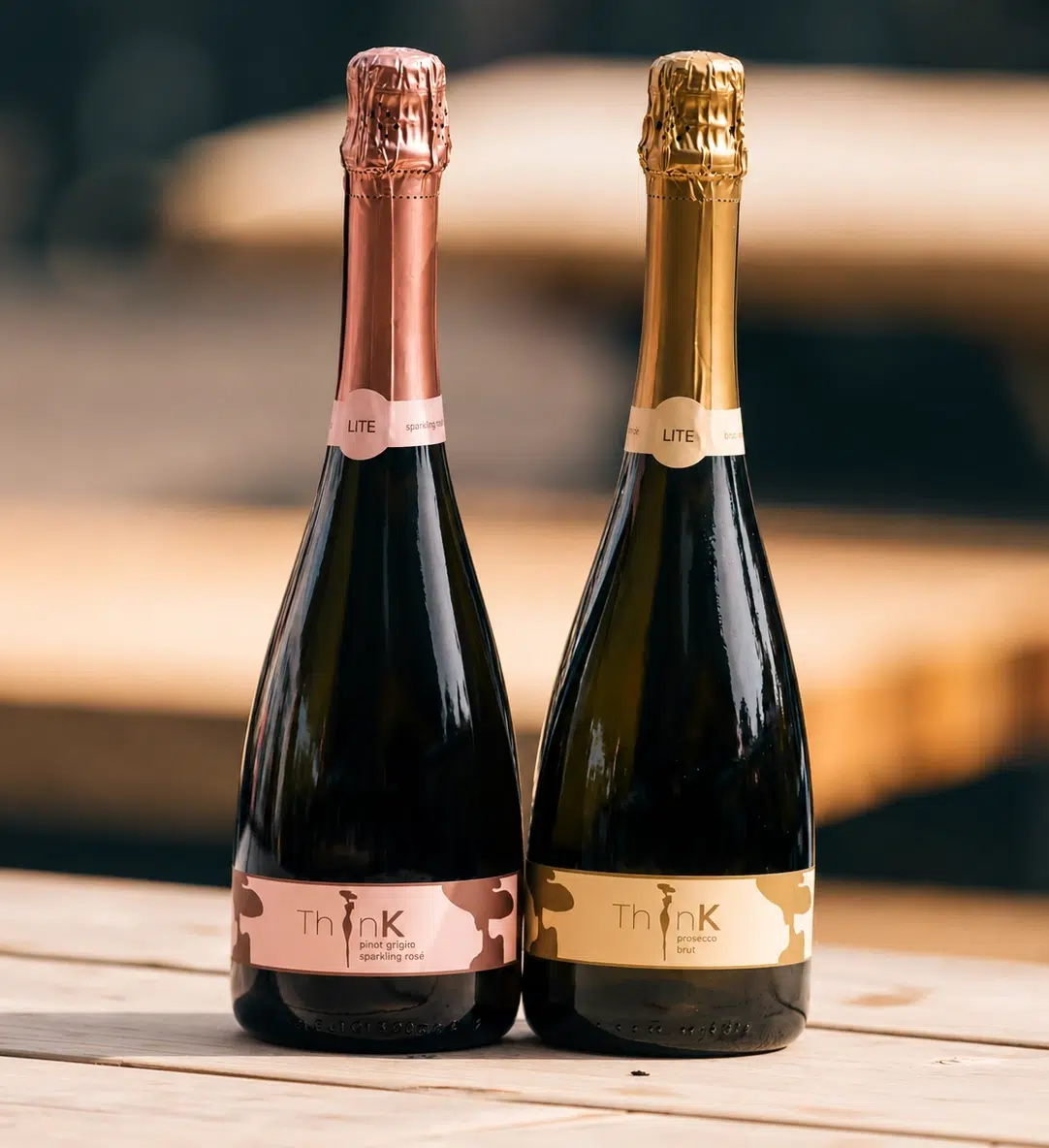
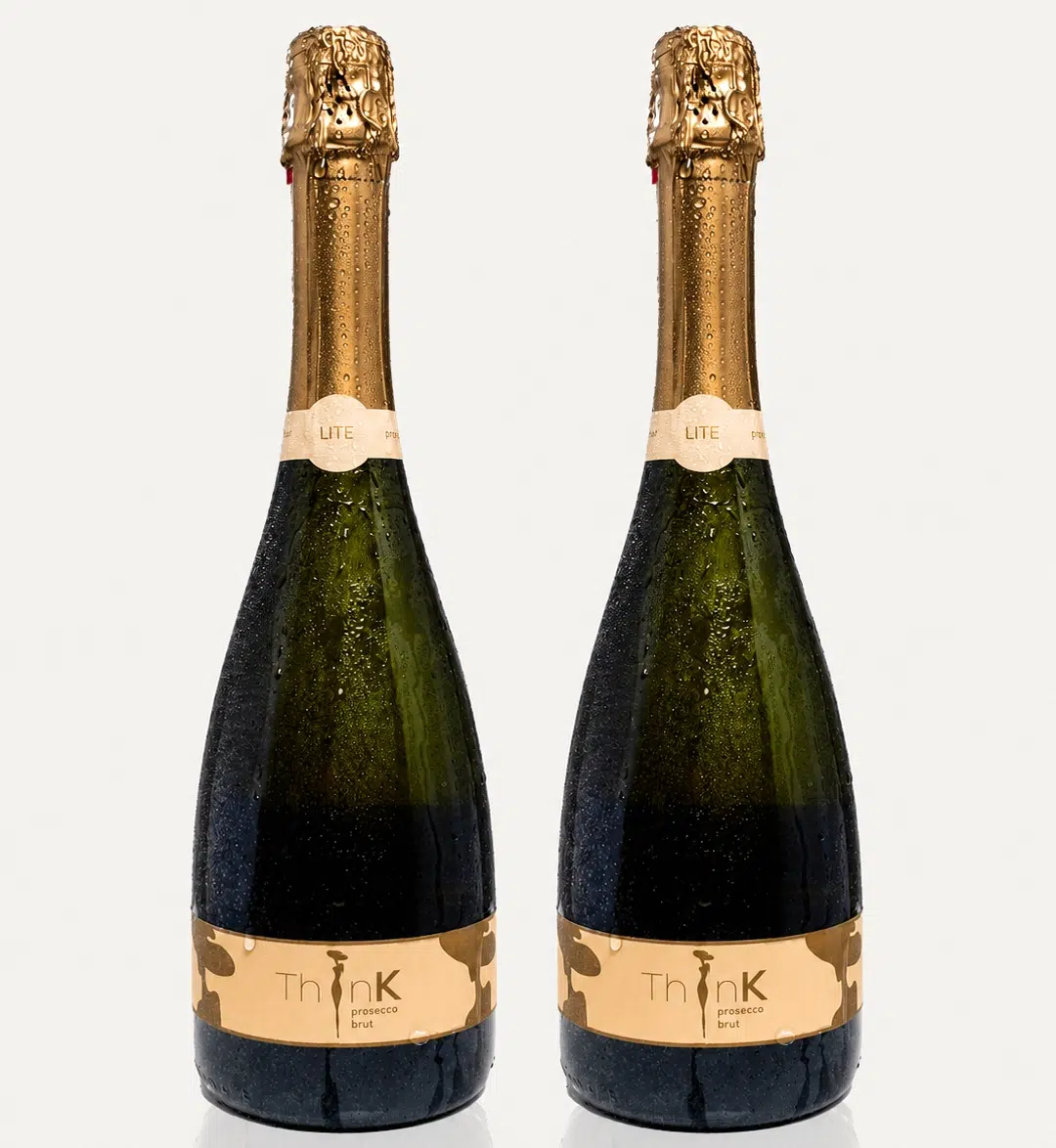
The result is a range that includes organic Prosecco and sparkling rosé made with an emphasis on reduced sugar, vegan production and organic viticulture. ThinK’s current Prosecco is produced from Glera grapes, carries 11% ABV and is listed by the company at 62 calories and 0.67 grams of residual sugar per glass.
What makes the story more interesting in 2026 is how closely ThinK’s original proposition aligns with the broader changes now reshaping the drinks industry. Consumers are not necessarily abandoning wine, but many are becoming more selective about when, why and what they drink. That has created room for everything from no- and low-alcohol bottles to wines marketed around lower sugar, cleaner ingredient profiles and more responsible sourcing.
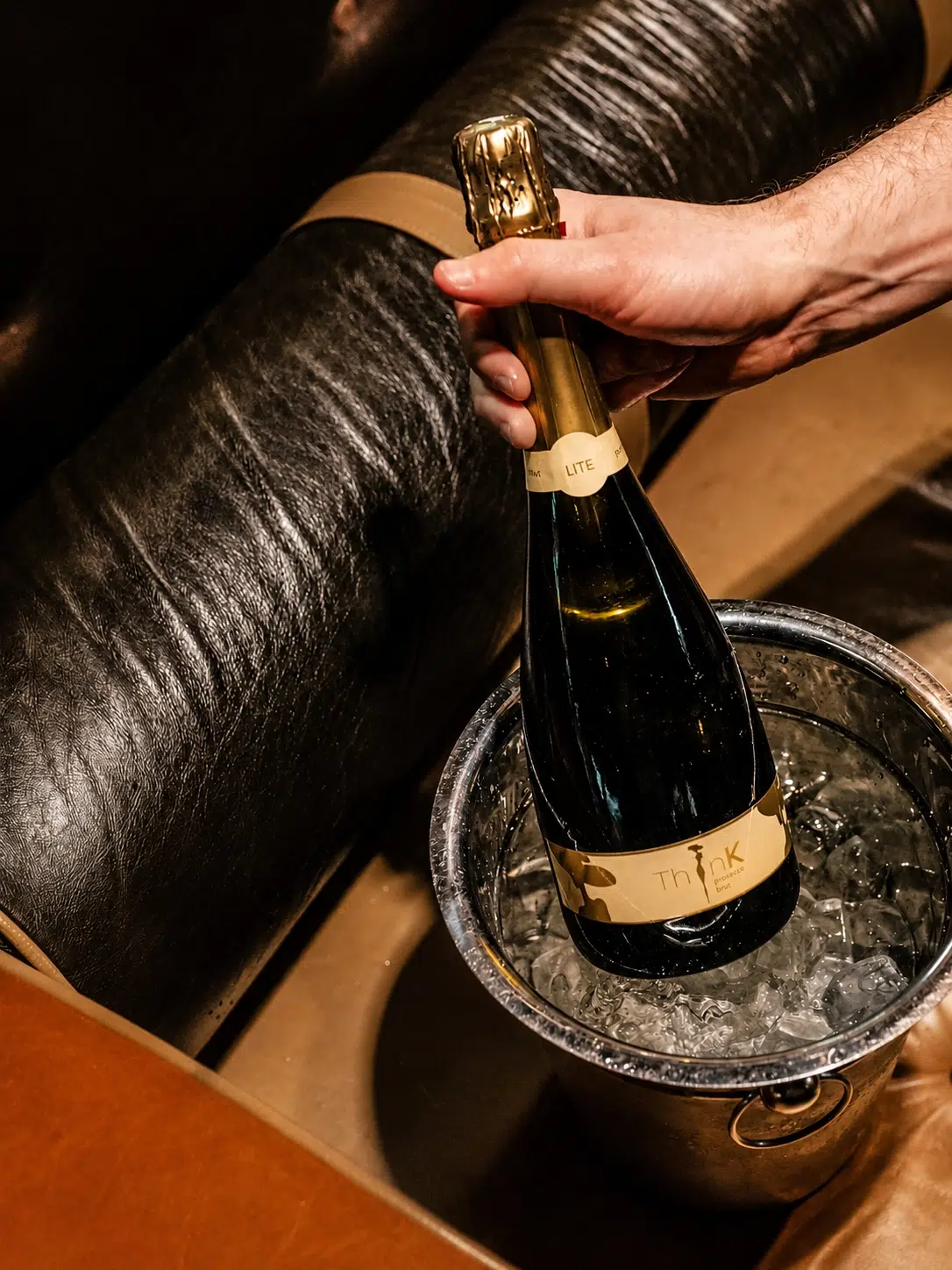
ThinK sits in a particularly interesting place within that movement because it has never positioned taste as secondary. The brand’s own philosophy centers on maintaining the experience of sparkling wine while reducing elements that more health-conscious consumers may want less of. Its current range is vegan and organic, and the company says its wines are also low in sulfites.
For Jones, the decision to make the wine vegan was not simply a marketing distinction. Traditional winemaking can involve animal-derived fining agents during clarification, while vegan producers use alternatives. ThinK has made plant-based production part of its identity, alongside the company’s wider sustainability positioning.
That environmental focus became more formal in March 2023, when ThinK Wine Group achieved B Corporation certification, a milestone the company now highlights as part of its commitment to operating with sustainability at its core.
The brand’s Italian connection remains central to its appeal. ThinK says its wines are crafted from premium Treviso grapes, bringing a recognizable sense of place to a product that might otherwise be dismissed as another wellness-driven alternative. That distinction matters. The strongest reduced-sugar wines still need to feel like wine first, with the freshness, acidity and structure that make sparkling styles compelling in the first place.
Jones’ own background also helps explain why ThinK developed differently from a traditional wine label. Before launching the company, she built a career in influencer marketing and brand development, experience that gave her an unusually modern understanding of how consumer tastes are shaped online. ThinK’s growth has reflected that background, combining direct-to-consumer sales, influencer visibility and an increasingly lifestyle-led identity.
That approach proved especially valuable during the pandemic years, when direct online sales became crucial for emerging drinks brands. More recently, ThinK has expanded beyond its original bottled offering. In a 2025 interview, Jones discussed the launch of canned Prosecco, which reportedly sold out within eight weeks, along with the company’s ambitions for further international expansion.
The canned format may sound casual compared with the ceremony of popping a cork, but it speaks to a broader shift in how premium beverages are consumed. Portability, portion control and convenience are increasingly compatible with luxury, particularly among younger drinkers who are less attached to traditional rules around wine service.
ThinK’s evolution also reflects the way luxury itself is changing. For many consumers, refinement is no longer only about excess. It can also mean better sourcing, greater transparency, considered production and the freedom to choose a lighter option without feeling that the experience has been diminished.
That does not mean sugar, calories or alcohol content should become the sole measure of quality. Wine remains a sensory product, and reducing any one component does not automatically make a bottle better. What matters is whether the finished wine retains balance, freshness and a sense of identity.
In that respect, ThinK’s most interesting achievement may be that it helped anticipate a conversation that has since become much larger. Reduced-sugar sparkling wine is no longer an eccentric niche, and mindful drinking is no longer confined to dry January. It is becoming part of the mainstream luxury drinks market, where consumers increasingly expect pleasure and restraint to coexist.
For Katherine Jones, that was the point from the beginning: create something she would genuinely want to drink, then build a brand around the idea that choosing differently should not feel like settling for less.