Long before gin became a canvas for whimsy, infused, colored, and refracted through fleeting trends, it was something far more exacting. It was the backbone of the Martini, the quiet authority behind the Southside, the spirit that defined an era when cocktails were measured not by invention, but by precision.
Trevethan Gin does not attempt to reinterpret that legacy. It restores it.
Its origins trace to 1929, within the storied grounds of Port Eliot Estate, where Norman Trevethan, a chauffeur in service to the Earl and Lady St Germans, composed a gin recipe with little expectation of permanence. Like many spirits of the time, it was born of ingenuity and discretion, a private formula shaped during the twilight of the Roaring Twenties, when cocktail culture reached its most refined expression.
Nearly a century later, that same recipe has been revived with a level of precision that borders on devotion.
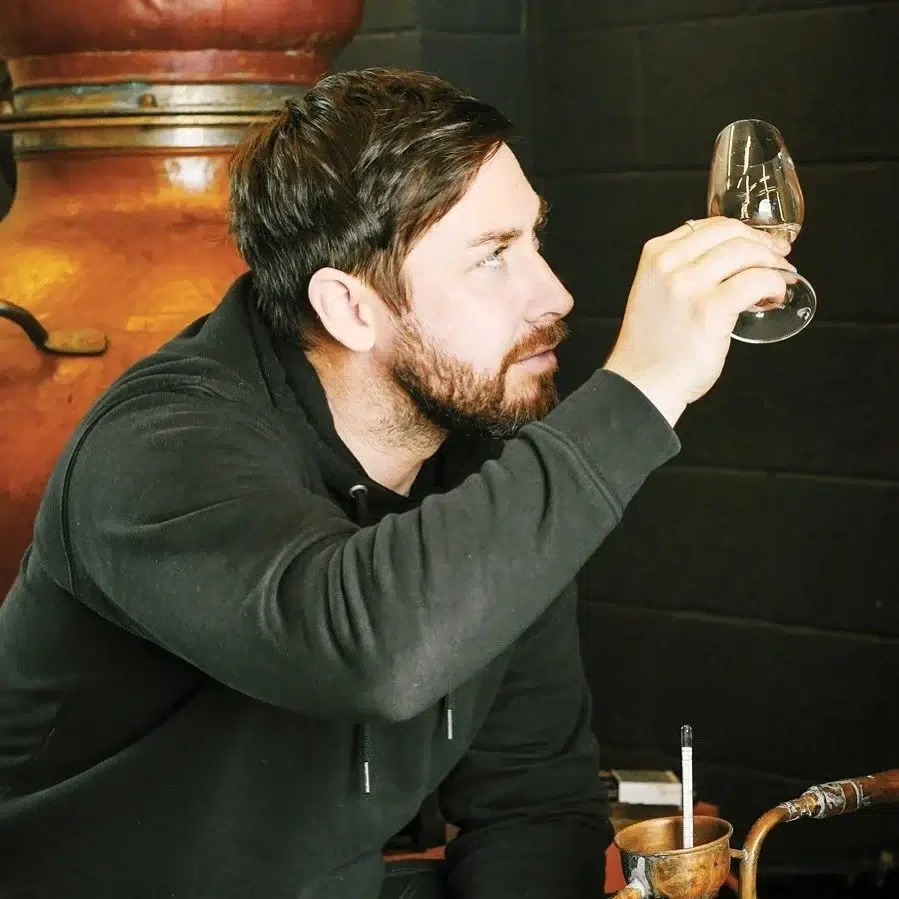
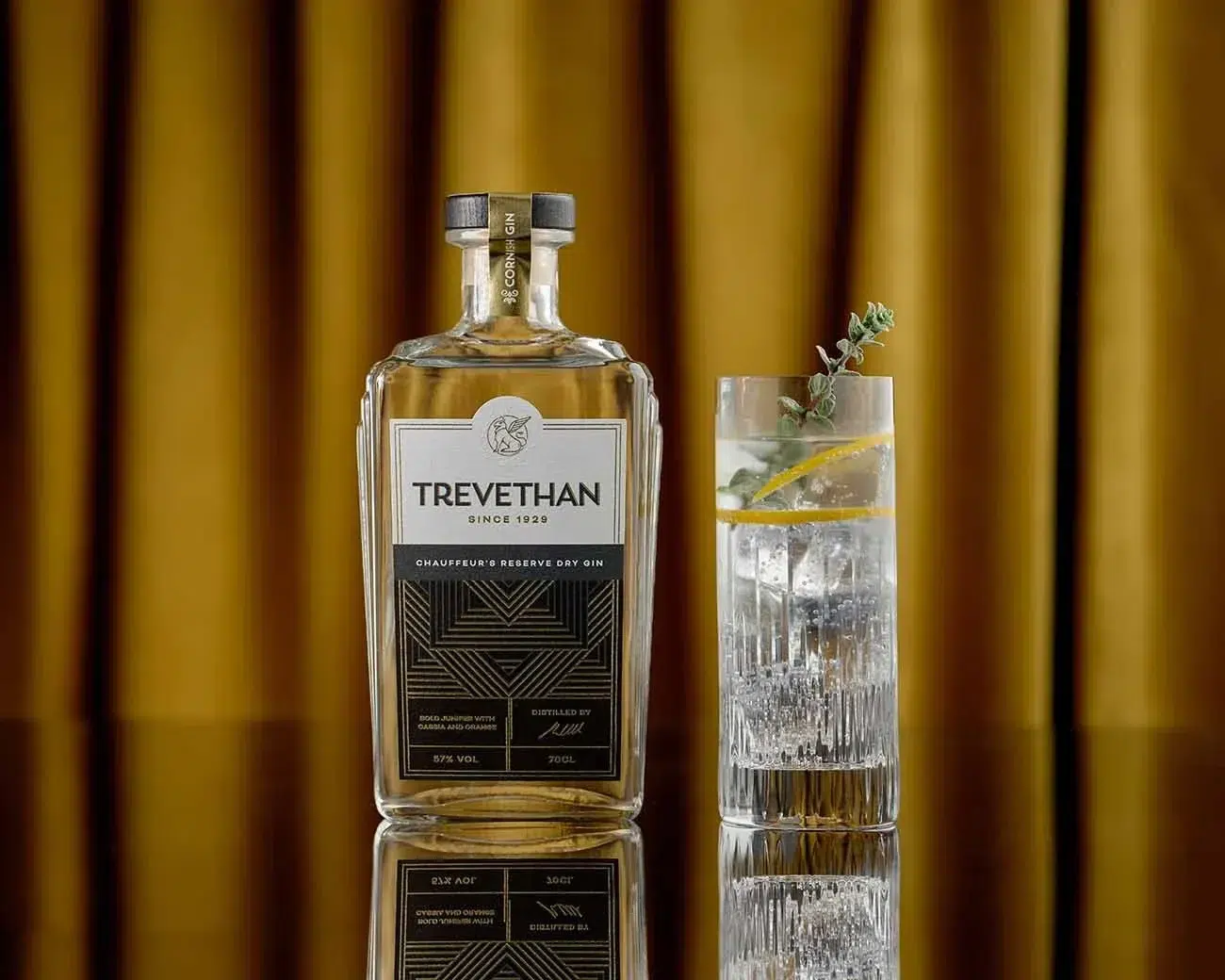
The modern chapter of Trevethan is led by John Hall, a trained chemist whose sensibility leans closer to archivist than innovator. Working alongside Norman’s grandson, Rob Cuffe, Hall undertook an 18-month process of reconstruction, over 30 iterations, refining the balance until the spirit revealed itself with clarity. The result is Trevethan Original Gin, accompanied by the more commanding Chauffeur Reserve Navy Strength, each grounded in classic London Dry principles yet unmistakably Cornish in character.
At first encounter, the gin announces itself with crystalline focus. Juniper leads, clean, resinous, and assured, before giving way to a soft bloom of elderflower and the faint, sunlit sweetness of gorse. There is a subtle coastal minerality beneath it all, as if carried on Atlantic air. On the palate, it is structured and silken, unfolding in layers that remain taut and disciplined. The finish is long, dry, and quietly persistent, exactly as a proper gin should be.
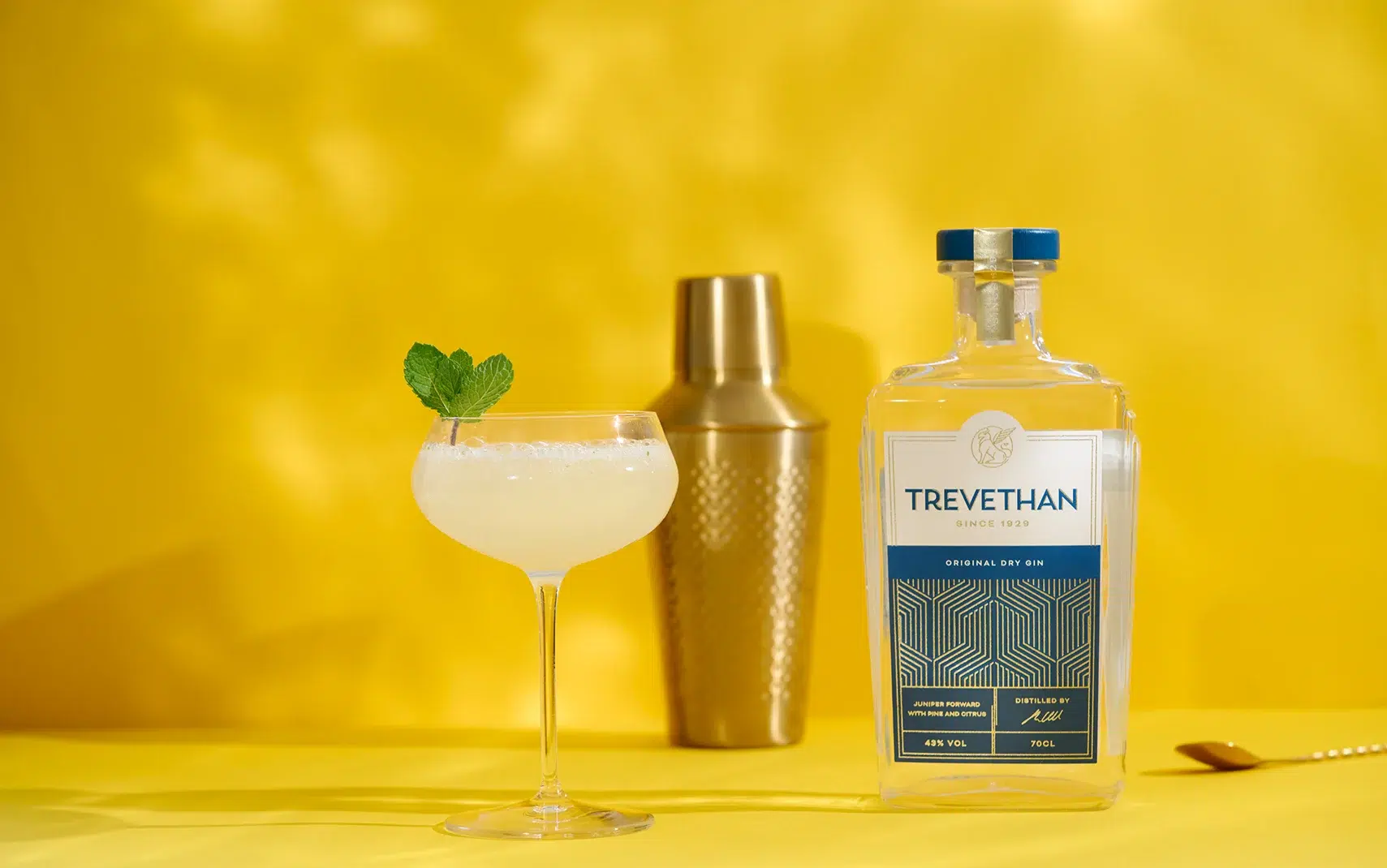
This is not a spirit designed to compete for attention. It is built to anchor.
That distinction matters now more than ever. After a decade defined by experimentation, the pendulum has begun to swing back. The world’s most discerning bars, and the collectors who stock their private cellars accordingly, are returning to gins that behave with integrity, spirits that allow a cocktail to resolve as it was originally intended.
Trevethan exists squarely within that movement, though it feels less like a response to the trend than a quiet refusal to ever have followed one.
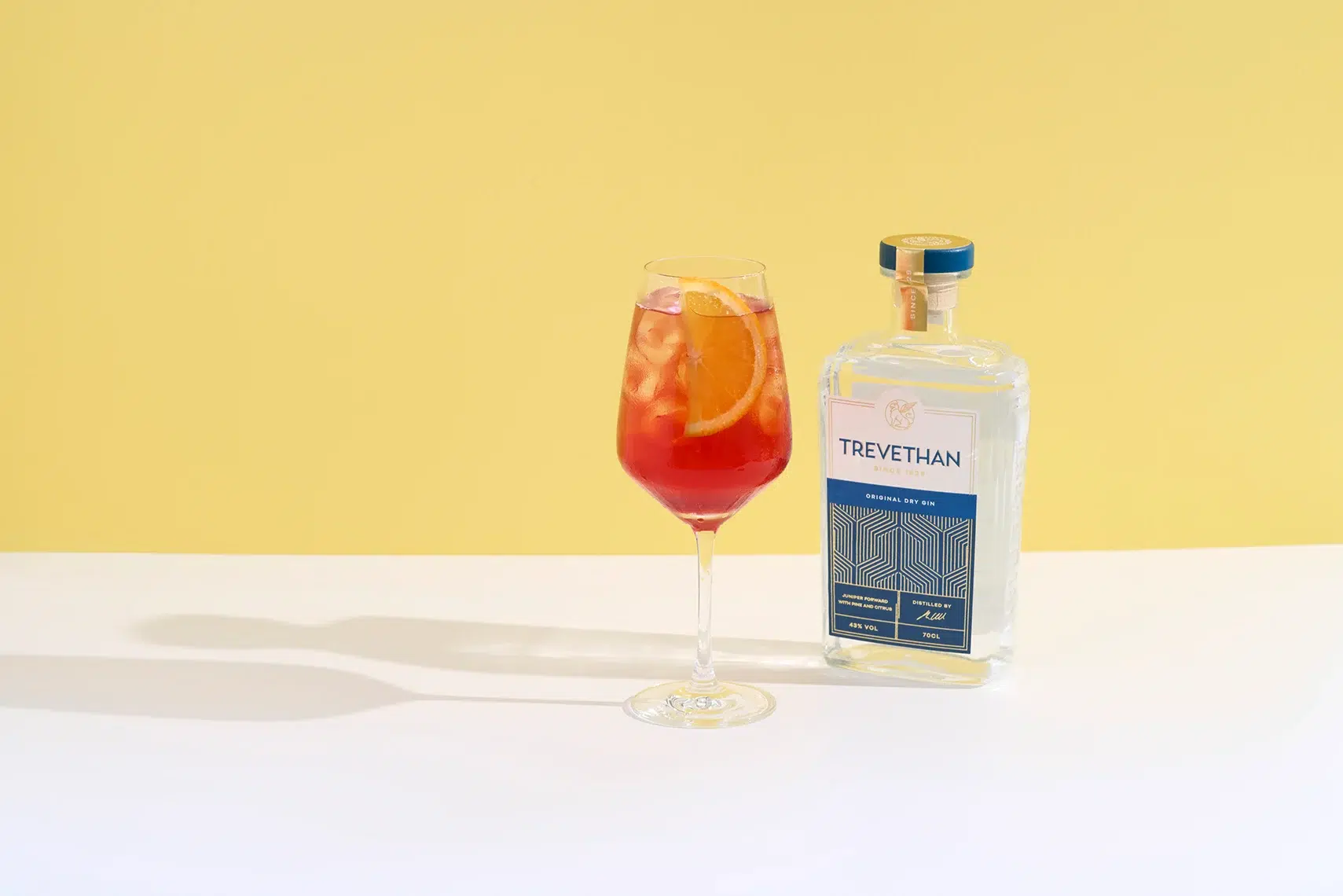
These are not modern interpretations. They are restorations of intent.
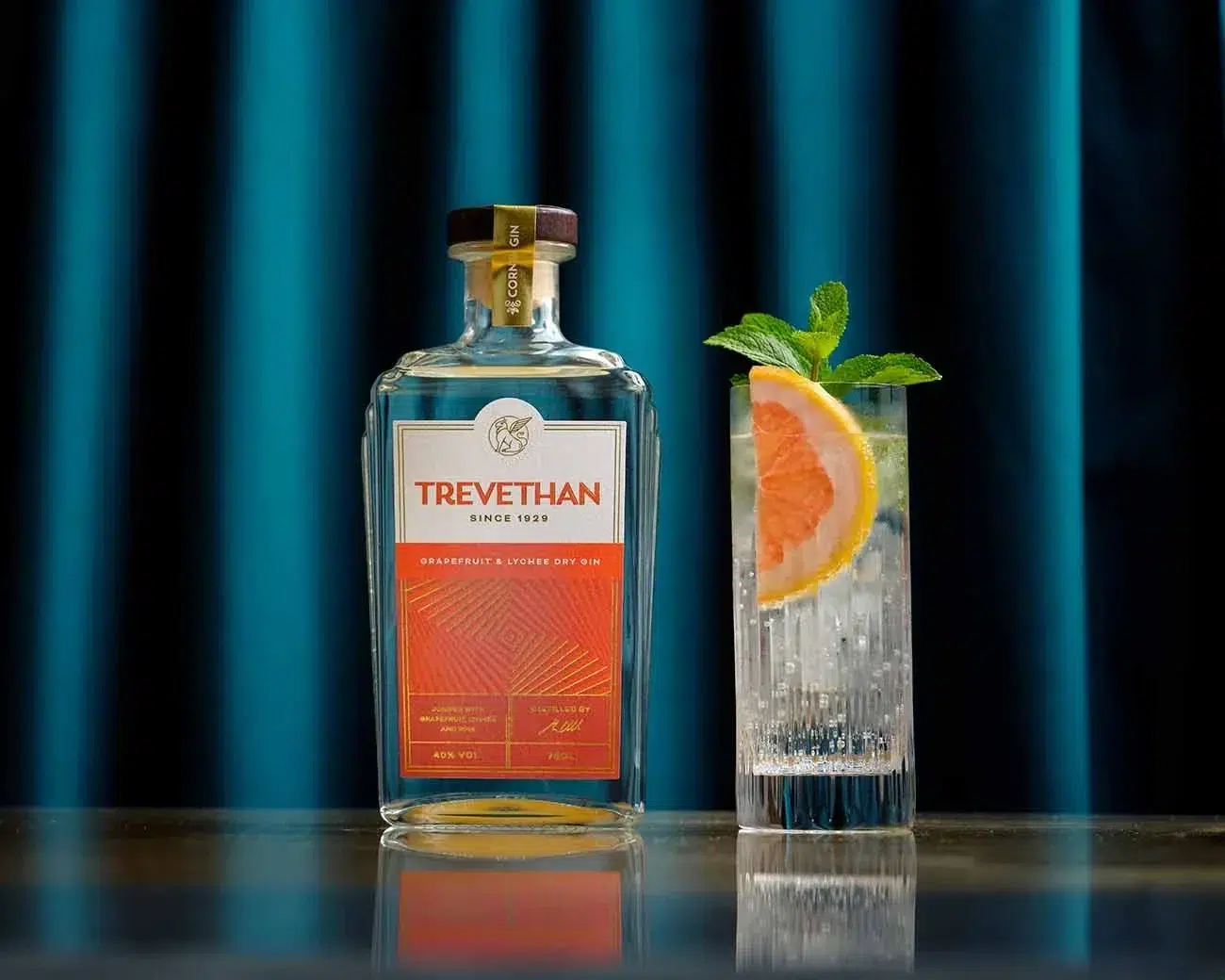
Beyond the Original, Hall has expanded the portfolio with measured restraint, notes of grapefruit and lychee, a honeyed oak expression, yet none stray from the distillery’s central philosophy: to create gins that enhance, rather than obscure, the ritual of the cocktail.
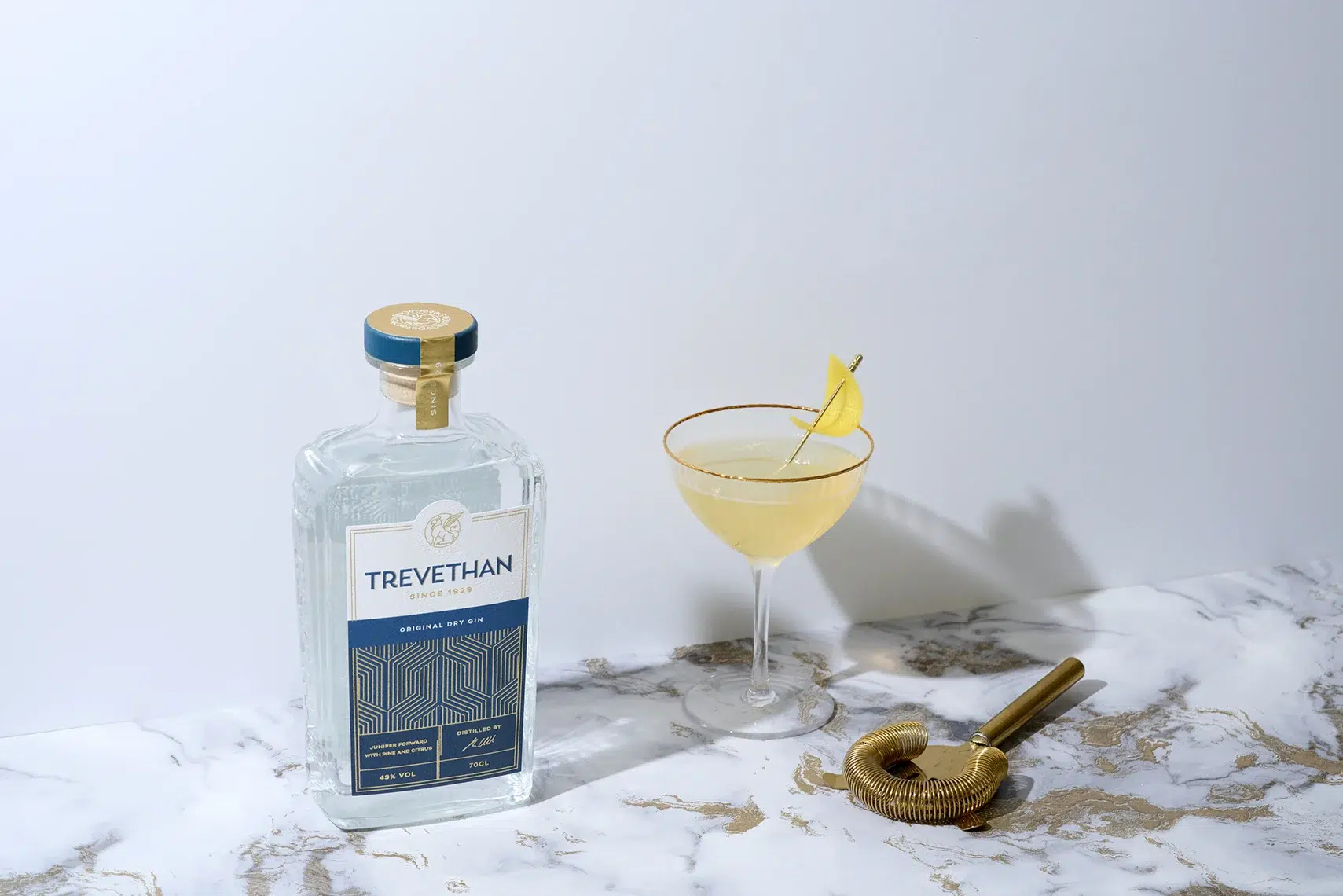
There is a quiet intimacy to the operation as well. One of the stills bears the name Doris, in tribute to Hall’s grandmother, a detail that feels entirely aligned with a house defined by memory and lineage rather than spectacle. And at Ugly Butterfly, chef Adam Handling incorporates the gin into a coastal composition layered with samphire-infused vodka, oyster shell Cocchi Americano, and grapefruit, a study in salinity, brightness, and place.
Trevethan Distillery was founded on a deceptively simple premise: honor the past, then make it better. Few spirits manage to do both without compromise.
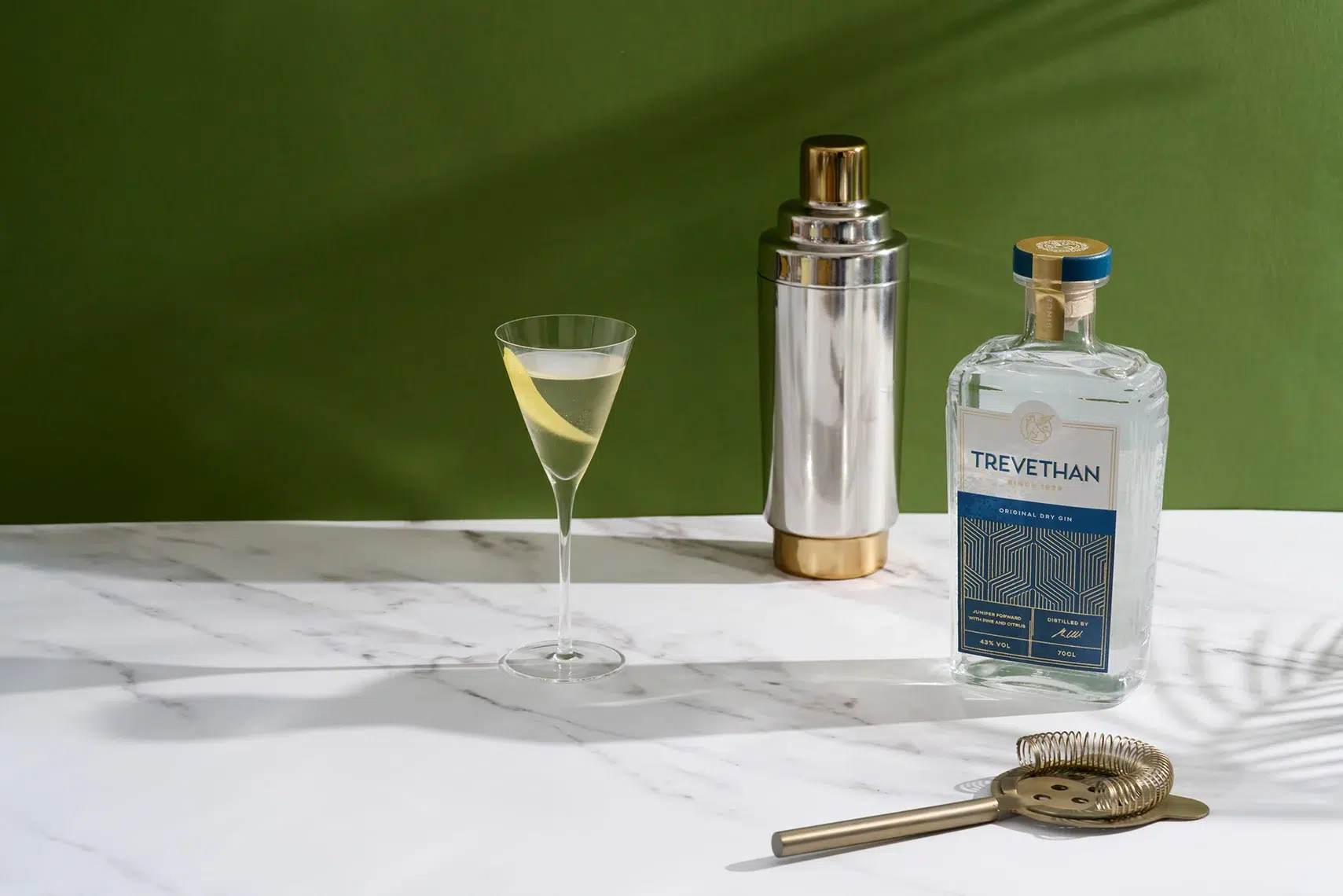
In Trevethan, the achievement lies not in reinvention, but in restraint, in understanding that the golden age of cocktails was never about excess, but about balance, clarity, and control.
And in that sense, the future of gin may not lie ahead at all, but precisely where Trevethan has chosen to return: to a perfectly chilled glass, held steady, where nothing is out of place, and nothing more is required.