Luxury hospitality is entering a more discerning era.
The question is no longer how much a hotel can offer, but how precisely it can define a sense of place, how convincingly it can translate culture, architecture, and atmosphere into something that feels both deeply rooted and entirely new.
Across continents, a quiet recalibration is underway.
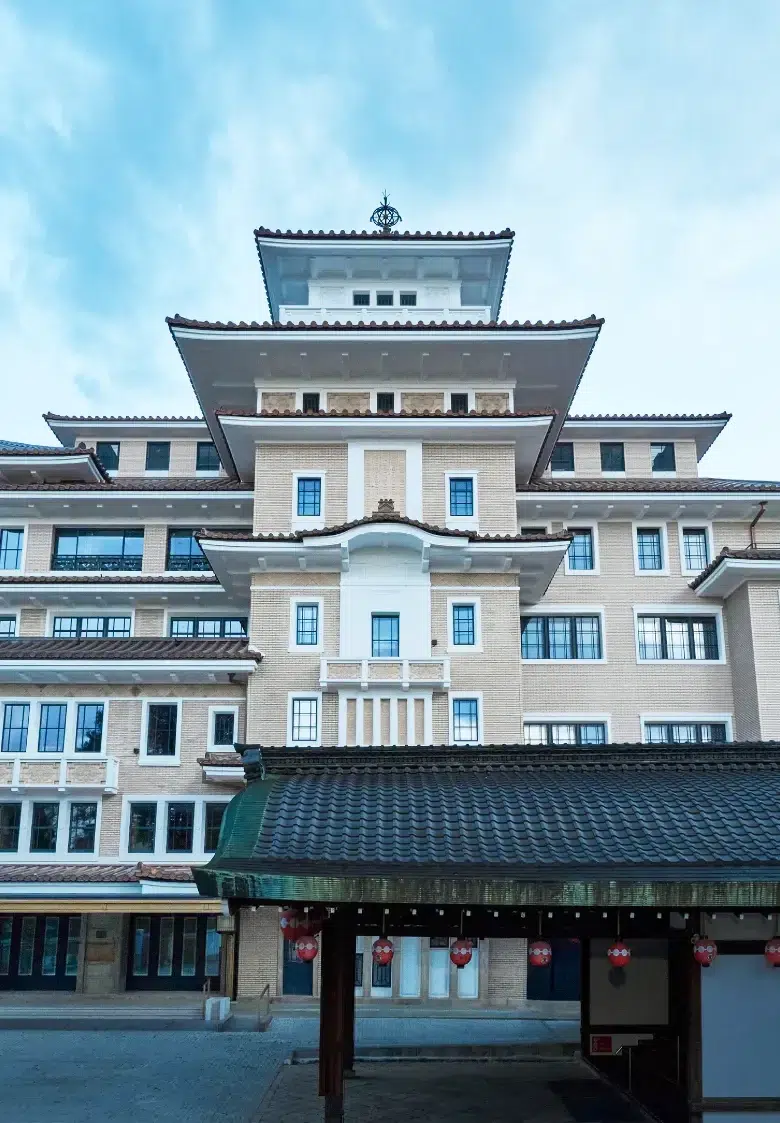
In Japan, that shift is perhaps most eloquently expressed by Imperial Hotel Kyoto, the brand’s first new opening in more than three decades. It builds on a legacy that began with Imperial Hotel Tokyo, once reimagined by Frank Lloyd Wright, yet avoids nostalgia in favor of something more tactile and immediate.
Here, interiors unfold in layers: the soft diffusion of light through washi paper, the quiet sheen of silk-lined walls, the geometry of terracotta reliefs set against hand-painted screens. There is a sense of stillness, not imposed, but inherent, as if the architecture itself understands the value of restraint.
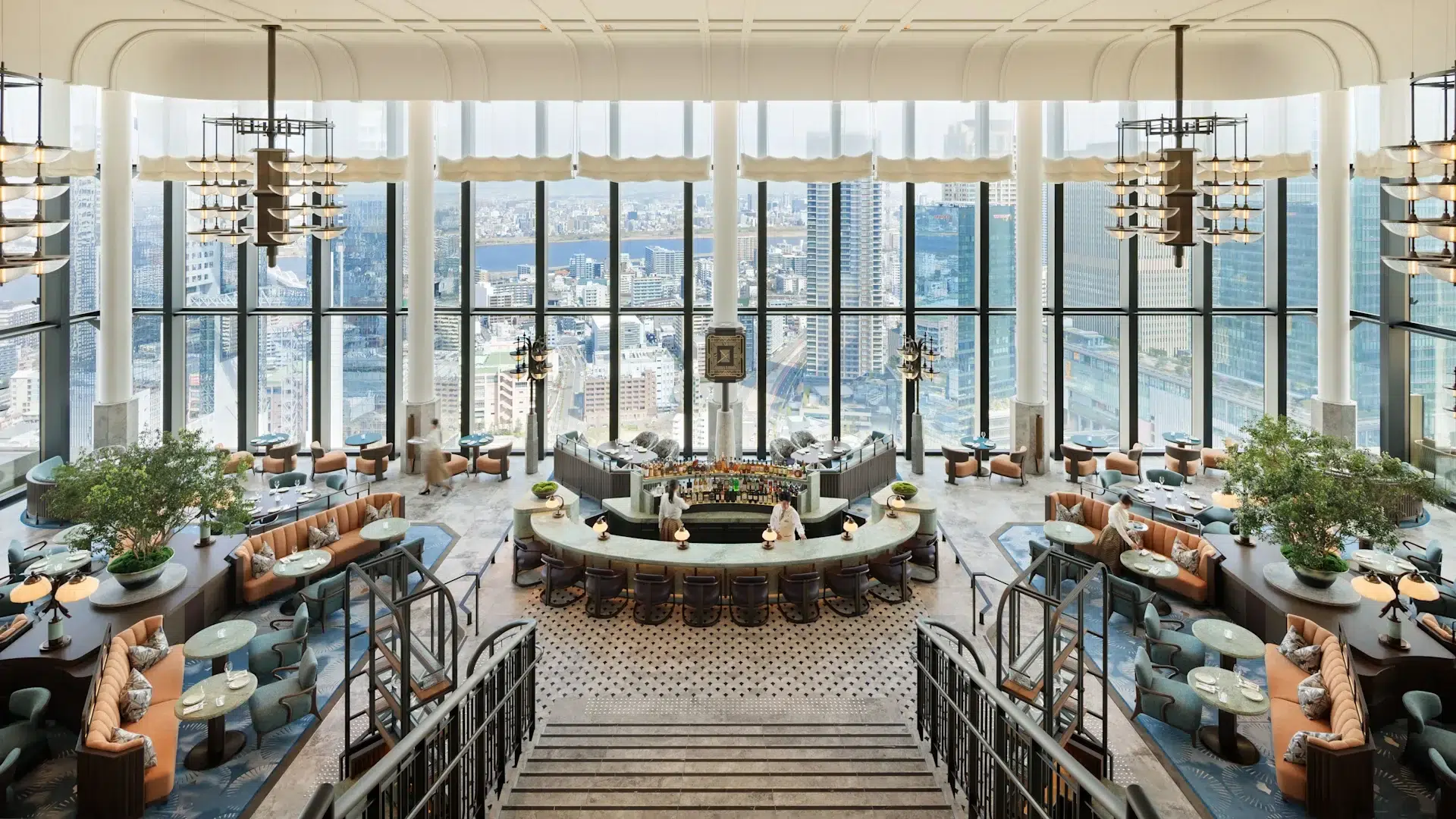
That same precision defines Waldorf Astoria Osaka, where André Fu has created interiors that balance scale with intimacy. The rooms, among the largest in the city, frame Osaka not as spectacle, but as panorama, while the reimagined Peacock Alley lends a familiar rhythm to an otherwise distinctly modern experience.
Beyond Japan, legacy brands are reinterpreting their identities with increasing confidence.
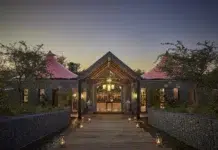
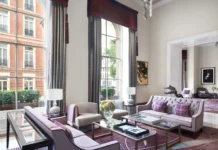
The forthcoming Waldorf Astoria Admiralty Arch transforms one of London’s most symbolic addresses into a study in discretion, its position on The Mall offering proximity without exposure. In Kenya, JW Marriott Mount Kenya Safari Camp redefines the safari through scale and silence, private plunge pools overlooking protected wilderness, where the presence of wildlife feels less curated than coincidental.
In the Mediterranean, design becomes narrative.
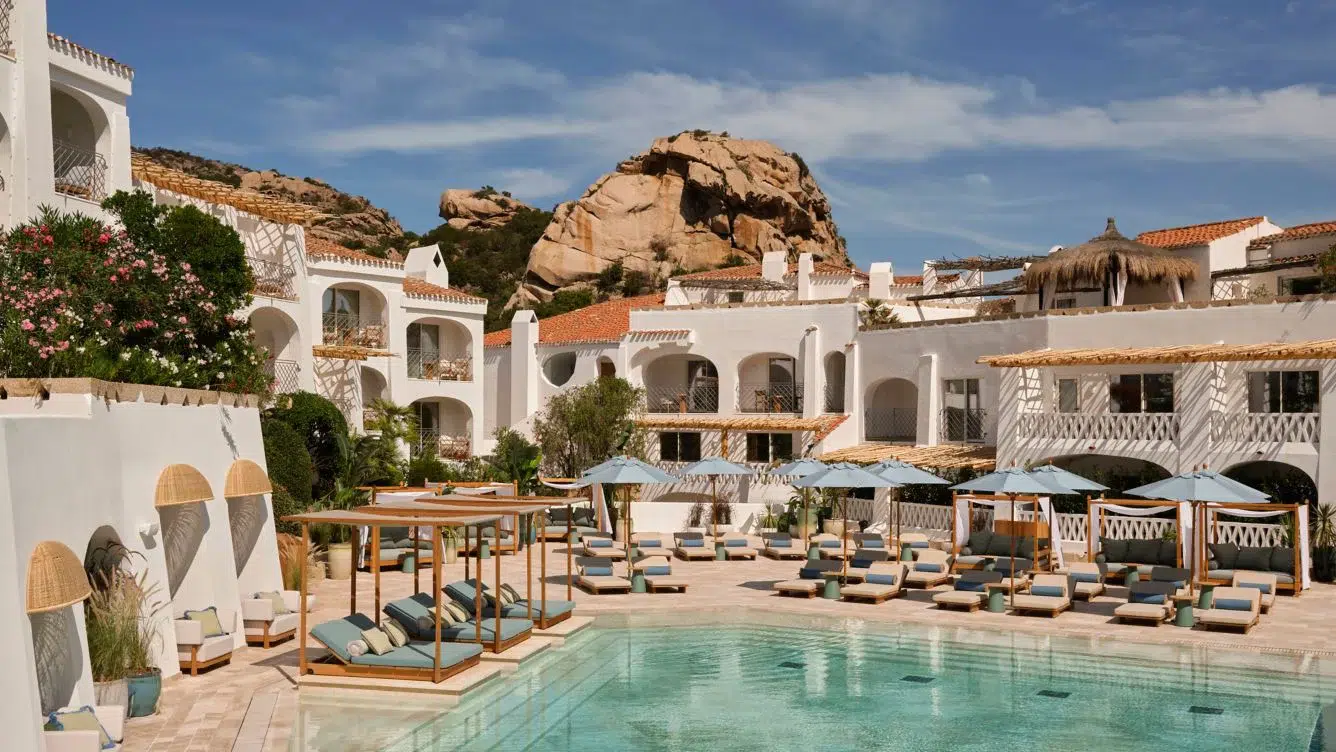
At W Sardinia, Poltu Quatu, materials do the storytelling: cool Orosei marble underfoot, sun-washed timber, mirrored surfaces catching the shifting light of the coastline. The architecture moves between solidity and illusion, grotto-inspired forms, marine motifs, and curated artworks by Giuseppe Cihroni, creating an environment that feels as much experienced as seen.
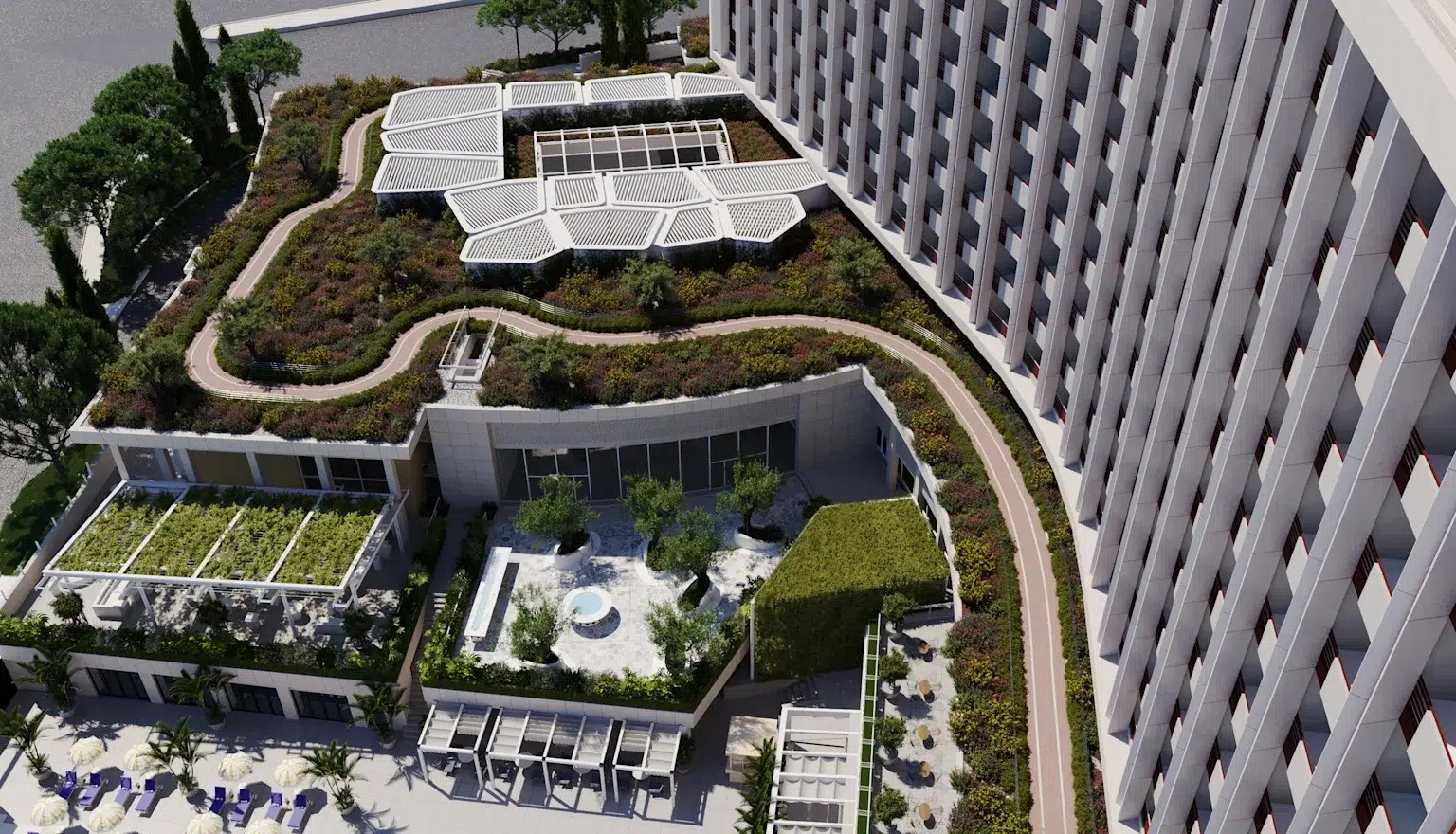
In Athens, Conrad Athens The Ilisian reframes the concept of the city hotel altogether. Its expansive pool terraces, private members’ club, and panoramic suites, culminating in the Omega Penthouse, introduce a scale rarely associated with urban hospitality. Yet it is the dialogue between past and present, sculpted façades, contemporary artworks, and mythological references that give the property its resonance.
Still, some of the most compelling expressions of modern luxury lie far from established centers.
In the Tibetan plateau, Norden Camp offers a form of refinement rooted in simplicity: yak wool bedding, wabi-sabi arrangements of natural materials, and an atmosphere shaped as much by altitude as by design.
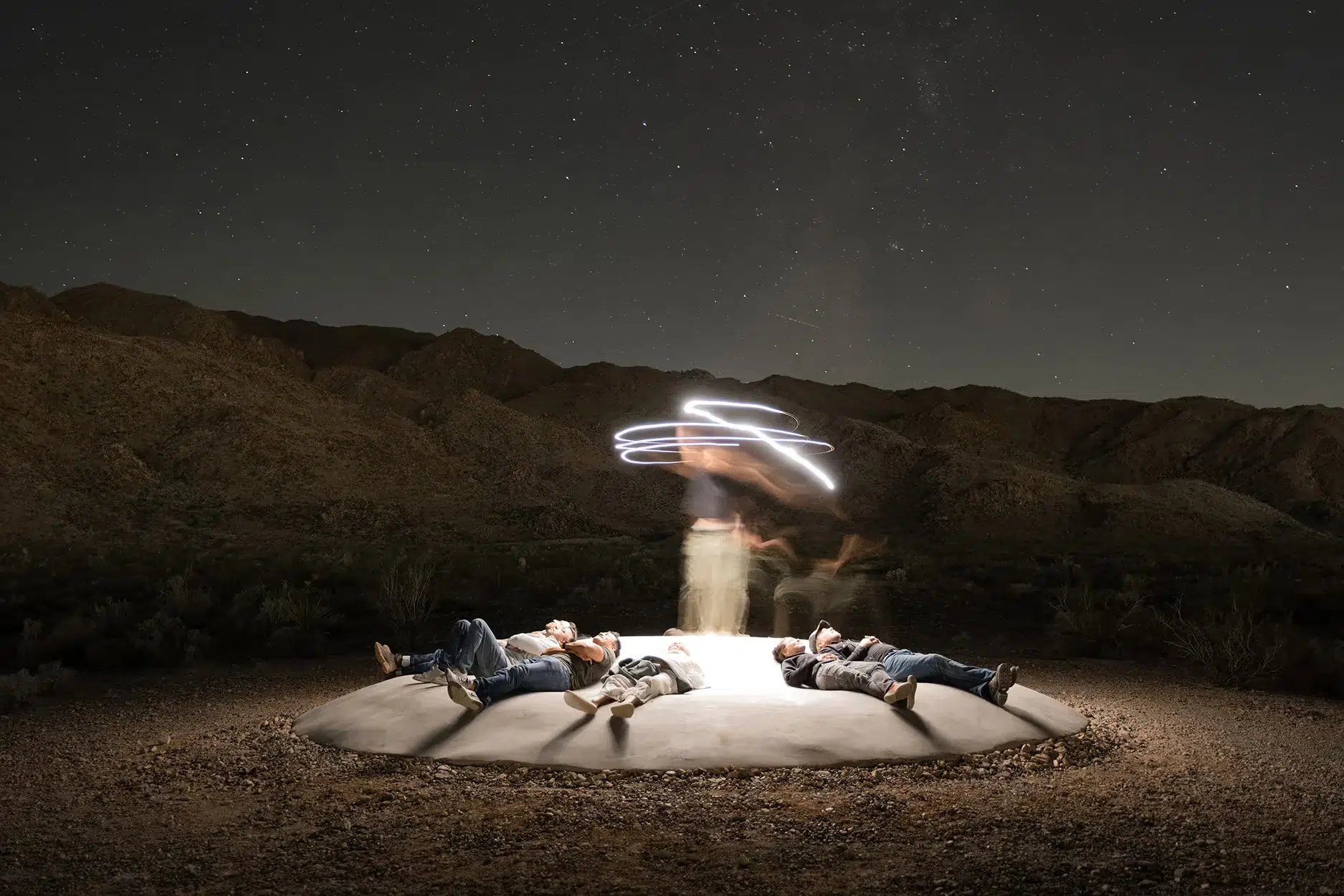
In California’s desert, Reset Hotel Joshua Tree takes a similarly elemental approach. Here, luxury is defined by absence, the vastness of the sky, the quiet of the landscape, and the deliberate act of looking outward rather than inward.
Even the familiar is being reexamined.
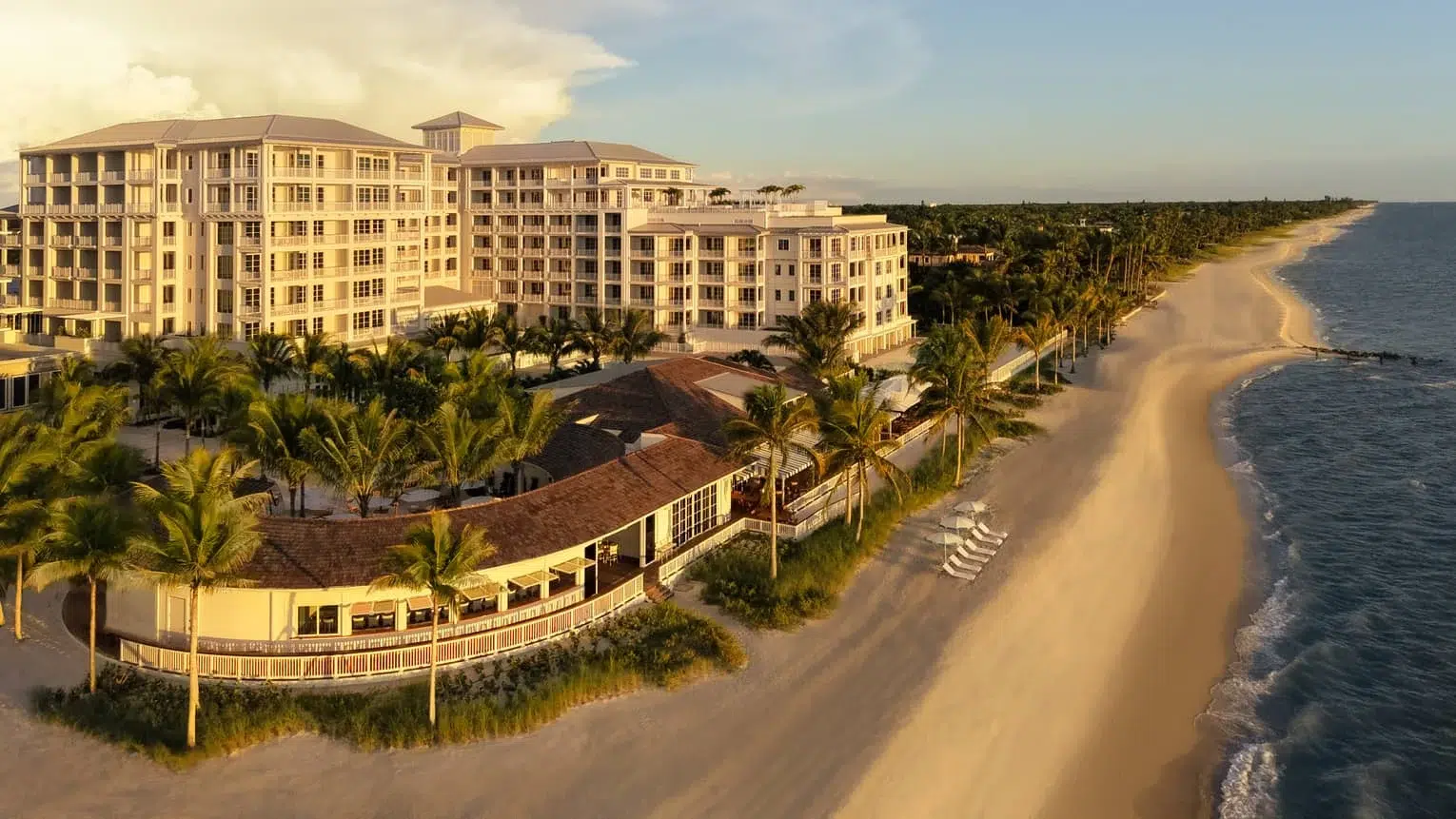
At Four Seasons Naples Beach Club, coastal architecture has been refined into something both nostalgic and precise, with broad porches, shell-finished stucco, cedar textures, each detail calibrated to evoke place without excess.
What emerges from these openings is not a trend, but a correction.
Luxury is no longer defined by accumulation, but by intention, by how carefully a space is considered, how confidently it expresses its identity, and how effortlessly it allows the guest to inhabit it.
The new grand tour is not about seeing more.
It is about experiencing better.