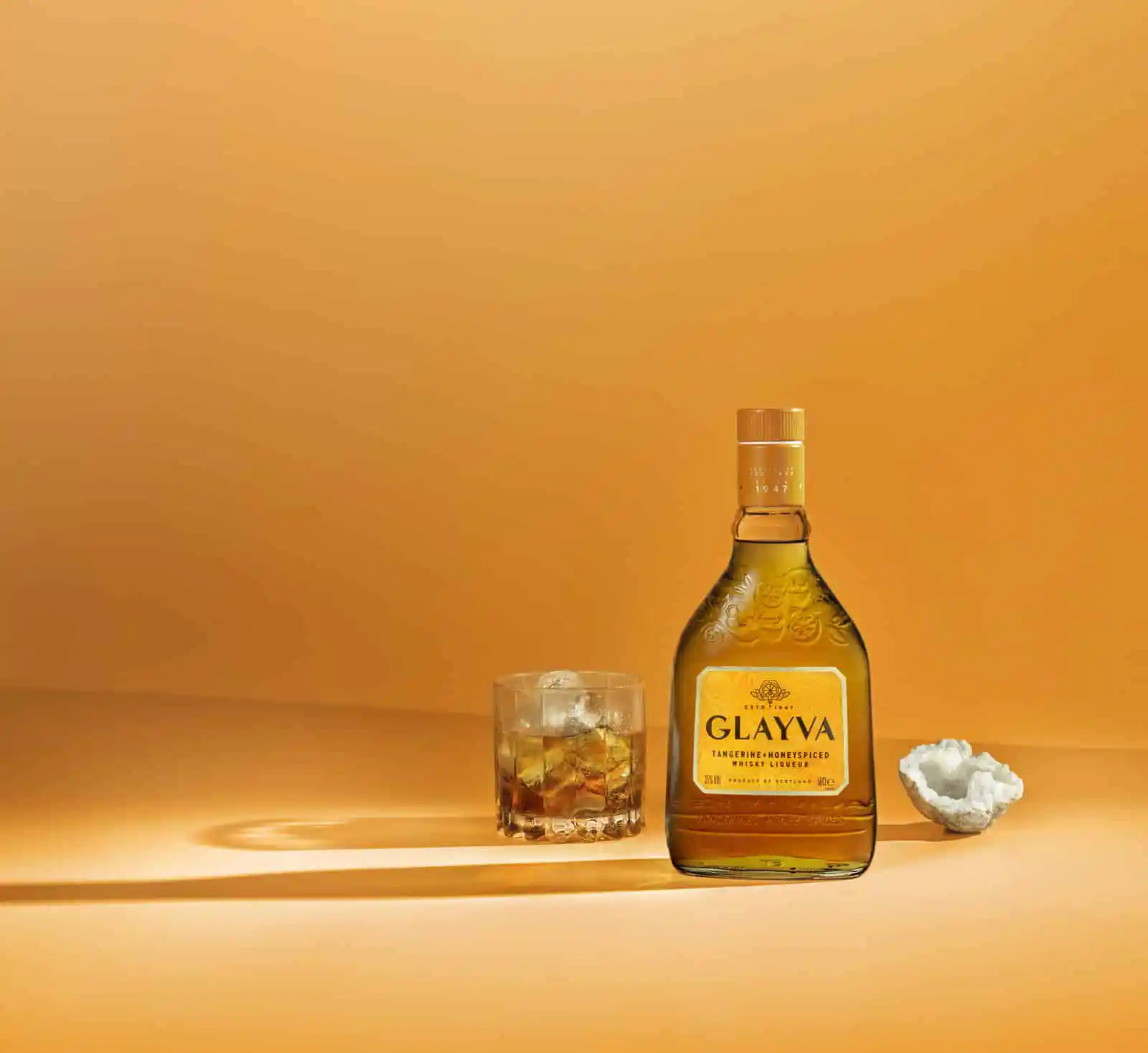
For centuries, the language of liqueur has belonged to continental Europe, shaped by monastic tradition, guarded recipes, and names that carry the quiet weight of history. Bénédictine, Chartreuse, and Grand Marnier have long defined the category, their origins steeped in ritual and refinement.
Yet something altogether more unexpected is unfolding.
Across England, a new generation of liqueur makers is quietly reshaping the narrative, moving away from imitation and toward something distinctly their own. This is not a revival in the traditional sense. It is an evolution. One that draws from heritage, certainly, but is driven by place, personality, and a willingness to experiment.

If Europe’s great liqueurs were born in monasteries, England’s are emerging from orchards, coastal towns, and countryside distilleries, crafted not by monks, but by makers.
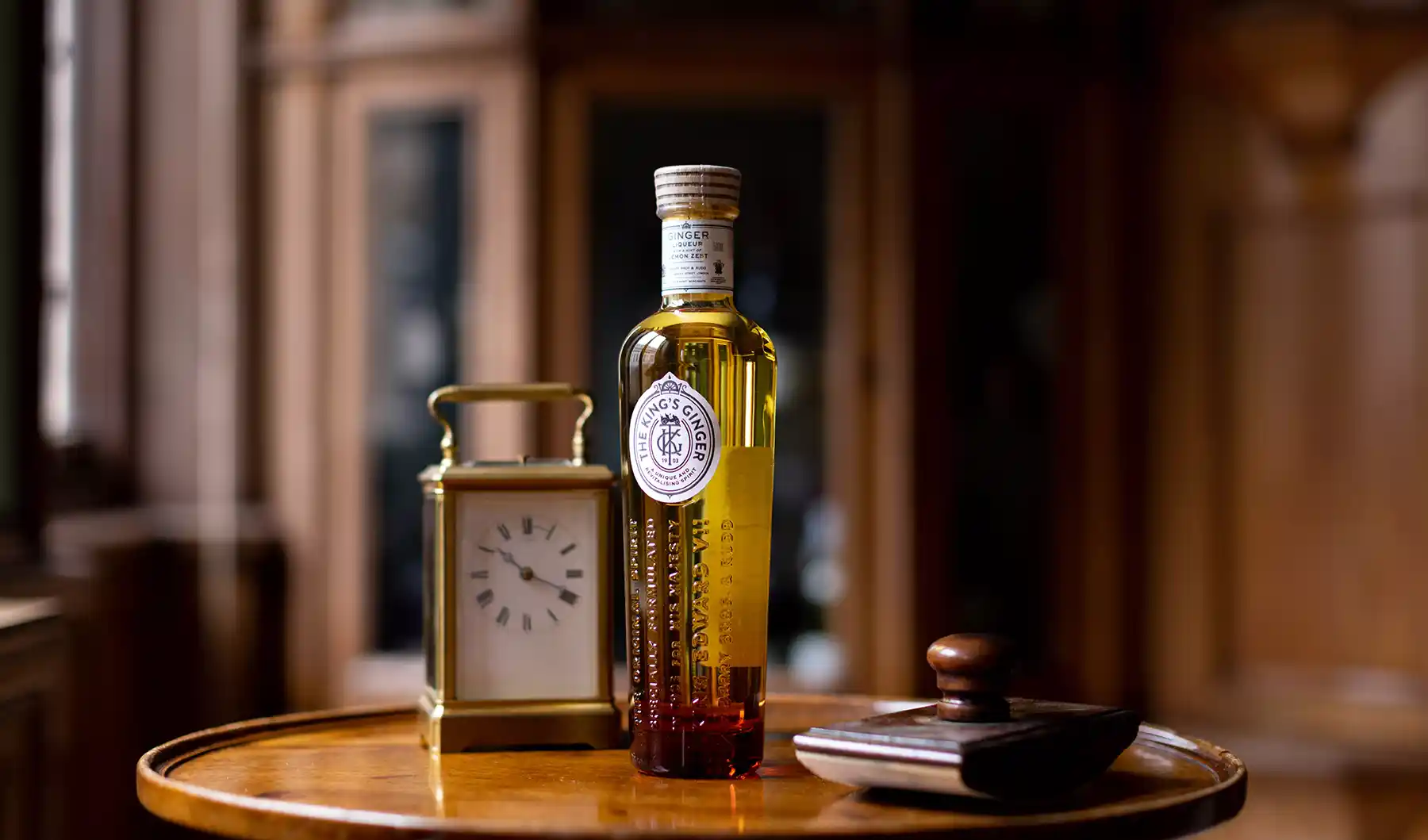
There is, of course, a lineage to acknowledge. Berry Bros. & Rudd, one of Britain’s oldest wine and spirits merchants, created The King’s Ginger in 1903 for King Edward VII, a warming tonic designed to revive the king during brisk early-morning drives. More than a curiosity, it remains a defining expression of English liqueur tradition: purposeful, precise, and enduring.
Today, that spirit of invention has expanded far beyond London’s historic cellars.
In Cambridge, Hedgepig has taken a distinctly modern approach, crafting expressions such as Zesty Elderflower and Bullace & Quince. The latter, made from a wild English plum, delivers a tart, quietly nostalgic character that feels rooted in the hedgerows themselves. That a portion of the proceeds supports the British Hedgehog Preservation Society only reinforces its connection to the landscape.
Elsewhere, tradition takes on a different form. Tiptree, long celebrated for its jams, has translated its expertise into a strawberry liqueur that feels both familiar and unexpectedly refined. It is a natural progression, one that underscores how closely flavor and craft intersect.
In the Cotswolds, British Honey Company explores a more indulgent register with its Keeper range, mint, chocolate, and English vodka combined in a manner that is unapologetically after-dinner, yet balanced with restraint.
London, too, continues to assert itself. Sacred Spirits produces a whisky liqueur that reflects the capital’s broader distilling renaissance, measured, contemporary, and quietly assured.
Yet perhaps the most compelling expressions are those that remain closest to the land.
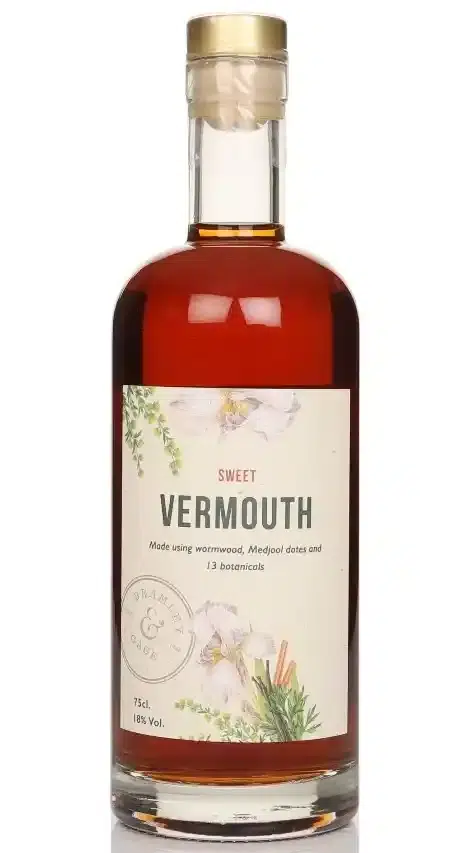
At Bramley & Gage, orchard fruits such as quince and greengage are transformed into liqueurs of remarkable depth. Each batch, requiring substantial quantities of fruit, is a reminder that true craftsmanship is often defined by patience rather than scale.
At Foxdenton Estate, history feels more personal. Founded in 1935 by Major Charles Radclyffe, soldier, adventurer, and survivor of both shipwreck and war, the estate continues to produce fruit liqueurs rooted in a distinctly English tradition of hunts and shoots. Their apricot brandy carries not just flavor, but narrative.
That interplay between provenance and imagination finds a particularly poetic expression at Shakespeare Distillery. Working in partnership with the Shakespeare Birthplace Trust, the distillery produces a mulberry gin liqueur using fruit connected to the legacy of William Shakespeare himself. It is a liqueur that speaks as much to heritage as it does to craft.
In Edinburgh, Holyrood Distillery, the city’s first single malt producer in nearly a century, has embraced a similarly forward-thinking approach. Alongside its whisky, it produces liqueurs such as Apricot & Ginger, fresh and vibrant, while its bespoke cask program signals a growing desire for personalization in luxury spirits.
Smaller producers, too, are shaping the movement. Riverside Spirits creates shimmering liqueurs in flavors ranging from apple blossom to passion fruit, while in Cornwall, the Thompson brothers of Searoom Gastro Bar craft citrus liqueurs, Arancello, Limoncello, and Limecello that rival their Mediterranean counterparts. Their Rosa Pompello, a pink grapefruit expression, is particularly striking: bright, precise, and unmistakably modern.
Even nostalgia finds its place. Pennington’s Spirits reimagines British classics such as Kendal Mint Cake and gingerbread, while a cherry and almond liqueur pays homage to the Bakewell tart, proof that heritage can be both playful and refined.
What unites these producers is not a singular style, but a shared philosophy. A liqueur derived from the Latin liquefacere, “to dissolve,” has traditionally been defined by the infusion of flavor into spirit. Today, that definition feels broader. It encompasses landscape, history, and identity.
And that is where England’s contribution becomes most compelling.
This is not a country attempting to rival Europe’s monastic traditions. It is one redefining the category on its own terms, less bound by history, more guided by imagination. The result is a collection of liqueurs that feel contemporary without losing their sense of place.
Quietly, confidently, the narrative has shifted.
What was once the domain of abbeys and ancient recipes is now being rewritten across orchards, coastlines, and countryside distilleries, not as imitation, but as evolution.
And in that evolution, English liqueurs have found something far more valuable than comparison.
They have found their own voice.