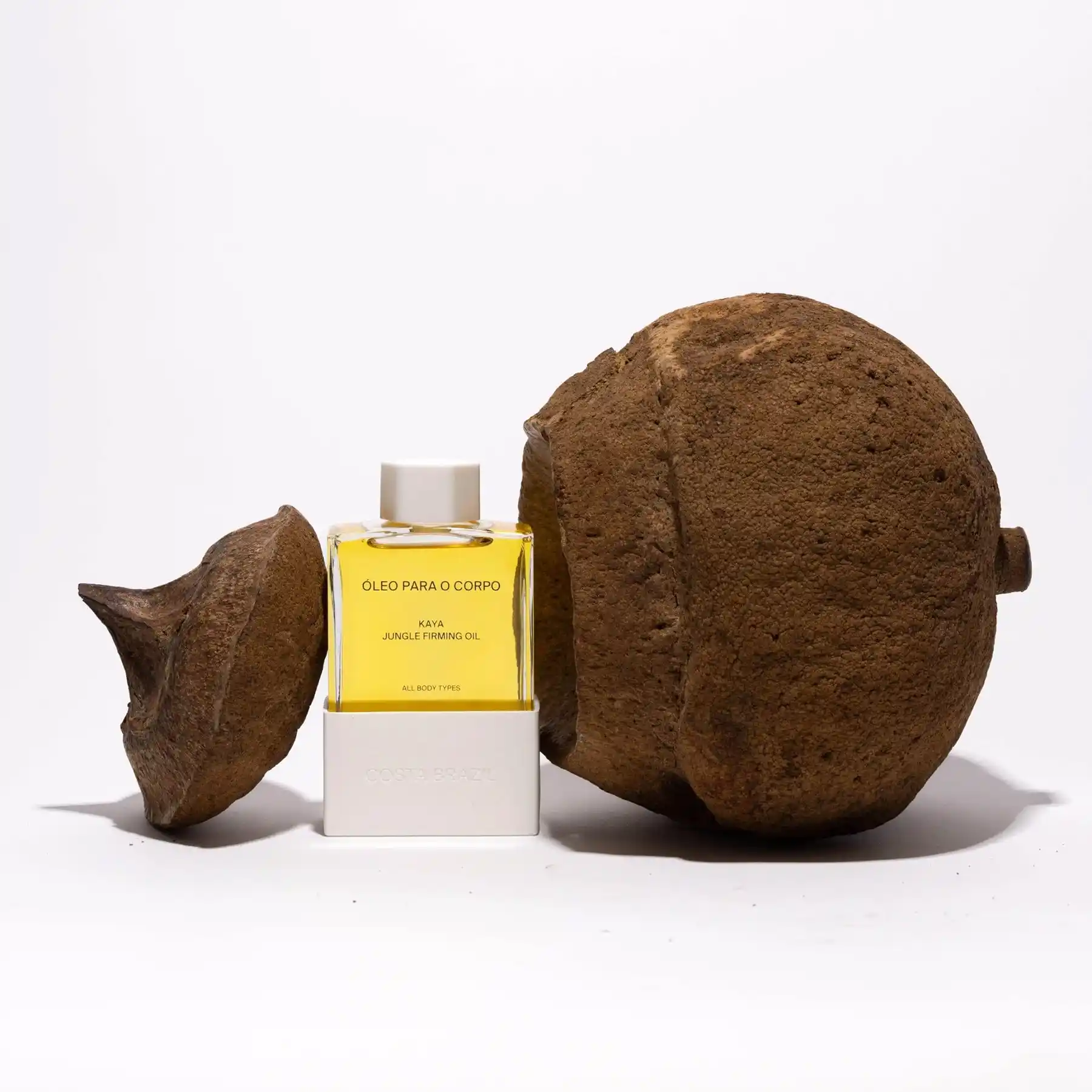
“In Brazil, the indigenous people use breu to seal their canoes so water doesn’t get in,” says Francisco Costa. “It petrifies. It becomes like cement. But it’s also antimicrobial, antibacterial, and a mosquito repellent.”
In an industry that rarely pauses for breath, Costa Brazil moves with deliberate calm.
The modern beauty landscape accelerates relentlessly. Another retinol breakthrough. Another eco-serum. Another plant extract is positioned as a miracle cure for tired skin and restless minds. As a result, claims multiply, trends cycle, and innovation never sleeps. Yet amid PEG-free promises, blue-light defenses, and ethical sourcing pledges, a quieter question emerges: where does meaning begin?
Instead of offering another cosmetic solution, Costa Brazil answers with ritual.
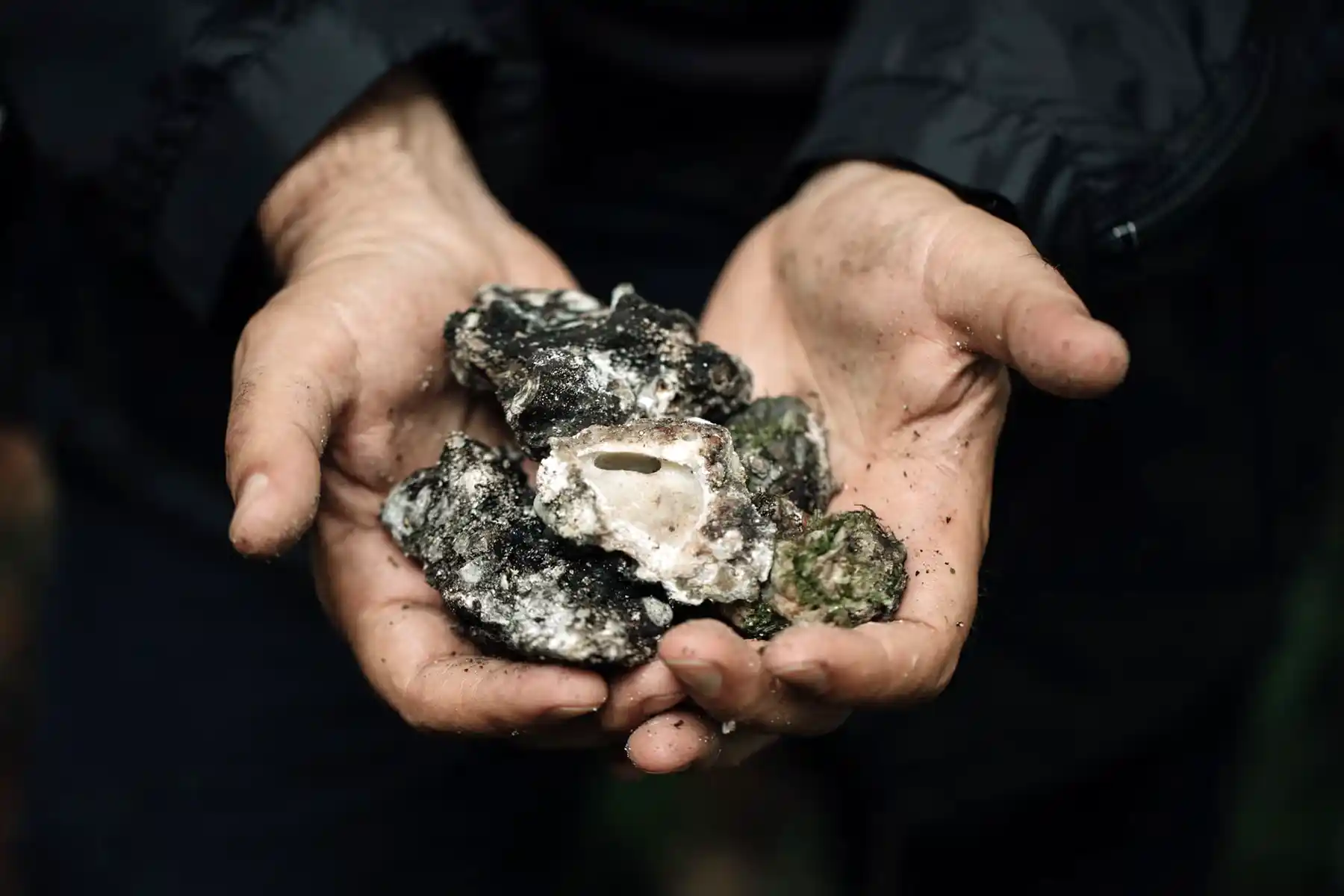
At the center of the brand sits breu, an aromatic resin harvested from the almacega tree in Brazil’s Amazon rainforest. For centuries, indigenous communities have used it to waterproof canoes and cleanse ceremonial spaces. They revere it for its grounding and purifying qualities. Today, Costa Brazil carries that legacy forward, translating ancestral knowledge into modern luxury.
If travelers cannot reach the Acre region or meet the Yaminá tribe, Costa Brazil brings that heritage to them. In doing so, the brand channels the healing rituals of the Gregório River into fragrance, skincare, and daily ceremony.
 |
 |
Francisco Costa founded the brand after stepping away from fashion. During a sabbatical, he returned to Brazil and transported his first shipment of breu branco to New York by canoe. That moment shaped the brand’s origin story. From there, Costa focused on refinement rather than reinvention.
In Brooklyn, he worked with perfumer David Moltz of D.S. & Durga. Together, they explored thirty-five breu variations. After careful selection, Costa chose the most resonant version. He then brought it to master perfumer Frank Voelkl, who refined the final fragrance. Meanwhile, the bottle took shape under the influence of abstract artist Piero Manzoni. Its sculptural minimalism mirrors the brand’s restrained philosophy.
The result is Costa Brazil Aroma, a $198 parfum that evokes the forest floor after rain. The scent feels mellow yet spicy, woodsy yet luminous. Moreover, it contains phytoncides, aromatic compounds long associated with forest-bathing traditions. These compounds aim to calm the nervous system, sharpen focus, and restore balance. “The fragrance smells slightly different on everyone,” Costa says. “That’s what I love about it.”
Beyond fragrance, Costa Brazil extends into skincare and body care. The collection centers on the brand’s Jungle Complex, a high-potency blend developed with scientists and local agriculturists. Rather than relying solely on trend-driven formulas, the brand unites biotechnology with botanicals sourced from the Amazon basin.
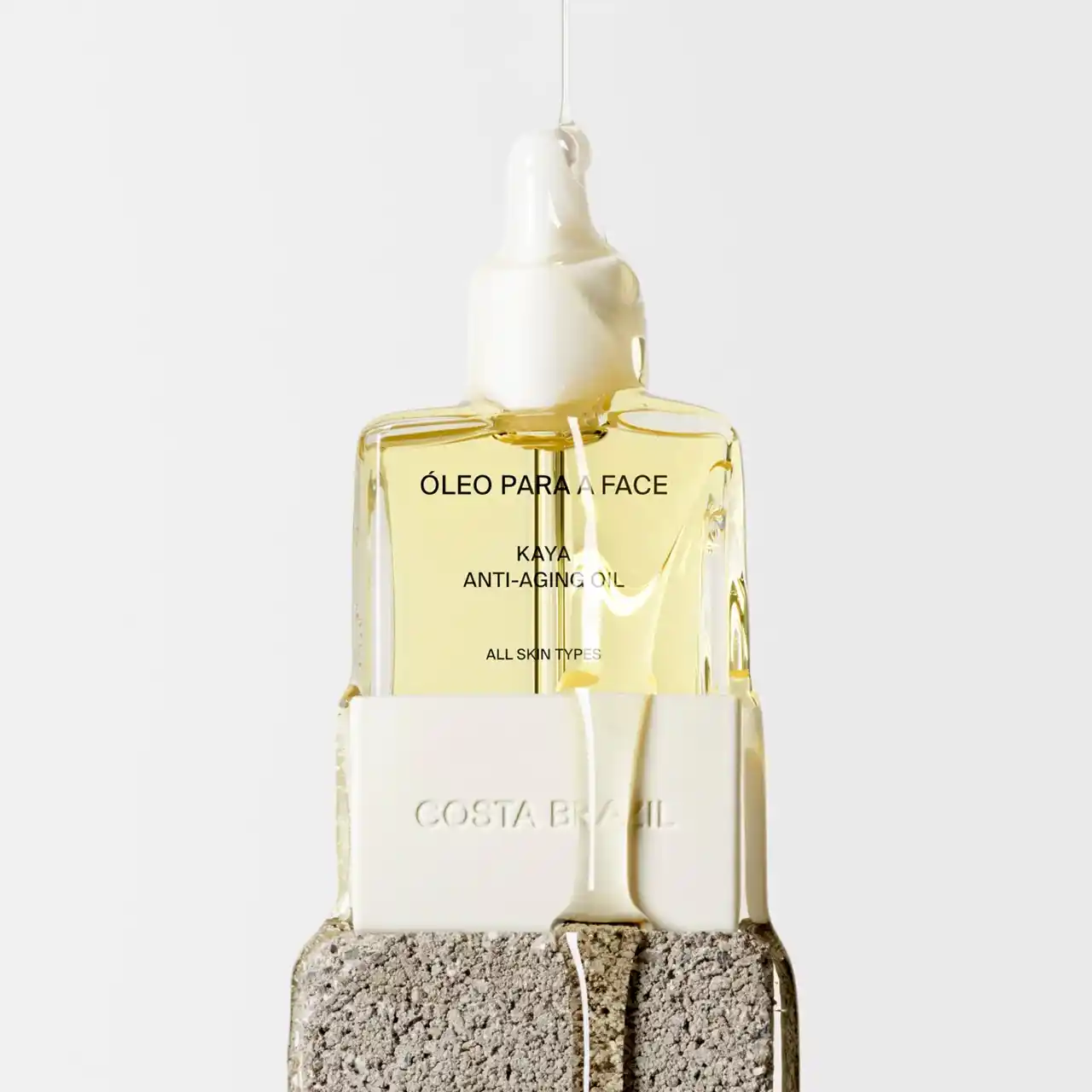
Kaya, derived from the sapicia tree, supports skin texture and luminosity. Meanwhile, cacay contains more vitamin E than argan oil and serves as a natural retinol source. Tucuma butter, guaraná, copaiba, camu camu, babassu, Brazil nut, pataiá, and pequi seed oil complete the ingredient profile. Together, they deliver omega-6 and 9 fatty acids, vitamin B complexes, and nourishing lipids.
To ensure responsible sourcing, Costa Brazil works with the support of Conservation International. The organization collaborates with comunidades ribeirinhas, remote river communities that depend on sustainable harvesting. As a result, fair trade principles guide each step. Biodiversity protection and economic dignity move forward together.
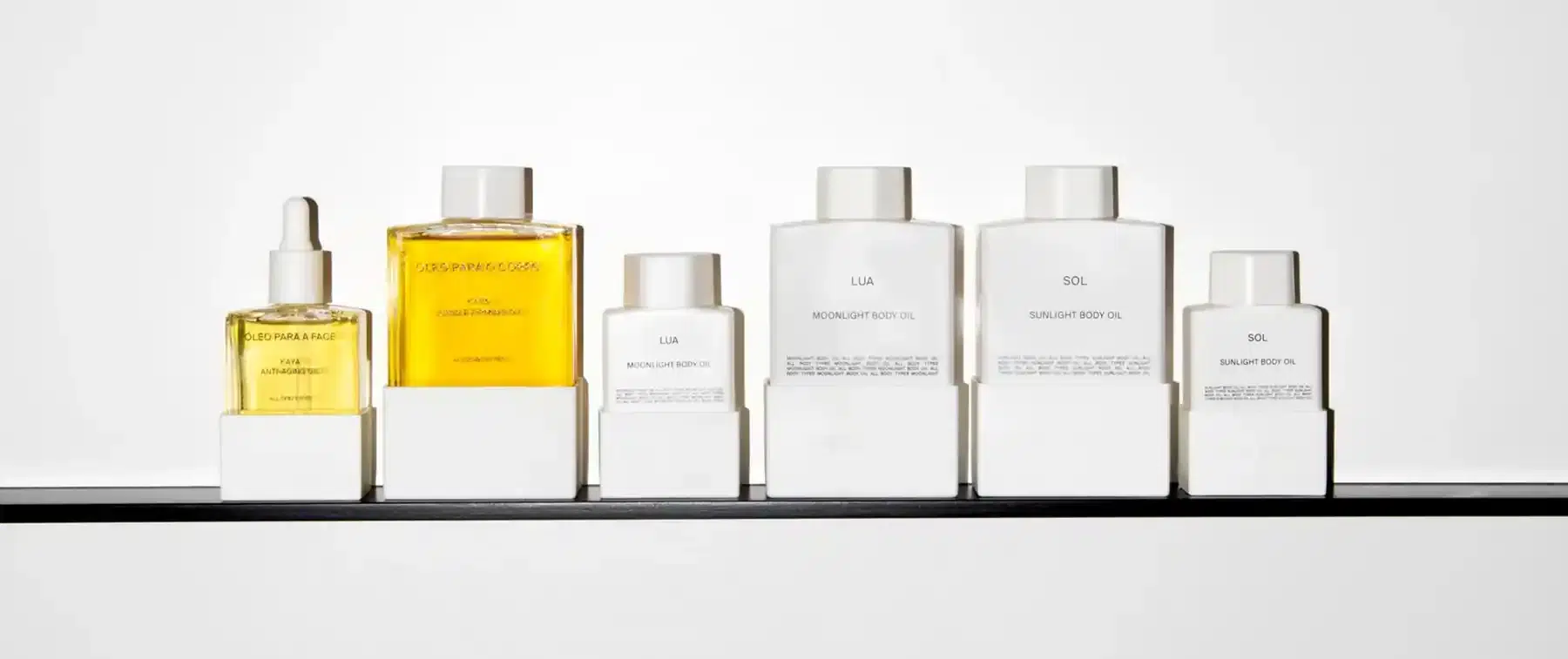
The product line includes Lus Moonlight Body Oil, Sol Sunlight Body Oil, Jungle Firming Body Oil, a hydrating facial cleanser, a body exfoliant, and a richly scented jungle candle with a 60-hour burn time. Each product invites slow use. Instead of promising instant transformation, the brand favors intention over urgency.
“Paying attention to your skin creates a ritual that forces you to slow down,” Costa says. “The fragrance was the first thing I created. It’s mellow, spicy, and woodsy at the same time. In turn, the firming oil leaves skin looking springy and plumped.”
Born in Minas Gerais, Costa moved to New York to study English at Hunter College by day and fashion design at the Fashion Institute of Technology by night. Eventually, his career culminated in a defining tenure at Calvin Klein, where he shaped modern minimalist luxury. He launched Costa Brazil in 2019. Ultimately, the brand marked both a return and a recalibration.
“Clean for us means melding science with nature,” Costa says. “Our products grew from visits to Mercado Ver-o-Peso in Belém do Pará, from the river people, and from the herbalists of Natal. As such, the Amazon lives at the heart of the brand.”
Costa Brazil does not promise miracles. It does not market fear. Instead, it offers a quieter proposition: beauty as a daily ceremony.
In Costa’s words, it remains “a brand built on the simple belief that the spirit of beauty is inseparable from the health of the earth.”