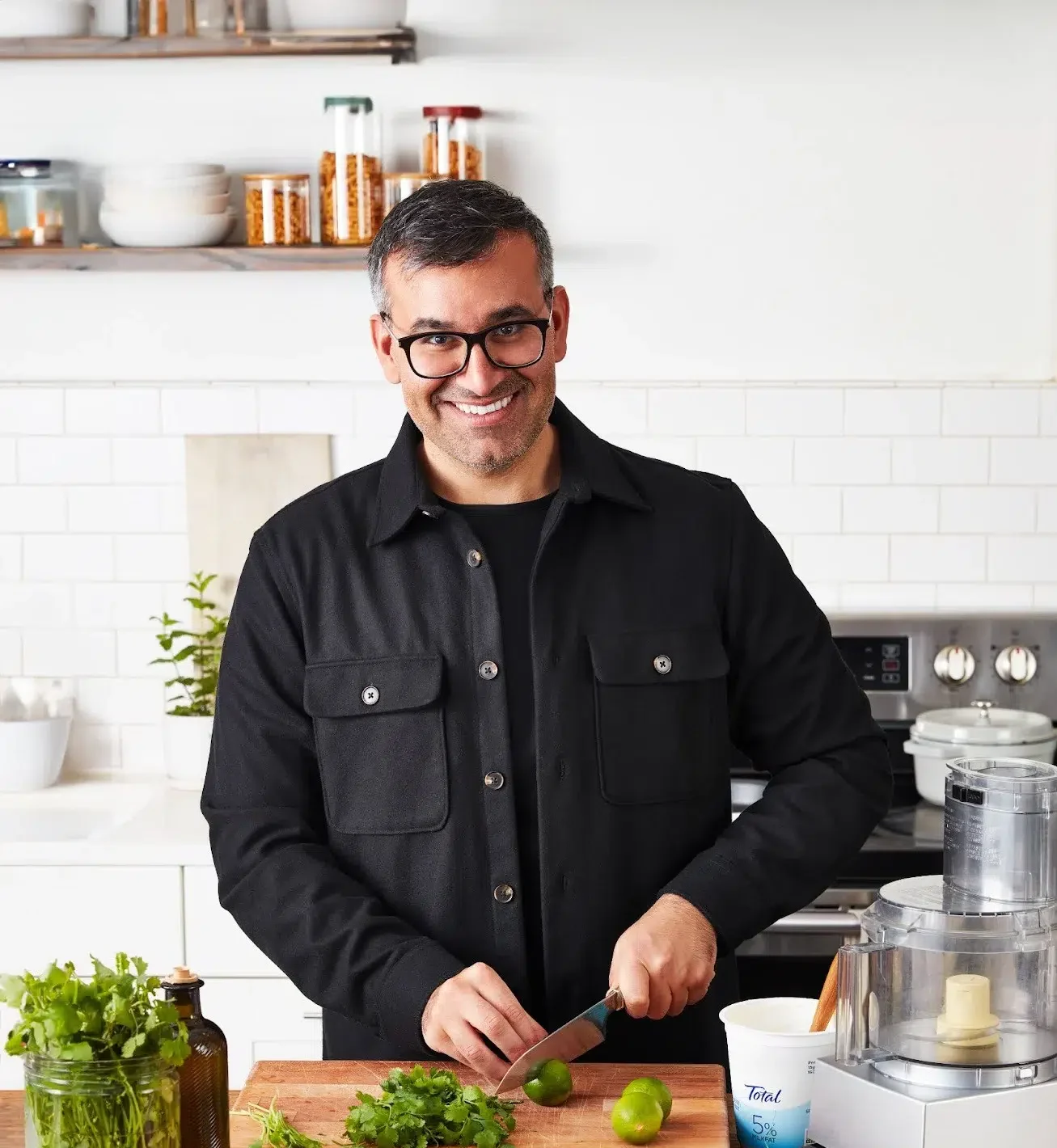
For Arash Hashemi, the journey toward wellness did not begin with a philosophy; it began with confrontation.
At nearly 350 pounds, he found himself caught in a cycle that felt both physical and psychological. “Food controlled me,” he says candidly. “I was constantly negotiating with myself, just a bite, just this weekend, and it never stopped.”
The struggle extended far beyond weight. It shaped how he moved through the world, how he showed up in his relationships, and how he viewed himself. Despite professional success, there was a growing disconnect between the life he was leading and the one he wanted to inhabit.
What ultimately shifted his trajectory was not a single breakthrough moment, but a quieter realization, one rooted in awareness rather than urgency. His health markers were deteriorating, and more importantly, so was his sense of control.
The turning point came when he reframed the question entirely.
Instead of focusing on how little he could eat, he began focusing on what he was eating. “When I started prioritizing protein and whole ingredients,” he explains, “the constant hunger, the noise, began to quiet down. For the first time, I felt full, not just physically, but mentally.”
That shift would eventually evolve into Shred Happens, a platform that began almost unintentionally. What started as a personal accountability tool, sharing meals and documenting progress, quickly resonated with a wider audience. Millions found themselves reflected in his experience, as previously noted in GQ, drawn not just to the recipes but to the honesty behind them.
Today, his perspective on wellness feels particularly aligned with the evolving definition of modern luxury.
“Real luxury is freedom,” he says. “Freedom from constantly thinking about food. Freedom from guilt. Freedom from that cycle of restriction.”
It’s a notion that reframes health not as discipline alone, but as something far more sustainable, something that integrates seamlessly into daily life rather than competing with it.
His approach to cooking reflects this philosophy. Rooted in Mediterranean and Middle Eastern traditions, his recipes draw from a sensory memory shaped in childhood, garlic, herbs, citrus, saffron, flavors that feel vibrant, layered, and inherently satisfying. “That’s how I grew up eating,” he recalls. “It was always full of life.”
Ironically, it was not these foods that led to imbalance, but the gradual shift toward ultra-processed alternatives and convenience-driven habits. Returning to those foundational flavors became, in his words, a “cheat code,” a way to create meals that were both nourishing and deeply enjoyable.
This balance between indulgence and structure is central to his philosophy. “If food feels like punishment, it’s not going to last,” he says. “Satisfaction is what makes discipline possible.”
It is a principle that extends beyond content into innovation. Through Kaizen, the company he co-founded with his wife, Madalina, Hashemi has translated his personal insights into tangible products, reimagining everyday staples like pasta and rice to be both high in protein and lower in carbohydrates.
“I didn’t want to give up the foods I loved,” he explains. “I wanted them to work better for me.”
What began with experimentation in a home kitchen has since expanded into a growing retail presence, reflecting a broader shift in how consumers approach nutrition, not through elimination, but through refinement.
Yet perhaps the most compelling aspect of Hashemi’s work lies not in the food itself, but in the connection it fosters.
“People want to feel understood,” he says. “They want to know someone else has felt what they’re feeling.”
It is this emotional resonance, this willingness to speak openly about struggle, that has transformed his platform into something more than a collection of recipes. It has become a community, one grounded in realism rather than perfection.
Looking ahead, he sees the wellness landscape continuing to move in that direction. “For a long time, it was about aesthetics,” he reflects. “Now it’s becoming more honest about what people are actually dealing with.”
And in that honesty lies a more enduring vision of health, one that embraces complexity, prioritizes sustainability, and ultimately allows for something often overlooked in the pursuit of wellness:
A sense of ease.
A Recipe That Reflects the Philosophy
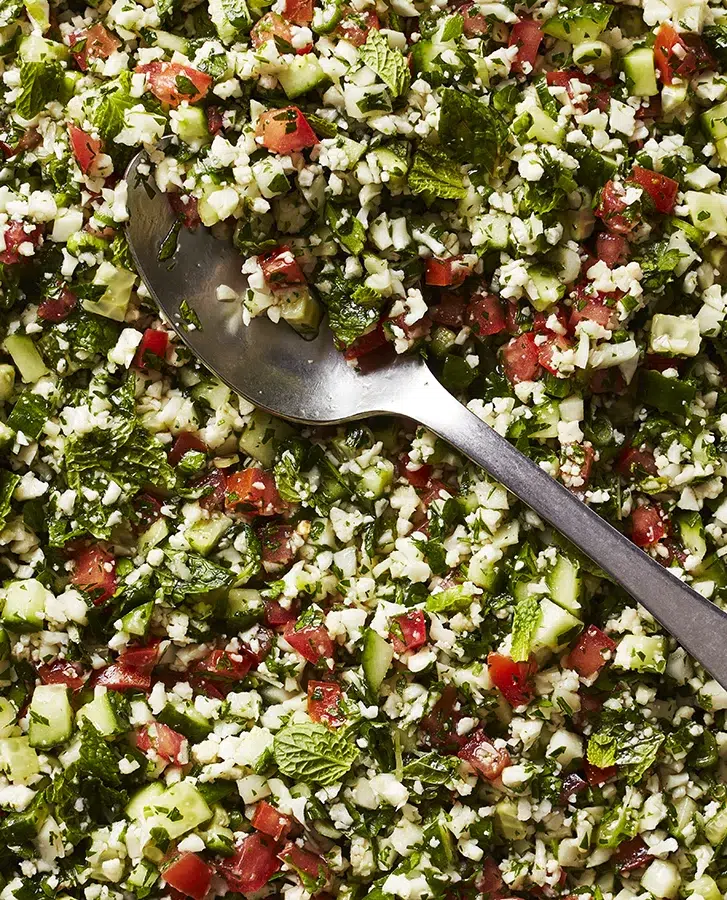
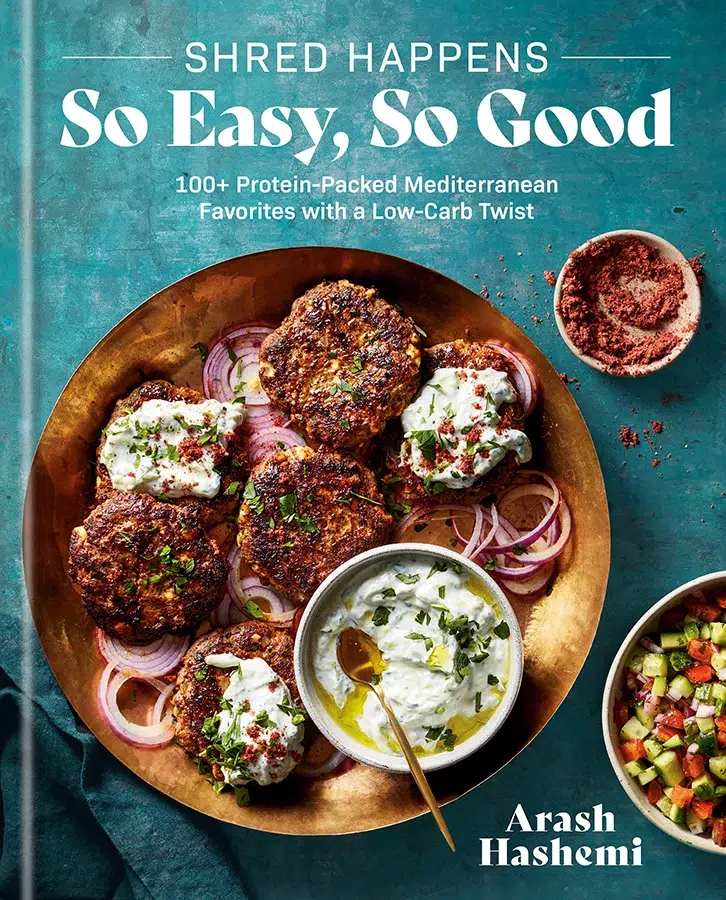
One dish that captures Hashemi’s approach, vibrant, satisfying, and rooted in tradition, is his Low-Carb Tabbouleh. A modern interpretation of a classic, it replaces bulgur with finely processed cauliflower, allowing flavor and texture to remain uncompromised while aligning with his nutritional philosophy. This sensibility is further explored in his latest work, available through his official author page:
https://www.amazon.com/stores/author/B0DFJ5W6W9
 |
 |
Low-Carb Tabbouleh
Fresh, herbaceous, and layered with citrus and garlic, this dish reflects the balance Hashemi champions: deeply satisfying, yet intentionally composed.
Servings: 4–6
Prep Time: 20 minutes
Ingredients
- ½ head of cauliflower
- 3–4 Persian or mini cucumbers, finely chopped
- 2 tomatoes, finely chopped
- 4–5 scallions, white and green parts, finely chopped
- 1–2 bunches fresh parsley, finely chopped
- ½ handful fresh mint leaves
- 1½ teaspoons lemon zest
- 8–9 tablespoons freshly squeezed lemon juice
- 2–3 garlic cloves, minced
- ⅓ to ½ cup olive oil
- Salt and freshly ground black pepper
Preparation
- Wash and dry the cauliflower thoroughly. Cut into florets and process in a food processor until superfine, similar in texture to couscous, being careful not to overprocess.
- In a large bowl, combine the cauliflower with cucumbers, tomatoes, scallions, parsley, and mint.
- Add lemon zest, lemon juice, garlic, olive oil, salt, and pepper. Toss well to combine, ensuring the seasoning is generous and balanced.
- Serve immediately, either on its own or alongside grilled proteins.
Image Credit: Excerpted from SHRED HAPPENS: So Easy, So Good copyright © 2025 by Arash Hashemi. Photography copyright by Ghazalle Badiozamani. Used by permission of Rodale Books, an imprint and division of Penguin Random House LLC, New York. All rights reserved. No part of this excerpt may be reproduced or reprinted without permission in writing from the publisher.