
Managing water effectively is a priority for every property owner. Whether you live in a city or run a large farm, having a steady supply makes a huge difference in your daily life. Having a reliable setup means you never have to worry about low pressure or dry taps during the peak of summer.
Different sites have unique needs when it comes to pipes and pumps. Understanding how these systems work helps you make better choices for your home or business. It is a good idea to look at both the natural surroundings and the mechanical tools you use to move water from one place to another.
Planning For Local Water Needs
Every community has different habits when it comes to using water. Factors like how many people live in an area or what the local weather looks like play a big role in design. Planning for these variations makes sure that everyone has enough for their needs throughout the entire year.
One report mentioned that water providers are experts at creating demand forecasts based on local drivers. These include things like economic activity and future climate projections to keep supplies steady.
Having a clear plan helps prevent shortages during hot summers. It makes sure that every house and shop gets the flow they need without wasting precious resources. These efforts keep costs down for everyone while protecting the environment for future generations to enjoy.
Professional Support For New Projects
Starting a new water project is a big step for any landowner. You need to know if the soil can support the weight of heavy equipment and pipes. Without this knowledge, you might face expensive repairs or system failures just a few years after construction ends.
Experts in the field help property owners navigate the many rules of local drilling. Finding Water Bore Consulting Services for expert advice that can guide you through the complex steps of site preparation is a smart move. Working with specialists allows you to focus on other parts of your property while the technical details are handled correctly.
Getting professional help early on saves a lot of money in the long run. It prevents mistakes that might cause leaks or pump failures down the road. A well-designed system runs more smoothly and requires less attention from the owner.
Investigating Ground Conditions
Geotechnical work is a big part of building reliable water systems. Engineers study the earth to see where it is safe to dig or drill for new pipes. They look at the layers of soil and rock to find the best spot for heavy infrastructure to sit.
A document from a water department explained that collecting site-specific data supports the design of major supply projects. This information is used to protect the reliability of the water supply for years to come. Engineers use these findings to pick the right materials that will stand up to the local ground conditions.
Testing the ground helps workers avoid hitting hard rock or soft sand. Knowing these details makes the installation process much faster for everyone involved. It reduces the risk of equipment breaking and keeps the project on schedule from start to finish.
Strengthening Community Wellbeing
Reliable pipes and reservoirs do more than just deliver liquid to your home. They support the health and happiness of the people living in the area every day. When people have access to clean water, they can focus on their jobs and families without stress.
Local leaders often focus on providing infrastructure that improves community well-being. They aim to deliver systems that offer positive outcomes for the environment at the same time. This balance makes sure that the local ecosystem remains healthy as the human population continues to grow.
Clean water helps businesses grow and keeps families safe from illness. It is a fundamental part of a thriving neighborhood or town. Investing in these services is a way to build a stronger future for every resident in the district.
Managing Water Extraction Rules
Taking water from the ground or a river usually requires special permission from the government. These rules keep the environment healthy by making sure nobody takes too much at once.
One council plan noted that they hold specific consents to take water from lakes and bores. Each of these permissions comes with its own set of conditions that must be followed. These conditions often include limits on how many liters can be pumped during specific times of the year.
Keeping track of these rules is a full-time job for many property managers. It helps them stay within the law while meeting their daily water needs without interruption. Staying compliant makes sure that neighboring properties have enough water for their own uses.
Maintaining Pumps And Boreholes
Machines like pumps eventually wear out if they are not looked after. Keeping them in good shape is the best way to avoid a dry tap when you need water the most. Simple maintenance tasks can extend the life of your equipment by many years.
Scientific research has shown that physical factors like pump condition and borehole configuration determine if a system fails. A combination of water levels and engineering details makes the difference in reliability. Regular inspections help identify parts that are starting to fail before they cause a total shutdown.
Regular checks can find small problems before they turn into big ones. This proactive approach keeps the water flowing without unexpected breaks.
Using Nature To Manage Water
Not all infrastructure is made of concrete and steel. Natural features plus plants help manage how water moves across a property during a storm.
An environmental brief highlighted that water retention projects can reduce flood risks and improve water quality. These projects, plus efforts to store carbon, provide homes for local wildlife.
Using ponds or wetlands is a smart way to handle heavy rain on a commercial site. It protects the land and creates a beautiful space for people to enjoy. These areas can act as a backup supply during very dry months if they are managed correctly.
Checking Groundwater Quality And Levels
Knowing what is happening underground is just as valuable as what happens on the surface. Owners should keep a close eye on their hidden water stores to avoid surprises. Monitoring levels helps you understand how much water you can safely use each day.
Regulations in some areas require holders to perform baseline assessments of their bores. This involves checking the level and quality of the water as well as how the pump is set up.
These tests provide a history of how the water source is performing over several years. If levels start to drop, owners can react quickly to fix the issue or change their habits. Having this data makes it easier to prove that your water supply is being managed responsibly.
Efficient Systems For Lower Costs
Saving water leads to saving money on utility bills and power costs. Modern tools make it easier to track every drop that moves through your pipes. By using less, you reduce the strain on your pumps and make them last longer.
- Smart meters track real-time usage.
- Low-flow fixtures reduce waste.
- High-efficiency pumps use less power.
One technical guide mentioned that borehole water is often a low-cost option since it needs very little treatment. Most of the time, only a simple disinfection process is required to make it safe for use. This simplicity makes it a popular choice for rural properties and remote commercial sites.
A sustainability report recently pointed out that reducing water loss helps make infrastructure more affordable. It strengthens resilience against risks like drought or extreme weather events. A sector report noted that droughts can cause groundwater levels to recede significantly, making efficiency even more valuable.
- Rainwater harvesting tanks.
- Gray water recycling systems.
- Pressure regulating valves.
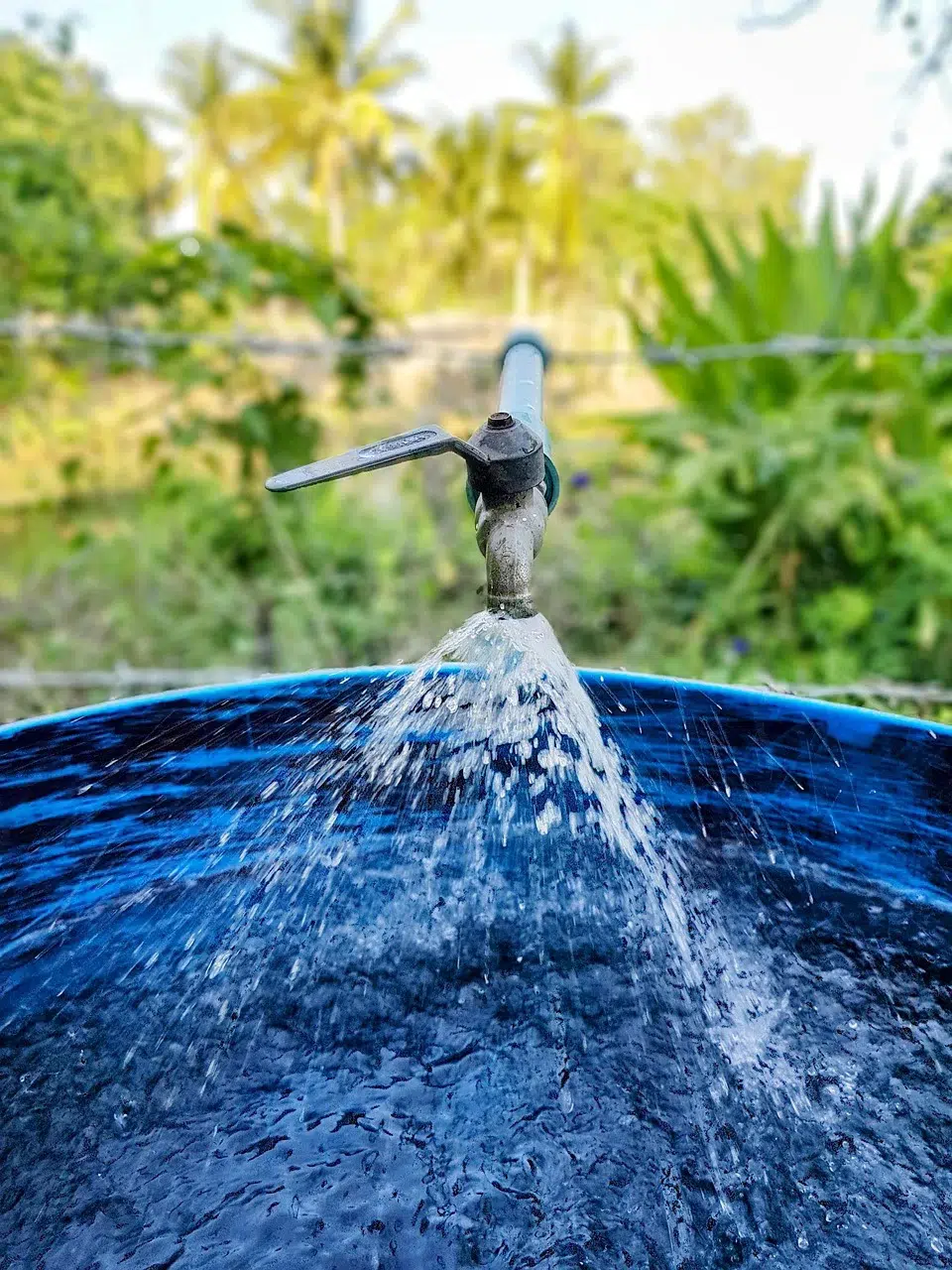
Finding the right balance for your water needs takes a bit of work and planning. With the right tools and regular maintenance, you can have a system that lasts for many decades. Taking care of your pipes and pumps today prevents big headaches in the future.
Small steps today lead to a more reliable supply tomorrow for your home or business. Focus on efficiency to keep your property running smoothly and safely. A well-managed water system is a great asset that provides peace of mind for every property owner.