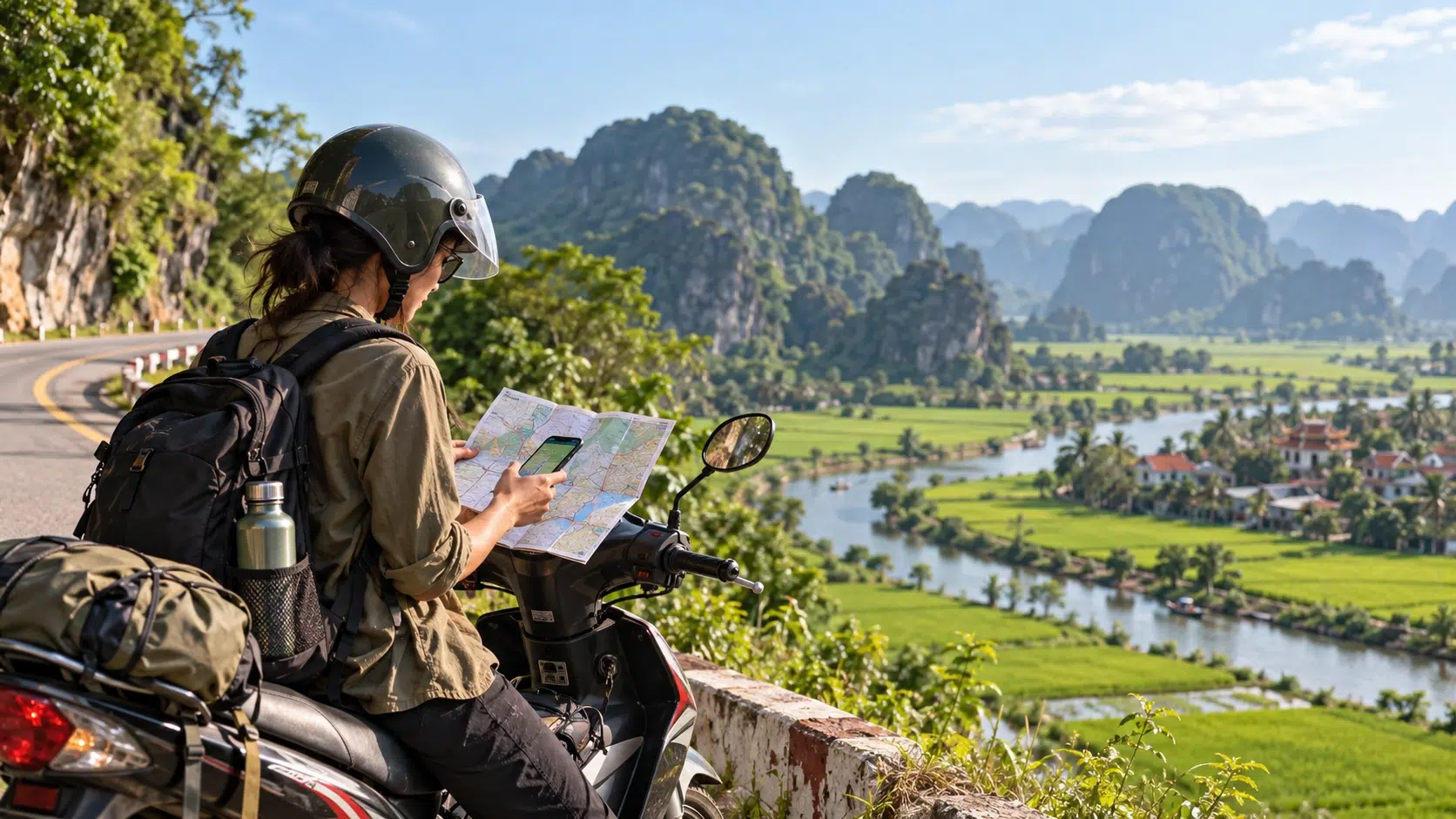
Motorbiking across Vietnam has evolved from a niche backpacker secret into a global rite of passage. There is a profound, almost intoxicating freedom in strapping a dry bag to the back of a bike and disappearing into the mist of the Truong Son mountains or cruising along the sun-baked coastlines of the South China Sea.
However, the leap from daydreaming over Instagram reels to actually gripping the throttle in Hanoi traffic requires a brutal reality check. Vietnam is not a beginner-friendly sandbox; it is a complex, chaotic, and incredibly demanding environment. A successful expedition here is not born from luck – it is engineered through meticulous preparation. If you are planning your first two-wheeled adventure in Vietnam, here is the complete survival guide to ensure you spend your time chasing horizons, not mechanical or legal nightmares.
The Logistical Burden: Why Your Setup Defines Your Journey
First-time riders often underestimate the intense logistics required for a motorcycle trip across Vietnam. Unlike a standard road trip, riding independently here means taking on the full responsibility of a mechanic, navigator, and crisis manager. From navigating sudden landslide detours to managing unexpected mechanical issues and police checkpoints, handling these demands alone while staying focused on challenging terrain can quickly turn a dream adventure into an exhausting ordeal.
Riders gather with their motorcycles along a scenic mountain trail in Vietnam.
To eliminate this friction and focus entirely on the experience, many riders opt to book professional Motorcycle Tours in Vietnam. Partnering with experienced local experts hands off the complex logistics so you can enjoy the ride with complete peace of mind.
- Curated navigation: You bypass the lethal, truck-heavy QL1A highway entirely, led instead through a secret network of local roads and dirt trails.
- Mechanical immunity: A dedicated mechanic and support vehicle follow your convoy, meaning a blown engine results in a quick bike swap rather than an abandoned vacation.
- Cultural translation: Your guide acts as a cultural diplomat, negotiating everything from police checkpoints to securing a warm bed and a hot meal in a village where zero English is spoken.
Legalities and Paperwork: Surviving the Bureaucracy
Before you even think about kickstarting an engine, you must bulletproof your paperwork. Riding illegally in Vietnam is a massive financial and physical risk that insurance companies love to exploit.
The Vietnamese authorities have cracked down heavily on unlicensed tourist riders, particularly in hotspots like Ha Giang and Mui Ne. If you are caught without the right documents, your bike will be impounded on the spot, leaving you stranded. More importantly, if you are in an accident while riding illegally, your travel insurance will immediately void your medical coverage, leaving you with catastrophic hospital bills.
- The IDP rule: Vietnam only recognizes the 1968 International Driving Permit (IDP), provided you also have a valid motorcycle license from your home country. Note: The 1949 IDP (issued by the US, Australia, and Canada) is completely invalid here.
- Bulletproof insurance: Read the fine print. Standard travel insurance does not cover riding a motorcycle over 50cc. You must purchase a specific “adventure sports” add-on and ensure it covers riding in a foreign country.
- The blue card: Always ensure the rental shop or tour agency provides the bike’s registration card (the “Blue Card”). You will need this if you are pulled over or if you need to load the bike onto a train.
Motorcyclists navigate a winding mountain pass surrounded by lush green hillsides.
Gear Up: What to Pack and What to Leave Behind
The climate in Vietnam is a geographical rollercoaster. If you are riding from North to South, you will experience freezing alpine rain, suffocating jungle humidity, and blistering coastal sun – often within the same week.
“Overpacking is the rookie’s curse. A heavy bike is a dangerous bike in the mud. Bring only what saves your skin and keeps you dry; buy the rest locally for pennies.”
- Bring the hard shells from home: Do not rely on finding high-quality safety gear in rural Vietnam. Bring your own DOT/ECE-approved full-face helmet, armored mesh jacket, and Kevlar gloves. The cheap “$10 helmets” sold on the streets of Hanoi offer zero protection in a real crash.
- The layering system: Ditch the heavy winter coats. Pack a high-quality, breathable rain suit (Gore-Tex is ideal) and a merino wool base layer. You can strip down for the humid lowlands and layer up for the freezing Ha Giang loop.
- Waterproofing is god: Buy heavy-duty dry bags (like Kriega or local brand Givi) and bungee cords. Nothing destroys morale faster than arriving at your homestay to find your only change of clothes soaked in muddy water.
The Budget Breakdown: DIY vs. All-Inclusive
There is a persistent myth that doing a solo DIY trip is vastly cheaper than joining a tour. While the upfront cost of renting a cheap, beat-up Honda Win ($10/day) seems like a steal, the hidden costs accumulate with terrifying speed.
When you DIY, you pay the “foreigner tax” on every mechanical breakdown, every hotel room, and every meal. You also bleed time – losing entire days wandering lost in cities or waiting for a village mechanic to weld a broken rack.
- The hidden costs of DIY: Factoring in daily bike rentals, fuel, three meals, accommodation, inevitable repairs, and the sheer amount of time wasted getting lost, a comfortable DIY trip averages $45 – $60 per day.
- The value of a tour: For a higher upfront fee, an all-inclusive tour covers late-model, well-maintained Enduro bikes (Honda CRF250 or CRF300L), all fuel, high-end homestays, all meals, permit fees, and the invaluable safety net of a local guide. When you calculate the hourly value of your limited vacation time, paying for seamless logistics is the smartest bargain in Southeast Asia.
Adventurers pause to take in the breathtaking views from a steep rocky cliff.
Planning a motorbike tour in Vietnam can feel like preparing for a military expedition, but every hour spent navigating paperwork, optimizing your gear, and choosing the right local partner pays massive dividends on the road.
The ultimate goal of all this logistical stress is to eventually let it go. When your paperwork is flawless, your gear is waterproof, and you are following a guide who knows every curve of the Ho Chi Minh Trail, the anxiety melts away. You are no longer a tourist worrying about survival; you are an adventurer, completely immersed in the rhythm of the road, ready to experience the ride of your life.