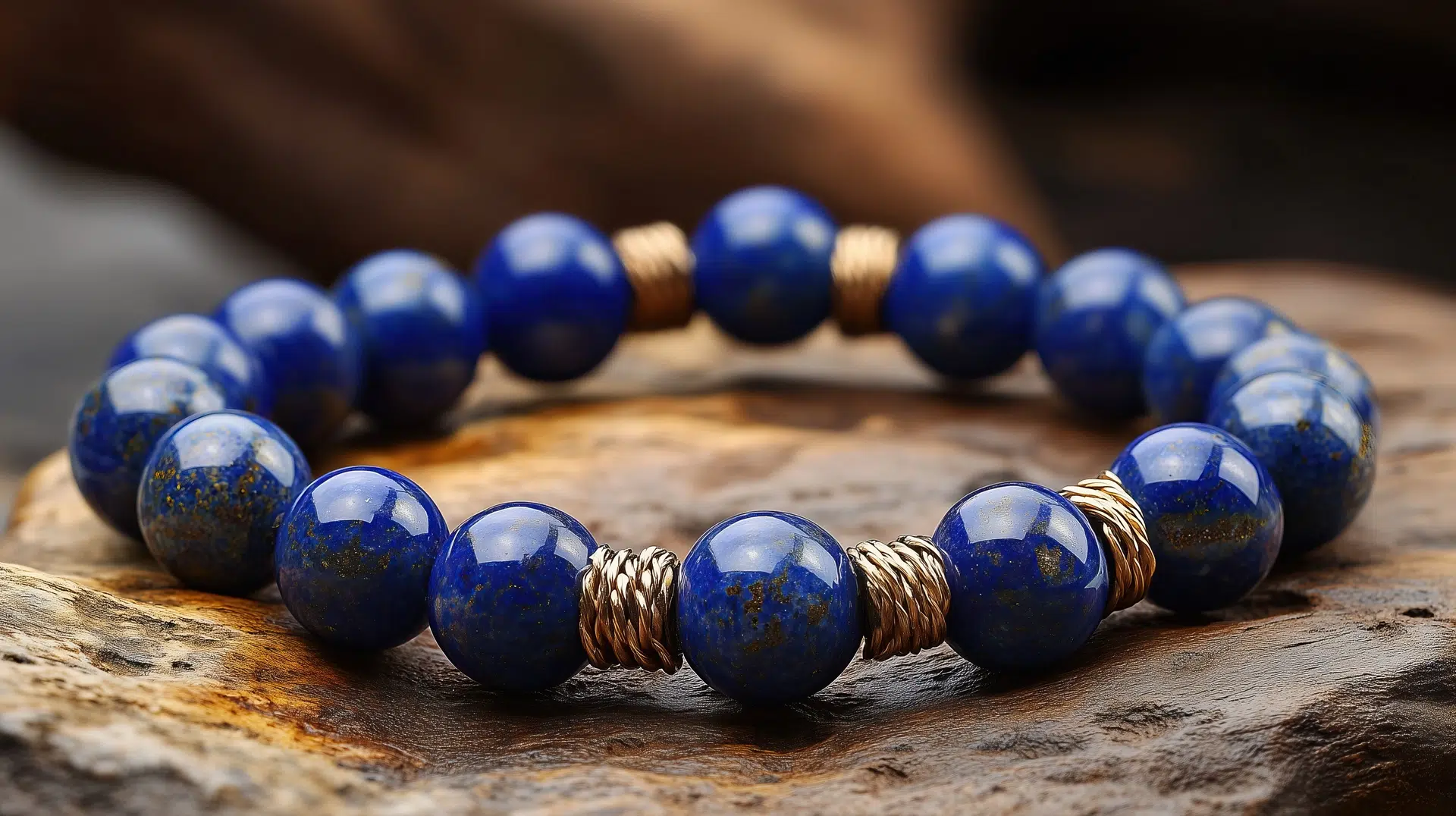
Key Highlights
- Check the hardness of the gemstone to ensure it can withstand daily impacts.
- Ensure the metal setting is tarnish-proof for long-lasting brilliance.
- Consider the “vibrancy” of the stone and how it complements your existing wardrobe.
- Understand that different gemstones require specific cleaning methods to maintain their glow.
Introduction
Choosing gemstone jewellery for everyday wear involves more than selecting a colour or design that catches your eye. Rings, bracelets, necklaces, and earrings worn regularly face repeated exposure to moisture, skincare products, heat, and accidental knocks, so durability matters alongside appearance.
When comparing gem jewellery, consider how well the stone and its setting can withstand your usual routine. A durable gemstone paired with tarnish-proof jewellery can provide colour and personality without demanding constant maintenance. These four considerations can help you choose pieces that remain practical for regular wear.
1. Which Gemstones Are Durable Enough for Everyday Wear?
Gemstone hardness provides a useful starting point when assessing durability. Jewellers commonly refer to the Mohs scale, which measures a mineral’s resistance to scratching. Stones with a higher rating generally tolerate frequent wear better than softer alternatives.
| Gemstone Type | General Durability | Everyday Wear Consideration |
| Sapphire | Very high | Suitable for frequently worn rings and bracelets |
| Topaz | High | Durable but should still be protected from hard impacts |
| Quartz varieties | Good | Practical for many everyday jewellery designs |
| Opal | Lower | Requires greater protection from scratches and knocks |
| Pearl | Lower | Better suited to gentler wear and careful storage |
The type of jewellery also affects how much durability you need. A pendant experiences less physical contact than a ring, which regularly touches desks, bags, doors, and other surfaces. Therefore, a softer gemstone may work well in a necklace even if it would require more caution in a ring.
When shopping for gem jewellery, consider both the stone’s properties and where you intend to wear it.
2. What Jewellery Settings Resist Tarnishing Best?
A gemstone can remain attractive while the surrounding metal changes appearance, which makes the setting an important part of an everyday piece. Regular exposure to moisture, perspiration, cosmetics, and household products can affect some metals and finishes over time.
Choosing tarnish-proof jewellery can reduce the amount of upkeep required to keep the setting looking bright. The quality of the base metal, plating method, protective coating, and overall craftsmanship can all influence how well a piece maintains its appearance.
This consideration matters particularly for rings and bracelets because they experience frequent contact with water and skincare products. Necklaces and earrings may face less direct exposure, although perfume, perspiration, and humidity can still affect them.
Before purchasing, check the recommended care instructions and whether the finish suits regular wear. A durable setting helps the gemstone remain the visual focus rather than drawing attention to discolouration around it.
3. Which Gemstone Colours Work Best With an Everyday Wardrobe?
A gemstone does not need to match every outfit, but it should complement enough of your wardrobe to justify regular wear. Consider the colours, metals, and accessories you already use before selecting a statement piece.
Deep blue, green, clear, and other muted gemstone shades often pair easily with neutral clothing. Brighter colours can also work for everyday use when you intentionally use the jewellery as the main accent.
Your existing jewellery collection also matters. If you regularly wear gold-toned pieces, selecting gem jewellery in a similar setting can make layering easier. The same principle applies to silver-toned or mixed-metal collections.
Personal significance may influence the decision as well. Birthstones, favourite colours, or gemstones connected with a particular memory can remain meaningful even as fashion trends change. In these cases, versatility comes from how naturally the jewellery fits your personal style rather than how closely it follows seasonal colours.
4. How Do You Care for Gemstone Jewellery Worn Daily?
Maintenance requirements vary significantly between gemstones. Some tolerate gentle cleaning with mild soap and water, while porous or delicate stones may react poorly to moisture, chemicals, heat, or ultrasonic cleaning.
For everyday pieces, a simple care routine can help minimise unnecessary wear:
- Wipe the jewellery gently after wearing it to remove skin oils and residue.
- Store individual pieces separately to reduce scratching.
- Remove jewellery before swimming, exercising, or using strong cleaning products.
- Follow gemstone-specific cleaning instructions rather than using one method for every piece.
Even tarnish-proof jewellery benefits from sensible care. Tarnish resistance reduces discolouration, but it does not make a piece completely immune to scratches, residue, or damage caused by harsh chemicals.
Before buying a gemstone piece, consider whether its care requirements suit your routine. Jewellery that needs frequent specialist cleaning may become inconvenient if you intend to wear it almost every day.
Frequently Asked Questions
What Gemstones Are Best for Everyday Jewellery?
Harder gemstones generally suit everyday wear because they resist scratches more effectively. However, the jewellery type also matters. Softer gemstones may remain practical in earrings or pendants because these pieces experience less physical contact than rings.
Can Gemstone Jewellery Be Worn Every Day?
Yes, provided the gemstone, setting, and design suit regular use. Consider the stone’s hardness, the security of the setting, and the activities you normally perform while wearing jewellery.
Does Tarnish-Proof Jewellery Require Cleaning?
Yes. Tarnish-proof jewellery can resist discolouration, but oils, cosmetics, dust, and other residue may still collect on the surface. Gentle cleaning can help maintain its appearance.
Should You Remove Gemstone Rings When Washing Your Hands?
It depends on the gemstone and setting. Some stones tolerate water better than others, while soaps and skincare products can leave residue. Removing delicate gemstone rings before prolonged exposure to water can reduce unnecessary wear.
How Should Gemstone Jewellery Be Stored?
Store pieces individually in soft pouches or separate compartments where possible. Keeping gemstones apart helps prevent harder stones from scratching softer ones.
Contact Archawyn to explore gem jewellery and tarnish-proof jewellery options that suit your everyday style and preferred level of maintenance.