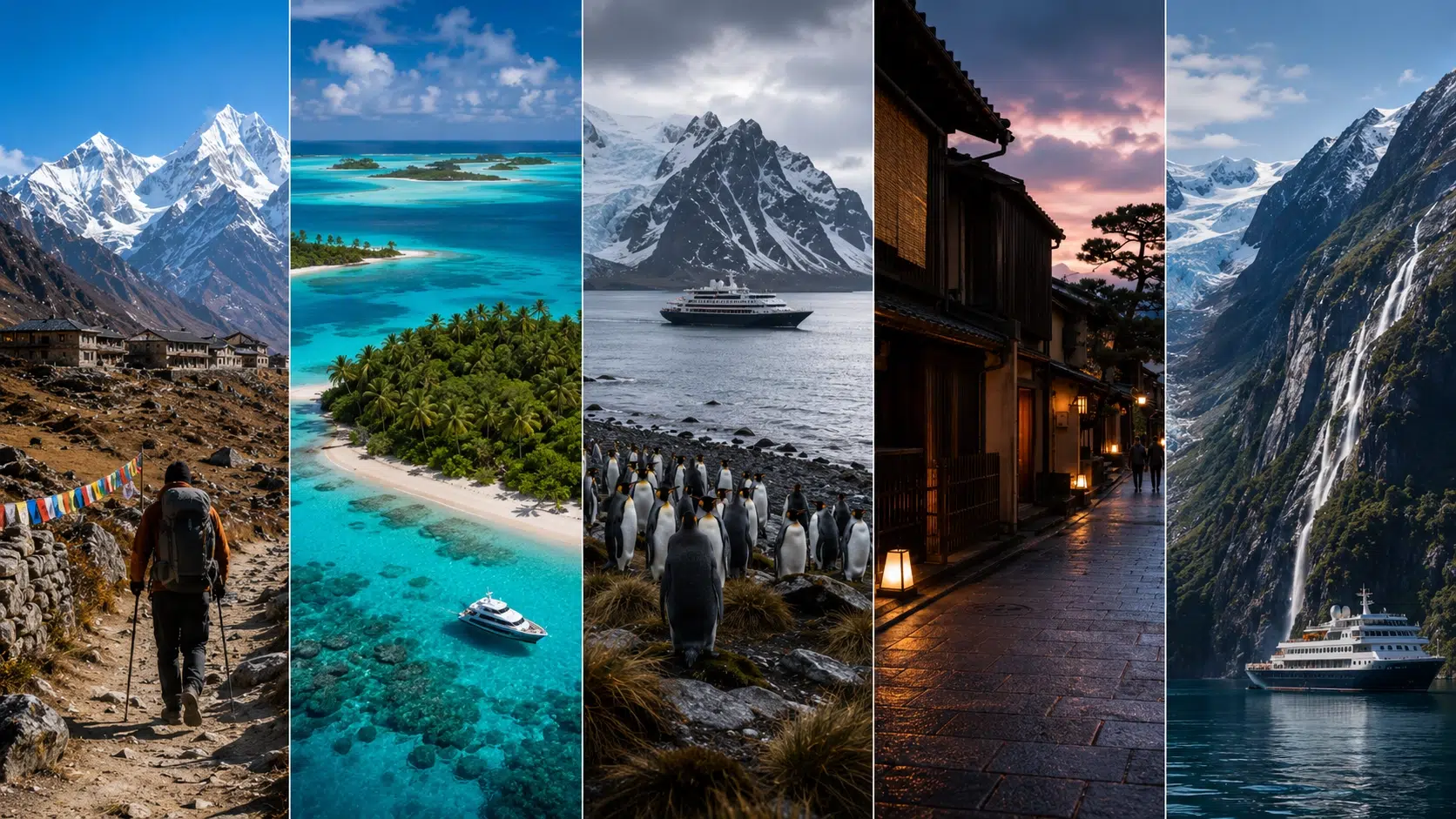
Luxury expedition travel has found a different direction. Reaching remote destinations no longer means giving up comfort or thoughtful service. Small ships, carefully designed lodges, experienced guides, and exceptional regional dining are now part of journeys across some of the world’s most unique landscapes. High standards of hospitality remain central, even in places far from conventional tourist routes.
From Himalayan villages and the coral atolls of the Seychelles to the wildlife-rich shores of South Georgia, Kyoto’s historic machiya districts, and Patagonia’s glacier-lined fjords, these expeditions show how refined travel can reach places that were once inaccessible to the majority of travellers. Visitor numbers remain limited in many of these destinations, allowing local communities, wildlife, and landscapes to take centre stage.
Nepal’s High Himalaya Trails Beyond Everest Base Camp
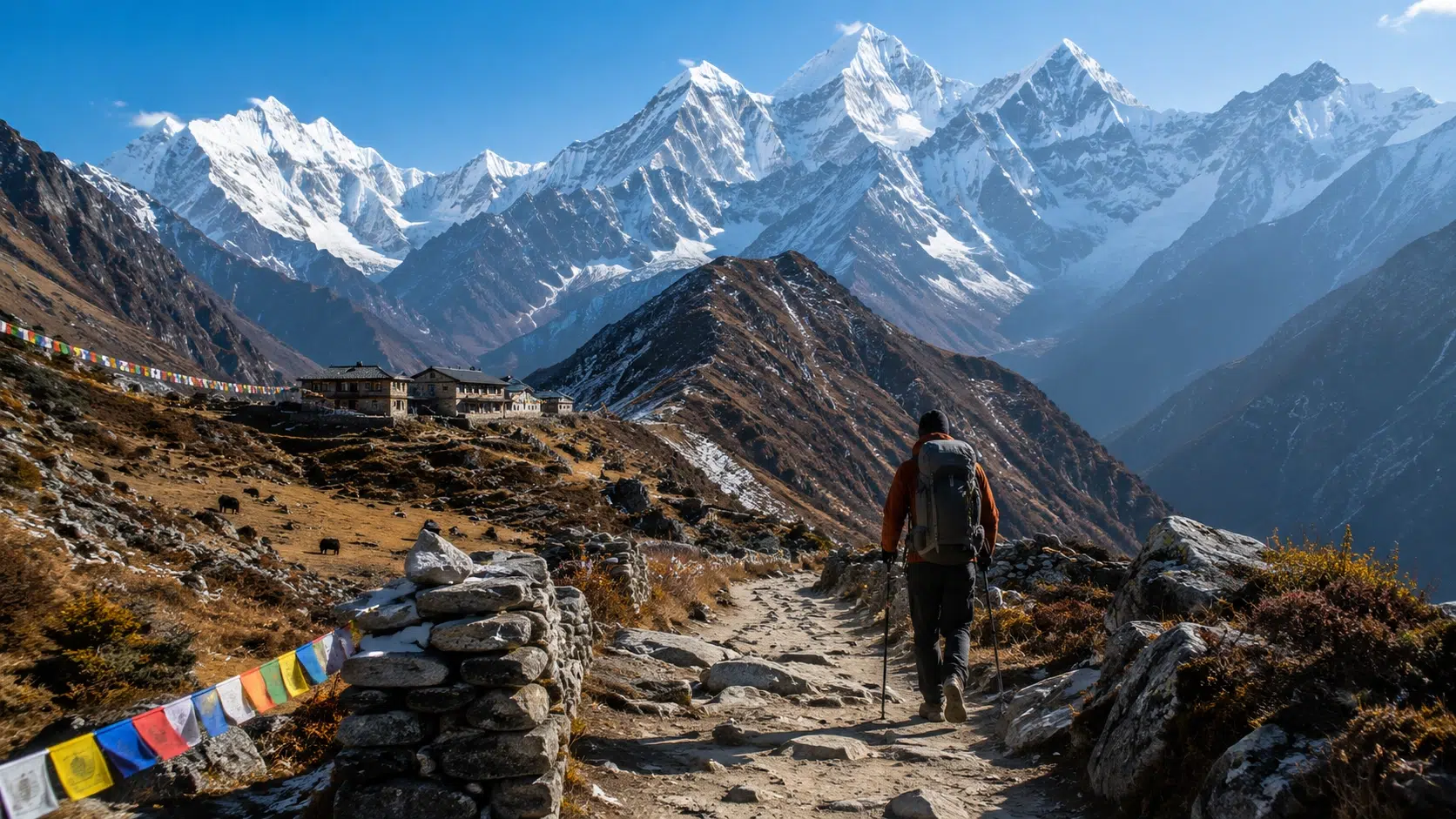
Everest Base Camp attracts its fair share of attention in Nepal, though the Khumbu region extends well beyond the famous trail. Luxury trekking in the Himalayas now focuses just as much on the journey between villages, with smaller groups, experienced Sherpa guides, and comfortable mountain lodges allowing travellers to spend longer in places such as Khumjung, Pangboche, and Phortse. Prayer walls, stone houses, and small potato fields still line the trails, while monasteries remain active community centres. Yaks continue carrying food, fuel, and building materials between settlements where roads have never reached.
If you’re weighing up trekking in Nepal, keep in mind that Everest Base Camp is only one of several trekking routes through the Himalayas and is a much busier route than others. For quieter journeys, Gokyo Valley brings turquoise lakes and broad mountain panoramas, while Thame is peaceful and has long been home to respected Sherpa climbers. Most itineraries begin with a couple of days in Kathmandu, where Asan Market, Boudhanath and Patan Durbar Square provide a useful introduction before the flight to Lukla.
Mountain weather changes quickly, and flights don’t always run exactly as scheduled. High-end trekking itineraries often include additional nights in a five-star Kathmandu hotel, providing flexibility if flights from Lukla are delayed.
The Seychelles’ Outer Islands Are Where Privacy Gets Serious
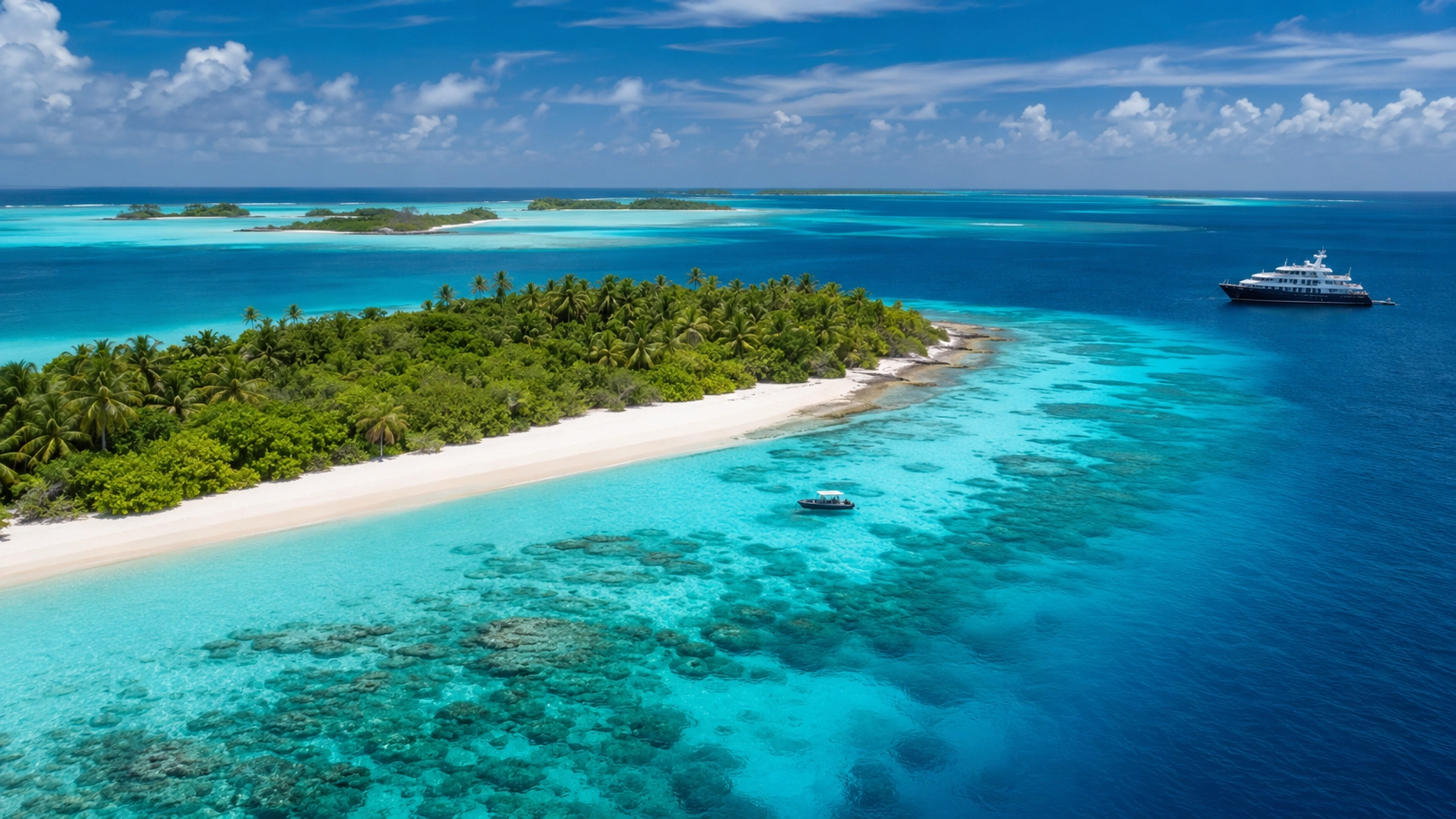
The Seychelles Islands stretch across a huge area of the Indian Ocean, though relatively few visitors reach the Outer Islands. Access is carefully controlled, with most journeys involving charter flights or private boat transfers that introduce an air of personalisation from the off. Small clusters of luxury properties place the focus on privacy, tailored service, and direct access to protected marine environments, where neighbouring beaches may remain empty for much of the day.
Marine conservation is woven into daily life. Sea turtles nest on several islands during the season, giant tortoises roam protected habitats, and guests often join guided reef excursions led by marine specialists or learn about ongoing coral restoration projects. Meals centre on freshly caught fish, tropical fruit, and Creole cooking, and the islands’ isolated geography limits supplies to arriving only a few times each week.
Many itineraries begin or end on Mahé. Victoria Market provides a useful contrast with its fish stalls, spice vendors, and fruit sellers, while Independence Avenue and the streets around the Clock Tower reveal the everyday pace of the capital before returning to the quieter outer islands.
The Falklands and South Georgia Offer a Different Kind of Wild
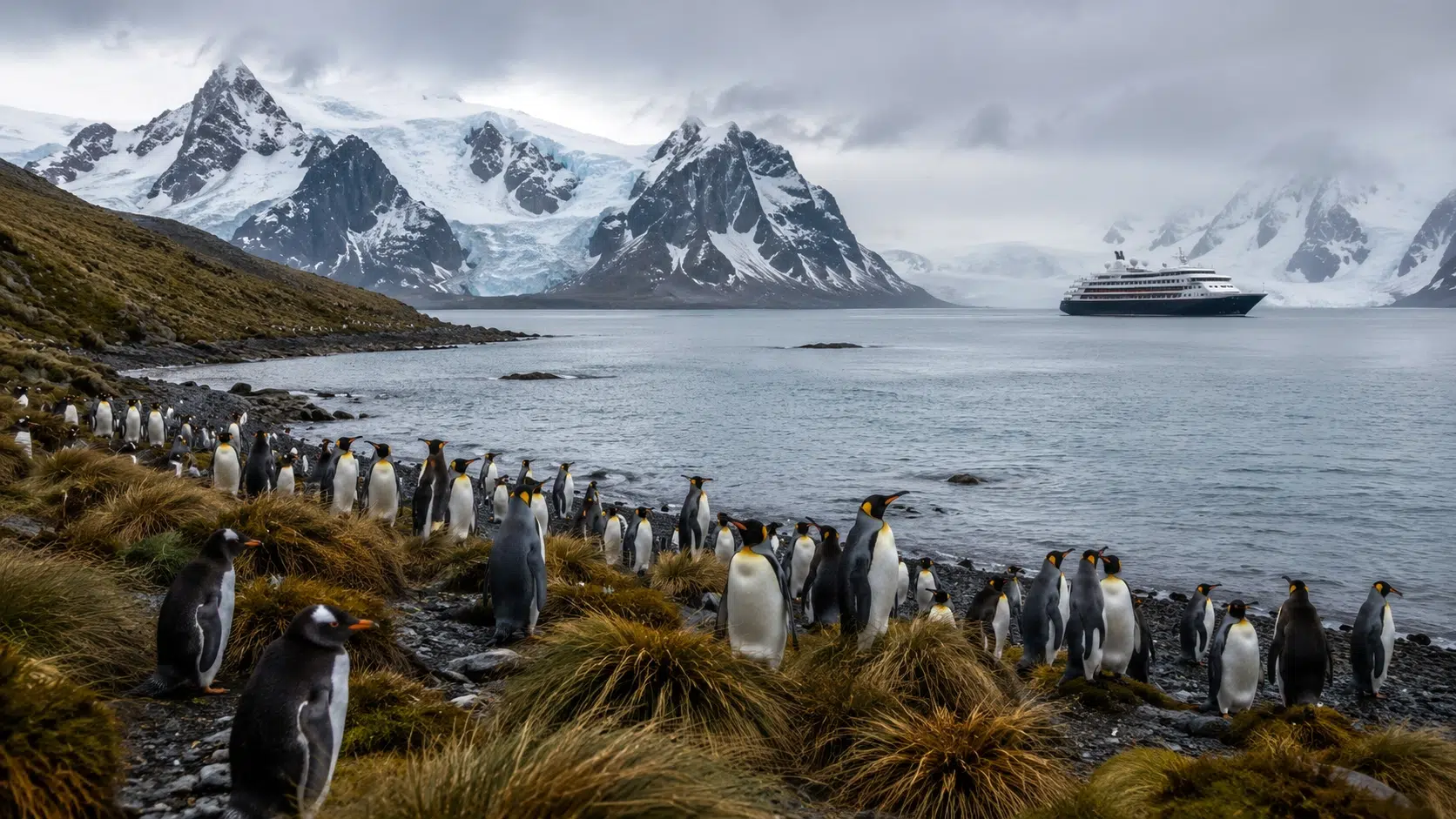
South Georgia’s landscapes are dominated by its native wildlife. Luxury expedition vessels reach the island with small landing groups, experienced naturalists, and flexible daily schedules that follow wildlife activity and weather conditions. Salisbury Plain and St Andrews Bay support vast king penguin colonies, while elephant seals gather along wide beaches during breeding season. Fur seals are particularly numerous later in the season, and wandering albatrosses are often seen circling above the cliffs.
The island also preserves evidence of its whaling history. Grytviken has been carefully conserved as a historic site, with museum exhibits explaining both the industry’s impact and the conservation efforts that followed. Today, strict environmental guidelines shape every landing, helping protect wildlife and fragile habitats.
Anyone drawn to Antarctica and South Georgia cruises should take time to look closely at itineraries that include the Falkland Islands. Stanley’s waterfront, Ross Road, Christ Church Cathedral, and the Historic Dockyard Museum provide useful context before the voyage continues south. Back on board, expedition teams continue the day’s discussions with wildlife briefings, photography talks, and presentations on the region’s ecology. Weather changes quickly here too, so keep waterproof clothing close at hand, even during short walks ashore.

Kyoto’s Machiya Quarters Offer a Quieter Kind of Prestige
Kyoto’s traditional machiya townhouses remain one of the city’s defining features. Known locally as “unagi no nedoko” (eel bed), owing to their narrow exteriors and long, deep interiors, many have been carefully reworked as intimate luxury accommodations. Guests staying in these townhouses have access to neighbourhoods where traditional workshops and galleries continue to operate as they have for generations. A stroll through Gion, Sannenzaka, Ninenzaka, or the quieter streets around Kenninji offers photogenic streets and traditional alleyways.
Nishiki Market stays busy throughout the morning, though many local shoppers arrive well before midday. Seasonal vegetables, pickled foods, handcrafted sweets, ceramics, and Japanese knives fill the narrow arcade. Nearby Teramachi and Shinkyogoku provide another glimpse of daily life beyond the temple precincts.
Luxury here often comes through access rather than scale. Private appointments with ceramic artists, incense makers, textile weavers, and lacquerware craftsmen allow visitors to spend time inside working studios where techniques have been passed down for generations. Travellers can expect intimate sessions at traditional kilns, and photography is often discouraged in favour of a truly authentic and intimate learning experience.
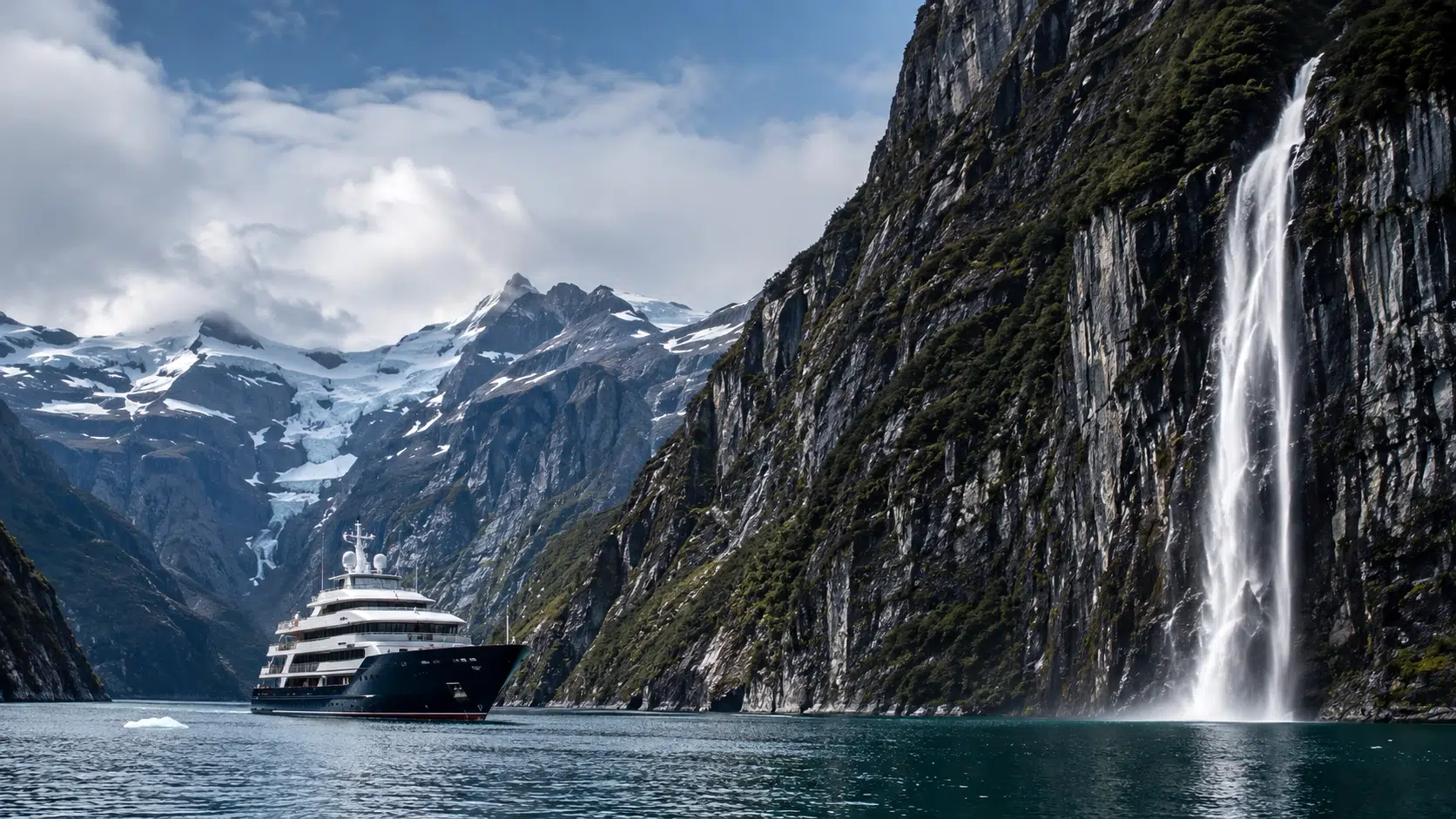
Patagonia’s Fjords Are Best Explored Slowly, by Boat
Chile’s Patagonian fjords cover thousands of miles of deeply indented coastline, shaped by glaciers and dense temperate rainforest. State-of-the-art voyage ships navigate difficult narrow channels where waterfalls spill directly into the sea and floating ice regularly drifts past the shoreline. Humpback whales, sea lions, dolphins, and several seabird species are common sightings during the right season, with naturalists helping interpret the wildlife throughout the voyage.
Puerto Natales is more than a departure point. The waterfront promenade looks across Última Esperanza Sound, while the Municipal Historical Museum explains the region’s Indigenous history, European settlement, and maritime traditions before boarding. The town’s artisan stores also stock locally made wool products that reflect Patagonia’s sheep farming heritage.
Between shore excursions, passengers return to regional cuisine, comfortable lounges, and panoramic observation decks before heading back out for the next landing. Conditions on the water change throughout the day, so most passengers leave a waterproof jacket by the cabin door before going on deck.
Which expedition earns its exclusivity?
Luxury expedition travel has become closely tied to places that remain protected, carefully managed, and genuinely distinctive. Nepal is home to high mountain communities where Buddhist monasteries continue to serve local villages. The Seychelles’ Outer Islands protect coral reefs, nesting seabirds, and marine habitats under carefully managed visitor access. South Georgia and the Falkland Islands bring together important wildlife habitats and historic sites such as Grytviken, where conservation now sits alongside the island’s whaling history. Kyoto’s machiya districts remain home to working artisans, while Patagonia’s fjords stretch past glaciers, temperate rainforest, and coastal wildlife.
These destinations don’t rely on lavish surroundings alone. Knowledgeable guides, carefully considered accommodations, regional food, and respect for local communities all contribute to the experience, though the places themselves remain the main reason for going.