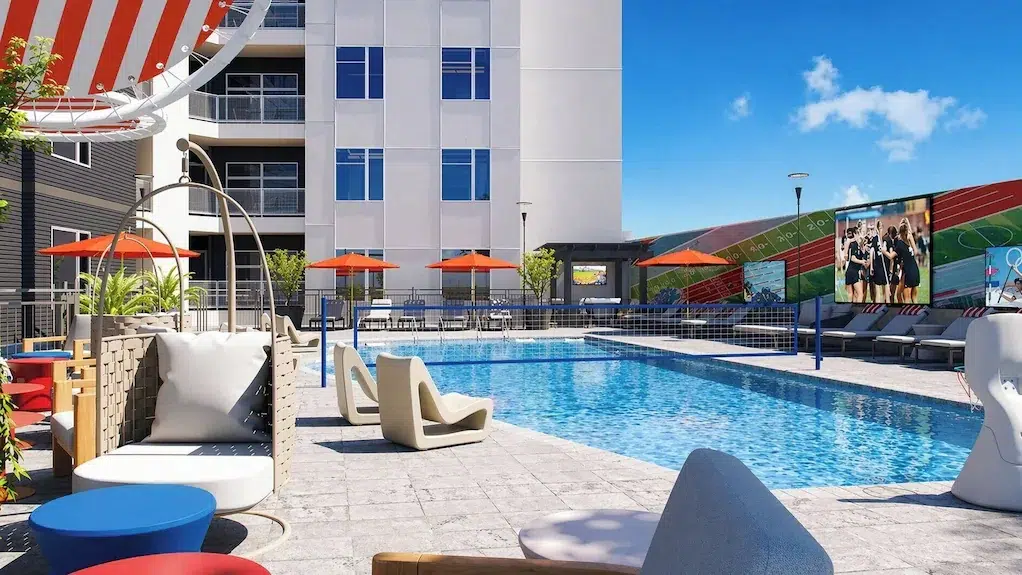
Resorts Turning Fandom Into a Complete Travel Experience
There was a time when sports travel followed a familiar pattern. Fans booked a room near the stadium, attended the game, and returned home the following morning. The hotel was practical, the event was central, and almost everything memorable happened somewhere else.
That distinction is beginning to disappear.
Across the hospitality industry, sports are moving beyond the stadium and into the wider travel experience. Hotels are introducing private coaching, socially driven racquet sports, athlete-inspired wellness programs and access to major events.
Resorts are building environments where watching, playing and discussing sport become part of the stay itself.
For travellers, the appeal is not limited to competition. Sport offers something increasingly valuable in luxury hospitality: a ready-made sense of occasion. It brings people together, gives a trip a natural rhythm and creates stories that continue long after the result has been forgotten.
A weekend away can now begin with a morning match, continue over a leisurely lunch and end with a major game, private event or celebratory dinner. The hotel is no longer simply where the guest sleeps between activities. It has become part of the sporting narrative.
What is Sports-inspired Hospitality?
Sports-inspired hospitality is an approach to accommodation that connects a hotel or resort stay with sporting participation, fandom or event access.
It can include:
- Proximity and transport to stadiums or sporting events
- Ticketing assistance and organised fan experiences
- Tennis, golf, padel, cycling or water-sports programmes
- Fitness, nutrition and recovery facilities
- Communal spaces for screenings and game-day gatherings
- Design and cultural details connected to local sporting traditions
A sports-inspired property does not necessarily need to be located beside a stadium or filled with memorabilia. Its defining feature is that sport meaningfully shapes the guest experience rather than functioning only as decoration.
Sports tourism has become a hospitality force
Sports tourism includes both people who travel to watch events and those who travel to participate in them. Its audience ranges from professional-team followers and international spectators to tournament families, recreational athletes and groups planning golf, cycling or racing weekends.
The economic scale helps explain the hospitality industry’s interest.
The Sports Events and Tourism Association reported that 339 million sports travellers generated 124.3 million room nights in the United States during 2025. Participatory and spectator sports tourism together produced $111.2 billion in direct spending and an estimated total economic impact of $274.5 billion.
The World Economic Forum has also identified sports tourism as the fastest-growing area of tourism within a wider global sports economy generating approximately $2.3 trillion in annual revenue.
These travellers do not all want the same experience.
A spectator may need event tickets, local transport and a well-positioned restaurant reservation. A participating athlete may prioritise sleep, nutrition, equipment storage and recovery. A family travelling for a youth tournament may need larger accommodation and activities for relatives who are not attending every match.
The strongest properties recognise these differences and design services around the reasons people travel for sport.
Membership is extending the experience beyond one stay
Sports Illustrated Resorts provides one example of a hospitality brand built specifically around sports culture.
The concept is operated by Travel + Leisure Co. under licence from Authentic Brands Group. Its wider strategy includes city and college-sports destinations designed around accommodation, social spaces and fan-oriented experiences.
Speaking about the company’s planned Tuscaloosa development, Travel + Leisure Co. chief operating officer Geoff Richards described the aim as creating destinations where guests “don’t just watch sports — they’re part of the experience.”
That statement captures the broader direction of sports-inspired hospitality: the stay is intended to extend the event rather than merely surround it.
The benefits of club membership at Sports Illustrated Resorts currently include a ticket concierge, a Sports Illustrated magazine subscription and selected discounts and partner offers. The brand also advertises access to 45 resorts through Varsity Pass and thousands of additional destinations through RCI Exchange.
This structure allows the brand relationship to extend beyond a single sports-focused property. A member might use it for a game-day city stay, a family holiday or an exchange at another resort.
However, it is important to explain the model accurately.
Sports Illustrated Resorts Club is a points-based vacation ownership programme, not a free hotel loyalty scheme. The company’s glossary defines the club as a multi-site timeshare plan in which usage rights are represented through points. Those points do not have an independent cash value and are used to determine access according to factors such as season, accommodation size and resort location.
The programme can also involve annual facility, homeowners’ association or maintenance-related fees. Prospective members should therefore review the ownership contract, booking rules, point usage, cancellation terms and ongoing costs before joining.
This neutral distinction is important. The value of any vacation ownership programme depends on how closely its destinations, costs and booking structure match the traveller’s real habits.
However, vacation ownership should not be confused with a free hotel loyalty programme. Sports Illustrated Resorts Club operates as a points-based vacation ownership plan. Point requirements vary by resort, season and accommodation type, and membership may involve annual facility, association or maintenance-related fees.
Luxury is becoming more participatory
Luxury hospitality was traditionally associated with privacy, formality and passive relaxation. Comfort and service remain important, but many travellers now also want to participate, learn or connect.
That could mean joining a private coaching session, attending an event that once felt inaccessible or trying a new activity with friends and family.
The rise of padel at luxury hotels illustrates this change. Upscale Living has previously explored how properties from Marbella to the Maldives are pairing padel courts with coaching, tournaments, dining and spa experiences.
The sport works particularly well in a resort setting because it is social, relatively approachable and does not require an entire day. Courts can become gathering places in much the same way as terraces, pools or hotel bars.
Golf, tennis, skiing, cycling and water sports have supported destination travel for decades. What is changing is the level of curation around them. Hotels can now coordinate equipment, lessons, transport, dining and recovery within one itinerary.
In this model, luxury is not only access to superior facilities. It is the removal of practical friction from the experience.
Moving beyond sports-Themed décor
A property can display framed photographs, jerseys and themed cocktails without offering a genuinely useful sports experience.
The more convincing concepts move beyond visual references and consider what fans and participants actually value.
That may include accommodation near important venues, a knowledgeable concierge, premium-ticket assistance or transportation coordinated around event times. Shared lounges can host major screenings, while guided stadium visits, athlete appearances and expert discussions can add context to the destination.
Authenticity is particularly important because sports fans are often highly informed. They can recognise the difference between a hotel using sporting imagery as a marketing device and one that understands the traditions surrounding a team, city or event.
Location can strengthen that authenticity.
A sports-focused stay in Nashville can draw on the city’s professional teams, live music and entertainment culture. In Chicago, it can connect visitors with historic stadiums, neighbourhood loyalties and generations of sporting history.
The Destination Must Still Come First
A successful sports resort cannot exist in isolation from its surroundings.
The most memorable properties interpret their destinations rather than covering them with generic imagery. In Nashville, sports hospitality can sit naturally alongside live music and Southern food culture. In Chicago, it can draw on historic stadiums, lakefront recreation and neighbourhood identities shaped by generations of supporters.
Coastal properties may build around water sports. Mountain resorts can focus on skiing, hiking and cycling. Urban hotels may emphasise professional teams, event access and venue culture.
Not every guest travelling with a fan wants to spend the full weekend discussing scores. The hotel’s role is to connect the game with the destination, not to make the destination disappear behind the game.
What Travellers Should Look For
Before booking a sports-branded stay or joining a travel club, travellers should examine:
- Location: Is the property convenient for the relevant venues or activities?
- Real access: Does it provide ticketing help, transport, coaching or organised experiences?
- Facilities: Are its fitness and recovery amenities appropriate for the planned trip?
- Booking flexibility: How easy is it to secure preferred destinations and dates?
- Points and costs: How are points used, and what annual or exchange fees apply?
- Cancellation terms: What happens to the booking or points when plans change?
- Personal value: Does the programme suit the traveller’s normal holiday habits?
The most valuable benefit is not always the most glamorous. For one traveller, it may be premium ticket assistance. For another, it may be larger accommodation, destination flexibility or the ability to organise an annual family trip.
Frequently Asked Questions
-
What is the difference between sports tourism and sports-inspired hospitality?
Sports tourism describes travel motivated by watching or participating in sport. Sports-inspired hospitality describes how a hotel, resort or travel club serves those travellers through accommodation, activities, access and related services.
-
Are sports-inspired resorts only for serious fans?
No. They may appeal to fans, athletes, families and travellers who simply enjoy active or socially oriented holidays. A well-designed property should also provide dining, wellness and destination experiences for guests who are not attending every sporting activity.
-
Is Sports Illustrated Resorts Club a hotel loyalty programme?
No. It is described by the company as a points-based vacation ownership or timeshare programme. Membership involves usage rights and may include ongoing fees, so it should be assessed differently from a free rewards programme.
-
What benefits can Sports Illustrated Resorts Club members receive?
The company currently lists benefits including ticket-concierge assistance, a magazine subscription, partner offers, Varsity Pass resort access and external exchange opportunities. Availability, costs, and booking terms should be confirmed directly before purchase or travel.