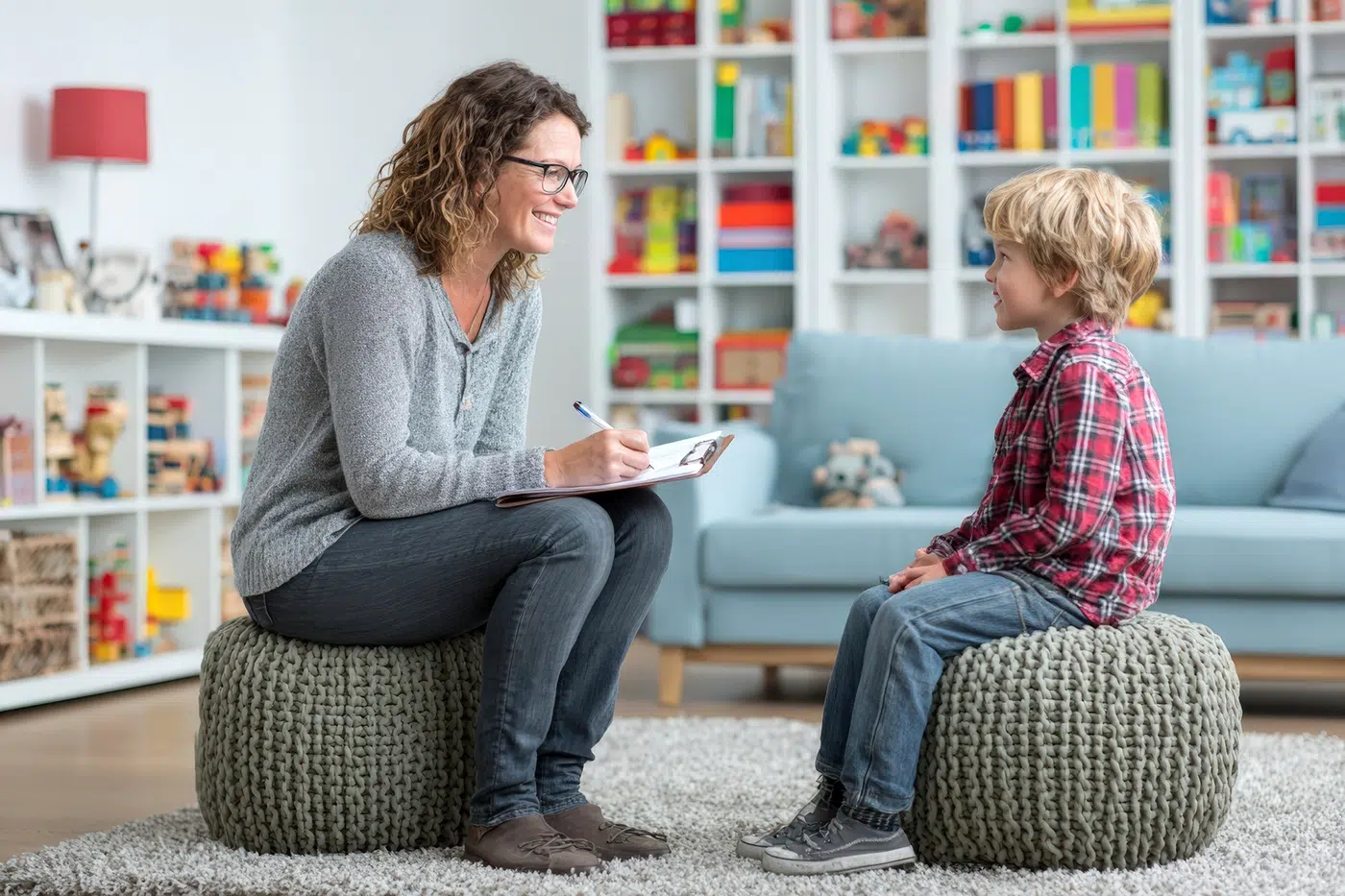
I believe that child counseling services help those young people who struggle with common emotional, behavioral, or mental health issues, and families in Homer Glen have access to quality support options. These services provide an environment for children to share their thoughts and feelings. A parent or caretaker will immediately turn to me when a child shows some sudden shift in mood, behavior, or performance in school.
Perhaps by learning a few things about what child counseling actually is, families can make better choices. Exploring options like counseling for kids in Homer Glen can provide the guidance children need to thrive emotionally and socially. Here’s what you need to know about child counseling services and how they can help your family.
What Is Child Counseling?
Child counseling is a mental health service offered to children who have lost the ability to cope with their day-to-day activities. Professionals work with kids to know their feelings and how to control those formative emotions in an age-appropriate manner. You continue to work toward teaching children healthy coping mechanisms. Counselors often offer play, art, or conversation as modes of communication for children.
Common Reasons for Seeking Help
There are a multitude of reasons that can lead families to seek counseling for their child. For some kids, anxiety or depression interferes with their joy at home or at school. Some have difficulty befriending or coping with social interactions. Life events, such as changes or challenges within your family itself, a move, or a death in the family, may cause you distress. Specialists can also help children with bullying, rage issues, or low self-esteem.
Types of Counseling Approaches
Various counseling methods suit different needs and personalities. For younger kids, play therapy is often used to promote self-expression through toys and games. Art therapy allows children to express themselves via drawing, painting, or crafting. As for older children, cognitive-behavioral techniques assist them in gaining insight into the relationship between their thoughts and actions.
The Initial Assessment Process
The most common initial step in child counseling is a detailed evaluation. Information is collected from kids and caregivers by counselors. This involves obtaining the child’s history, the current issues, and strengths. The initial sessions provide observations that will quickly explain to the counselor what is immature and what the needs of the particular child are. Then, a joint plan is drafted to follow in future sessions.
Role of Parents and Caregivers
Counseling success often hinges on parental involvement. Some sessions may include caregivers or at-home strategies to help the child. According to the National Institute of Mental Health, family involvement significantly enhances treatment outcomes for children receiving mental health services. The open discussion of strategies will help ensure consistency between home and school. The counselors may provide advice on routines, discipline, and even emotional support. When family members are involved positively, they help keep up that progress between sessions.
Benefits for Children
Kids in counseling often feel and act better and feel more confident. Children learn new coping skills to manage stress and frustration. Social skills can often be improved with counseling, and thus, children will find it easier to have conversations with other people. Getting help early could help stop a little problem from turning into a big problem later on. Another potential one is enhanced family communication.
Confidentiality and Trust
The base of any effective counseling is trust between the child and the counselor. Discussion is kept confidential unless there is a potential safety threat. The children are asked to voice their thoughts without judging them. That kind of relationship creates an environment of openness and honesty. At the start, confidentiality guidelines are clearly outlined for children and families.
How to Choose a Counselor
Searching for an appropriate counselor comes with determining credentials, history, and style. Families should seek out professionals trained in child development and counseling skills. Getting along with the counselor and understanding the character traits of the child matter a lot for making progress. Choosing the right one may be easier with recommendations from healthcare providers or educators. An initial meeting with a counselor, before sessions begin, can also be reassuring.
Supporting Progress Outside Sessions
Home and school practices reinforce counseling strategies, so they are most beneficial to children. Creating routines, communicating clearly, and using positive reinforcement reinforce the practice of new skills. With caregivers, the message should be: if you can have patience, you can realize that this progress will evolve slowly. Providing feedback to the counselor helps to ensure that support plans are effective.
Conclusion
This knowledge helps families assist children suffering emotional or behavioral issues through child counseling services. These services offer free or low-cost tools that aid in their growth and well-being. With appropriate support and positive engagement, families also have the means to nurture children. By intervening early and encouraging them consistently, we set the stage for healthier, happier futures.