There’s no denying the benefits that come with owning your home; it’s a roof over your head, but you’re also secure in knowing you have a place to live and stay no matter what life throws at you. However, there are responsibilities that come with owning a home, of which upkeep might just be the most significant. Having a home is one thing, it’s another to keep your home habitable and beautiful so you can continue to reap the benefits of living there. It’s always prudent to stay on top of basic home maintenance in the first place; small issues can quickly lead to more serious problems that can cost you time and money (to say nothing of how those issues may impact your quality of life). By taking a proactive approach to home care, you can take charge of your surroundings and ensure a safe, comfortable living environment.
A regular inspection routine is key to identifying minor wear and tear before it has a chance to snowball into something more costly. To help you stay organized and ahead of potential problems, here is a detailed and practical checklist to keep your property in excellent condition throughout the changing seasons.
1. Inspect the Roof and Drainage Systems
Your roof and drainage networks aren’t usually parts that get much thought, but as your home’s primary defence against the outdoor elements, they do matter. Twice a year, take care to examine your roof for cracked or missing shingles. Give particular attention to the eavestroughs; these are the elements that direct water away from your foundation. Over time, leaves, twigs, and sediment can accumulate and clog the system. Remove any obstructions to ensure easy water flow. In case of any overhanging branches, trim them at least two metres away from the roofline to prevent physical damage. Blocked drainage can lead to water pooling, ice dams in the winter, and eventual water ingress; if you experience these issues, it may be a sign you already have a problem. If you notice sagging sections or persistent leaks during heavy rain, it might be time to call in professionals for gutter repair in Calgary to ensure efficient water flow to take it away from your home’s perimeter.
2. Service Heating and Cooling Equipment
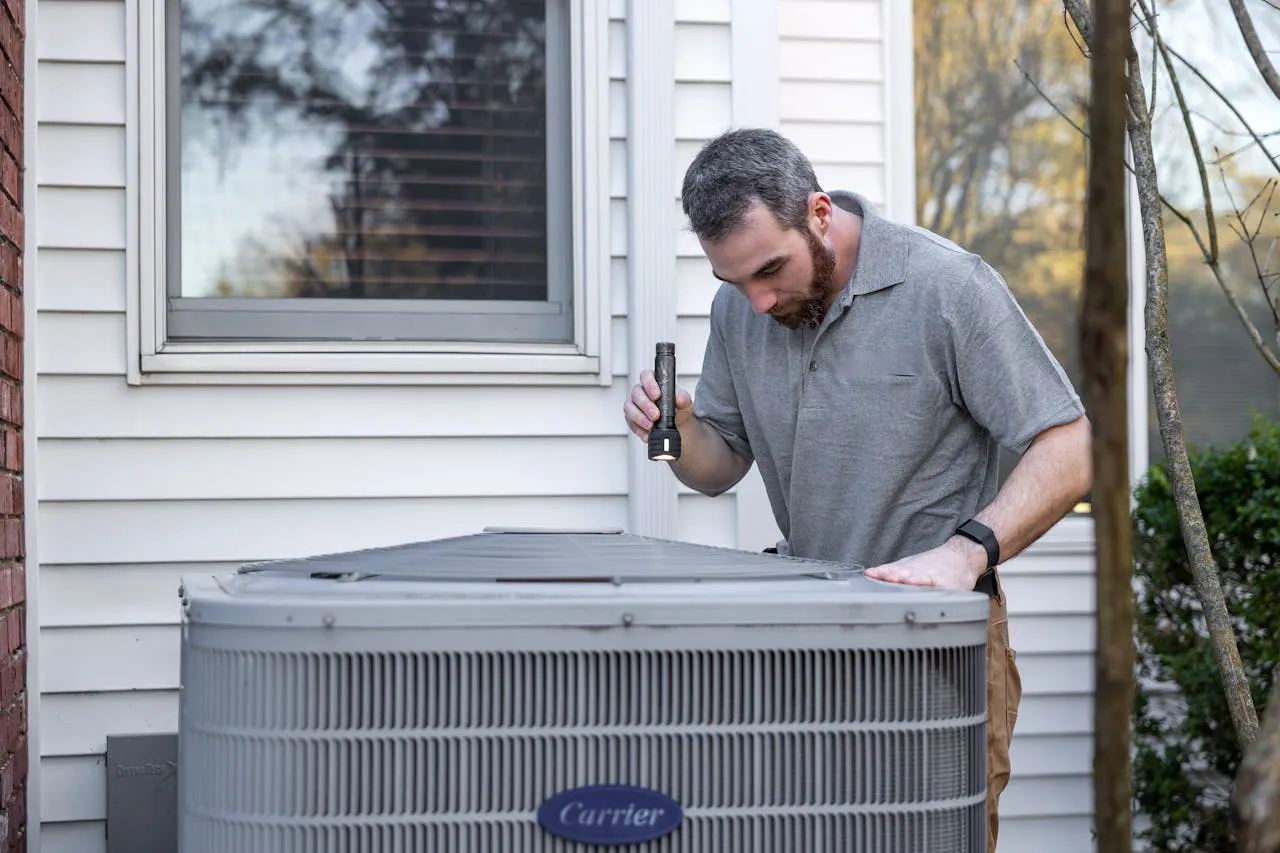
Who doesn’t enjoy some relaxing time indoors in a comfortable, air-conditioned space from time to time? That indoor comfort, however, is predicated on a well-maintained heating, ventilation, and air conditioning system. A good place to start is making a habit of replacing your furnace and air conditioning filters every few months to ensure optimal airflow and reduce unnecessary strain on the blower motor. It also helps to vacuum regularly to keep dust out of the floor vents and baseboard heaters. Before the first hard freeze comes around, take the time to test your furnace to confirm it can still work smoothly. Keeping these mechanical systems clean not only keeps your indoor air at a comfortable level, but also extends the lifespan of the equipment and ensures your home stays that comfortable.
3. Examine Exterior Seals and Access Points
Drafts and moisture intrusion aren’t just uncomfortable; they can also severely impact your home’s energy efficiency. Inspect the caulking and weatherstripping around all windows and doors, replacing any cracked or peeling material. Replacing any worn material is key to keeping a tight seal to keep warm air. You can also test how well your doors (particularly the garage door) open and close. Ensure the tracks are clean and the mechanisms operate without grinding or shuddering. If you notice structural warping or constant mechanical failures that don’t go away with some simple lubrication, calling for garage door replacement might be key to reestablishing insulation for your home
4. Monitor Plumbing and Prevent Leaks
Water damage is one of the most intrusive and difficult issues to resolve within a house, and so preventing it goes a long way toward preventing any headaches. Regularly check the pipes under your kitchen and bathroom sinks for any signs of moisture or corrosion. Look for any slow-draining tubs; these often indicate building clogs deep within the pipes. For any exposed pipes in unheated areas, wrapping them in foam insulation can help prevent them from freezing and bursting. Additionally, drain your hot water tank every year to remove sediment buildup; this buildup can reduce the tank’s heating efficiency and cause internal deterioration over time. If you’re unsure about the condition of your pipes or notice recurring issues, consulting a trusted plumber in New Tecumseth can help you catch problems early before they escalate into costly repairs.
5. Prepare a Financial Buffer for Upkeep
Even with the most rigorous maintenance schedule, structural components and appliances will eventually reach the end of their usable life. And like any other crisis, failure is very likely to happen when it’s least expected or wanted. Establishing a dedicated emergency fund specifically for home repairs can provide an effective solution to any sudden emergencies and provide some crucial peace of mind against such situations. In the event that a sudden, massive system failure outpaces your savings, it also pays to have a backup, backup plan. Knowing how to quickly secure a small personal loan can bridge any gaps, allowing you to address critical fixes immediately rather than letting the damage compound into a larger disaster.
Averting disaster very often comes down to preparedness, and that’s what this checklist is for. With these tips and insights at your disposal, you can take some steps to minimize the likelihood of any sudden breakdowns. By taking a little more time with your basic home maintenance and preparation, you can ensure your home remains a secure and well-functioning sanctuary for years to come.