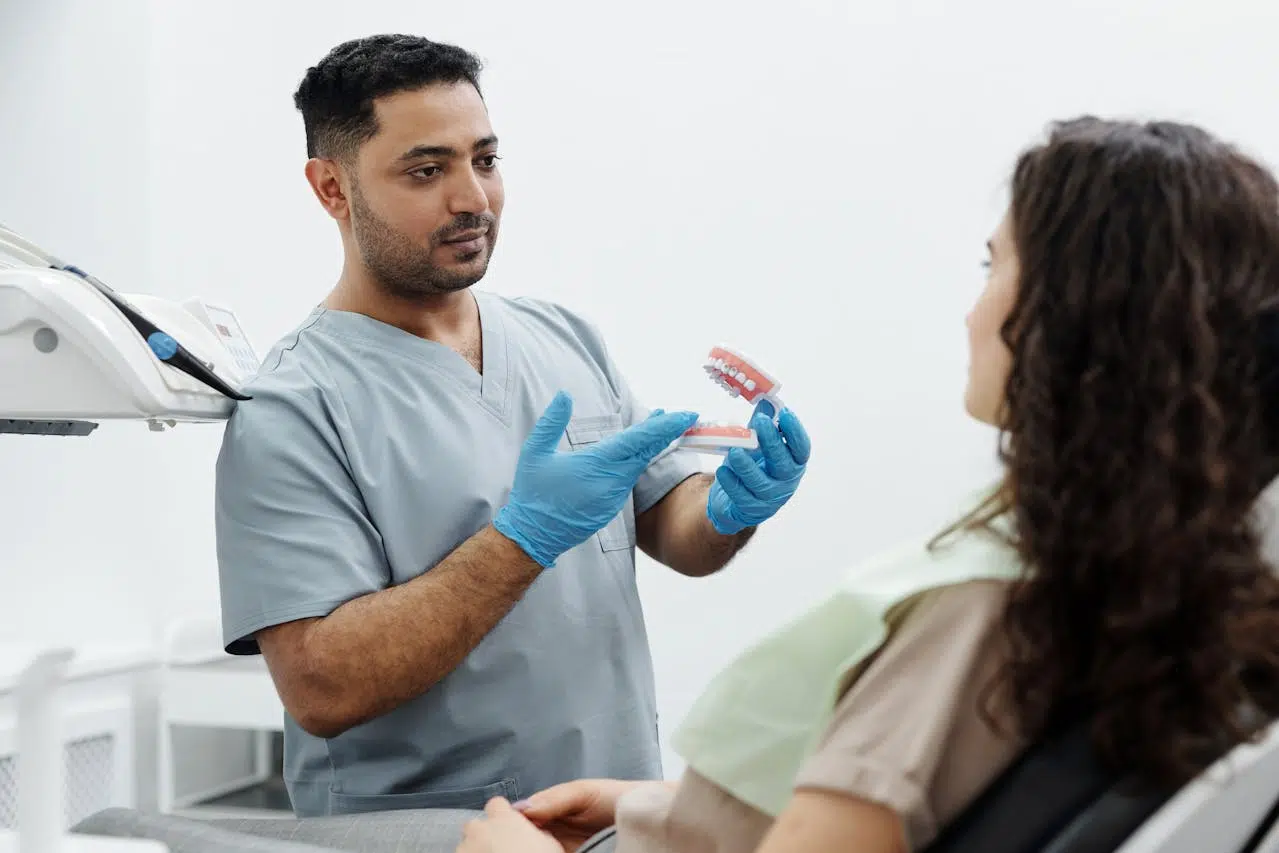
Adult orthodontic care has moved decisively into the high-functioning professional category. The treatments are quieter than they used to be. Invisalign clear aligners replace conspicuous metal hardware, and lingual braces hide entirely behind the teeth. The result is a category of care that affluent adults engage with the same deliberation they bring to other long-horizon investments. The considered approach that runs through L’Objet’s craft-becomes-ritual coverage carries into this decision.
Fort Lauderdale has its own version of this market. Practices like Sun Orthodontist offer teeth straightening in Fort Lauderdale with a specialist focus on adult treatment plans. Invisalign and lingual options sit alongside traditional ceramic and metal options. The choice between a specialist and a generalist practice shapes the outcome more than the brand of aligners in the case.
Why Has Adult Orthodontic Care Shifted Toward Specialist Practices?
Three structural changes have reshaped the adult market over the past decade. Treatment-option expansion comes first. Traditional metal braces, ceramic braces, lingual braces, Invisalign, and accelerated-treatment adjuncts (Propel, AcceleDent) have moved adult care from a one-option conversation to a five-or-six-option specification.
Specialist credentialing has separated from general dentistry. A board-certified orthodontist completes three years of post-dental-school training in tooth movement, occlusion, and treatment planning. A general dentist offering Invisalign typically does not. The case-management depth differs accordingly.
Aesthetic expectations have risen, too. Adults paying for premium treatment expect the result to read as deliberate at year five and year fifteen. The wider professional baseline is set by the American Association of Orthodontists, which maintains the standards distinguishing credentialed specialists from generalists.
What Should Adult Patients Verify Before Booking?
Six criteria belong on every shortlist. Run through these checks before committing to a practice.
- Confirm board certification with the American Board of Orthodontics. Verification takes 60 seconds on the issuing body’s website.
- Verify treatment-type breadth. A practice offering all five major adult options (metal, ceramic, lingual, Invisalign, accelerated) signals specialist depth.
- Check the diagnostic-imaging suite. Modern practices use 3D intraoral scans and digital treatment planning rather than traditional impressions.
- Read the practice’s adult case portfolio. Adult cases differ from teen cases in bone density, root behavior, and treatment timeline.
- Compare financing transparency. The all-in cost should include retainers, refinements, and the standard post-treatment review window.
- Confirm communication structure for executive schedules. The practice should accommodate evening or early-morning appointments.
A practice that answers all six cleanly belongs on the shortlist. The wider clinical-practice context is documented through the American Dental Association, which sets the framework that reputable specialists reference alongside their orthodontic credentials.
Which Treatment Options Suit Which Adult Use Cases?
Each treatment carries different properties. The table below matches options to adult use cases.
| Option | Visibility | Treatment Speed | Best For |
| Metal braces | High | Fastest | Complex cases needing precision |
| Ceramic braces | Moderate | Comparable to metal | Adults want subtle but visible |
| Lingual braces | None | Slower than metal | Public-facing adults |
| Invisalign | Minimal (clear) | Comparable to braces | Compliance-strong adults |
| Accelerated adjuncts | Varies | 30-50% faster | Cases ready for the upgrade |
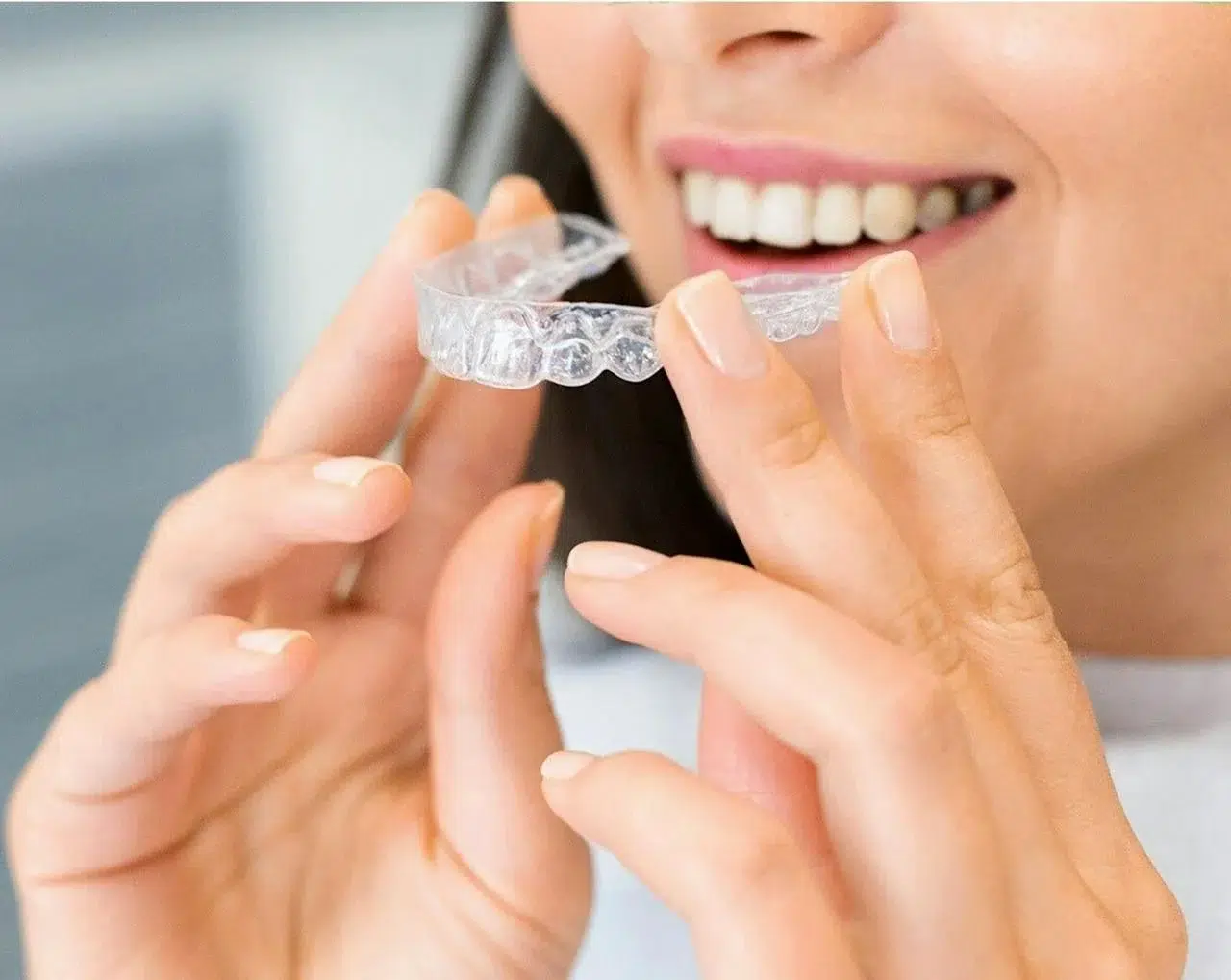
The treatment choice should match the adult’s daily life, not the marketing. Public-facing executives often prefer lingual or Invisalign. Adults with complex bite issues sometimes need metal or ceramic regardless of aesthetic preference. The orthodontist’s professional judgment should anchor the recommendation.
Which Steps Belong With the Patient and Which With the Practice?
A clean treatment outcome depends on both sides handling their phases. Sorting roles upfront helps.
Patient-handled steps:
- Compliance with daily wear schedule (Invisalign requires 22 hours daily)
- Attendance at scheduled monthly check-ins
- Care of the appliance or aligners (cleaning, replacement)
- Post-treatment retainer wear (full-time first six months, nightly thereafter)
Practice-handled steps:
- Diagnostic imaging and treatment planning
- Adjustment, refinement, and progress monitoring
- Refinement-aligner fabrication, where Invisalign requires
- Final retainer fabrication and post-treatment review
The most expensive failures in adult orthodontics come from skipped retainer wear after treatment. Patients who lose the post-treatment teeth alignment within a year typically did not wear the retainer as instructed.
What Common Mistakes Surface in Adult Treatment Decisions?
Several patterns recur. The first is choosing based on visible price alone. The treatment that looks $1,500 cheaper at booking sometimes lacks refinements, retainers, or the post-treatment review that the premium practice includes.
The second is selecting a generalist dentist offering Invisalign rather than a board-certified orthodontist. The third is mismatching the treatment type to the compliance pattern. Invisalign requires 22 hours of daily wear; adults who travel heavily or who attend frequent business dinners sometimes struggle. The fourth is skipping the retainer phase. Lifelong nightly retainer wear is the cost of preserving the treatment outcome.
What Is the Bottom Line for Fort Lauderdale Adults?
Adult orthodontic care rewards adults who make the decision in the way they treat other personal investments. The same precision-and-specialist lens that defines Jaeger-LeCoultre’s perpetual-timekeeper craftsmanship carries directly into the orthodontic-practice choice. Verify the specialist’s credentials.
Match the treatment type to the actual compliance pattern. Plan for the retainer phase from the start. Choose a practice whose communication structure fits the executive schedule. The treatment outcome holds across the next several decades of adult photographs and professional moments.
Frequently Asked Questions
How Much Does Adult Orthodontic Treatment Typically Cost in Fort Lauderdale?
Adult treatment in the Fort Lauderdale market typically runs $5,000 to $9,000 for a standard 18-to-24-month case. Premium practices and complex cases run higher. Lingual braces and accelerated adjuncts add to the base.
How Long Does Adult Treatment Take?
Most adult cases run 12 to 30 months. Complex bite issues and significant tooth-position changes run longer. Accelerated adjuncts compress the timeline by 30 to 50 percent for suitable cases, though the adjunct adds modestly to the total cost.
Can I Do Invisalign While Traveling Heavily for Work?
Yes, with discipline. The 22-hour daily wear requirement holds even during travel. Patients who fly weekly often switch to a digital-monitoring practice that reviews progress remotely between in-person check-ins.
What Happens If I Stop Wearing the Retainer After Treatment?
Teeth shift. The treatment outcome can degrade meaningfully within 12 to 24 months of stopped retainer wear. Lifelong nightly retainer wear is the simplest insurance policy on the original investment, and the cost is trivial relative to a second round of orthodontic work years later.