There are exhibitions that are present at the time. And there are those who attempt to redefine it.
At Jaeger-LeCoultre’s latest presentation during Milan Design Week, time is not measured; it is explored, interpreted, and ultimately transformed into something closer to art.
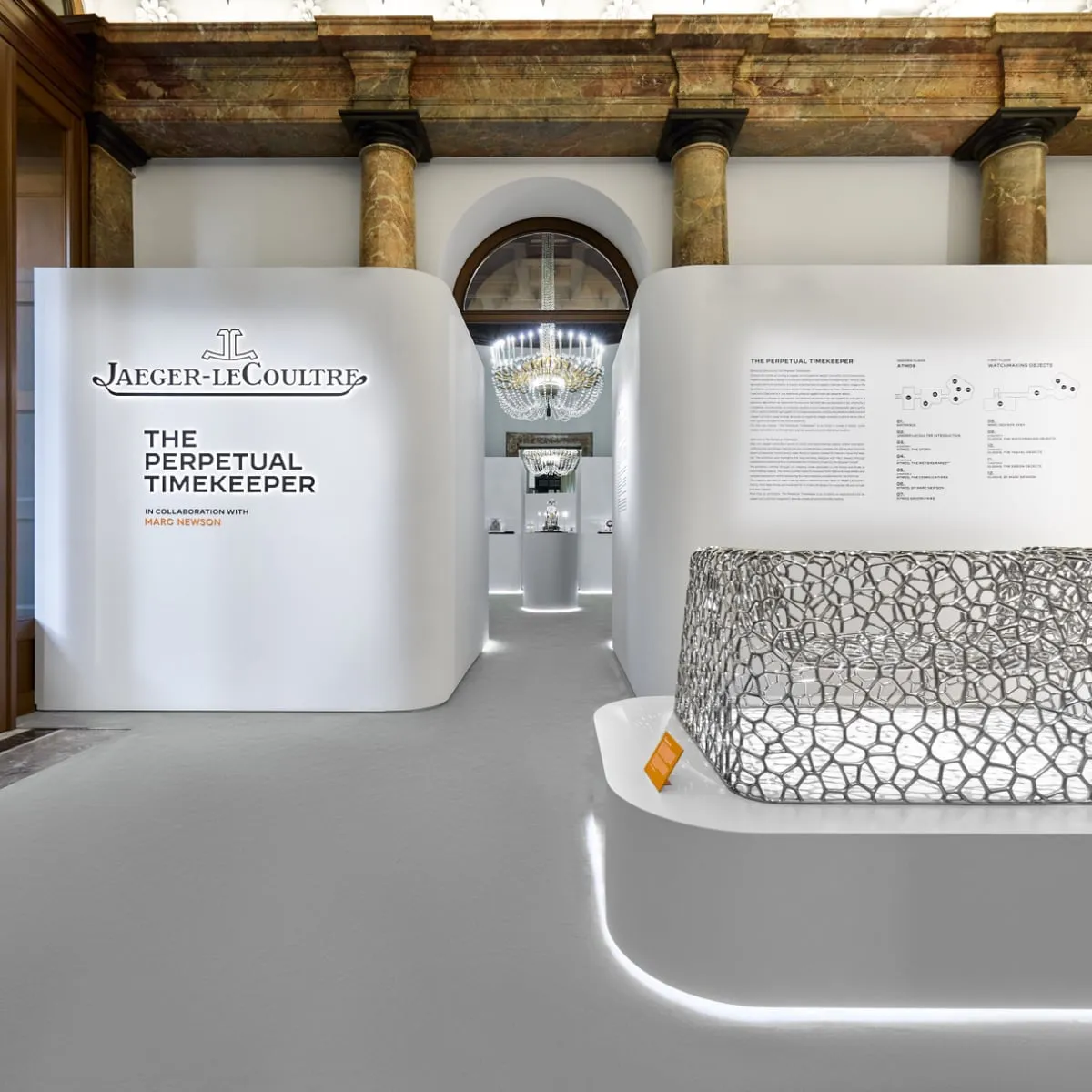
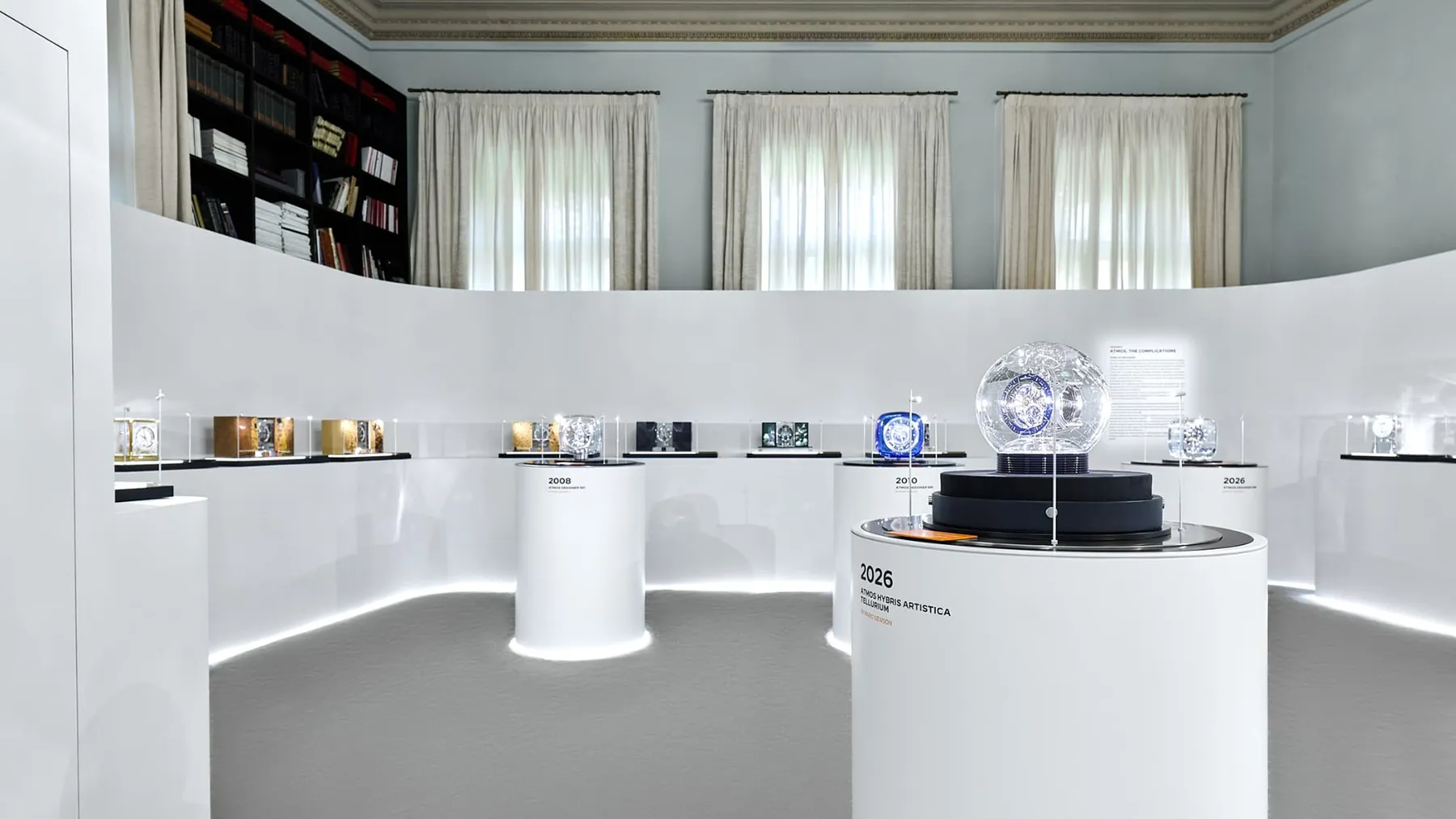
Conceived in collaboration with Marc Newson, The Perpetual Timekeeper unfolds at Villa Mozart in Milan from April 21 to 26, 2026. The exhibition offers an immersive journey into the Maison’s philosophy of timekeeping, tracing a lineage that moves seamlessly between science, design, and craftsmanship.
At its core lies one of horology’s most poetic inventions, the Atmos clock.
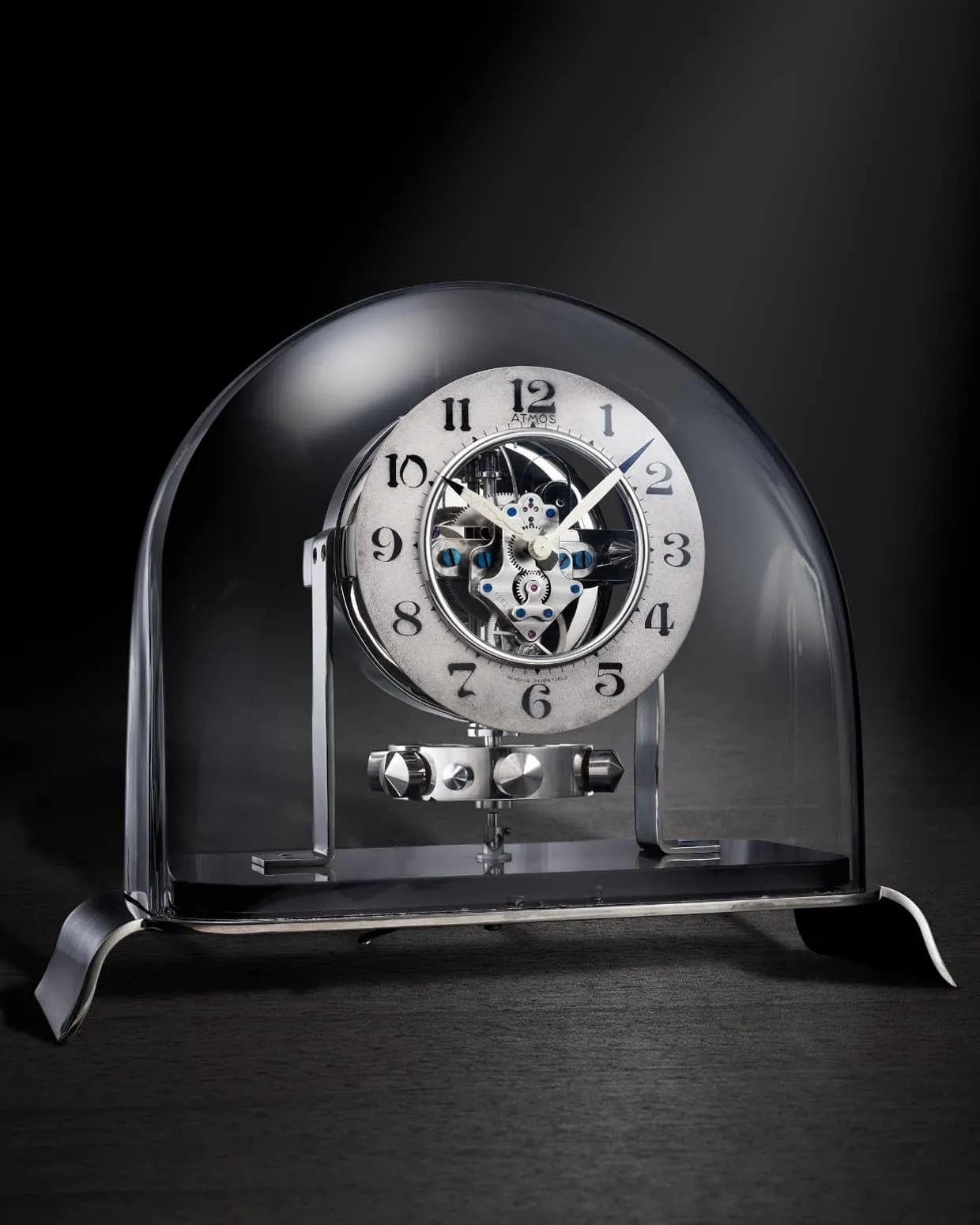
Few creations in watchmaking capture the imagination quite like the Atmos. Powered not by winding or battery, but by subtle fluctuations in temperature and atmospheric pressure, it exists in a state that feels almost perpetual, an object that appears to live within time rather than merely record it.
Within the exhibition, the Atmos becomes both subject and symbol. Through a series of curated chapters, the Maison charts its evolution, from early iterations to contemporary interpretations, revealing not only technical ingenuity but a persistent fascination with the invisible forces that govern time itself.
This is not presented as history alone. It is framed as an ongoing dialogue between precision and poetry.
The collaboration with Marc Newson introduces a distinct perspective, one that shifts the conversation from mechanism to form.
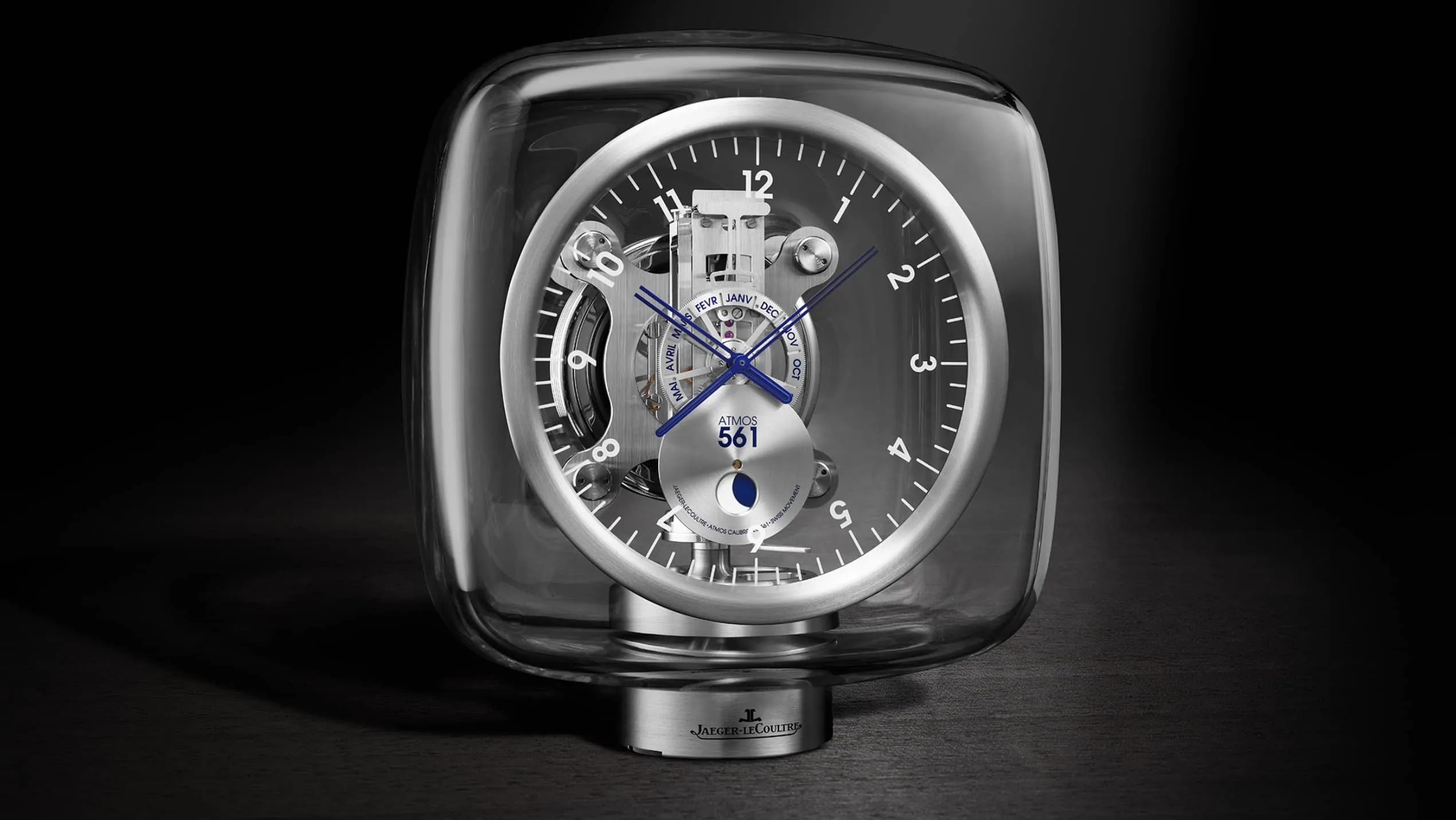
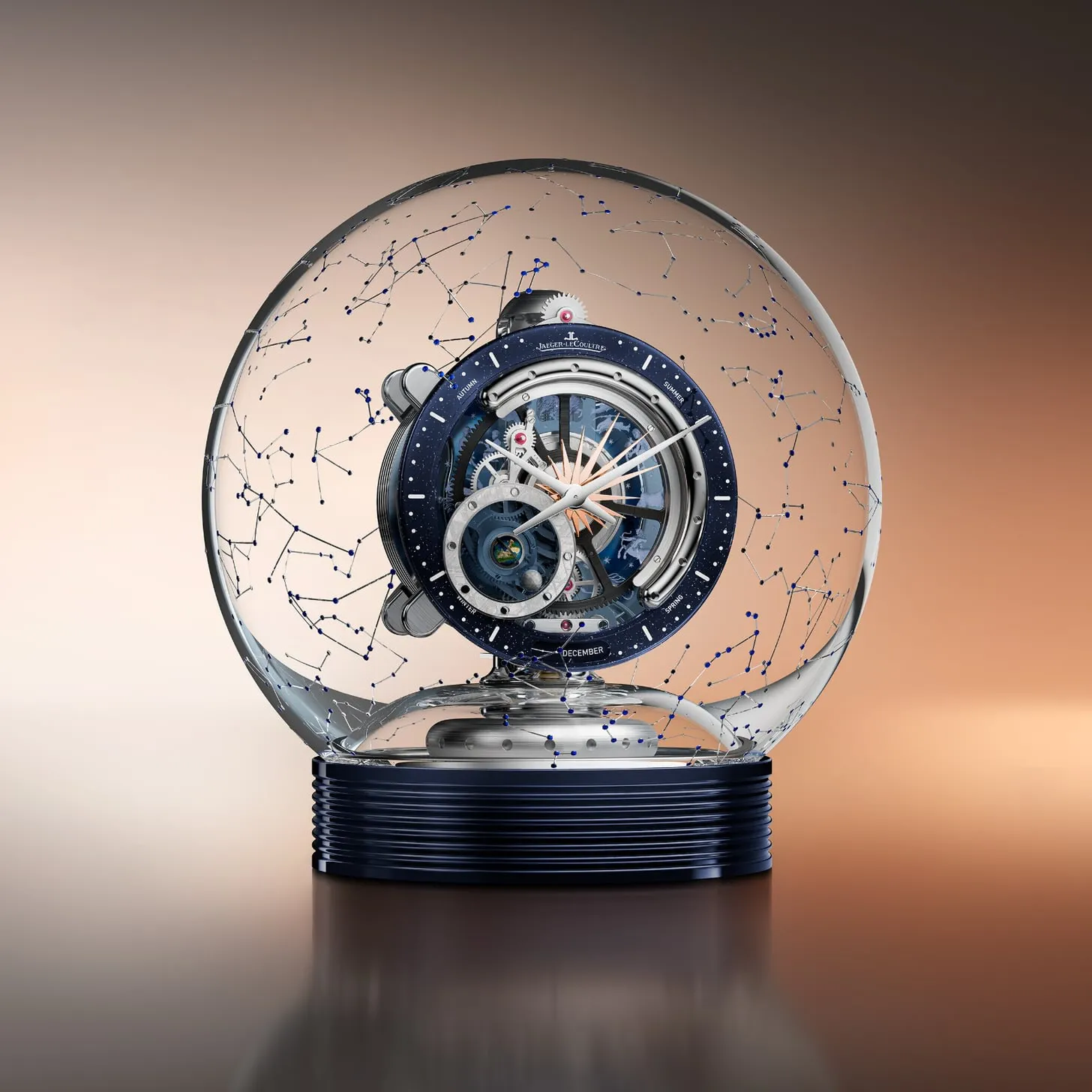
Newson’s longstanding relationship with the Maison has produced some of the most recognizable interpretations of the Atmos clock. This year, that partnership expands with three new creations, including a sculptural reinterpretation of the Atmos and a reimagined Memovox travel clock. Each piece balances engineering complexity with a clarity of design that feels almost effortless.
In these works, transparency becomes a defining element. Movements appear suspended. Materials dissolve into light. Time, rather than being contained, feels as though it is allowed to breathe.
If the exhibition explores innovation, it is equally anchored in tradition.
Jaeger-LeCoultre’s Métiers Rares atelier, one of the few of its kind housed within a watch manufacture, takes center stage through a series of exceptional Atmos creations. Enamel work, wood marquetry, and miniature painting converge in pieces that require hundreds of hours to complete.
These are not decorative gestures. They are expressions of continuity.
Each object reflects a commitment to preserving techniques that might otherwise disappear, while simultaneously reinterpreting them for a contemporary context. The result is a body of work that feels both historic and immediate.
Beyond the objects themselves, The Perpetual Timekeeper is designed as an experience.
Live watchmaking demonstrations invite visitors into the process, revealing the discipline behind each creation. Meanwhile, the exhibition unfolds as a sequence of environments, each offering a different perspective on time, mechanical, artistic, and philosophical.
This layered approach transforms the exhibition into something more than a display. It becomes an exploration of how time is perceived, shaped, and ultimately understood.
In an era where luxury often leans toward spectacle, Jaeger-LeCoultre takes a more measured approach.
The exhibition does not attempt to overwhelm. Instead, it invites reflection. It suggests that true luxury lies not in complexity alone, but in clarity, the ability to distill centuries of knowledge into objects that feel both precise and effortless.
Ultimately, The Perpetual Timekeeper resists simple definition.
It is not merely an exhibition of clocks. It is a meditation on time itself, how it is measured, how it is experienced, and how it can be expressed through design.
And in Milan, for a brief moment, that philosophy is made visible.