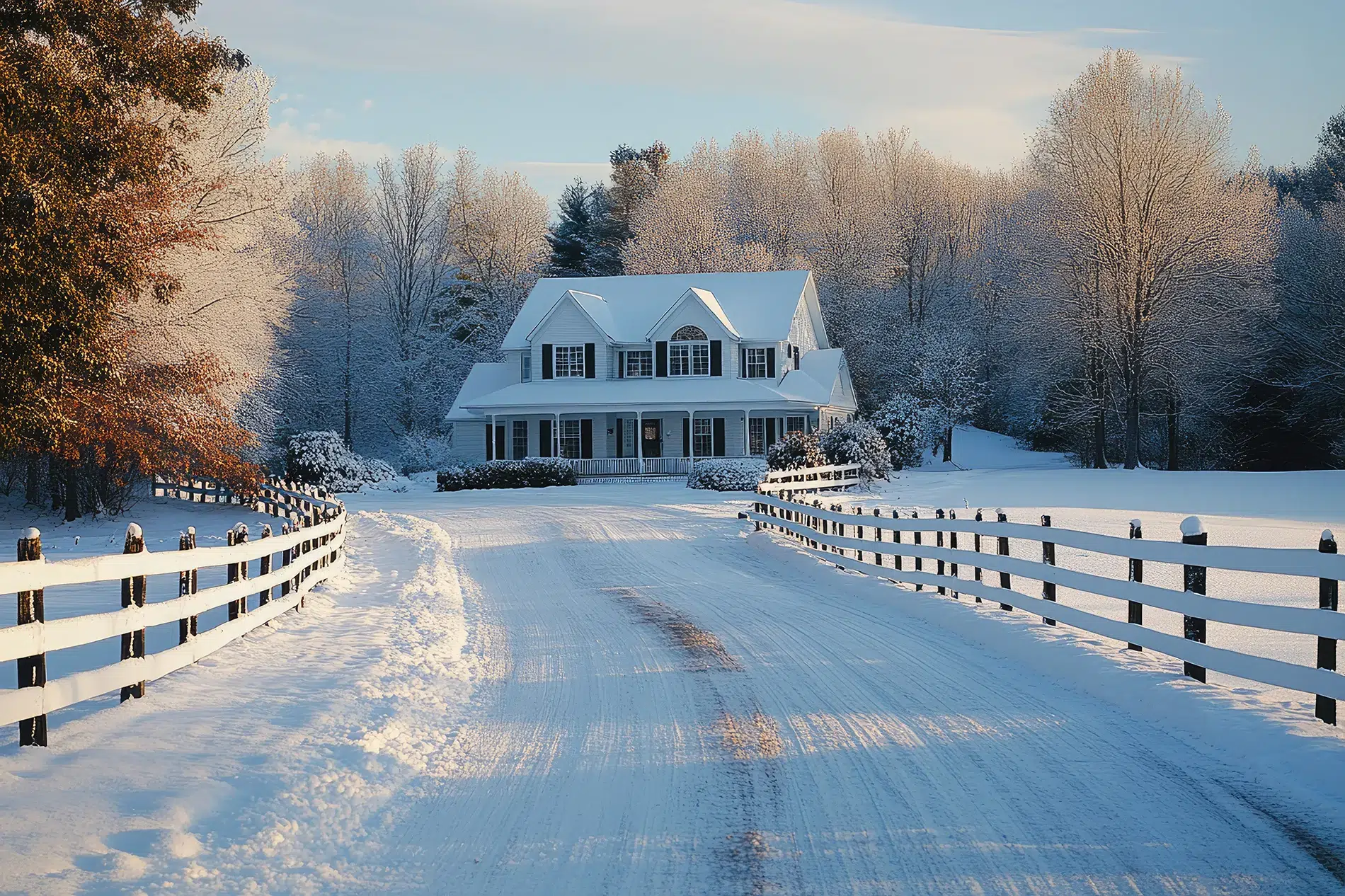
A major storm can change the condition of your home overnight. High winds tear at roofing materials, heavy rain pushes water into small openings, and flooding places stress on systems that usually operate without trouble. Once the skies clear, the real work begins. Repairs should not focus only on what looks damaged at first glance.
Home improvements after a storm serve two purposes. They restore what was compromised and improve overall resilience. Careful planning prevents recurring problems and helps you avoid emergency repairs later. The following sections outline the most important upgrades to prioritize.
Roof and Structural Inspection
The roof absorbs the brunt of storm impact. Shingles may loosen, flashing can lift, and small punctures may allow moisture to enter the attic. Even minor damage can develop into leaks that weaken insulation and framing over time. A detailed inspection should come first.
Professional roofing contractors can assess hidden damage that may not be visible from the ground. Attic spaces deserve equal attention. Water stains, damp insulation, or soft spots in decking often signal deeper problems. Early detection protects the structural integrity of the entire home.
Plumbing System Check and Emergency Preparedness
Storm damage often extends beyond what you can see on the surface. Heavy rainfall, flooding, and freezing conditions place a serious strain on plumbing systems. Underground pipes may shift as soil becomes saturated, while internal lines can crack under sudden pressure changes. Small leaks often stay hidden behind walls or under flooring until noticeable damage appears.
A professional plumbing inspection should follow any significant storm. Licensed plumbers can test water pressure, examine exposed pipes, and inspect drainage systems for blockages or weaknesses. Early detection prevents moisture buildup that can weaken framing and promote mold growth. Partner with a company that offers 24-hour emergency plumbing services to address leaks, bursts and hidden water damage fast. Immediate access to experienced professionals ensures that urgent issues receive attention before structural damage worsens.
Upgrading outdated piping materials improves long-term reliability. Modern pipe systems handle pressure fluctuations more effectively and resist corrosion. Installing water leak detection devices near appliances and utility areas adds another layer of protection. Homes in flood-prone locations also benefit from sump pump systems equipped with battery backups.
Window and Door Reinforcement
Windows and doors often suffer during severe storms. Strong gusts may loosen frames, and flying debris can crack or shatter glass. Even small gaps allow moisture and air to enter the home.
Close inspection of seals and weatherstripping should follow any major weather event. Replacing worn seals improves energy efficiency and reduces the chance of future leaks. Warped frames require prompt repair to maintain proper alignment. Impact-resistant glass provides an added layer of safety. Storm-rated windows are designed to withstand debris strikes and strong winds.
Siding and Exterior Wall Repairs
Exterior siding protects framing and insulation from moisture exposure. Storm damage may appear as dents, loose panels, or cracks along seams. Left untreated, these openings invite water intrusion and mold growth.
Inspection should cover every side of the property. Areas facing prevailing winds often show the most wear. Replacing compromised panels prevents hidden moisture buildup behind walls. Upgrading to more durable siding materials adds long-term protection. Fiber cement and engineered wood products offer improved resistance to impact and moisture. Fresh protective coatings further extend lifespan.
Electrical System Evaluation
Storm activity frequently disrupts electrical systems. Power surges, lightning strikes, and water exposure can compromise wiring and panels. Damage may not present immediate symptoms. A licensed electrician should examine the breaker panel, outlets, and exposed wiring. Moisture exposure demands immediate attention to reduce fire risk.
Replacing damaged components ensures safe operation. Whole-home surge protection safeguards appliances and electronics during future storms. Standby generators offer reliable power during outages, keeping essential systems operational.
Foundation and Drainage Improvements
Storms often leave the ground around your home saturated for days. Excess moisture places pressure on foundation walls and increases the risk of cracks or shifting. Even small fractures can allow water to seep into basements or crawl spaces.
A careful inspection of the foundation should follow prolonged rainfall or flooding. Hairline cracks deserve attention before they widen over time. Sealing gaps with professional-grade materials prevents further intrusion and preserves structural strength. Drainage improvements play a major role in long-term protection. Gutters and downspouts should direct water several feet away from the home’s base. Extensions and splash blocks help guide runoff safely.
Landscaping and Outdoor Structure Repairs
Yards and exterior features often show clear signs of storm damage. Fallen branches, uprooted trees, and displaced soil can create safety hazards if left unaddressed. Outdoor structures such as fences, decks, and sheds may also suffer structural strain.
Start with a safety assessment. Remove damaged trees or unstable limbs near the house to reduce future risk. Professional arborists can evaluate tree stability and recommend trimming or removal when necessary. Decks and fences should be inspected for loose posts, weakened fasteners, and compromised support beams. Reinforcing these structures extends their lifespan and restores stability. Anchoring sheds and outdoor fixtures more securely prepares them for future wind events.
Interior Restoration and Preventive Upgrades
Interior spaces often require more attention than surface cleaning. Water exposure affects drywall, insulation, flooring, and even air quality. Damp materials create conditions that allow mold growth to develop quickly.
Remove and replace saturated drywall or insulation promptly. Professional drying equipment may be necessary to eliminate trapped moisture. Flooring materials such as carpet or laminate may need replacement if water damage is extensive. Improved ventilation helps maintain healthy indoor conditions. Upgraded exhaust fans in bathrooms and basements reduce humidity levels and prevent future moisture buildup. Dehumidifiers provide additional protection in areas vulnerable to dampness.
Storm recovery requires more than patchwork repairs. Each improvement presents an opportunity to strengthen your home and prepare it for future weather events. Roof reinforcement, plumbing upgrades, structural evaluations, and interior restoration all contribute to long-term stability.
A focused plan prevents overlooked damage and reduces the likelihood of recurring problems. Strategic upgrades enhance safety, protect property value, and improve daily comfort. Careful attention today ensures your home stands stronger and more secure when the next storm arrives.