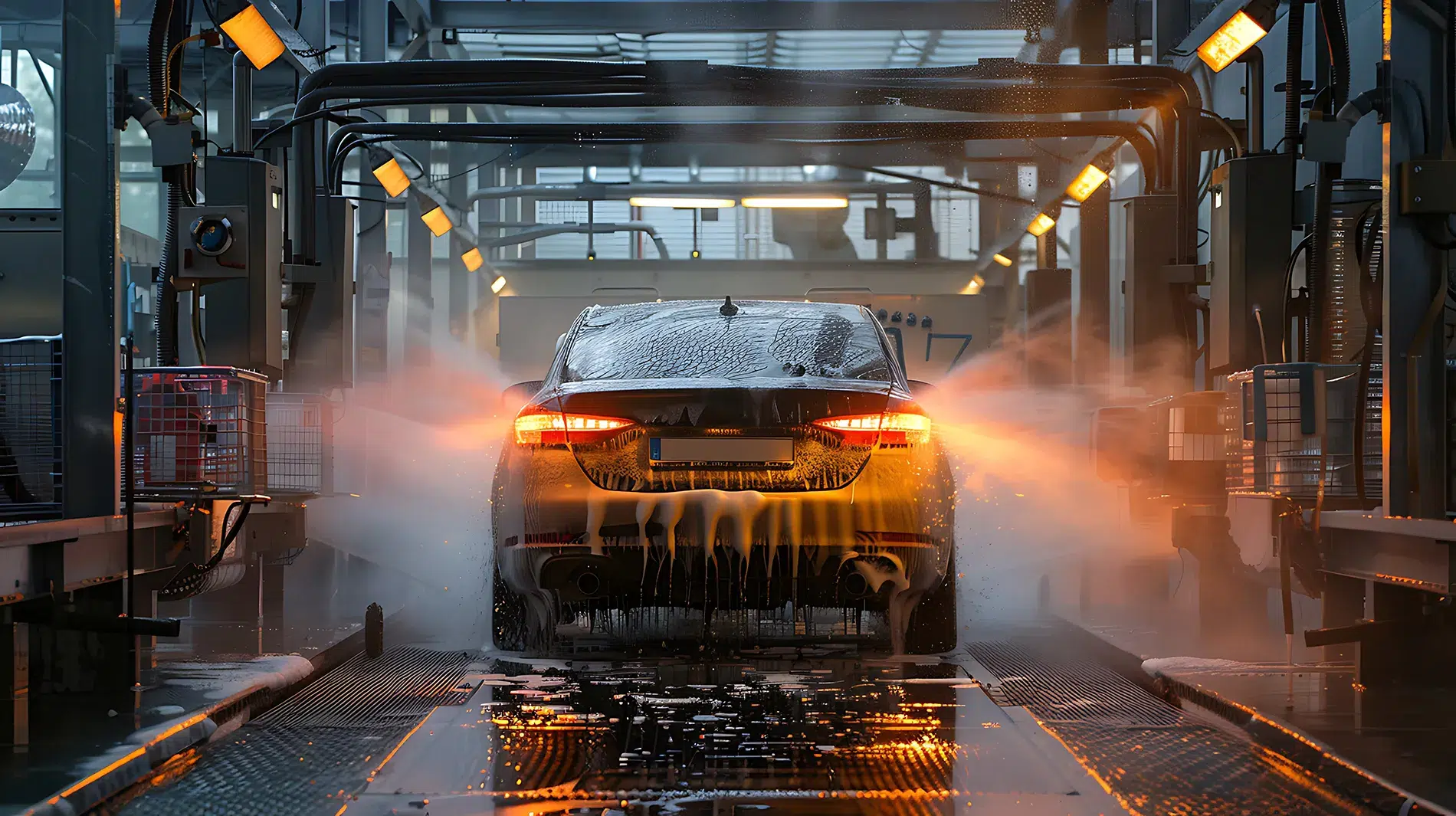
As vehicle technology advances and daily schedules become more demanding, drivers are increasingly looking for maintenance solutions that balance efficiency with protection. One area where this shift is evident is vehicle washing. Automatic car wash systems have evolved into a reliable, time-efficient option that supports regular vehicle care without compromising safety or surface integrity.
For drivers in Central Alberta, where weather and road conditions can change rapidly, automatic washing offers a practical way to maintain vehicles consistently throughout the year.
The Growing Demand for Automated Vehicle Care
Automatic car wash systems are no longer viewed as a quick convenience with limited benefits. Modern systems are designed to deliver consistent, repeatable results while reducing the variability associated with manual washing.
Many drivers search for an automatic car wash near them because automation removes barriers to consistency. When washing is fast, accessible, and predictable, it becomes easier to maintain a regular cleaning routine.
This consistency plays a critical role in protecting vehicles from long-term environmental damage.
Why Consistency Matters More Than Occasional Deep Cleaning
One of the most common vehicle care mistakes is relying on infrequent, intensive cleaning rather than regular light maintenance. Environmental contaminants build up gradually, and the longer they remain on a vehicle, the more damage they can cause.
Automatic washing supports frequent cleaning by reducing time and effort. Regular removal of dirt, salt, and debris prevents contaminants from bonding to surfaces or penetrating protective layers.
Consistent washing:
- Reduces corrosion risk
- Preserves paint and clear coat
- Improves visibility and safety
- Lowers long-term maintenance costs
Red Deer’s Environmental Impact on Vehicles
Red Deer’s climate presents unique challenges for vehicle owners. Winter road salt, freezing temperatures, spring mud, and summer dust all contribute to accelerated wear.
Automatic washing systems are particularly effective in these conditions because they provide reliable cleaning regardless of the weather. During winter, they help manage salt buildup. In warmer months, they remove dust, pollen, and organic debris before it causes surface damage.
Environmental exposure is constant, which makes consistent washing essential rather than optional.
How Automatic Car Wash Systems Work
Modern automatic systems follow a structured, controlled process designed to maximize cleaning efficiency while minimizing surface risk. These systems typically include:
- Pre-soak stages to loosen contaminants
- High-pressure rinsing cycles
- Targeted wheel and lower-panel cleaning
- Controlled drying processes
Automation ensures that each wash follows the same sequence, delivering predictable results regardless of external conditions.
Touchless Technology and Surface Protection
Many automatic systems now incorporate touchless technology, which eliminates physical contact with vehicle surfaces. Instead of brushes or cloths, these systems rely on water pressure and advanced detergents to clean effectively.
Drivers concerned about micro-scratches or paint wear often prefer options such as a touchless car wash in Calgary, demonstrating how touchless systems are becoming a standard for safe vehicle cleaning.
Touchless washing reduces friction-related damage while still addressing common contaminants.
Undercarriage Cleaning and Corrosion Prevention
One of the most valuable features of automatic washing systems is undercarriage cleaning. Road salt and moisture accumulate beneath vehicles, where they are difficult to remove manually.
Automatic systems are designed to direct water and cleaning agents to underbody areas, helping flush out corrosive materials. Regular undercarriage cleaning is essential for preventing rust on frames, suspension components, and brake lines.
This feature is particularly important for vehicles driven daily during the winter months.
Time Efficiency and Modern Lifestyles
Time constraints are a major factor in vehicle maintenance decisions. Manual washing requires preparation, tools, and suitable weather conditions. Automatic washing removes these barriers.
Drivers can clean their vehicles quickly without disrupting daily routines. This efficiency encourages frequent washing, which directly supports better long-term vehicle care.
In busy urban and commuter lifestyles, time efficiency often determines whether maintenance tasks are performed consistently.
Environmental Responsibility of Automated Systems
Environmental concerns are increasingly influencing how people approach car washing. Professional automatic systems typically use less water than home washing and manage wastewater responsibly.
Benefits include:
- Controlled water usage
- Reduced chemical runoff
- Water recycling systems
- Use of biodegradable detergents
These features allow drivers to maintain their vehicles while reducing environmental impact.
Safety Benefits of Regular Automatic Washing
Clean vehicles are safer vehicles. Dirt and residue can reduce headlight brightness, obscure mirrors, and interfere with sensors and cameras.
Automatic washing ensures that critical visibility components are cleaned consistently. This is especially important in winter, when salt film can significantly reduce lighting effectiveness.
Maintaining clean surfaces supports both driver awareness and vehicle safety systems.
Cost Efficiency Over the Vehicle’s Lifespan
Although automatic washing involves an ongoing cost, it often results in long-term savings. Preventing corrosion and paint damage reduces the need for costly repairs and cosmetic restoration.
Vehicles that receive regular washing typically:
- Retain better exterior condition
- Show less rust development
- Require fewer corrective treatments
Preventive care is almost always more economical than reactive repairs.
Adapting Washing Frequency to Driving Habits
Not all vehicles require the same washing frequency. Daily commuters, highway drivers, and cars parked outdoors are exposed to greater levels and benefit from more frequent cleaning.
Automatic systems make it easier to adapt the washing frequency to actual driving conditions rather than waiting for visible dirt accumulation.
This adaptability supports more effective maintenance strategies.
Psychological and Practical Benefits
Driving a clean vehicle improves comfort and satisfaction. It also makes it easier to spot issues such as paint chips, cracks, or leaks before they become serious problems.
Regular automatic washing supports a proactive ownership mindset that benefits both the driver and the vehicle.
Integrating Automatic Washing Into Routine Maintenance
Vehicle care is most effective when washing is treated as a routine task rather than an occasional response to dirt. Many drivers integrate automatic washing into weekly or bi-weekly schedules.
This structured approach ensures consistent protection and reduces the likelihood of long-term damage.
Long-Term Vehicle Care Strategy
Automatic washing is not a replacement for detailing or specialized treatments, but it is an essential component of long-term vehicle care. When combined with seasonal inspections and basic maintenance, it supports durability and reliability.
Consistent washing preserves the effectiveness of protective coatings and extends the life of exterior materials.
Final Thoughts
Automatic car wash systems offer a practical, efficient, and reliable solution for maintaining vehicles in demanding environments. By supporting consistency, reducing surface wear, and improving safety, they play a key role in modern vehicle ownership.
When integrated into a regular maintenance routine, automatic and touchless washing helps ensure vehicles remain protected, visually appealing, and structurally sound throughout their lifespan.