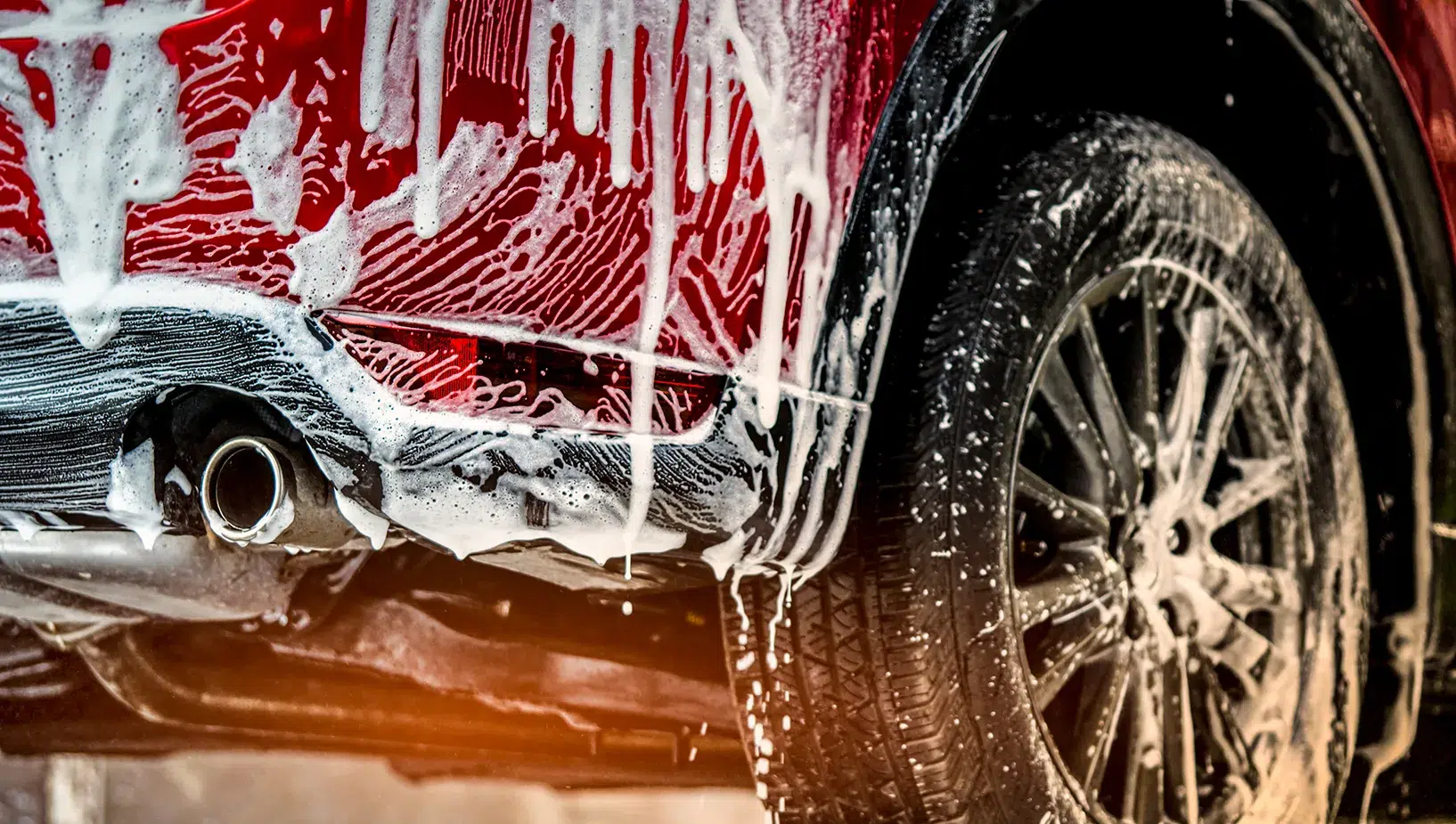
Urban life in Canada is defined by movement. From daily commutes and school drop-offs to delivery routes and weekend travel, vehicles operate almost continuously. As driving patterns become more intensive, traditional ideas about vehicle maintenance are being replaced by faster, technology-driven solutions. Among the most influential changes is the rapid growth of express car washing—high-speed, automated cleaning systems designed to fit seamlessly into modern schedules.
For today’s motorists, convenience is no longer a luxury; it is a requirement. Whether drivers are navigating busy city streets or travelling suburban highways, the ability to access a car wash near you without disrupting daily routines has become a defining feature of modern vehicle ownership.
At the same time, innovations such as touchless car wash technology are changing public expectations about safety, speed, and paint preservation—all within a matter of minutes.
The Evolution from Traditional Washing to Express Cleaning
Historically, car washing was a time-intensive task. Drivers either washed vehicles manually at home or waited in long lines for full-service hand washes. While effective, both options demanded considerable time, labour, and water usage. As cities expanded and schedules tightened, the demand for faster solutions became unavoidable.
Express car washing emerged as a response to three dominant trends:
- Rising urban population density
- Increased daily vehicle usage
- Heightened environmental and water conservation regulations
Automated systems now provide complete exterior cleaning in under five minutes—sometimes under three—while delivering consistent quality regardless of weather or time of day.
Why Speed Matters in Modern Vehicle Maintenance
Today’s vehicles accumulate contaminants much faster than in past decades due to:
- Increased traffic congestion
- Widespread use of road salts
- Higher industrial air pollution
- Construction-generated dust
- Agricultural particulate drift in suburban regions
With this accelerated contamination cycle, waiting weeks between washes allows damaging substances to bond permanently with surfaces. Express washing shortens this exposure window, preventing cumulative damage without demanding time-intensive commitments.
For commuters, delivery drivers, rideshare operators, and fleet vehicles, speed is directly linked to:
- Operational efficiency
- Professional image
- Vehicle uptime
- Reduced long-term maintenance costs
The Role of Automation in Cleaning Consistency
One of the most overlooked benefits of express car washing is consistency. Human-operated washes can vary in quality depending on staff training, fatigue, weather conditions, and workload. Automated systems, on the other hand, apply precision-controlled sequences every time.
Core automation components include:
- Laser-measured vehicle profiling
- Programmable spray angles
- Computer-regulated detergent dosing
- Timed drying cycles
- Automated underbody flushing
This controlled environment ensures that every wash is identical in quality, eliminating both under-cleaning and over-cleaning risks.
How Touchless Systems Fit Perfectly into Express Models
Touchless washing has become the ideal partner to express operations. Because these systems rely on chemistry and water pressure rather than physical contact, they:
- Eliminate delays from mechanical friction
- Reduce equipment wear and maintenance downtime
- Increase vehicle throughput per hour
- Minimize the risk of damage-related stoppages
The absence of brushes also allows for more rapid vehicle entry and exit, supporting continuous flow even during peak traffic hours.
Environmental Sustainability in High-Volume Wash Operations
A common misconception is that faster washing means higher environmental impact. In reality, professionally operated express washes are among the most water-efficient vehicle cleaning solutions available.
Modern express wash facilities use:
- Closed-loop water recycling systems
- Multi-stage filtration
- Oil and sediment separation
- Controlled chemical injection
- Stormwater containment infrastructure
These systems can reuse up to 85–90% of all water used per wash cycle. By contrast, driveway washing often wastes hundreds of litres per session while directing contaminated runoff straight into storm drains.
High-volume express washing is not only faster—it is measurably more sustainable.
Express Washing and Underbody Protection
Speed does not mean sacrificing protection. Despite their rapid pace, express wash systems are specifically engineered to target underbody contamination—arguably the most critical area for corrosion prevention, especially in Canada.
Underbody protection in express systems focuses on:
- Wheel well flushing
- Chassis rail rinsing
- Suspension joint cleaning
- Brake assembly wash-down
- Heat-assisted salt removal
Because express facilities maintain consistent temperature control and pressure regulation, winter wash performance remains reliable even below freezing.
The Impact of Express Washing on Vehicle Longevity
From an asset protection standpoint, express washing offers measurable benefits across multiple mechanical systems:
- Paint systems: Reduced oxidation and clear coat degradation
- Brake systems: Lower corrosion risk in callipers and lines
- Electrical systems: Improved grounding reliability
- Suspension systems: Reduced joint contamination
- Exhaust systems: Delayed rust formation
When these benefits are compounded over years of ownership, the difference in total cost of ownership becomes substantial.
Express Washing for High-Usage Drivers
Certain driver categories benefit disproportionately from express wash access:
- Rideshare and Taxi Drivers
Exterior appearance directly affects customer perception, ratings, and tips. Express washing ensures daily presentation without work interruptions.
- Delivery and Courier Services
Vehicles represent the public face of the business. Clean vehicles communicate reliability and operational discipline.
- Sales and Service Professionals
Regular presentations and client encounters demand a consistent professional appearance.
- Fleet Operators
High-volume washing reduces per-vehicle maintenance costs while protecting brand visibility.
For these drivers, express washing becomes a productivity tool rather than a simple cleaning service.
Winter Demand and Express System Reliability
Express systems are engineered specifically for extreme winter conditions. Unlike manual washing, which slows significantly during cold months, express operations maintain throughput using:
- Heated water delivery
- Ice-resistant nozzle architecture
- Enclosed wash environments
- Anti-freeze chemical blends
- Automated frost prevention cycles
This allows drivers to maintain protective washing routines even during heavy snowfall periods, when vehicle contamination is most aggressive.
Express Washing and Safety System Performance
Modern vehicles depend on sensors, cameras, and radar systems for safety functions. Express washes provide targeted cleaning of:
- Windshield camera housings
- Radar grilles
- Side mirror sensors
- Rear view cameras
- Parking assist detectors
Road film accumulation on these components can result in:
- Calibration errors
- False warnings
- System deactivation
- Safety feature malfunctions
Routine express washing preserves the operational accuracy of these electronic systems without requiring manual intervention.
Consumer Behaviour and the Subscription Model
Express washing has also reshaped consumer payment behaviour. Subscription-based access encourages:
- Higher wash frequency
- Predictable annual maintenance costs
- Proactive vehicle care habits
- Reduced corrosion-related depreciation
From a behavioural economics standpoint, subscription models remove psychological barriers associated with per-use payments, leading to better vehicle maintenance outcomes over time.
The Psychological Advantage of a Clean Vehicle
Beyond physical mechanics, express washing influences how drivers feel about their vehicles. A consistently clean exterior contributes to:
- Improved personal satisfaction
- Increased pride of ownership
- Enhanced driving confidence
- Lower stress during commutes
- A stronger sense of organization and control
These psychological benefits are especially impactful for those who spend multiple hours per day behind the wheel.
Express Washing as a Preventive Maintenance Strategy
In modern automotive care, prevention outweighs repair. Express washing functions as a frontline defence against:
- Corrosion buildup
- Sensor interference
- Paint degradation
- Structural moisture accumulation
- Brake contamination
Rather than waiting for visible damage to appear, proactive express cleaning interrupts the degradation process before it becomes mechanically costly.
The Future of Express Wash Technology in Canada
Technological integration continues to drive improvements in express wash systems, including:
- AI-controlled dirt detection
- Adaptive water pressure based on contamination density
- Vehicle recognition for automated service selection
- Smart chemical optimization
- Energy-efficient drying turbines
- Solar-assisted operations
As cities move toward sustainability mandates and smart infrastructure development, express wash systems will likely become part of broader environmental control networks.
Final Perspective
Express car washing represents the convergence of speed, sustainability, automation, and preventive maintenance. In environments where vehicles are constantly exposed to corrosive contaminants and time is scarce, express systems provide the optimal balance between protection and convenience.
By integrating advanced touchless technology, water management systems, and rapid automation, modern express washing supports both vehicle longevity and urban efficiency. For Canadian drivers across all usage levels—from daily commuters to commercial fleets—it has become an essential pillar of responsible ownership.