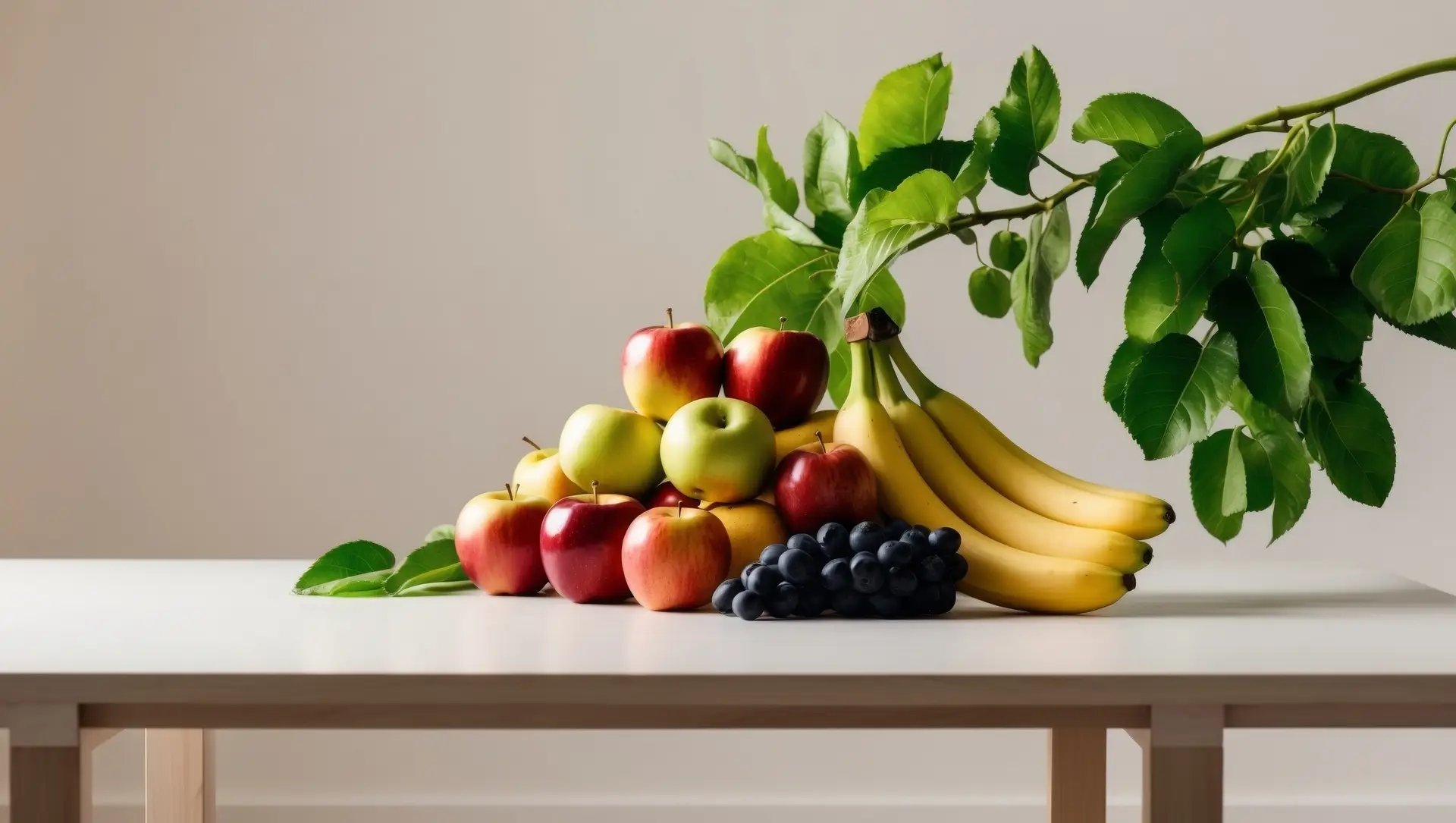
Here’s the honest answer upfront: fruits alone won’t make you taller. But that doesn’t mean they’re irrelevant to growth — far from it.
Height is shaped by three main forces: your genetics, your hormonal environment, and the quality of your nutrition during the years your bones are actively developing. Genetics sets the ceiling. Human growth hormone (HGH), produced by the pituitary gland, does the heavy lifting. But nutrition? That’s the part you actually control — and it matters more than most people realize.
Fruits bring a range of micronutrients that directly support bone development, collagen synthesis, and the hormonal signaling behind growth. They don’t override your DNA. What they do is make sure your body has what it needs to reach its full genetic potential — especially during puberty, when growth plates (the epiphyseal plates at the ends of long bones) are still open and responsive.
So no, eating oranges every morning won’t add three inches to your frame. But a consistent, fruit-rich diet during your growth years genuinely supports the biological machinery behind height. That distinction matters.
How Height Growth Actually Works
Growth is driven by a system, not a single factor.
The pituitary gland releases HGH, which then triggers the liver to produce Insulin-like Growth Factor-1 (IGF-1). IGF-1 is what actually stimulates the growth plates to produce new bone tissue — a process carried out by cells called osteoblasts. Those cells need raw materials: calcium, vitamin D, magnesium, and collagen. Without adequate nutrition, the process stalls.
Malnutrition during childhood is one of the most well-documented causes of stunted growth globally. That’s not a minor caveat — it’s a core principle of pediatric nutrition. A diet that’s chronically low in key micronutrients limits what osteoblasts can build, regardless of genetic potential.
Calcium metabolism, in particular, depends on vitamin D to work properly. Without enough vitamin D, the gut can’t absorb calcium efficiently, and bone mineralization suffers. Fruits contribute to this system indirectly — through vitamin C, antioxidants, and compounds that support gut health and nutrient absorption — even if they’re not calcium-dense themselves.
The takeaway here is that no single food makes or breaks your growth. A balanced diet across all food groups matters far more than any one fruit or supplement.
Nutrients in Fruits That Support Height Growth
Before getting into specific fruits, it helps to understand which nutrients do the actual work:
Vitamin C (ascorbic acid) is essential for collagen synthesis. Collagen is the structural protein in bone tissue — without it, bones lack the flexible framework that makes them strong and resilient. Vitamin C also improves iron absorption and supports immune function, both of which matter during growth years.
Potassium helps regulate the body’s acid-base balance. Diets high in acid-forming foods (like processed meats and refined grains) can leach calcium from bones to neutralize that acidity. Potassium-rich fruits help buffer this process, protecting bone mineral density over time.
Magnesium supports bone density directly and also plays a role in activating vitamin D. Roughly 60% of the body’s magnesium is stored in bone. Low magnesium intake correlates with lower bone density — a relationship well-established in the research on skeletal health.
Antioxidants — including polyphenols, flavonoids, and carotenoids — reduce oxidative stress and systemic inflammation. Chronic inflammation interferes with normal bone remodeling, so keeping it in check supports healthy skeletal development. Explore These Fruits Rich in Calcium and Improve Your Nutrition.
Best Fruits for Height Growth Backed by Science
Fruit Comparison at a Glance
| Fruit | Key Nutrient(s) | Primary Benefit | Best Used For |
| Orange | Vitamin C, folate | Collagen synthesis, calcium absorption | Daily vitamin C source |
| Banana | Potassium, magnesium | Bone mineral retention, muscle recovery | Post-exercise snack |
| Apple | Quercetin, fiber | Gut health, nutrient absorption | Digestive support |
| Berries | Polyphenols, vitamin C | Anti-inflammation, cellular repair | Antioxidant boost |
| Papaya | Papain, vitamin A, folate | Protein digestion, nutrient uptake | Gut health support |
| Durian | Magnesium, potassium, B vitamins | Bone density, energy metabolism | Nutrient-dense option |
Honestly, no single fruit on this list is dramatically superior to the others. The differences come down to which nutrients you’re already getting enough of — and which you’re not.
1. Oranges — Vitamin C for Bone Development
A medium orange delivers roughly 70mg of vitamin C — close to the daily recommended intake for most children and adolescents. That matters because vitamin C is directly involved in producing the collagen that forms the organic matrix of bone tissue.
Beyond collagen, ascorbic acid enhances calcium absorption from the gut. During active growth, the body’s demand for calcium is higher than at almost any other stage of life. Anything that improves calcium uptake is worth paying attention to.
Citrus fruits in general — including grapefruits and tangerines — share this profile. Orange juice works too, though whole fruit is typically a better choice because of the fiber content.
2. Bananas — Potassium for Strong Bones
Bananas are probably the most underrated bone-health fruit. A single medium banana provides about 422mg of potassium — nearly 9% of the daily recommended intake — plus meaningful amounts of magnesium and vitamin B6.
The potassium-bone connection comes down to this: when the body’s internal environment becomes too acidic (a common result of modern diets), it pulls calcium from bones to restore balance. Potassium-rich foods counter that process, reducing what researchers call “urinary calcium loss.”
Bananas also support electrolyte balance and muscle recovery after exercise — relevant because resistance training and physical activity during growth years stimulate bone remodeling through mechanical stress.
3. Apples — Antioxidants and Gut Health
An apple a day won’t literally keep the doctor away. But apples do contain quercetin, a flavonoid with notable anti-inflammatory properties, along with soluble fiber that feeds the gut microbiome.
That gut connection is more relevant to height growth than it might seem. A healthy gut microbiome improves the absorption of key minerals — including calcium, magnesium, and zinc. If the digestive system isn’t functioning well, even a nutrient-rich diet fails to deliver its full benefit at the cellular level.
Apples are practical, widely available, and easy to add to any eating routine. They’re not flashy, but they earn their place on this list through consistent, quiet utility.
4. Berries — Antioxidant Power for Growing Bodies
Blueberries, strawberries, raspberries — all rich in polyphenols that reduce oxidative stress at the cellular level. What tends to happen with chronic low-grade inflammation is that it disrupts the normal cycle of bone formation and resorption, gradually tipping the balance away from growth.
Berries don’t prevent that from happening entirely, but they help. Strawberries also deliver meaningful vitamin C. Blueberries, in particular, have been studied for their effects on bone density in animal and early human research — the findings are promising, though not yet conclusive.
Fresh or frozen, the polyphenol content holds up reasonably well either way.
5. Papaya — Digestive Support for Nutrient Uptake
Papaya earns its spot not because of any single standout nutrient, but because of papain — the enzyme that breaks down protein more efficiently in the digestive tract. Better protein digestion means better amino acid availability, and amino acids are the building blocks of everything from muscle tissue to growth factors.
Papaya also provides vitamin A, folate, and a modest amount of vitamin C. For children or adolescents who struggle with digestive issues, adding papaya to the diet can meaningfully improve how much nutrition they actually extract from their meals.
6. Durian — A Nutrient-Dense Option Worth Mentioning
Durian tends to get dismissed in Western nutrition discussions — mostly because of the smell. But nutritionally, it’s genuinely impressive. It’s rich in potassium, magnesium, B vitamins, and copper, all of which support bone health and energy metabolism.
The magnesium content is especially relevant here, given its role in activating vitamin D and supporting bone mineral density. Durian is also surprisingly high in folate, which supports cell division — a process central to growth.
It’s calorie-dense, so it’s not something to eat in unlimited quantities. But for those who enjoy it (and have access to it), durian is one of the more nutritionally substantive fruits available in Southeast Asian markets. It fits naturally into a growth-supporting diet without any real caveats beyond moderation. Check durian prices at here
What You Should Remember
The case for fruit in a height-supporting diet isn’t dramatic — it’s quietly solid.
Vitamin C supports the collagen backbone of bone. Potassium protects bone mineral density. Magnesium activates vitamin D. Antioxidants reduce inflammation that would otherwise disrupt bone remodeling. Digestive enzymes from fruits like papaya improve how efficiently the gut extracts nutrients from everything else you eat.
None of that happens overnight, and none of it happens from fruit alone. What tends to matter most is consistent, varied nutrition across the full growth window — from early childhood through the end of puberty. Early habits shape skeletal development in ways that can’t be fully corrected later.
The practical advice is straightforward: build a diet with adequate protein, calcium, and vitamin D as the foundation. Add a variety of fruits daily for the micronutrient and antioxidant layer. Prioritize sleep. Stay physically active. That combination gives developing bodies the best possible environment to reach their full height potential.
Genetics still decides the final number. But nutrition shapes how close you get to it.